Nov. 11, 2026
News
What Information Do You Need to Start a Turnkey Brewery Project?
Starting a turnkey brewery project requires more than choosing brewing equipment. Before requesting a complete brewery solution, you need to define your production goals, beer styles, packaging formats, facility conditions, and operating requirements. These details help determine the right equipment configuration and create a practical plan for commercial beer production.
Preparing this information early also makes communication with your equipment supplier more efficient. It reduces uncertainty during project planning and helps prevent unnecessary changes after equipment manufacturing begins.
For example, selecting a brewhouse based only on its batch volume may create problems if fermentation capacity is insufficient. Similarly, a packaging line that cannot handle the planned output may slow down the entire production process.
Before equipment selection begins, you should have a clear understanding of:
Start by estimating your expected demand. Consider your target daily, monthly, or annual output and how quickly you plan to increase production.
You should also distinguish between initial capacity and long-term production goals. A brewery designed only for current demand may require major equipment changes when orders increase.
When planning capacity, consider:
For example, Lager, Ale, Stout, and IPA may have different fermentation temperatures, yeast requirements, and conditioning periods. These differences can affect tank scheduling and production management.
You should clarify:
The brewing process and equipment arrangement should be designed around your actual recipes and production plans, not simply selected from a standard equipment list.
Common commercial beer packaging formats include:
You should also estimate your expected packaging volume and required output per hour. This helps determine whether the filling system can keep pace with the brewing and fermentation schedule.
Consider future requirements as well. If you initially plan to package only in kegs but expect to introduce bottled or canned beer later, discuss this possibility during the planning stage.
Other important details include:
If you are using an existing building, its structural and installation conditions should be assessed before equipment dimensions are finalized. Our guide to setting up a beer manufacturing plant also highlights the importance of coordinating facility conditions with production equipment.
Prepare information about:
Before selecting a control configuration, consider how you want to manage the main production stages.
For example, your requirements may include:
You should also consider the experience of your operating team. The control system needs to be practical for daily use, maintenance, and troubleshooting.
For projects that require more centralized process management, an automatic brewery system solution can help connect brewing, fermentation, cleaning, and other production operations.
Your planning should account for the major production systems and their supporting requirements, including:
When comparing proposals, check whether suppliers are quoting the same equipment scope and service responsibilities. A lower equipment price may not include all the supporting systems required for a complete production setup.
Actual project costs depend on capacity, equipment specifications, automation, packaging requirements, and the agreed delivery scope. Contact us with your project details to discuss a suitable configuration and quotation.
At HGMC, we develop commercial brewery solutions around each customer's production goals, brewing processes, facility conditions, and operating requirements. We consider the relationship between the brewhouse, fermentation tanks, cooling, CIP, automation, and packaging equipment to create a coordinated production system.
To help us evaluate your project, prepare the following information:
A well-prepared project makes it easier to select suitable equipment and coordinate each production stage. If you are planning a new commercial brewery, contact HGMC to discuss your requirements and develop a turnkey brewery solution that fits your production plans.
Preparing this information early also makes communication with your equipment supplier more efficient. It reduces uncertainty during project planning and helps prevent unnecessary changes after equipment manufacturing begins.
Why Project Preparation Matters for a Turnkey Brewery
A turnkey brewery connects multiple production stages, from raw material handling and brewing to fermentation, storage, and packaging. Each stage needs to work with the others.For example, selecting a brewhouse based only on its batch volume may create problems if fermentation capacity is insufficient. Similarly, a packaging line that cannot handle the planned output may slow down the entire production process.
Before equipment selection begins, you should have a clear understanding of:
- How much beer you plan to produce.
- Which beer styles you intend to manufacture.
- How the finished beer will be packaged.
- What building space and utilities are available.
- How much automation your production team needs.
- What your initial and future investment priorities are.
Define Your Brewery Production Capacity and Future Goals
Production capacity is one of the first details to confirm. It affects the size and quantity of brewing vessels, fermentation tanks, cooling equipment, and packaging machinery.Start by estimating your expected demand. Consider your target daily, monthly, or annual output and how quickly you plan to increase production.
You should also distinguish between initial capacity and long-term production goals. A brewery designed only for current demand may require major equipment changes when orders increase.
Consider the Complete Production Cycle
Brewhouse capacity is not the same as total brewery output. Fermentation and conditioning take additional time, so the number and volume of tanks must support the brewing schedule.When planning capacity, consider:
- Batch volume and the number of brewing cycles per day.
- Fermentation and conditioning time for different beer styles.
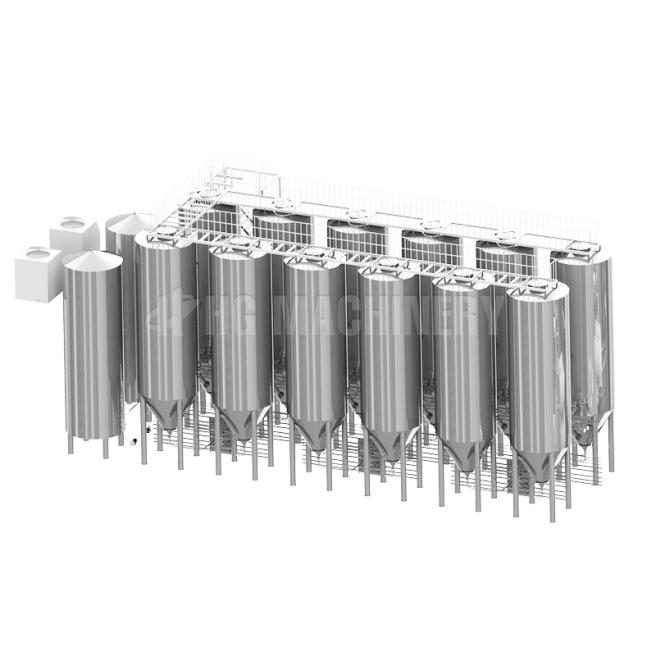
- The quantity and volume of fermentation tanks.
- Cooling capacity and cleaning requirements.
- Packaging speed and finished beer storage.
Identify the Beer Types and Brewing Processes You Plan to Use
Different beer styles may require different recipes, fermentation conditions, and production schedules. Therefore, identifying your product range is an important step before equipment configuration.For example, Lager, Ale, Stout, and IPA may have different fermentation temperatures, yeast requirements, and conditioning periods. These differences can affect tank scheduling and production management.
You should clarify:
- Which beer styles will be included in your initial product range?
- Will you produce several styles using the same brewing system?
- Do different products require separate fermentation arrangements?
- How frequently will you switch between recipes?
- Will your product range expand in the future?
The brewing process and equipment arrangement should be designed around your actual recipes and production plans, not simply selected from a standard equipment list.
Determine Your Packaging Formats and Production Requirements
Packaging requirements should be confirmed before the complete brewery system is finalized. The packaging format affects equipment selection, production space, and the flow of finished beer.Common commercial beer packaging formats include:
- Glass bottles for retail distribution and other sales channels.
- Aluminum cans for convenient storage, transportation, and distribution.
- Kegs for bars, restaurants, and draft beer supply.
You should also estimate your expected packaging volume and required output per hour. This helps determine whether the filling system can keep pace with the brewing and fermentation schedule.
Consider future requirements as well. If you initially plan to package only in kegs but expect to introduce bottled or canned beer later, discuss this possibility during the planning stage.
Assess Your Brewery Facility and Utility Conditions
Your building conditions directly affect equipment layout and installation planning. Before finalizing the brewery design, provide accurate information about the available facility and its utility supply.Available Building Space and Layout
Start with the basic building dimensions, including floor area, ceiling height, and equipment access points.Other important details include:
- Available space for raw material storage.
- Areas for brewing, fermentation, and beer storage.
- Space required for filling and packaging.
- Equipment transportation and installation access.
- Maintenance clearance and operator walkways.
- Floor drainage and wastewater arrangements.
If you are using an existing building, its structural and installation conditions should be assessed before equipment dimensions are finalized. Our guide to setting up a beer manufacturing plant also highlights the importance of coordinating facility conditions with production equipment.
Water, Electricity, Steam, and Cooling
A commercial brewery needs more than brewing vessels. Supporting utilities must also meet the requirements of the complete production system.Prepare information about:
- Water supply: Available water volume, pressure, and quality.
- Electricity: Voltage, frequency, and available power capacity.
- Heating: Whether steam, electric heating, or another suitable method is preferred.
- Cooling: Requirements for glycol cooling and fermentation temperature control.
- Compressed air: Availability and expected operating requirements.
- Drainage: Floor drainage and wastewater discharge conditions.
- Cleaning: Water supply and space for CIP equipment.
Choose the Right Automation and Operating Configuration
Automation should match your production scale, operating team, and process requirements. A highly automated system is not always necessary for every brewery.Before selecting a control configuration, consider how you want to manage the main production stages.
For example, your requirements may include:
- Temperature control during mashing and fermentation.
- Automated or assisted operation of pumps and valves.
- Centralized monitoring of brewing processes.
- CIP cleaning control.
- Production data monitoring and process management.
You should also consider the experience of your operating team. The control system needs to be practical for daily use, maintenance, and troubleshooting.
For projects that require more centralized process management, an automatic brewery system solution can help connect brewing, fermentation, cleaning, and other production operations.
Prepare Your Project Budget and Equipment Priorities
A clear budget helps determine the appropriate equipment configuration and project scope. However, the initial equipment purchase should not be the only cost considered.Your planning should account for the major production systems and their supporting requirements, including:
- Brewhouse and fermentation equipment.
- Bright beer tanks and cooling systems.
- CIP cleaning equipment.
- Pumps, valves, and process connections.
- Filling and packaging machinery.
- Automation and electrical control systems.
- Installation, commissioning, and operator training where included in the project scope.
When comparing proposals, check whether suppliers are quoting the same equipment scope and service responsibilities. A lower equipment price may not include all the supporting systems required for a complete production setup.
Actual project costs depend on capacity, equipment specifications, automation, packaging requirements, and the agreed delivery scope. Contact us with your project details to discuss a suitable configuration and quotation.
Work with HGMC to Develop Your Turnkey Brewery Solution
Once your project requirements are clear, the next step is to turn them into an equipment and process plan.At HGMC, we develop commercial brewery solutions around each customer's production goals, brewing processes, facility conditions, and operating requirements. We consider the relationship between the brewhouse, fermentation tanks, cooling, CIP, automation, and packaging equipment to create a coordinated production system.
To help us evaluate your project, prepare the following information:
- Target daily or annual beer production.
- Planned beer styles and brewing processes.
- Required packaging formats.
- Available building dimensions and facility conditions.
- Local utility supply information.
- Preferred automation level.
- Initial budget range and future expansion plans.
A well-prepared project makes it easier to select suitable equipment and coordinate each production stage. If you are planning a new commercial brewery, contact HGMC to discuss your requirements and develop a turnkey brewery solution that fits your production plans.