Nov. 05, 2026
News
How Automatic Beer Making Equipment Supports Bar Operations
Automatic beer making equipment for bar operations allows businesses to produce fresh beer on-site while simplifying daily brewing tasks. Instead of relying entirely on purchased beer, bars and brewpubs can develop their own beer menus and manage production according to customer demand.
However, running a brewery inside a bar involves more than installing brewing machines. Production schedules, fermentation capacity, storage space, and customer service must work together. The right equipment configuration can help businesses balance beer production with daily operations.
For example, a bar may produce lager, pale ale, wheat beer, or stout to create a more varied menu. Seasonal and limited-release beers can also help attract customers interested in trying different flavors.
This requires proper coordination between brewing capacity, fermentation time, and finished beer storage. Production should be planned according to actual demand to avoid shortages or excessive inventory.
Some production tasks can be completed before peak service periods. This helps reduce interference between brewing activities and customer service.
Automated equipment can also simplify selected routine operations, allowing staff to monitor production without performing every adjustment manually.
Each product may have its own recipe, fermentation schedule, and maturation time. A clear production plan helps employees track different batches and maintain an appropriate supply of each beer.
Finished beer needs to move from fermentation and storage to the serving area under suitable conditions. A well-organized layout helps reduce unnecessary transfers and makes daily beer service easier to manage.
For example:
Popular beers may need more frequent production, while specialty beers may require smaller batches. Proper scheduling helps reduce stock shortages and unnecessary finished beer inventory.
Bars can adjust their production plans according to customer feedback, seasonal demand, and promotional activities. This provides more flexibility when introducing new products without making permanent changes to the main beer menu.
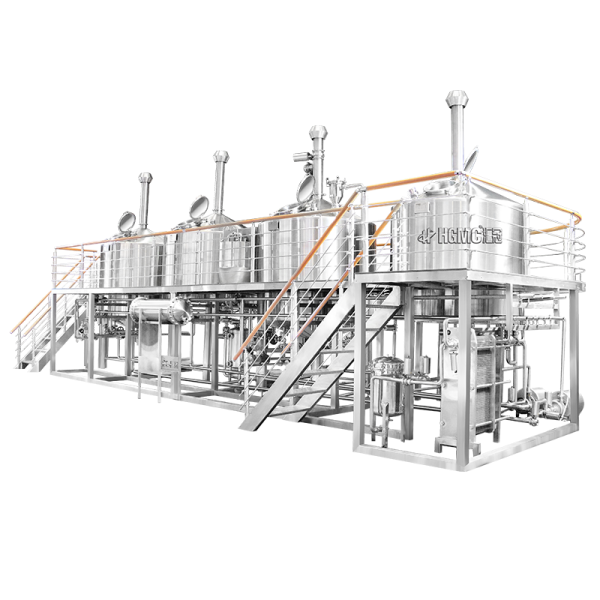
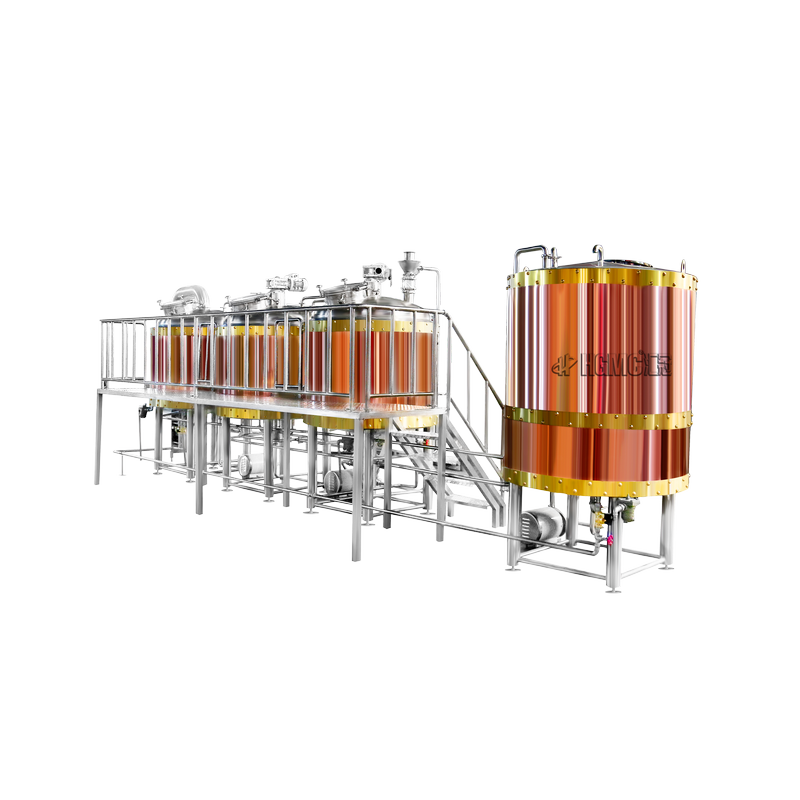
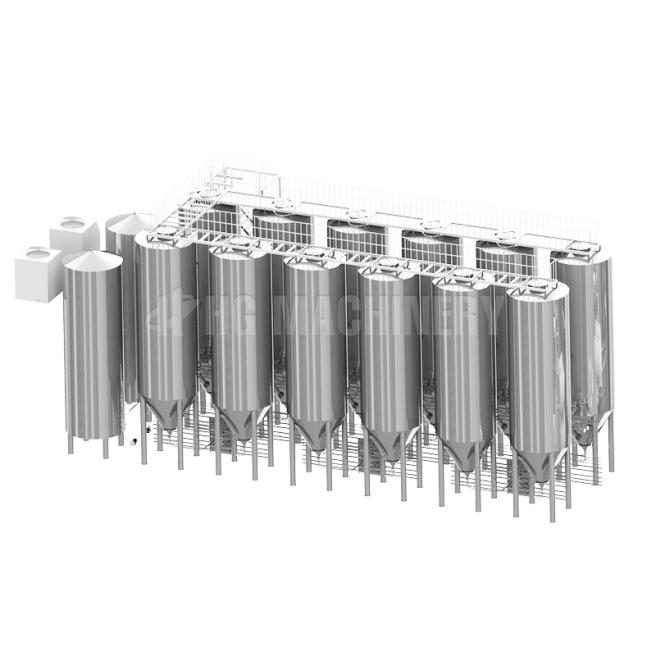
A suitable configuration may include a small brewhouse, several fermentation tanks, cooling equipment, and basic cleaning facilities. The number and capacity of tanks should match the planned beer selection and production schedule.
Multiple tanks can support different beer styles and production batches. Selected automated functions can also help employees manage recurring production tasks more efficiently.
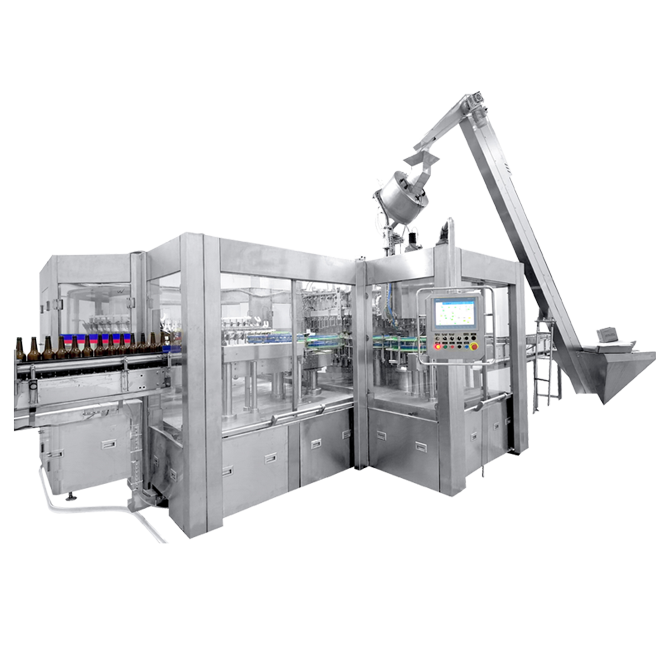
Production capacity, fermentation space, storage, and packaging equipment become more important as distribution requirements increase. Automation can support coordinated production, while the overall system should allow room for future expansion.
You can explore our commercial brewery equipment to learn more about available system configurations.
The right system depends on the bar's production goals, available space, beer selection, and staffing arrangements. With more than 20 years of industry experience, HGMC provides commercial brewing equipment and customized solutions, from individual machines to complete brewery projects.
If you are planning an on-site brewing operation for your bar or brewpub, contact HGMC to discuss your equipment requirements and production plans.
However, running a brewery inside a bar involves more than installing brewing machines. Production schedules, fermentation capacity, storage space, and customer service must work together. The right equipment configuration can help businesses balance beer production with daily operations.
From Purchased Beer to On-Site Brewing in Bars
Traditional bars usually purchase finished beer from breweries and distributors. On-site brewing offers another business model by allowing bars to produce selected beer styles within their own facilities.Creating a Distinctive Beer Menu
Producing beer on-site gives bars more flexibility in developing their beverage selection. They can offer signature beers that reflect their brand and customer preferences.For example, a bar may produce lager, pale ale, wheat beer, or stout to create a more varied menu. Seasonal and limited-release beers can also help attract customers interested in trying different flavors.
Managing Fresh Beer Supply
On-site production gives businesses more control over brewing schedules and available beer styles. Instead of depending entirely on external deliveries, bars can plan production around expected sales.This requires proper coordination between brewing capacity, fermentation time, and finished beer storage. Production should be planned according to actual demand to avoid shortages or excessive inventory.
How Automatic Brewing Fits into a Bar's Working Routine
A bar has different operating priorities from a traditional brewery. Employees need to serve customers, manage orders, clean service areas, and maintain beverage quality. Brewing tasks should fit around these responsibilities.Brewing Around Business Hours
Brewing operations can be scheduled according to the bar's opening hours and staffing arrangements.Some production tasks can be completed before peak service periods. This helps reduce interference between brewing activities and customer service.
Automated equipment can also simplify selected routine operations, allowing staff to monitor production without performing every adjustment manually.
Managing Multiple Beer Styles
Bars offering several beer styles need to consider different brewing and fermentation requirements.Each product may have its own recipe, fermentation schedule, and maturation time. A clear production plan helps employees track different batches and maintain an appropriate supply of each beer.
Coordinating Brewing and Serving
Brewing equipment, fermentation tanks, storage vessels, and draft systems should be planned as connected parts of the operation.Finished beer needs to move from fermentation and storage to the serving area under suitable conditions. A well-organized layout helps reduce unnecessary transfers and makes daily beer service easier to manage.
What Can Bar Owners Automate Beyond the Brewing Process?
Automation is useful not only during brewing but also in routine production management. For bars with limited staff, reducing repetitive tasks can make daily operations easier.- Production Scheduling: Organize brewing tasks according to beer demand and available equipment.
- Temperature Management: Maintain suitable fermentation conditions with automatic temperature control.
- Cleaning Operations: Use appropriate CIP equipment to standardize cleaning procedures and reduce manual work.
- Equipment Monitoring: Monitor important operating conditions and identify equipment abnormalities in time.
How Does an Automatic Brewery Support a Bar's Beer Menu?
An on-site brewing system should support the types of beer a bar plans to sell. The equipment configuration and production schedule need to match the menu rather than simply maximize machine capacity.Producing Different Beer Styles
Different beer styles require different recipes and fermentation conditions.For example:
- Lager: Often requires controlled fermentation and additional maturation time.
- Pale Ale: Requires suitable temperature management and attention to hop additions.
- Wheat Beer: Needs a brewing process suited to its ingredients and desired flavor profile.
- Stout: Requires an appropriate recipe and fermentation process to achieve its intended characteristics.
Maintaining a Consistent Beer Supply
A varied beer menu requires more than one brewing batch. Bars should plan fermentation capacity and storage according to the expected sales volume of each product.Popular beers may need more frequent production, while specialty beers may require smaller batches. Proper scheduling helps reduce stock shortages and unnecessary finished beer inventory.
Supporting Seasonal and Limited Releases
On-site brewing can also support seasonal products and limited beer releases.Bars can adjust their production plans according to customer feedback, seasonal demand, and promotional activities. This provides more flexibility when introducing new products without making permanent changes to the main beer menu.
How Much Space Does a Bar Brewery Need?
Space planning is an important consideration when installing automatic beer making equipment for bar operations. Brewing equipment must fit the available building area while leaving enough room for employees, cleaning, and maintenance.Brewing Area
The brewing area needs sufficient space for the brewhouse, ingredient handling, and routine operations. Equipment arrangement should allow convenient access to vessels, pumps, and piping connections.Fermentation Area
Fermentation tanks require space for installation, temperature-control connections, and maintenance. Their height and diameter should be checked against ceiling clearance, door dimensions, and transportation routes.Storage and Serving Area
Finished beer storage should be coordinated with the bar's draft system and serving requirements. The distance between storage vessels and dispensing points can affect piping arrangements and cooling requirements.Utility Requirements
Before installation, confirm the availability of:- Water supply and drainage.
- Electrical power and heating facilities.
- Cooling capacity and ventilation.
- Cleaning access and maintenance space.
Building an Automatic Beer Making System for Different Bar Sizes
Different bars have different production targets and available spaces. Equipment should be configured according to business scale, beer demand, and future development plans.Small Brewpub Operations
Smaller brewpubs generally need a compact brewing system with a manageable production capacity.A suitable configuration may include a small brewhouse, several fermentation tanks, cooling equipment, and basic cleaning facilities. The number and capacity of tanks should match the planned beer selection and production schedule.
Medium-Sized Bar Operations
Medium-sized operations may require greater brewing capacity and more fermentation space.Multiple tanks can support different beer styles and production batches. Selected automated functions can also help employees manage recurring production tasks more efficiently.
Large Brewpub or Multi-Location Supply
Larger brewpubs or businesses supplying multiple locations may need a more complete commercial brewing system.Production capacity, fermentation space, storage, and packaging equipment become more important as distribution requirements increase. Automation can support coordinated production, while the overall system should allow room for future expansion.
What Should Be Planned Before Installing Bar Brewing Equipment?
A successful installation starts with a clear understanding of business requirements. Before purchasing equipment, bar owners should consider the following points:- Estimate Beer Demand: Evaluate customer traffic, average beer sales, popular styles, and seasonal changes.
- Confirm Installation Conditions: Check available space, building access, water supply, drainage, electricity, and cooling facilities.
- Define Automation Requirements: Decide which production tasks should be automated based on staffing and brewing needs.
- Plan Future Expansion: Consider whether the business may introduce more beer styles, increase output, or supply additional locations.
You can explore our commercial brewery equipment to learn more about available system configurations.
Conclusion
Automatic beer making equipment helps bars establish a more organized on-site brewing operation. Its value goes beyond reducing manual work. It also supports beer menu development, production scheduling, inventory planning, and a more consistent supply of fresh beer.The right system depends on the bar's production goals, available space, beer selection, and staffing arrangements. With more than 20 years of industry experience, HGMC provides commercial brewing equipment and customized solutions, from individual machines to complete brewery projects.
If you are planning an on-site brewing operation for your bar or brewpub, contact HGMC to discuss your equipment requirements and production plans.