Nov. 04, 2026
News
Brewing Equipment for Sale in China | Manufacturer Guide
Brewing equipment for sale in China has become an option worth considering for breweries planning new production facilities or upgrading existing systems. But with different manufacturers offering various equipment configurations, technical capabilities, and project services, how can buyers identify the right supplier?
China's brewing equipment market includes manufacturers serving craft breweries, commercial breweries, and large-scale beer production facilities. This guide introduces several Chinese brewing equipment manufacturers, explains the practical advantages of sourcing equipment from China, and outlines the key factors to consider before making a purchasing decision.
Its brewhouse options include electric, steam-heated, and multi-vessel configurations. Buyers can also explore customized stainless steel tanks and complete brewery systems.
Cassman is worth comparing when a project requires a combination of individual equipment and customized brewing configurations.
Its product range covers different brewing capacities, with options for both individual equipment purchases and integrated production systems.
For buyers comparing suppliers, DEGONG provides another example of a manufacturer offering equipment across several stages of beer production.
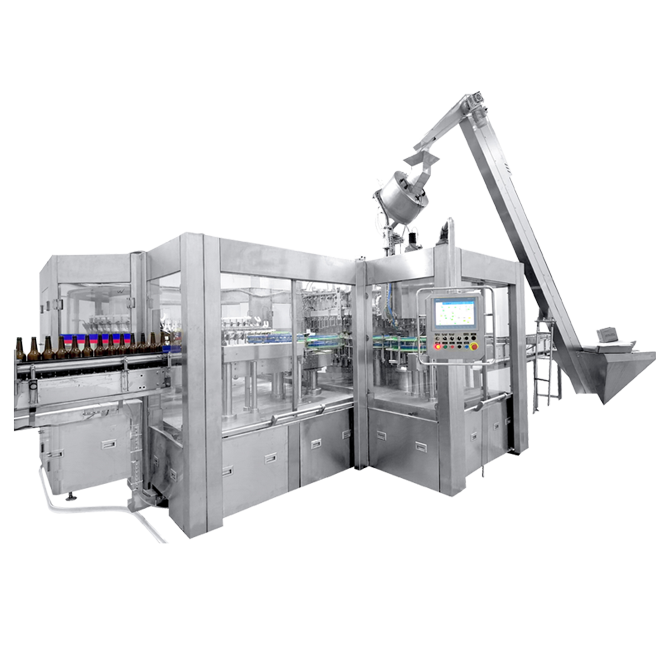
Our product range includes brewing systems with different capacities and vessel configurations, as well as equipment for bottling, canning, and kegging. We also support projects ranging from individual equipment supply to complete brewery solutions.
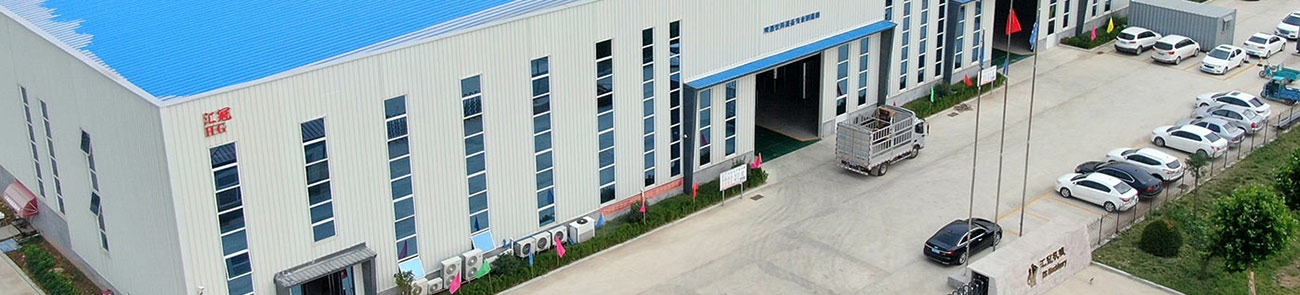
With more than 20 years of industry experience, HGMC serves international customers with equipment and solutions based on their production requirements.
When comparing these manufacturers, buyers should look beyond product names. Manufacturing capability, engineering support, equipment specifications, and project coordination are more useful indicators of whether a supplier is suitable for a particular brewery.
For brewery projects, this supply chain can make it easier to coordinate different equipment categories. Brewhouses, fermentation tanks, cooling systems, and packaging equipment can be sourced and integrated according to the project scope.
This is particularly useful when a buyer needs more than one type of equipment.
Chinese manufacturers offer a range of equipment configurations, from two-vessel and three-vessel brewhouses to larger multi-vessel systems. Tank dimensions, capacities, connections, and auxiliary equipment can also be discussed during project planning.
This flexibility allows buyers to develop a system around their actual production needs instead of selecting equipment based only on standard models.
Depending on the manufacturer's capabilities, buyers may be able to source brewhouses, fermentation equipment, filtration systems, and filling lines through one supplier. This can simplify communication between equipment stages and reduce the work involved in coordinating multiple vendors.
At HGMC, we support both individual equipment requirements and broader brewery projects. Our solutions can cover brewing, fermentation, and packaging processes according to the project's scope.
Buyers can communicate production requirements, review equipment drawings, confirm material specifications, and discuss changes before manufacturing begins. This is especially important for customized systems, where small differences in dimensions or connections can affect installation.
However, direct purchasing does not automatically guarantee better service. Buyers should still confirm who is responsible for engineering, installation guidance, commissioning, and after-sales support.
The more useful approach is to compare the equipment configuration and project services behind each quotation.
Local manufacturing resources and supply chains can provide different equipment configurations for different investment levels. Buyers may also have more flexibility when combining standard equipment with customized components.
European equipment can carry a different cost structure due to brand positioning, engineering specifications, manufacturing costs, and service arrangements.
However, a lower quotation does not always mean a lower total project cost. Material specifications, automation, transportation, installation, and spare parts should all be considered before comparing offers.
The actual difference depends on the supplier's engineering team and manufacturing capabilities. Some projects require standard brewhouse configurations, while others need adjustments to tank dimensions, pipe connections, heating systems, or equipment layouts.
Before ordering, buyers should confirm that the proposed design matches the brewing process and available factory space.
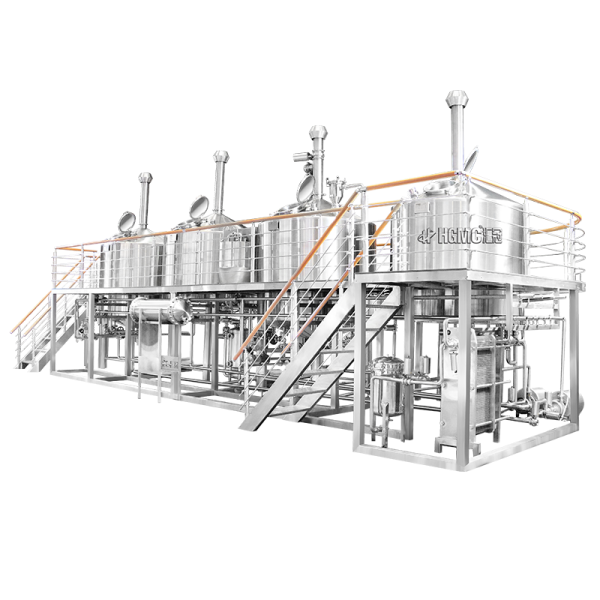
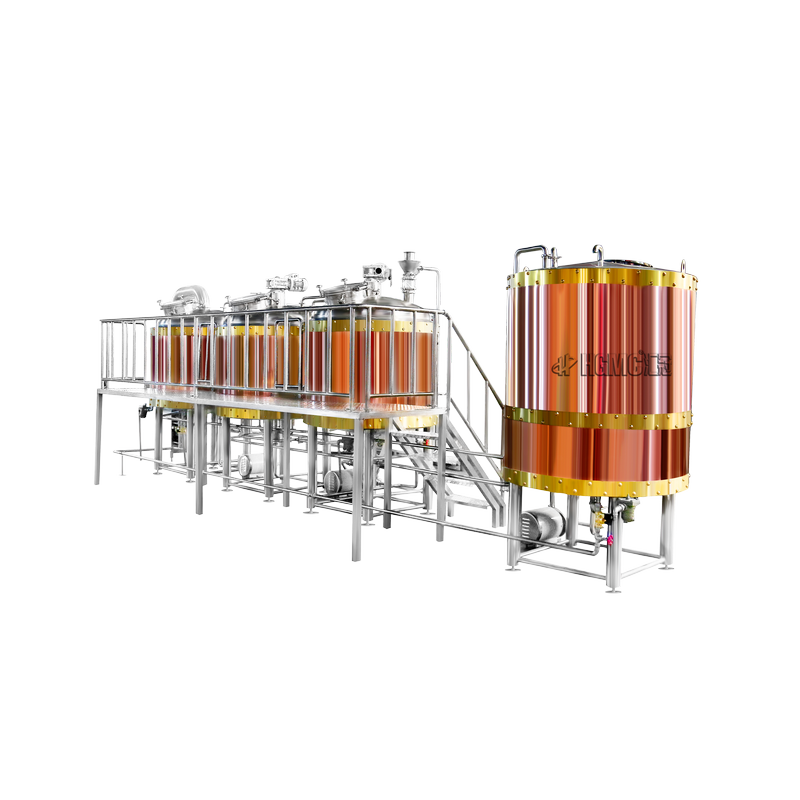
At HGMC, we offer different brewhouse configurations and equipment capacities for commercial production. Buyers can review our commercial brewhouse systems to understand the available system options.
A brewery system may use manual controls, semi-automatic operation, or a more integrated control system. The appropriate level depends on production volume, labor arrangements, process requirements, and the operator's experience.
Chinese-made equipment is not necessarily less automated than European equipment. Both can use different PLC systems, electrical components, sensors, and control configurations.
Buyers should check the actual control system, available functions, operating interface, and integration requirements instead of assuming that automation quality depends on manufacturing location.
Some European manufacturers have established service networks in international markets. Chinese manufacturers may offer direct factory communication, remote technical assistance, installation guidance, and spare parts coordination.
Neither approach is automatically better for every buyer. The important questions are whether the supplier can support the destination country, how technical issues are handled, and what services are included in the contract.
Ask about its production facilities, stainless steel processing, welding, polishing, assembly, and inspection procedures. You can also request relevant production records or arrange a factory inspection when practical.
The goal is to understand how much control the supplier has over manufacturing quality and delivery.
Review whether the supplier can provide or coordinate:
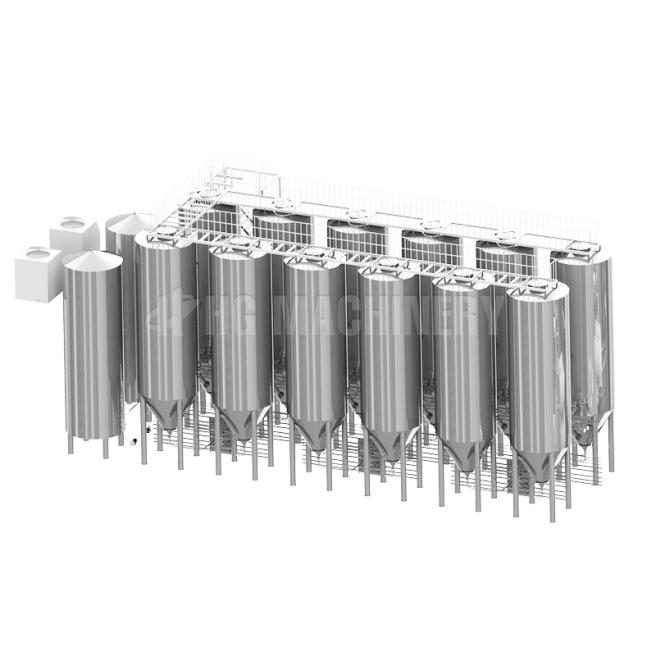
HGMC provides equipment for several of these production stages, including fermentation tanks. The required tank capacity and quantity should be determined by the brewery's production plan.
Ask for relevant project references and clarify the supplier's responsibilities before signing a contract. If the project involves customized equipment, confirm that the final drawings and technical specifications are approved before manufacturing starts.
Several factors have a direct influence on the quotation.
For an accurate estimate, prepare your target production capacity, preferred beer styles, packaging format, and factory conditions before requesting a quotation. HGMC can then discuss suitable equipment configurations based on the project requirements.
Chinese manufacturers offer a range of options for commercial breweries, from individual machines to integrated production systems. The key is to compare each supplier's actual manufacturing and engineering capabilities rather than relying only on product descriptions or initial quotations.
At HGMC, we provide commercial brewing equipment, fermentation systems, and filling and packaging solutions. With more than 20 years of industry experience, we support projects with different production requirements, from individual equipment orders to complete brewery configurations.
If you are planning a new brewery or expanding an existing facility, share your target capacity, beer types, packaging requirements, and factory layout with our team. You can contact HGMC to discuss suitable equipment options and request a project-specific quotation.
China's brewing equipment market includes manufacturers serving craft breweries, commercial breweries, and large-scale beer production facilities. This guide introduces several Chinese brewing equipment manufacturers, explains the practical advantages of sourcing equipment from China, and outlines the key factors to consider before making a purchasing decision.
Which Chinese Brewing Equipment Manufacturers Are Worth Considering?
China has several manufacturers supplying commercial brewing systems to international markets. Their product ranges, project experience, and areas of specialization are not exactly the same.The following companies provide useful examples when comparing available options.Cassman
Cassman supplies brewing equipment for different commercial production requirements. Its product range includes brewhouse systems, fermentation tanks, bright beer tanks, and packaging equipment.Its brewhouse options include electric, steam-heated, and multi-vessel configurations. Buyers can also explore customized stainless steel tanks and complete brewery systems.
Cassman is worth comparing when a project requires a combination of individual equipment and customized brewing configurations.
DEGONG
DEGONG focuses on brewing and food processing equipment, including commercial brewhouses, fermentation tanks, beer filtration equipment, and filling systems.Its product range covers different brewing capacities, with options for both individual equipment purchases and integrated production systems.
For buyers comparing suppliers, DEGONG provides another example of a manufacturer offering equipment across several stages of beer production.
HGMC
HGMC provides commercial brewing equipment and related production systems, covering brewhouses, fermentation tanks, bright beer tanks, and filling equipment.Our product range includes brewing systems with different capacities and vessel configurations, as well as equipment for bottling, canning, and kegging. We also support projects ranging from individual equipment supply to complete brewery solutions.
With more than 20 years of industry experience, HGMC serves international customers with equipment and solutions based on their production requirements.
When comparing these manufacturers, buyers should look beyond product names. Manufacturing capability, engineering support, equipment specifications, and project coordination are more useful indicators of whether a supplier is suitable for a particular brewery.
Why Are More Buyers Considering Brewing Equipment from China?
The appeal of Chinese brewing equipment is not limited to its purchase cost. Manufacturing resources, configuration flexibility, and project coordination can also influence sourcing decisions.A Broad Manufacturing Supply Chain
China has an established manufacturing base for stainless steel processing, mechanical components, electrical systems, and industrial equipment.For brewery projects, this supply chain can make it easier to coordinate different equipment categories. Brewhouses, fermentation tanks, cooling systems, and packaging equipment can be sourced and integrated according to the project scope.
This is particularly useful when a buyer needs more than one type of equipment.
Flexible Equipment Configurations
Commercial breweries have different production targets, beer styles, building layouts, and automation requirements.Chinese manufacturers offer a range of equipment configurations, from two-vessel and three-vessel brewhouses to larger multi-vessel systems. Tank dimensions, capacities, connections, and auxiliary equipment can also be discussed during project planning.
This flexibility allows buyers to develop a system around their actual production needs instead of selecting equipment based only on standard models.
More Options for Integrated Projects
Some breweries prefer to purchase individual machines, while others need a coordinated production system.Depending on the manufacturer's capabilities, buyers may be able to source brewhouses, fermentation equipment, filtration systems, and filling lines through one supplier. This can simplify communication between equipment stages and reduce the work involved in coordinating multiple vendors.
At HGMC, we support both individual equipment requirements and broader brewery projects. Our solutions can cover brewing, fermentation, and packaging processes according to the project's scope.
Direct Communication with Manufacturers
Working directly with a manufacturer can make technical discussions more straightforward.Buyers can communicate production requirements, review equipment drawings, confirm material specifications, and discuss changes before manufacturing begins. This is especially important for customized systems, where small differences in dimensions or connections can affect installation.
However, direct purchasing does not automatically guarantee better service. Buyers should still confirm who is responsible for engineering, installation guidance, commissioning, and after-sales support.
Chinese vs. European Brewing Equipment: What Are the Real Differences?
Choosing between Chinese and European brewing equipment should not be based on country of origin alone. Both markets include manufacturers with different technical strengths, product ranges, and price levels.The more useful approach is to compare the equipment configuration and project services behind each quotation.
Manufacturing Cost and Project Budget
One reason buyers consider Chinese manufacturers is the potential for a more flexible project budget.Local manufacturing resources and supply chains can provide different equipment configurations for different investment levels. Buyers may also have more flexibility when combining standard equipment with customized components.
European equipment can carry a different cost structure due to brand positioning, engineering specifications, manufacturing costs, and service arrangements.
However, a lower quotation does not always mean a lower total project cost. Material specifications, automation, transportation, installation, and spare parts should all be considered before comparing offers.
Equipment Design and Customization
Both Chinese and European manufacturers can provide customized brewing systems.The actual difference depends on the supplier's engineering team and manufacturing capabilities. Some projects require standard brewhouse configurations, while others need adjustments to tank dimensions, pipe connections, heating systems, or equipment layouts.
Before ordering, buyers should confirm that the proposed design matches the brewing process and available factory space.
At HGMC, we offer different brewhouse configurations and equipment capacities for commercial production. Buyers can review our commercial brewhouse systems to understand the available system options.
Automation and Control Systems
Automation is another important comparison point.A brewery system may use manual controls, semi-automatic operation, or a more integrated control system. The appropriate level depends on production volume, labor arrangements, process requirements, and the operator's experience.
Chinese-made equipment is not necessarily less automated than European equipment. Both can use different PLC systems, electrical components, sensors, and control configurations.
Buyers should check the actual control system, available functions, operating interface, and integration requirements instead of assuming that automation quality depends on manufacturing location.
Installation and After-Sales Support
Installation and technical support can affect the long-term operation of a brewery.Some European manufacturers have established service networks in international markets. Chinese manufacturers may offer direct factory communication, remote technical assistance, installation guidance, and spare parts coordination.
Neither approach is automatically better for every buyer. The important questions are whether the supplier can support the destination country, how technical issues are handled, and what services are included in the contract.
What Should You Compare Before Choosing a Chinese Brewery Equipment Supplier?
A manufacturer may offer an attractive product range, but that alone does not establish whether it can handle your project. Before making a decision, review the following areas.Manufacturing Capability
First, understand whether the supplier manufactures the main equipment or mainly coordinates orders through external factories.Ask about its production facilities, stainless steel processing, welding, polishing, assembly, and inspection procedures. You can also request relevant production records or arrange a factory inspection when practical.
The goal is to understand how much control the supplier has over manufacturing quality and delivery.
Product Range and System Integration
A brewery depends on several connected processes. Equipment should work together rather than operate as unrelated machines.Review whether the supplier can provide or coordinate:
- Brewhouse systems for mashing, lautering, boiling, and whirlpool operations.
- Fermentation and storage tanks for different production stages.
- Cooling and CIP systems for temperature control and cleaning.
- Filtration equipment where required by the brewing process.
- Filling and packaging equipment for the selected container formats.
HGMC provides equipment for several of these production stages, including fermentation tanks. The required tank capacity and quantity should be determined by the brewery's production plan.
Engineering and Project Experience
Equipment selection is only one part of a brewery project. The supplier may also need to support process planning, equipment layout, pipe connections, installation, and commissioning.Ask for relevant project references and clarify the supplier's responsibilities before signing a contract. If the project involves customized equipment, confirm that the final drawings and technical specifications are approved before manufacturing starts.
How Much Should You Budget for Brewing Equipment from China?
There is no single price for brewing equipment because the total investment depends on the production requirements and equipment configuration.Several factors have a direct influence on the quotation.
- Production capacity: A system designed for a small commercial brewery will have different equipment requirements from a large industrial production facility.
- Equipment configuration: The number of vessels, tank capacities, and auxiliary systems affect the total equipment scope.
- Automation level: Manual, semi-automatic, and fully integrated control systems involve different components and costs.
- Packaging requirements: Bottling, canning, and kegging lines have different equipment and production requirements.
- Project services: Transportation, installation, commissioning, operator training, and after-sales support may affect the overall budget.
For an accurate estimate, prepare your target production capacity, preferred beer styles, packaging format, and factory conditions before requesting a quotation. HGMC can then discuss suitable equipment configurations based on the project requirements.
Find Brewing Equipment That Fits Your Production Goals
The right brewing equipment depends on more than its manufacturing country. Buyers need to consider production capacity, process requirements, automation, equipment integration, and long-term technical support.Chinese manufacturers offer a range of options for commercial breweries, from individual machines to integrated production systems. The key is to compare each supplier's actual manufacturing and engineering capabilities rather than relying only on product descriptions or initial quotations.
At HGMC, we provide commercial brewing equipment, fermentation systems, and filling and packaging solutions. With more than 20 years of industry experience, we support projects with different production requirements, from individual equipment orders to complete brewery configurations.
If you are planning a new brewery or expanding an existing facility, share your target capacity, beer types, packaging requirements, and factory layout with our team. You can contact HGMC to discuss suitable equipment options and request a project-specific quotation.