Aug. 27, 2026
News
Automatic Brewery System Solution for New Commercial Breweries
Launching a new commercial brewery requires more than choosing a brewhouse capacity. You need a connected production system that supports your beer styles, operating team, planned output, utility conditions, and future expansion. An automatic brewery system solution brings these elements together—from malt handling and brewhouse automation to fermentation control, CIP cleaning, and optional packaging.
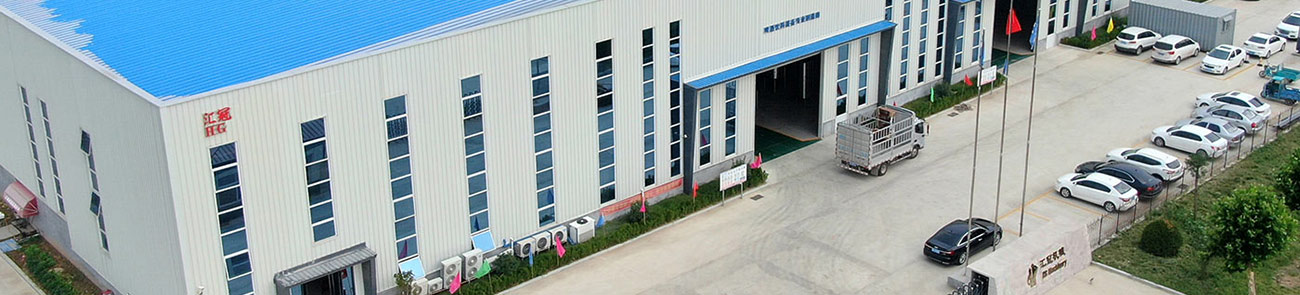
HGMC designs commercial brewing projects around the actual production process, not a one-size-fits-all equipment list. As a manufacturer of brewery equipment and turnkey brewery projects, we help customers define the right level of automation, select compatible equipment, and create a practical layout before production begins. Learn more about HGMC brewery equipment solutions.
What Does an Automatic Brewery System Include?
A commercial automatic brewery system combines process equipment with PLC-based control, sensors, valves, pumps, and operator interfaces. The purpose is to make critical brewing steps repeatable while allowing brewers to maintain control over recipes, quality checks, and production decisions.A complete solution can include:
- Malt milling and material handling equipment
- An automated brewhouse for mashing, lautering, boiling, and whirlpool operations
- Hot-water, cold-water, steam, electrical, and glycol utility systems
- Wort cooling, transfer piping, sanitary pumps, and process valves
- Fermentation tanks and bright beer tanks with individual temperature control
- CIP equipment for standardized internal cleaning
- Central PLC and touchscreen control for brewhouse, fermentation, and cleaning functions
- Bottle, can, or keg packaging equipment when packaged beer is part of the project plan
Why Should New Commercial Breweries Invest in Automation?
Manual brewing can work for small operations, but it becomes more difficult to maintain stable process conditions as production grows. Repeated temperature ramps, transfer sequences, valve changes, cooling actions, and cleaning procedures all depend on consistent execution.An automatic brewery system helps standardize these tasks. It can control mash temperatures and holding times, manage pumps and valves, monitor fermentation temperatures, activate glycol cooling, and guide CIP sequences. This gives operators a clearer view of the process and reduces unnecessary manual intervention.
Automation does not replace the brewer. It gives the brewing team more time to focus on recipe development, sensory evaluation, raw-material management, quality control, and production planning. Automated brewery equipment integrates sensors, valves, and control systems to support repeatable brewing and fermentation conditions with less manual handling. It can also support centralized monitoring for multiple fermentation tanks and standardized CIP routines.
How Automatic Should Your Brewery Be?
“Automatic” can mean very different things in brewery quotations. Before comparing proposals, define which process steps need automated control and which operations should remain manual.Semi-Automatic Brewery Control
Semi-automatic control is suitable for breweries that want reliable temperature control and pump operation while keeping more hands-on control during brewing. It may include:- Temperature controllers for brewhouse vessels and fermentation tanks
- Manual or locally operated valves
- Basic pump and heating controls
- Operator-led process transfers
- Visual readings from gauges and instruments
PLC-Based Brewing Automation
A PLC-based system is designed for breweries that need more consistent production routines. It can include touchscreen operation, programmable temperature steps, pump and valve sequencing, alarms, fermentation control, and cleaning programs.For a new commercial brewery, this level of control is often a practical balance between investment and long-term operating efficiency. HGMC can configure commercial industrial beer brewing equipment with Siemens PLC and touchscreen options, process control components, temperature control, and semi-automatic or fully automatic operating modes according to project requirements. These systems are available from 500L to 100,000L per batch.
Fully Automatic Brewery Operation
A fully automatic configuration can extend control to more pneumatic valves, automated transfer paths, programmed brewhouse sequences, CIP procedures, centralized cellar management, and optional remote monitoring. It is especially relevant for breweries with higher production frequency, larger tank farms, more than one shift, or a need for strict process standardization.However, the best solution is not always the one with the highest automation level. Your brewery should invest in automation where it improves process consistency, safety, sanitation, staffing efficiency, and future scalability.
Which Equipment Should Be Planned Together?
A brewery is a production system. Choosing individual machines without considering process flow can create bottlenecks, inefficient cleaning routes, inadequate cooling capacity, or difficult expansion later.Automated Brewhouse
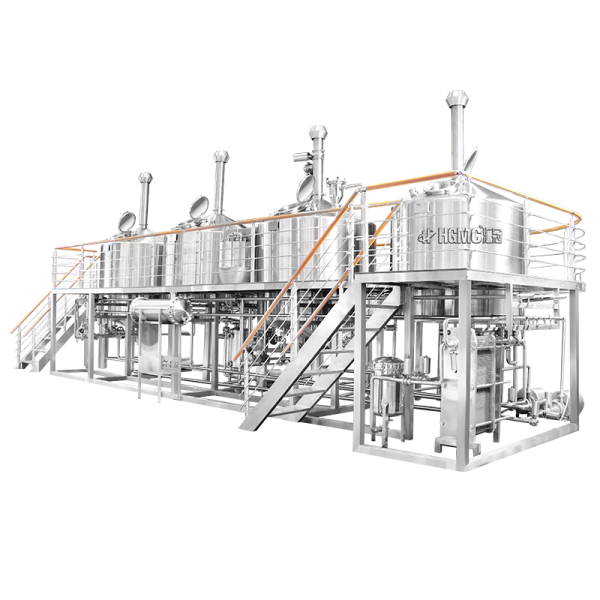
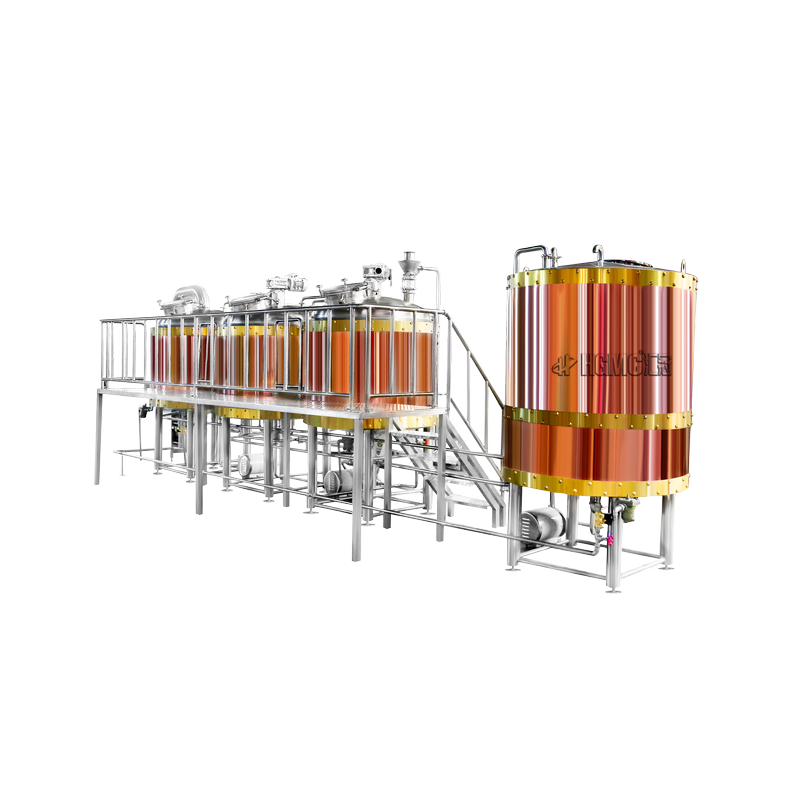
The brewhouse is where mash conversion, lautering, boiling, and whirlpool separation take place. Its vessel configuration, heating method, automation level, and batch capacity should match your beer portfolio and planned brew schedule.HGMC provides commercial industrial beer brewing equipment with mash tun, lauter tun, kettle, and whirlpool configurations. Steam heating, direct-fire heating, and electrical options can be selected according to local utility conditions and process requirements. The system can be configured for semi-automatic or fully automatic operation.
When evaluating an automated brewhouse, ask:
- How many brews per day are required?
- Which beer styles need longer mash schedules or special process control?
- What heating source is available at the facility?
- Which transfers should be automated?
- Are pump, valve, and safety interlocks clearly defined?
- Can the control system support future vessel additions or higher production frequency?
Fermentation and Cellar Control
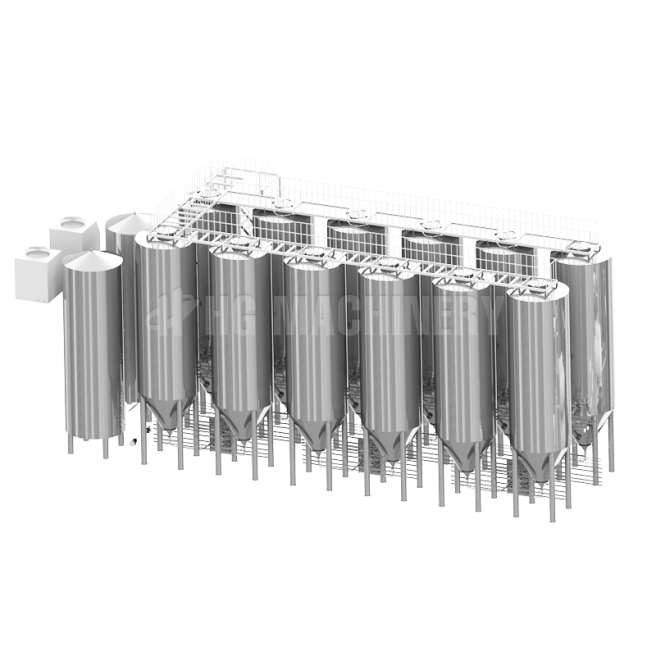
Brewhouse automation alone cannot ensure consistent beer quality. Fermentation is where recipe performance, yeast behavior, cooling control, pressure management, and maturation time need close attention.A well-designed cellar includes fermentation tanks sized around the brew length and fermentation cycle. Tank quantity should be calculated from the brewery’s product mix, production schedule, and expected growth—not just the initial brewhouse capacity.
HGMC designs fermentation systems from micro-scale to large-scale brewery projects, with customized pipeline configurations intended to improve operating efficiency and energy performance. The company’s yeast propagation system also uses PLC automatic control and is designed to provide a consistent, reliable supply of propagated yeast.
CIP Cleaning System
Cleaning should be designed as part of the brewery system, not added after the main equipment has been selected. A CIP system can help standardize cleaning cycles for brewhouse vessels, fermentation tanks, bright beer tanks, and process piping.For automated CIP, specify the cleaning circuits, cleaning media, target temperature, cleaning time, pump capacity, return paths, and operator safety measures. A well-planned system supports sanitation consistency while reducing unnecessary manual chemical handling.
What Should You Confirm Before Requesting a Proposal?
A clear project brief helps suppliers provide a system that matches your actual needs. Before requesting an automatic brewery system solution, prepare the following information:- Target annual output and required batch capacity
- Beer styles and expected fermentation cycles
- Expected brews per week or per day
- Available building area, ceiling height, drainage, and loading access
- Heating source, power supply, water quality, glycol requirements, and compressed-air availability
- Preferred packaging format: draft, keg, bottle, can, or a combination
- Planned launch date and future capacity expansion target
- Preferred automation scope for brewhouse, cellar, CIP, and packaging
- Local compliance requirements for electrical systems, pressure vessels, and food production
How Does HGMC Deliver a Turnkey Brewery Project?
HGMC provides integrated services from individual equipment supply to complete brewery projects. Our design team can recommend equipment models, prepare process flow diagrams, create layout drawings, conduct cost and benefit analysis, and develop a suitable equipment solution based on each customer’s production requirements.For commercial brewery projects, our scope can cover:
- Milling, brewhouse, fermentation, yeast propagation, and CIP systems
- Central control systems with multilingual operation capability
- CO(2) recovery and public utility equipment, including chillers, boilers, and air compressors
- Bottle, can, and keg filling equipment
- Layout and process design
- Equipment manufacturing, installation, commissioning, and technical training
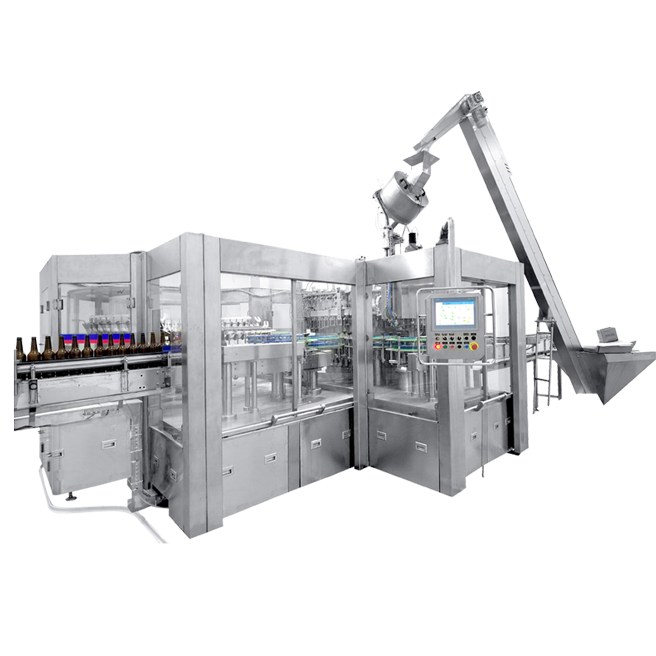
For breweries moving into packaged distribution, HGMC can also integrate automated filling solutions for glass bottles and cans. Available line configurations cover 7,000 to 36,000 bottles or cans per hour, with equipment such as depalletizers, rinsing, filling, capping or seaming units, tunnel pasteurizers, dryers, labelers, coders, case packers, and palletizers.
How Can You Build for Future Expansion?
New breweries should not only be designed for launch day. A scalable automatic brewery system solution can help reduce future disruption when production grows.Plan ahead for:
- Space for additional fermentation and bright beer tanks
- Extra glycol cooling capacity or expansion connections
- Reserved PLC I/O points and electrical panel capacity
- Pipe connections for future cellar or packaging additions
- Floor-space and logistics allowances for cans, bottles, pallets, and finished products
- Additional CIP circuits for new tanks or packaging equipment
Get a Brewery Solution Built Around Your Production Plan
The right automatic brewery system solution is built around your production plan—not a generic equipment package. Your brewhouse capacity, fermentation schedule, automation requirements, utility conditions, packaging route, and expansion goals should work together as one system.HGMC can help you develop an integrated brewery solution from process design and equipment selection to manufacturing, installation, commissioning, and training. Share your target capacity, beer styles, building information, utility conditions, packaging plan, and preferred automation level to receive a tailored commercial brewery proposal.