Sep. 01, 2026
News
How to Choose the Right Brewery Solution by Capacity
Choosing a brewery solution starts with a production plan, not a single equipment model. The right configuration must connect your expected sales volume with brewhouse batch size, fermentation capacity, packaging requirements, utility conditions, available floor space, and a realistic expansion path.
For a commercial brewery, production capacity is more than the volume produced in one brew. It is the volume that can move consistently through mashing, fermentation, conditioning, packaging, and dispatch without one stage restricting the next. A properly planned brewery solution should therefore be designed as one coordinated production system rather than a collection of separately selected tanks and machines.
What Should You Define Before Sizing a Brewery?
The first step is to clarify what the brewery needs to produce and how that beer will reach the market. A capacity target becomes useful only when it is connected to an operating plan.Start with the expected annual output, then break it into monthly and weekly production targets. This gives the project team a clearer view of how many brews will be required in an average week and how output may change during peak seasons.
The following questions shape the equipment configuration:
- What annual and monthly production volume is required?
- How many brew days are available each week?
- Which beer styles will be produced, and how long will each occupy a fermentation tank?
- How many core brands and seasonal products will run at the same time?
- Will the brewery sell mainly through kegs, cans, bottles, or a combination of formats?
- Is the project intended for current demand only, or for phased market expansion?
- What space, water, steam, electrical power, refrigeration, drainage, and compressed-air resources are available?
How Does Production Target Determine Brewhouse Size?
The brewhouse is the starting point of daily production, so its batch volume and brewing frequency must work together. A simple planning relationship is:Daily Brewhouse Output = Batch Size × Brews Per Day
For example, a brewery targeting a larger weekly output may reach that goal with a larger single batch, multiple brews per day, or a combination of both. The best option depends on the production schedule, staffing plan, recipe portfolio, available utilities, and how much flexibility the brewery needs.
A brewery producing a limited range of core beers may benefit from a system that supports repeated, efficient batches. A brewery with frequent recipe changes, small seasonal releases, or pilot development requirements may place more value on flexible operation and faster cleaning transitions.
The number of vessels also matters:
- A 2-vessel system can suit projects with simpler production schedules and lower daily brewing frequency.
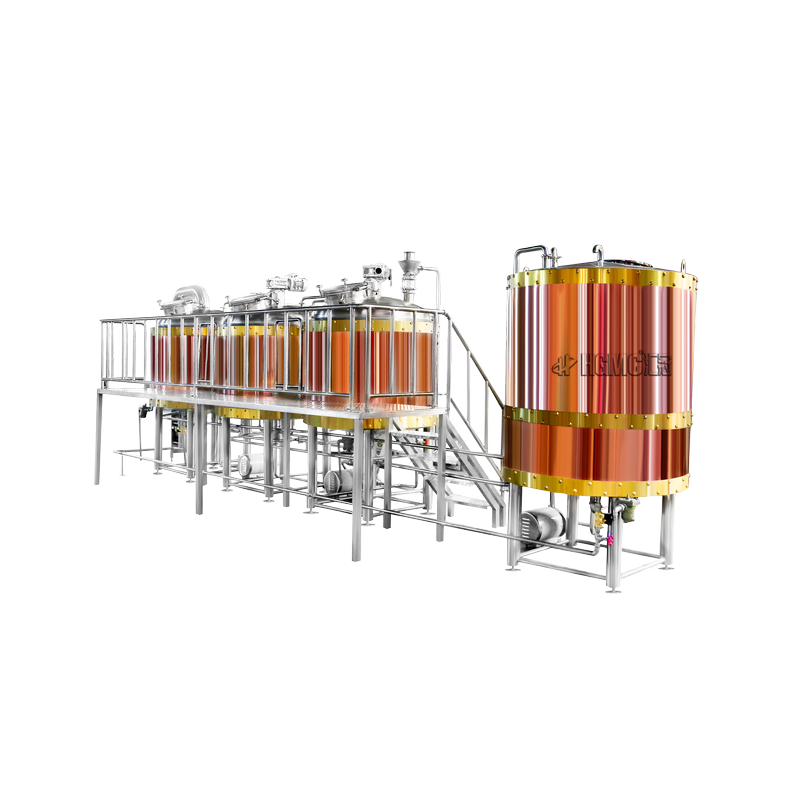
- A 3-vessel configuration can provide a more continuous workflow by separating key process stages.
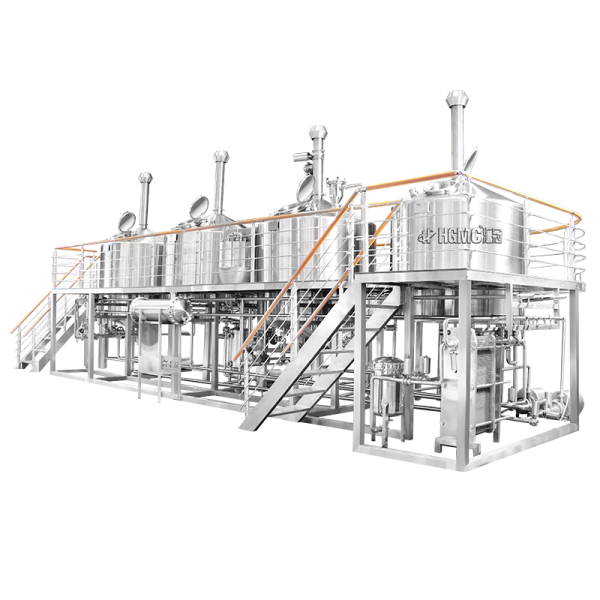
- A 4-vessel or higher configuration can support higher-output operations that need more parallel processing and reduced turnaround time between brews.
Why Must Fermentation Capacity Be Planned With the Brewhouse?
A brewhouse can produce wort in a few hours, but beer remains in fermentation and conditioning tanks for much longer. This makes the cellar one of the most important factors in real production capacity.If fermentation space is insufficient, brewhouse output cannot be converted into finished beer on schedule. The brewery may have the ability to brew more batches, but no available tank capacity to receive them. Conversely, installing a large tank farm without a suitable brewhouse, packaging plan, or sales schedule can leave capital equipment underused.
When planning fermentation capacity, consider:
- Brewhouse batch volume
- Brews planned per week
- Fermentation and maturation time for each beer style
- Number of beers produced simultaneously
- Dry hopping, clarification, carbonation, and conditioning requirements
- Seasonal volume changes
- Required buffer capacity for cleaning, maintenance, and production changes
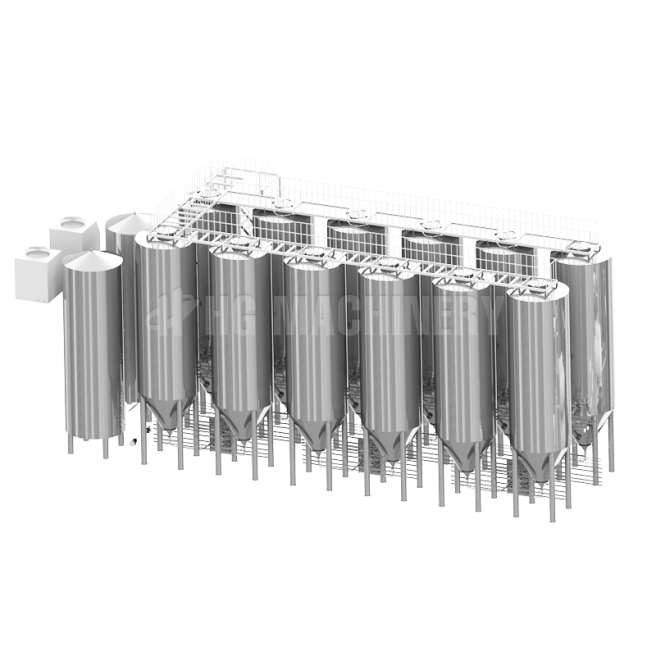
HGMC supplies brewery fermentation tanks in capacities ranging from 300 L to 2,000 L and above 2,000 L, including larger commercial sizes such as 3,000 L, 5,000 L, 10,000 L, 30,000 L, 50,000 L, and 100,000 L. This range supports capacity planning from smaller commercial production through to large-scale brewing operations.
Which Supporting Systems Can Limit Brewery Output?
The brewhouse and fermenters are highly visible parts of a brewery, but they do not operate in isolation. The actual output of the plant depends on the coordination of raw-material handling, yeast management, filtration, cleaning, utilities, packaging, and product movement.Raw Material and Brewhouse Support
Malt handling and milling must feed the brewhouse reliably. An inefficient or poorly matched milling system can affect brew-day workflow and downstream filtration. Hot-water supply, wort cooling, CIP circuits, pumps, valves, and process piping should also be configured around the intended number of brews per day.Fermentation and Yeast Management
For breweries producing multiple brands or maintaining strict consistency across repeated batches, yeast propagation and fermentation control become increasingly important. A planned yeast system can provide a reliable supply of propagated yeast, while appropriately designed piping supports cleaner, more efficient product transfer between process stages.Utilities and Automation
Utilities determine whether the brewery can operate at the planned pace. Refrigeration, steam, compressed air, water treatment, electrical supply, drainage, and CO2 management should be sized alongside the production equipment. Utility capacity should also allow for planned tank additions and future packaging upgrades.Automation provides another layer of production control. Centralized control can support repeatable mashing temperature management, fermentation monitoring, CIP operation, and coordinated equipment operation. HGMC’s self-developed central control system supports multi-language operation and has been applied across more than 2,000 breweries, helping connect process steps within a unified operating structure.
Packaging and Finished Beer Flow
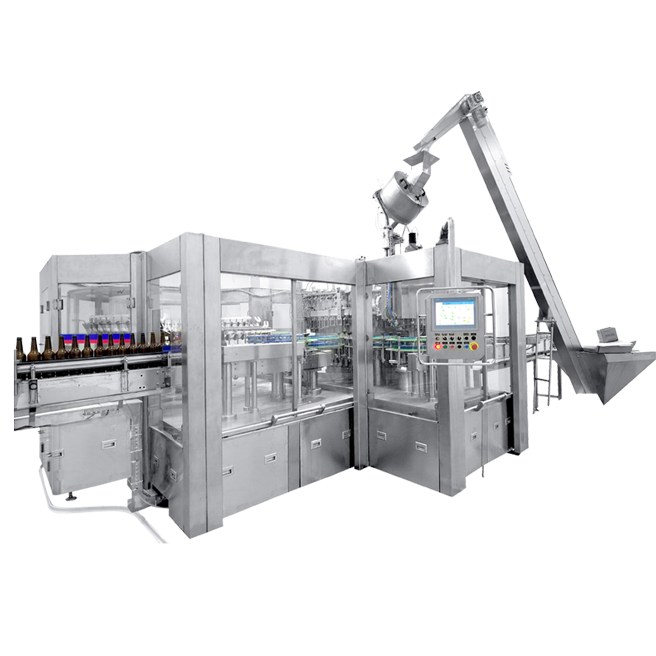
A brewery’s output is only complete when beer can be packaged and dispatched at the required rate. Keg, can, and glass-bottle formats create different requirements for filling equipment, pasteurization, labeling, packing, cold storage, and logistics.HGMC can integrate brewing, fermentation, filling, and packaging equipment into a coordinated project scope. Its filling-line solutions include glass-bottle and canning configurations, which may be installed separately or as an integrated line depending on the production and packaging plan.
How Can You Build Expansion Into the Initial Brewery Layout?
Choosing the right capacity is not simply a question of selecting bigger equipment. A more practical approach is to design for current production targets while preserving a clear route to growth.A scalable brewery layout should consider:
- Floor space and structural allowance for additional fermentation tanks
- Access routes for tank installation, maintenance, and material movement
- Spare utility capacity for refrigeration, power, steam, compressed air, and water
- Pipe connections and valves that can accommodate future extensions
- Adequate drainage, cleaning access, and service clearances
- A control architecture that can incorporate additional tanks and equipment
- Packaging space for a higher-speed line or additional package formats
How Does HGMC Turn Production Goals Into a Brewery Solution?
A brewery solution should begin with the production target and end with an operating plant. HGMC develops solutions around equipment selection, process connection, layout planning, commissioning, and ongoing operational support.For projects requiring a coordinated equipment scope, HGMC can provide systems spanning malt production, brewing, fermentation, filling, and packaging. This integrated capability helps align the capacity of each stage instead of leaving the brewery to reconcile equipment from unrelated sources after purchase.
During the planning stage, the technical team can recommend equipment models based on project requirements, prepare process flow diagrams, and develop layout drawings. These deliverables help the brewery evaluate production flow, equipment placement, utility connections, maintenance access, and future expansion before manufacturing begins.
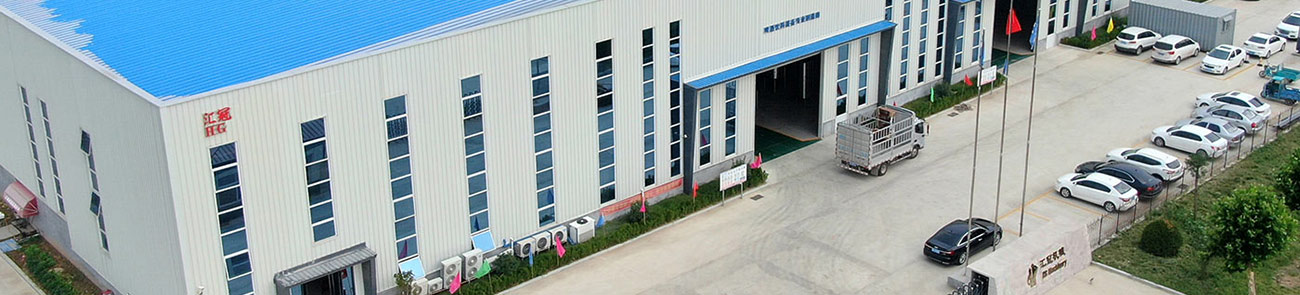
HGMC has more than 20 years of experience in beer and beverage equipment, serves customers in more than 120 countries and regions, and has supported over 5,000 global customers. Its manufacturing base covers more than 30,000 square meters and uses automated production equipment, including fully automatic laser welding technology for brewing equipment fabrication. The company’s equipment portfolio is supported by certifications including ISO, CE, PED, UL, EAC, and SGS, helping projects address the requirements of different international markets.
Project support continues through production-progress tracking, on-site installation and commissioning, brewing and process-technology training, tank warranty coverage, and 7/24 after-sales service supported by more than 100 service personnel.
What Information Should You Prepare for a Brewery Solution Proposal?
A detailed brief allows the engineering team to recommend a brewery configuration that matches real operating conditions. Before requesting a proposal, prepare the following information:- Target annual, monthly, and weekly production volume
- Expected launch volume and planned expansion stages
- Beer styles, number of recipes, and average fermentation periods
- Preferred package formats: keg, can, bottle, or mixed
- Planned brew days and preferred number of brews per day
- Factory layout, building dimensions, ceiling height, and access conditions
- Available electrical power, water, steam, refrigeration, compressed air, and drainage
- Target market, relevant certification requirements, and commissioning schedule