Aug. 14, 2026
News
How to Set Up a Beer Manufacturing Plant
Building a beer manufacturing plant requires more than purchasing a brewhouse and several tanks. A successful commercial brewery project must bring together production capacity, process design, factory layout, utilities, fermentation, packaging, quality control, installation, and long-term expansion planning.
The most effective plants are designed around production flow. Malt should move smoothly from storage to milling and brewing. Wort should transfer efficiently into fermentation. Finished beer should move from tanks to packaging and then into cold storage or distribution without unnecessary handling.
HGMC brewery project solutions can support breweries from equipment selection through process planning and commercial production setup. The best starting point is to define the business model before deciding on capacity or equipment configuration.
A brewpub or restaurant brewery may prioritize fresh draft beer served directly on-site. It often needs a compact brewing system, a visible tank layout, reliable keg service, and efficient use of limited floor space.
A craft brewery serving local and regional customers may need greater production capacity, more fermentation tanks, cold storage, kegging equipment, and possibly a canning line.
A larger production brewery may focus on packaged beer for distributors, retailers, and wider markets. This type of plant requires stronger utilities, higher-capacity fermentation systems, more automation, and efficient packaging and warehouse operations.
Before selecting equipment, define annual output targets, expected sales channels, package formats, beer styles, and growth expectations.
Start by estimating annual beer demand. Divide this into monthly and weekly production targets. This helps determine the required brewhouse batch size and brewing frequency.
Next, calculate fermentation capacity. Beer may occupy a tank for several weeks during fermentation, maturation, clarification, and carbonation. A brewery that produces several brands or slower-turnaround beer styles may need additional tanks.
Production planning should consider:
The process starts with malt storage and milling. Consistent grain preparation helps improve mash efficiency and filtration performance.
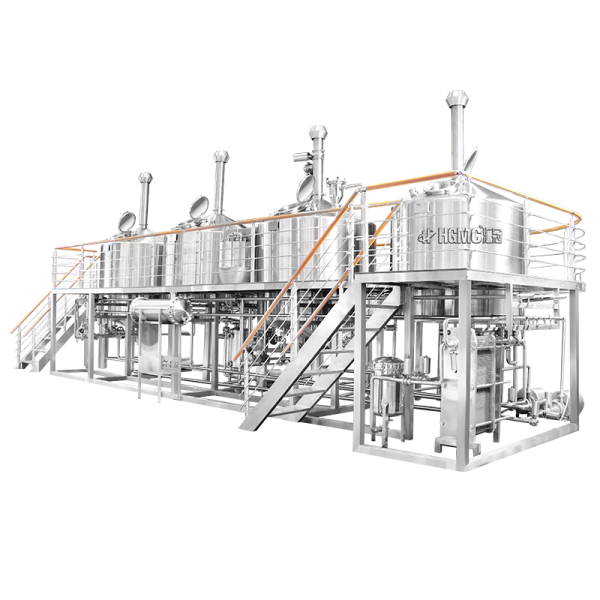
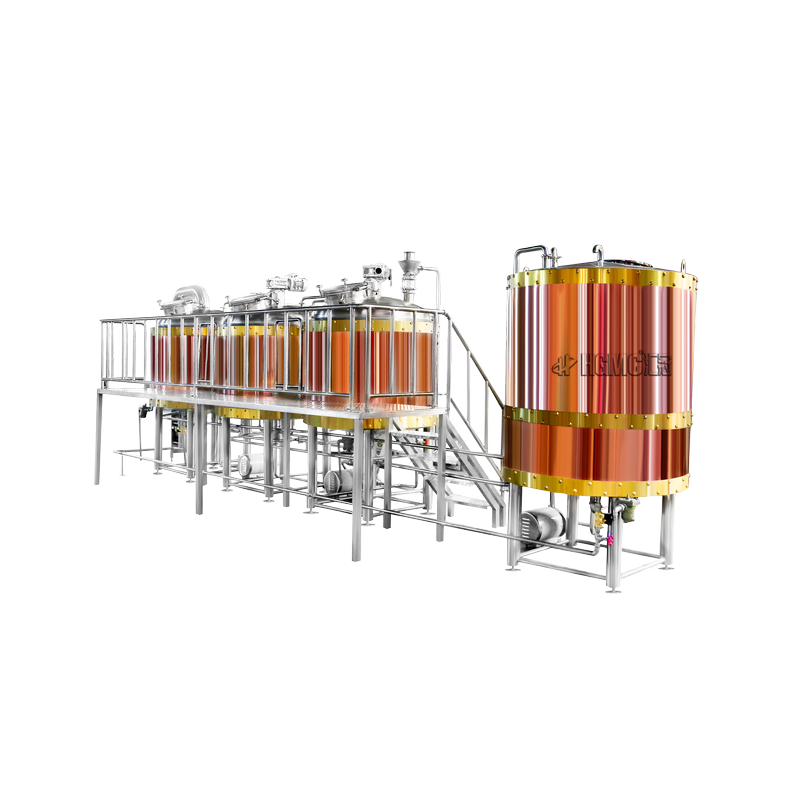
The brewhouse handles mashing, lautering, boiling, and whirlpool separation. Depending on capacity and production frequency, the brewery may use a two-vessel, three-vessel, or four-vessel configuration.
The cold-side system includes fermentation tanks, brite tanks, glycol cooling, pumps, sanitary piping, and cleaning equipment. These systems are essential for fermentation control, maturation, carbonation, and hygienic beer transfer.
Additional equipment may include:
A typical commercial beer manufacturing plant includes:
Floor drainage is particularly important. Brewing, cleaning, and packaging can generate substantial water flow. Proper drainage supports hygiene, safety, and efficient daily operations.
Water is required for brewing, cleaning, rinsing, cooling, and general operations. Water treatment may be required to achieve a stable brewing-water profile.
Heating is necessary for mashing and boiling. The brewery may use electricity, steam, or another suitable energy source depending on local conditions and production scale.
Cooling is essential for wort chilling and fermentation temperature control. Glycol capacity must be sized for the total tank volume, brewing schedule, ambient temperature, and planned future expansion.
The plant also needs reliable electricity, drainage, ventilation, compressed air where required, CO2 management, and wastewater handling. These utility requirements should be confirmed before equipment installation begins.
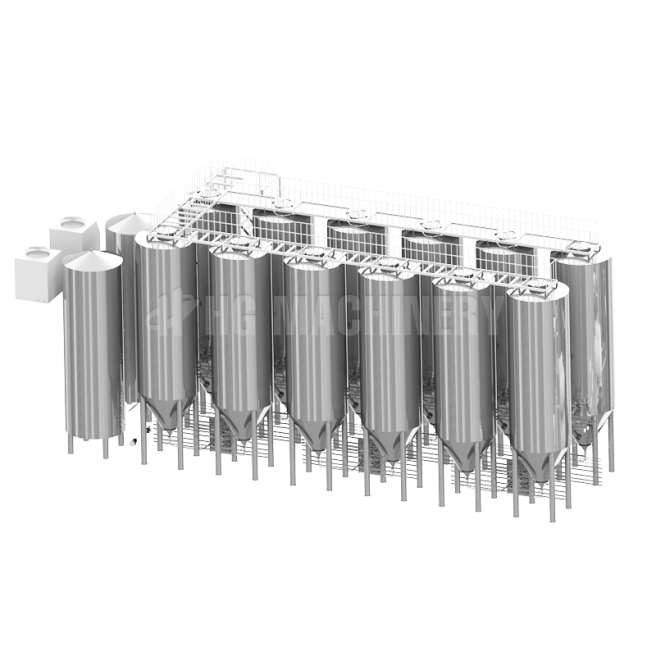
Commercial industrial fermentation tanks support controlled temperature, pressure, yeast handling, carbonation, and cleaning. Their insulated construction and cooling jackets help breweries maintain stable fermentation conditions across different beer styles.
HGMC can configure fermentation systems based on brewhouse capacity, beer portfolio, fermentation schedules, and planned production volume. The correct tank layout helps avoid a common problem: owning enough brewhouse capacity but not enough cellar space to produce continuously.
Equipment costs may include the brewhouse, fermentation tanks, cooling system, CIP, automation, packaging line, pumps, piping, and utility systems.
Other costs may include building renovation, floor drainage, electrical installation, water treatment, heating, ventilation, permits, raw materials, packaging materials, operator training, staffing, insurance, and working capital.
A brewery owner should create a complete project budget before ordering equipment. The brewery equipment quotation is an important part of the investment, but it should not be treated as the total cost of opening a manufacturing plant.
The main stages typically include equipment delivery, positioning, piping, electrical connection, utility connection, pressure testing, water testing, CIP testing, trial brewing, staff training, and final commissioning.
A clear installation plan reduces delays and helps ensure that the equipment operates as intended. Training is equally important because brewing quality depends on correct operation, cleaning, and maintenance.
Useful expansion planning includes leaving room for more fermentation tanks, reserving glycol capacity, allowing additional electrical load, designing drainage for extra vessels, and keeping space for larger packaging equipment.
A brewery can often increase output by adding tanks and packaging capacity before replacing the brewhouse. This approach can reduce early capital pressure and create a more flexible growth path.
A properly planned beer manufacturing plant combines process flow, suitable utilities, professional installation, and scalable equipment. By planning the complete system from the beginning, brewery owners can create a facility that supports efficient production and sustainable business development.
The most effective plants are designed around production flow. Malt should move smoothly from storage to milling and brewing. Wort should transfer efficiently into fermentation. Finished beer should move from tanks to packaging and then into cold storage or distribution without unnecessary handling.
HGMC brewery project solutions can support breweries from equipment selection through process planning and commercial production setup. The best starting point is to define the business model before deciding on capacity or equipment configuration.
What Type of Beer Manufacturing Plant Do You Need?
The correct plant setup depends on how the brewery plans to sell beer.A brewpub or restaurant brewery may prioritize fresh draft beer served directly on-site. It often needs a compact brewing system, a visible tank layout, reliable keg service, and efficient use of limited floor space.
A craft brewery serving local and regional customers may need greater production capacity, more fermentation tanks, cold storage, kegging equipment, and possibly a canning line.
A larger production brewery may focus on packaged beer for distributors, retailers, and wider markets. This type of plant requires stronger utilities, higher-capacity fermentation systems, more automation, and efficient packaging and warehouse operations.
Before selecting equipment, define annual output targets, expected sales channels, package formats, beer styles, and growth expectations.
How Do You Calculate Production Capacity?
Production capacity should be based on expected sales, not simply on the largest equipment size available.Start by estimating annual beer demand. Divide this into monthly and weekly production targets. This helps determine the required brewhouse batch size and brewing frequency.
Next, calculate fermentation capacity. Beer may occupy a tank for several weeks during fermentation, maturation, clarification, and carbonation. A brewery that produces several brands or slower-turnaround beer styles may need additional tanks.
Production planning should consider:
- Annual and monthly sales targets
- Brewhouse batch size
- Number of brews per week
- Fermentation and conditioning time
- Tank quantity and capacity
- Packaging speed
- Seasonal demand
- Available building space and utilities
What Equipment Does a Beer Manufacturing Plant Need?
A beer manufacturing plant needs integrated equipment for raw material handling, brewing, fermentation, cleaning, cooling, storage, packaging, and utilities.The process starts with malt storage and milling. Consistent grain preparation helps improve mash efficiency and filtration performance.
The brewhouse handles mashing, lautering, boiling, and whirlpool separation. Depending on capacity and production frequency, the brewery may use a two-vessel, three-vessel, or four-vessel configuration.
The cold-side system includes fermentation tanks, brite tanks, glycol cooling, pumps, sanitary piping, and cleaning equipment. These systems are essential for fermentation control, maturation, carbonation, and hygienic beer transfer.
Additional equipment may include:
- Hot liquor and cold liquor tanks
- Plate heat exchanger
- CIP cleaning system
- Water treatment system
- Glycol chiller
- Air compressor
- Control panel and automation system
- Filtration or centrifugation equipment
- Keg washing and filling system
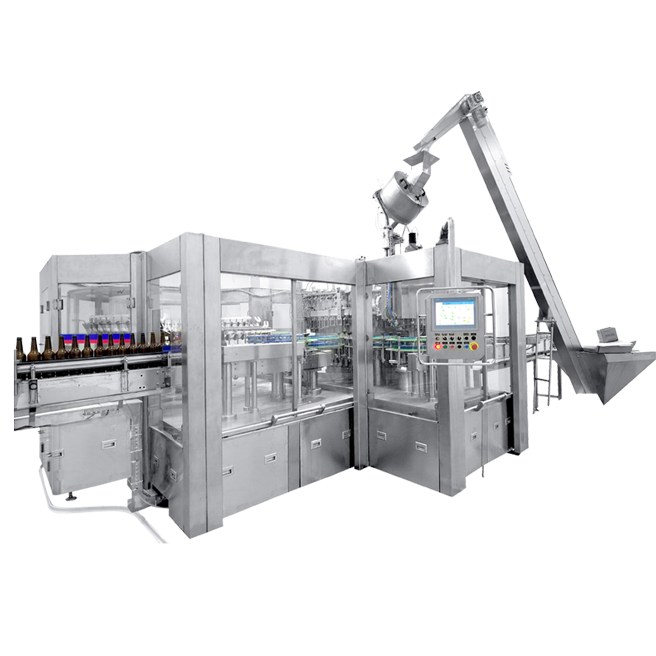
- Canning or bottling line
- Labeling, packing, and palletizing equipment
How Should You Design the Factory Layout?
The factory layout should follow a logical, one-directional flow from raw materials to finished beer.A typical commercial beer manufacturing plant includes:
- Malt storage and milling area
- Brewhouse and hot-side production area
- Fermentation and brite tank cellar
- Utility zone for glycol, water treatment, heating, and compressed air
- CIP station and cleaning-chemical storage
- Kegging, canning, or bottling area
- Packaging material storage
- Finished-goods cold storage or warehouse
- Laboratory or quality-control area
- Maintenance and spare-parts area
Floor drainage is particularly important. Brewing, cleaning, and packaging can generate substantial water flow. Proper drainage supports hygiene, safety, and efficient daily operations.
What Utilities Does a Beer Plant Require?
Utility planning is a major part of brewery construction.Water is required for brewing, cleaning, rinsing, cooling, and general operations. Water treatment may be required to achieve a stable brewing-water profile.
Heating is necessary for mashing and boiling. The brewery may use electricity, steam, or another suitable energy source depending on local conditions and production scale.
Cooling is essential for wort chilling and fermentation temperature control. Glycol capacity must be sized for the total tank volume, brewing schedule, ambient temperature, and planned future expansion.
The plant also needs reliable electricity, drainage, ventilation, compressed air where required, CO2 management, and wastewater handling. These utility requirements should be confirmed before equipment installation begins.
Why Are Fermentation Tanks Central to Plant Design?
Fermentation tanks are not simply storage vessels. They are central production assets that determine how much beer the brewery can keep in process.Commercial industrial fermentation tanks support controlled temperature, pressure, yeast handling, carbonation, and cleaning. Their insulated construction and cooling jackets help breweries maintain stable fermentation conditions across different beer styles.
HGMC can configure fermentation systems based on brewhouse capacity, beer portfolio, fermentation schedules, and planned production volume. The correct tank layout helps avoid a common problem: owning enough brewhouse capacity but not enough cellar space to produce continuously.
How Much Does a Beer Manufacturing Plant Cost?
The total cost includes both equipment and non-equipment investment.Equipment costs may include the brewhouse, fermentation tanks, cooling system, CIP, automation, packaging line, pumps, piping, and utility systems.
Other costs may include building renovation, floor drainage, electrical installation, water treatment, heating, ventilation, permits, raw materials, packaging materials, operator training, staffing, insurance, and working capital.
A brewery owner should create a complete project budget before ordering equipment. The brewery equipment quotation is an important part of the investment, but it should not be treated as the total cost of opening a manufacturing plant.
How Should You Prepare for Installation and Commissioning?
Installation should begin after the factory layout, drainage, utilities, access routes, and equipment locations are confirmed.The main stages typically include equipment delivery, positioning, piping, electrical connection, utility connection, pressure testing, water testing, CIP testing, trial brewing, staff training, and final commissioning.
A clear installation plan reduces delays and helps ensure that the equipment operates as intended. Training is equally important because brewing quality depends on correct operation, cleaning, and maintenance.
How Can You Plan for Future Expansion?
A beer manufacturing plant should be built for current production needs while preparing for future growth.Useful expansion planning includes leaving room for more fermentation tanks, reserving glycol capacity, allowing additional electrical load, designing drainage for extra vessels, and keeping space for larger packaging equipment.
A brewery can often increase output by adding tanks and packaging capacity before replacing the brewhouse. This approach can reduce early capital pressure and create a more flexible growth path.
A properly planned beer manufacturing plant combines process flow, suitable utilities, professional installation, and scalable equipment. By planning the complete system from the beginning, brewery owners can create a facility that supports efficient production and sustainable business development.