Nov. 05, 2026
News
High-Efficiency Beer Making Machines and Their Key Benefits
When choosing a beer making machine for high efficiency, production speed is only one factor to consider. A truly efficient machine should produce more beer within a reasonable operating time while reducing energy consumption, water use, material loss, and labor requirements.
For commercial breweries, these improvements can directly affect production costs and long-term profitability. But how can you identify a high-efficiency beer making machine? How much beer can it produce, and what operating costs can it help reduce? Understanding these factors will help you choose equipment that matches your production goals.
Important indicators include:
Energy consumption should be compared per unit of finished beer, rather than by looking only at the rated power of individual machines.
A well-designed system should help reduce wort and beer losses while supporting efficient cleaning and water management.
Automated controls and coordinated equipment operations can reduce unnecessary waiting and repetitive manual work.
Typical project capacities may include:
Daily wort output = Batch capacity × Number of completed batches per day.
For example, a 20 HL brewhouse completing two batches per day can theoretically produce 40 HL of wort daily. However, this is not the same as 40 HL of packaged beer. Actual finished output depends on fermentation, filtration, transfer, and packaging losses.
The number of batches also depends on the time required for mashing, lautering, boiling, cooling, and cleaning. Improving coordination between these stages can help increase equipment utilization without unnecessarily increasing machine capacity.
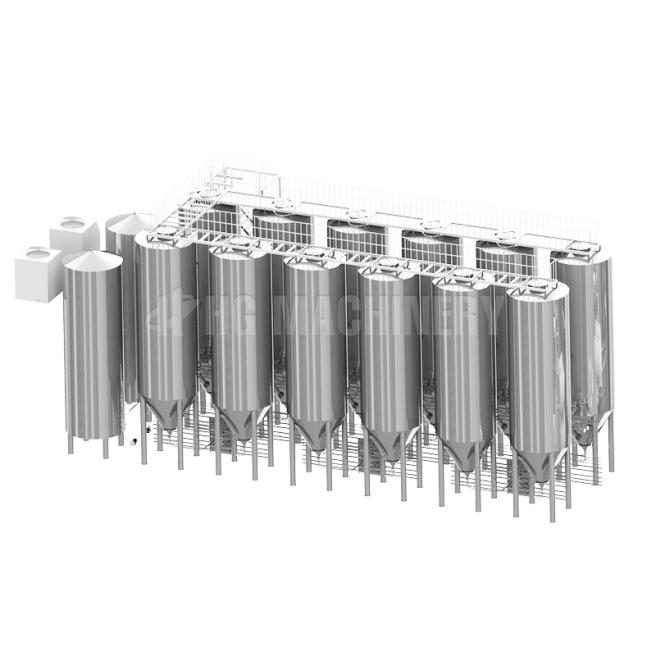
The required number of fermentation tanks depends on batch volume, fermentation and maturation time, and the planned production schedule. A suitable tank arrangement allows the brewhouse to continue operating while previous batches remain in fermentation.
For this reason, breweries should evaluate brewhouse capacity and fermentation capacity together. You can explore our commercial beer fermentation tanks to understand the equipment options available for different production requirements.
Efficient motors, properly selected pumps, and appropriately sized cooling systems can help reduce unnecessary power consumption.
A useful comparison is electricity consumption per hectoliter of finished beer, measured in kWh/HL. This makes it easier to compare equipment performance under similar production conditions.
Several equipment features can help improve thermal efficiency:
A properly configured CIP system can help breweries:
For example:
Accurate temperature control, suitable milling, and well-designed filtration equipment help maintain consistent brewing conditions. These factors can improve wort extraction and reduce avoidable losses during production.
A suitable piping layout, sanitary pumps, and properly selected valves can reduce unnecessary product retention. Shorter and more direct transfer routes may also simplify cleaning and operation.
Automated controls help repeat important operating parameters. Consistent procedures can reduce process variations and make it easier to identify abnormal conditions before they cause larger production losses.
When selecting commercial brewery equipment, consider batch capacity, heating efficiency, wort transfer, and the time required for each brewing stage.
Proper tank sizing and scheduling help prevent fermentation from limiting the overall production plan. Tank insulation and cooling arrangements also affect temperature stability and energy use.
A PLC-based control system can manage selected operations such as temperature adjustment, pump operation, valve control, and production sequences. Touchscreen interfaces allow operators to monitor equipment status and manage process settings.
The appropriate automation level depends on production scale, operating procedures, and staffing requirements. For a more detailed comparison, read our article on PLC automation vs. manual brewery operation.
Consider the following factors:
If you are planning a new brewery or upgrading existing production equipment, contact HGMC to discuss your production targets and equipment requirements.
For commercial breweries, these improvements can directly affect production costs and long-term profitability. But how can you identify a high-efficiency beer making machine? How much beer can it produce, and what operating costs can it help reduce? Understanding these factors will help you choose equipment that matches your production goals.
What Makes a Beer Making Machine High-Efficiency?
High efficiency does not simply mean that a machine operates faster. It means the equipment uses production time, energy, water, and raw materials effectively while maintaining consistent beer quality. Several factors can help evaluate its performance.Higher Production Output
Production output is one of the most direct efficiency indicators. A well-configured brewing system can complete brewing operations within a suitable cycle time and support more batches when production demand increases.Important indicators include:
- Wort production per batch.
- Number of batches completed per day.
- Total daily and annual production capacity.
- Equipment utilization during scheduled production hours.
Lower Energy Consumption
Brewing requires energy for heating, boiling, cooling, pumping, and cleaning. Efficient equipment helps reduce unnecessary energy use through better insulation, optimized heating systems, and effective heat recovery.Energy consumption should be compared per unit of finished beer, rather than by looking only at the rated power of individual machines.
Less Material and Water Loss
Material utilization also affects production efficiency. Poor filtration, inefficient transfer, and excessive product residue can reduce the amount of finished beer obtained from each batch.A well-designed system should help reduce wort and beer losses while supporting efficient cleaning and water management.
Shorter Production and Cleaning Time
Production time includes more than the actual brewing process. Equipment preparation, cleaning, transfer, and batch changeover also affect the production schedule.Automated controls and coordinated equipment operations can reduce unnecessary waiting and repetitive manual work.
How Much Beer Can a High-Efficiency Machine Produce?
The output of a commercial beer making machine depends on its batch capacity, brewing cycle, equipment configuration, and production schedule. There is no single production rate that defines every high-efficiency machine.Production Capacity per Batch
Commercial brewhouse systems are commonly configured according to their wort production capacity per batch.Typical project capacities may include:
- 10 HL per batch
- 20 HL per batch
- 30 HL per batch
- 50 HL per batch
Brewing Cycle and Daily Output
Daily wort production can be estimated using a simple formula:Daily wort output = Batch capacity × Number of completed batches per day.
For example, a 20 HL brewhouse completing two batches per day can theoretically produce 40 HL of wort daily. However, this is not the same as 40 HL of packaged beer. Actual finished output depends on fermentation, filtration, transfer, and packaging losses.
The number of batches also depends on the time required for mashing, lautering, boiling, cooling, and cleaning. Improving coordination between these stages can help increase equipment utilization without unnecessarily increasing machine capacity.
Fermentation Capacity and Production Scheduling
Fermentation can become a production bottleneck if tank capacity does not match brewhouse output.The required number of fermentation tanks depends on batch volume, fermentation and maturation time, and the planned production schedule. A suitable tank arrangement allows the brewhouse to continue operating while previous batches remain in fermentation.
For this reason, breweries should evaluate brewhouse capacity and fermentation capacity together. You can explore our commercial beer fermentation tanks to understand the equipment options available for different production requirements.
How Much Energy and Operating Cost Can High-Efficiency Machines Save?
Energy consumption is a major part of brewery operating costs. Heating, boiling, refrigeration, and cleaning all require energy. Improving these processes can reduce the resources needed to produce each hectoliter of beer.Electricity Consumption
Electricity is used by pumps, motors, control systems, refrigeration equipment, and other auxiliary machines.Efficient motors, properly selected pumps, and appropriately sized cooling systems can help reduce unnecessary power consumption.
A useful comparison is electricity consumption per hectoliter of finished beer, measured in kWh/HL. This makes it easier to compare equipment performance under similar production conditions.
Heating Energy and Heat Recovery
Heating and wort boiling can account for a significant share of a brewery's thermal energy demand.Several equipment features can help improve thermal efficiency:
- Insulated vessels reduce unnecessary heat loss.
- Efficient heating systems improve heat transfer.
- Heat recovery systems reuse energy from suitable process streams.
- Optimized boiling controls help avoid excessive evaporation and energy consumption.
Water Consumption and CIP Optimization
Cleaning is another important part of brewery resource consumption. Frequent cleaning is necessary, but inefficient cleaning cycles can increase water, chemical, and energy use.A properly configured CIP system can help breweries:
- Apply suitable cleaning cycles to different equipment.
- Control water and cleaning solution usage.
- Reduce unnecessary rinsing.
- Improve cleaning consistency between batches.
How to Calculate Potential Cost Savings
Breweries can estimate potential savings by comparing current consumption with expected consumption after equipment upgrades.For example:
- Annual electricity savings = Reduced electricity consumption × Local electricity rate.
- Annual heating cost savings = Reduced thermal energy consumption × Local energy rate.
- Annual water savings = Reduced water consumption × Local water rate.
How Do High-Efficiency Machines Reduce Beer Production Losses?
Energy savings are only part of the picture. Reducing material and product losses can also improve the amount of saleable beer obtained from each production batch.Improve Brewing Material Utilization
The mashing and lautering stages affect how effectively fermentable materials are extracted from malt.Accurate temperature control, suitable milling, and well-designed filtration equipment help maintain consistent brewing conditions. These factors can improve wort extraction and reduce avoidable losses during production.
Reduce Product Loss During Transfer
Wort and beer may remain in pipes, pumps, vessels, and transfer lines after each operation.A suitable piping layout, sanitary pumps, and properly selected valves can reduce unnecessary product retention. Shorter and more direct transfer routes may also simplify cleaning and operation.
Improve Cleaning and Process Consistency
Manual operation can lead to differences in process timing, temperature, and equipment settings.Automated controls help repeat important operating parameters. Consistent procedures can reduce process variations and make it easier to identify abnormal conditions before they cause larger production losses.
What Are the Main Benefits of High-Efficiency Beer Making Machines?
High-efficiency equipment can bring several practical benefits to commercial breweries.- Higher Daily Production: Better equipment coordination and shorter waiting times can increase effective production output.
- Lower Operating Costs: Reduced electricity, heating energy, and water consumption can lower the cost per hectoliter.
- Reduced Material Loss: Improved filtration and transfer processes help retain more usable wort and finished beer.
- Less Manual Work: Automated pumps, valves, and process controls reduce repetitive operating tasks.
- More Stable Production: Consistent temperature and process control support repeatable brewing conditions.
- Better Equipment Utilization: Coordinated production scheduling helps reduce idle time and unnecessary equipment downtime.
Which Equipment Features Help Improve Brewing Efficiency?
A high-efficiency brewing system depends on how individual machines work together. The brewhouse, fermentation tanks, cooling equipment, and cleaning system should match the brewery's production requirements.Efficient Brewhouse Systems
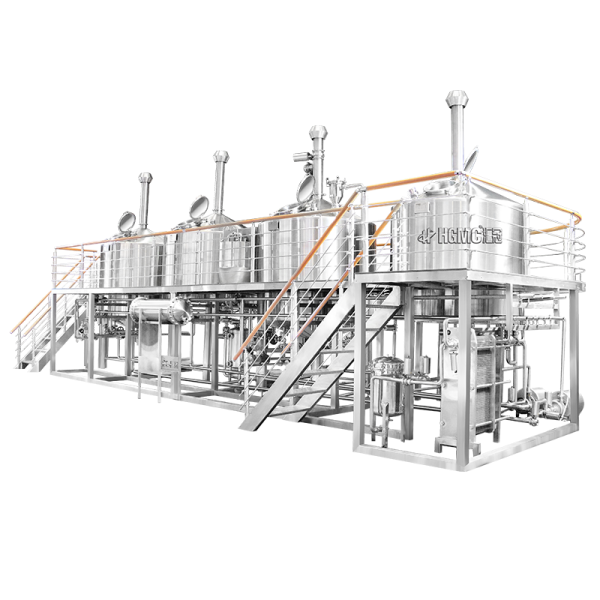
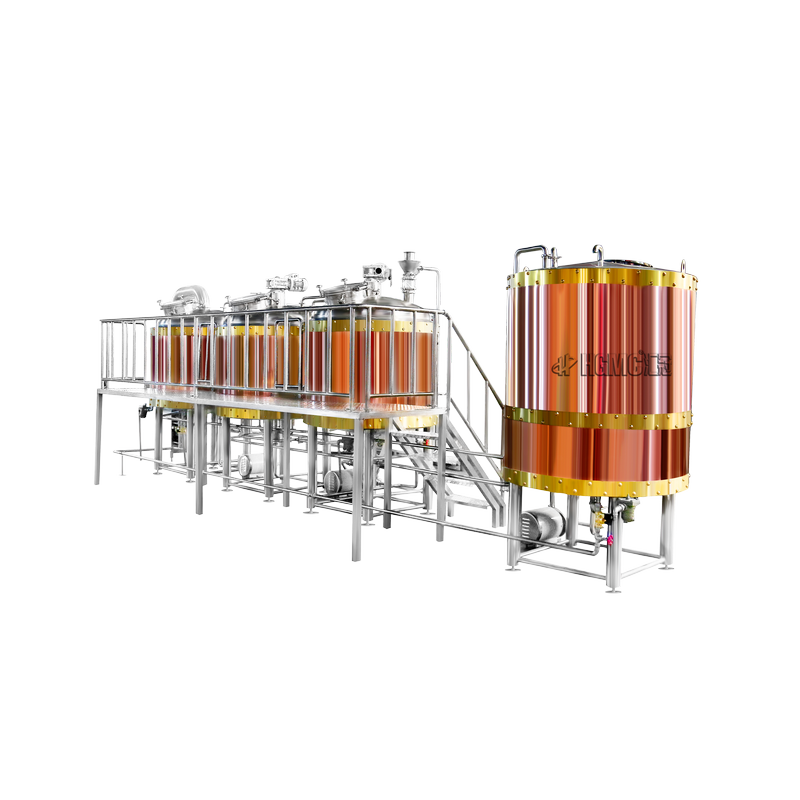
The brewhouse handles mashing, lautering, boiling, and whirlpool operations. Its vessel configuration, heating method, piping layout, and control system all affect production performance.When selecting commercial brewery equipment, consider batch capacity, heating efficiency, wort transfer, and the time required for each brewing stage.
Temperature-Controlled Fermentation Tanks
Fermentation tanks should provide suitable temperature control and match the required production volume.Proper tank sizing and scheduling help prevent fermentation from limiting the overall production plan. Tank insulation and cooling arrangements also affect temperature stability and energy use.
Automated Brewing Control Systems
Automation can improve process consistency and reduce manual intervention.A PLC-based control system can manage selected operations such as temperature adjustment, pump operation, valve control, and production sequences. Touchscreen interfaces allow operators to monitor equipment status and manage process settings.
The appropriate automation level depends on production scale, operating procedures, and staffing requirements. For a more detailed comparison, read our article on PLC automation vs. manual brewery operation.
CIP and Cooling Systems
CIP and cooling systems support the operation of the entire brewery. A suitable CIP configuration helps standardize cleaning procedures, while properly sized cooling equipment provides the cooling capacity required by fermentation and wort processing. Both systems should be selected according to production load instead of being treated as secondary equipment.How to Choose the Right High-Efficiency Beer Making Machine?
Before purchasing equipment, breweries should evaluate their production requirements and compare the expected operating performance of different configurations.Consider the following factors:
- Production Target: Define the required batch volume, daily output, and annual production plan.
- Energy Consumption: Compare electricity and thermal energy use under similar operating conditions.
- Material Utilization: Evaluate wort extraction, transfer losses, and finished beer yield.
- Automation Requirements: Choose a suitable control level based on production complexity and labor availability.
- Equipment Compatibility: Ensure that brewhouse, fermentation, cooling, cleaning, and packaging capacities work together.
- Maintenance and Expansion: Consider equipment accessibility, spare parts, maintenance requirements, and future production growth.
Conclusion
A high-efficiency beer making machine should do more than produce beer quickly. It should improve production output, reduce energy and water consumption, minimize material loss, and support stable brewing operations.If you are planning a new brewery or upgrading existing production equipment, contact HGMC to discuss your production targets and equipment requirements.