Nov. 04, 2026
News
Best Brewing Supplies for Automatic Control in Commercial Breweries
For buyers searching for the best brewing supplies automatic control, choosing the right equipment means more than purchasing a control panel. A commercial brewing system needs sensors, pumps, valves, temperature controllers, and automation software to work together.
These components help manage key brewing operations, reduce repetitive manual tasks, and improve process consistency. However, not every brewery needs the same automation level. The right configuration depends on production capacity, brewing methods, labor requirements, and future expansion plans.
This guide explains the essential equipment and control components used in automated brewing systems, how they work across the production process, and what to consider when selecting equipment for a commercial brewery.
The main equipment includes:
It receives signals from sensors and executes programmed instructions. For example, it can control heating sequences, activate pumps, operate valves, and manage process timing.
A human-machine interface (HMI), usually a touchscreen, allows operators to view equipment status, adjust settings, select process steps, and respond to alarms.
For commercial breweries, PLC control can support repeatable production routines and centralized equipment management. The exact functions depend on the control program and connected devices.
Automated valves can open or close according to programmed sequences. Variable-frequency drives (VFDs) can adjust motor speed, allowing pumps to operate at different flow rates when the system is designed for this function.
These components help coordinate transfers between vessels and reduce repeated manual valve operation.
Depending on the system configuration, it may support:
The goal is to automate tasks where consistent execution matters most, while allowing brewers to retain control over recipes, quality checks, and production decisions.
Typical configurations may include:
It also allows experienced brewers to make adjustments during production.
Depending on the configuration, they may include programmed mash sequences, automated valves, pump coordination, fermentation monitoring, centralized operation, and automatic CIP procedures.
This approach can be useful for breweries with frequent production cycles, multiple fermentation tanks, or more complex process requirements.
However, a fully automatic system requires suitable process planning, reliable instrumentation, and trained personnel who can operate and maintain the control system.
The best choice is not necessarily the system with the most automation. Buyers should compare the expected operational benefits with the investment and maintenance requirements. For a more detailed comparison, see our guide to PLC automation vs. manual brewery operation.
The brewhouse, fermentation tanks, cooling system, and packaging equipment should have compatible capacities. If fermentation capacity is insufficient, increasing brewhouse output alone may not improve overall production.
Also consider the beer styles you plan to produce. Different recipes may require different temperature schedules, fermentation conditions, and process controls.
Check whether the PLC can manage the required pumps, valves, sensors, heating, cooling, and cleaning operations. Ask whether the system supports manual operation, alarms, and future equipment additions.
If you already have brewery equipment, discuss whether the new control system can integrate with the existing machines.
Before purchasing, check the availability of sensors, electrical components, valves, and other replacement parts. It is also important to understand who provides troubleshooting, software support, operator training, and technical assistance.
A clear service arrangement can reduce downtime when control components need adjustment or replacement.
Cleaning requirements should also be considered during system design. Automated CIP can help standardize cleaning sequences, but the program must match the equipment, cleaning chemicals, temperatures, and sanitation requirements.
Key equipment and configuration options include:
- Brewhouse Systems: We offer different vessel configurations and heating methods to match production requirements. Explore our commercial brewery equipment for available options.
With more than 20 years of industry experience, HGMC provides commercial brewing equipment and customized solutions, from individual machines to complete brewery projects.
If you are planning a new brewery or upgrading an existing production line, contact HGMC to discuss your requirements and get a suitable equipment proposal.
These components help manage key brewing operations, reduce repetitive manual tasks, and improve process consistency. However, not every brewery needs the same automation level. The right configuration depends on production capacity, brewing methods, labor requirements, and future expansion plans.
This guide explains the essential equipment and control components used in automated brewing systems, how they work across the production process, and what to consider when selecting equipment for a commercial brewery.
What Equipment Is Needed for Automatic Brewing Control?
An automatic brewing system combines production equipment with electrical and control components. Each part has a specific role in managing the brewing process.The main equipment includes:
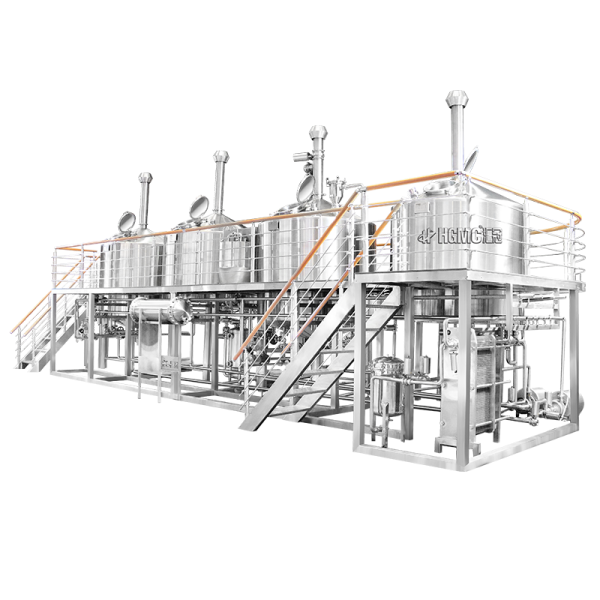
- Brewhouse equipment: Mash tuns, lauter tuns, kettles, and whirlpool vessels handle mashing, lautering, boiling, and wort separation. Automated controls can manage temperature, timing, pumps, and selected process transfers.
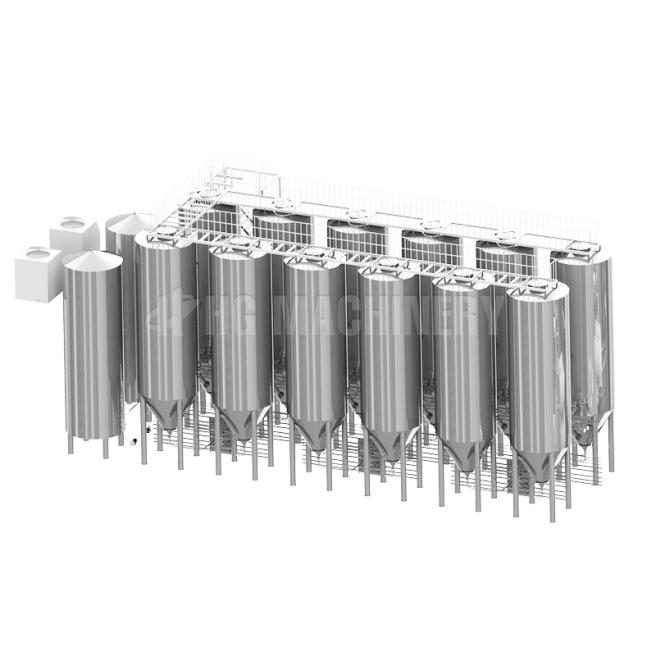
- Fermentation tanks: Temperature sensors and cooling controls help maintain the required fermentation conditions. Each tank may need independent temperature management.
- CIP cleaning systems: Automated cleaning equipment controls cleaning cycles, liquid circulation, temperature, and operating time.
- Pumps and automated valves: These components control liquid movement between vessels and help coordinate different production stages.
- Control panels: PLC controllers and touchscreen interfaces connect equipment functions and allow operators to monitor and manage production.
Which Components Make a Brewing Control System Work?
The performance of an automatic brewing system depends on how its control components work together. Several key technologies support this process.PLC and Touchscreen Control
A programmable logic controller (PLC) is the central control unit of many commercial brewing automation systems.It receives signals from sensors and executes programmed instructions. For example, it can control heating sequences, activate pumps, operate valves, and manage process timing.
A human-machine interface (HMI), usually a touchscreen, allows operators to view equipment status, adjust settings, select process steps, and respond to alarms.
For commercial breweries, PLC control can support repeatable production routines and centralized equipment management. The exact functions depend on the control program and connected devices.
Temperature, Pressure, and Level Sensors
Sensors provide the information needed for automatic control.- Temperature sensors monitor mash, wort, fermentation, and cleaning temperatures.
- Pressure sensors monitor pressure conditions in tanks and process pipelines.
- Level sensors help control liquid levels and prevent vessels from overflowing or running dry.
- Flow meters measure liquid movement and support water dosing or transfer control.
Pumps, Motors, and Automated Valves
Pumps and valves manage the movement of water, wort, beer, and cleaning solutions.Automated valves can open or close according to programmed sequences. Variable-frequency drives (VFDs) can adjust motor speed, allowing pumps to operate at different flow rates when the system is designed for this function.
These components help coordinate transfers between vessels and reduce repeated manual valve operation.
Control Software and Alarm Functions
Control software connects equipment settings with production procedures.Depending on the system configuration, it may support:
- Temperature and time settings for brewing stages.
- Process status displays and operating records.
- Alarm notifications for abnormal conditions.
- Pump and valve operation sequences.
- Fermentation temperature monitoring.
- CIP cleaning programs.
How Does Automatic Control Work Across the Brewing Process?
Automatic control can support several stages of commercial beer production. Its role is to manage defined operating parameters and coordinate equipment actions.- Malt handling and water preparation: Automated equipment can manage material transfer, water supply, and dosing according to the system design.
- Mashing and lautering: Temperature controllers manage heating and programmed mash rests. Pumps and valves can support wort recirculation and transfer.
- Wort boiling and cooling: The control system can manage heating, boiling time, and selected transfer operations. Temperature monitoring also supports wort cooling.
- Fermentation: Temperature sensors and cooling controls help maintain suitable conditions in individual fermentation tanks. Operators can monitor tank status through local or central interfaces.
- CIP cleaning: Automated programs can control cleaning sequences, circulation, and temperature according to the approved cleaning procedure.
The goal is to automate tasks where consistent execution matters most, while allowing brewers to retain control over recipes, quality checks, and production decisions.
Semi-Automatic vs. Fully Automatic Brewing Systems
The right automation level depends on how frequently the brewery produces beer, how many tanks it operates, and how much direct involvement its brewing team prefers.Semi-Automatic Systems
Semi-automatic systems combine selected automatic functions with manual operation.Typical configurations may include:
- Automatic temperature control for brewhouse vessels.
- Basic pump and heating controls.
- Temperature control for fermentation tanks.
- Manual or locally operated valves.
- Operator-managed process transfers.
It also allows experienced brewers to make adjustments during production.
Fully Automatic Systems
Fully automatic systems use PLC-based controls to coordinate more production steps.Depending on the configuration, they may include programmed mash sequences, automated valves, pump coordination, fermentation monitoring, centralized operation, and automatic CIP procedures.
This approach can be useful for breweries with frequent production cycles, multiple fermentation tanks, or more complex process requirements.
However, a fully automatic system requires suitable process planning, reliable instrumentation, and trained personnel who can operate and maintain the control system.
The best choice is not necessarily the system with the most automation. Buyers should compare the expected operational benefits with the investment and maintenance requirements. For a more detailed comparison, see our guide to PLC automation vs. manual brewery operation.
What Should You Consider When Choosing Automatic Brewing Equipment?
Selecting automatic brewing equipment requires more than checking whether a supplier offers PLC control. The complete system should match the brewery's production requirements.Production Capacity and Process Requirements
Start with the planned batch size, brewing frequency, and annual output.The brewhouse, fermentation tanks, cooling system, and packaging equipment should have compatible capacities. If fermentation capacity is insufficient, increasing brewhouse output alone may not improve overall production.
Also consider the beer styles you plan to produce. Different recipes may require different temperature schedules, fermentation conditions, and process controls.
Control System Compatibility
Confirm which equipment functions are connected to the control system.Check whether the PLC can manage the required pumps, valves, sensors, heating, cooling, and cleaning operations. Ask whether the system supports manual operation, alarms, and future equipment additions.
If you already have brewery equipment, discuss whether the new control system can integrate with the existing machines.
Maintenance and Technical Support
Automation systems still require regular inspection and maintenance.Before purchasing, check the availability of sensors, electrical components, valves, and other replacement parts. It is also important to understand who provides troubleshooting, software support, operator training, and technical assistance.
A clear service arrangement can reduce downtime when control components need adjustment or replacement.
Safety and Cleaning Requirements
The control system should support safe equipment operation. Relevant functions may include pressure monitoring, temperature alarms, motor protection, emergency stops, and suitable operating interlocks.Cleaning requirements should also be considered during system design. Automated CIP can help standardize cleaning sequences, but the program must match the equipment, cleaning chemicals, temperatures, and sanitation requirements.
How Does HGMC Configure Automatic Brewing Equipment?
At HGMC, we configure commercial brewing equipment according to production capacity, brewing processes, and automation requirements. Our solutions cover individual machines and complete brewery systems.Key equipment and configuration options include:
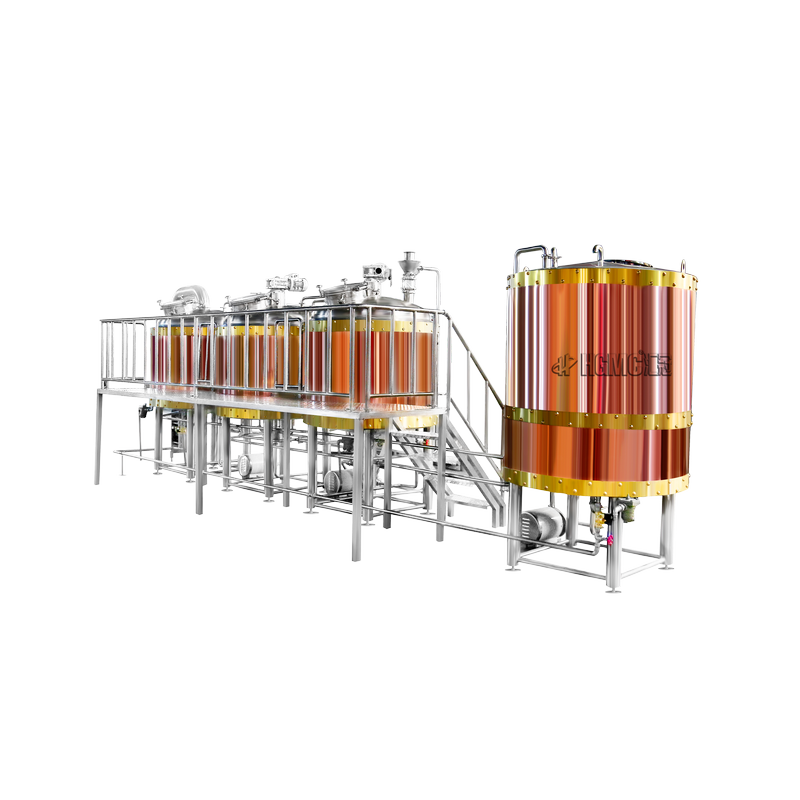
- Brewhouse Systems: We offer different vessel configurations and heating methods to match production requirements. Explore our commercial brewery equipment for available options.
- PLC Control Systems: PLC controllers and touchscreen interfaces can be configured to manage temperature, pumps, valves, and selected production sequences. Siemens PLC and touchscreen options are also available according to project requirements.
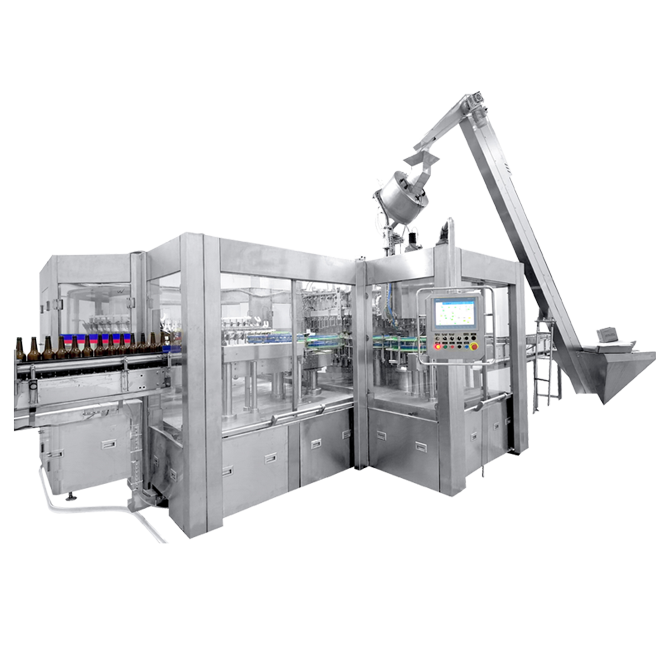
- Complete Brewery Solutions: We can coordinate brewhouse equipment, fermentation tanks, CIP systems, cooling equipment, and filling and packaging lines according to the project scope.
Conclusion
Choosing the best brewing supplies for automatic control requires matching equipment functions with your production goals. PLC systems, sensors, automated valves, and temperature controls should work together to support stable and efficient brewing operations.With more than 20 years of industry experience, HGMC provides commercial brewing equipment and customized solutions, from individual machines to complete brewery projects.
If you are planning a new brewery or upgrading an existing production line, contact HGMC to discuss your requirements and get a suitable equipment proposal.