Oct. 22, 2026
News
Beer Factory Complete Line: Equipment & Planning Guide
A beer factory complete line connects brewing, fermentation, beer storage, filling, and packaging into one coordinated production system. Choosing the right setup requires more than selecting individual machines. You need to match equipment capacity, production targets, packaging requirements, and factory conditions to keep the entire process running smoothly.
For commercial breweries planning a new facility or expanding existing production, the main challenge is finding the right balance between output, equipment configuration, and future growth. This guide explains what a complete beer production line includes, how to choose the right configuration, and what to check before purchasing.
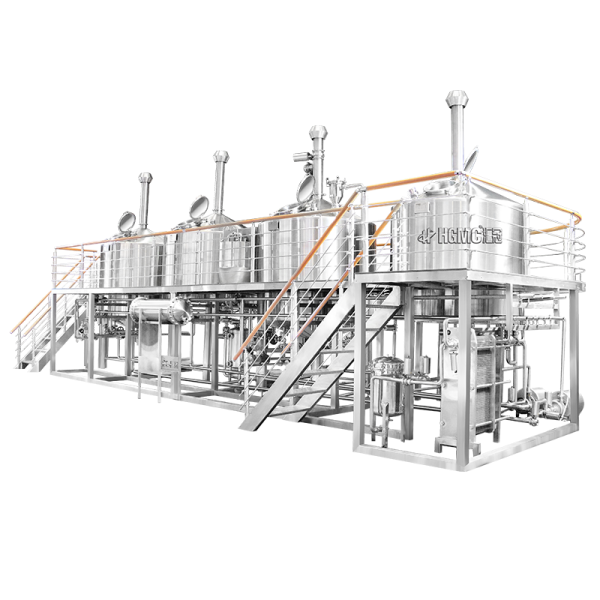
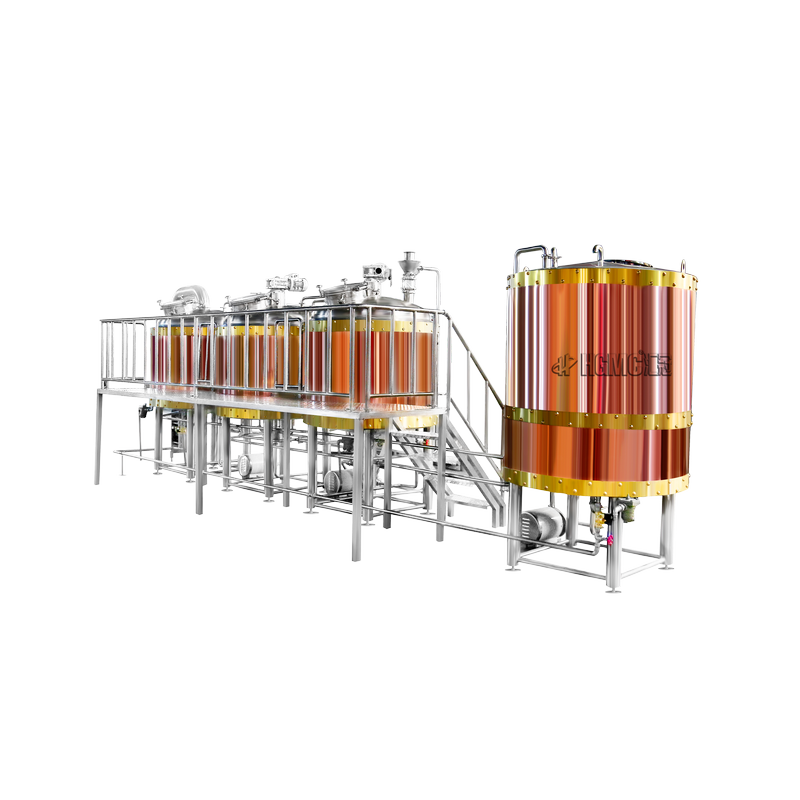
The brewhouse configuration affects how brewing operations are scheduled. Two-vessel systems can suit certain production plans, while three-vessel or four-vessel systems may offer greater process flexibility for breweries with more demanding schedules.
The right choice depends on batch frequency, available space, and the level of operational flexibility required.
Tank capacity and quantity are especially important. A brewhouse may produce enough wort for the planned output, but insufficient fermentation capacity can delay the next batch.
Cooling equipment, sanitary transfer lines, and cleaning systems also need to be considered as part of the overall configuration.
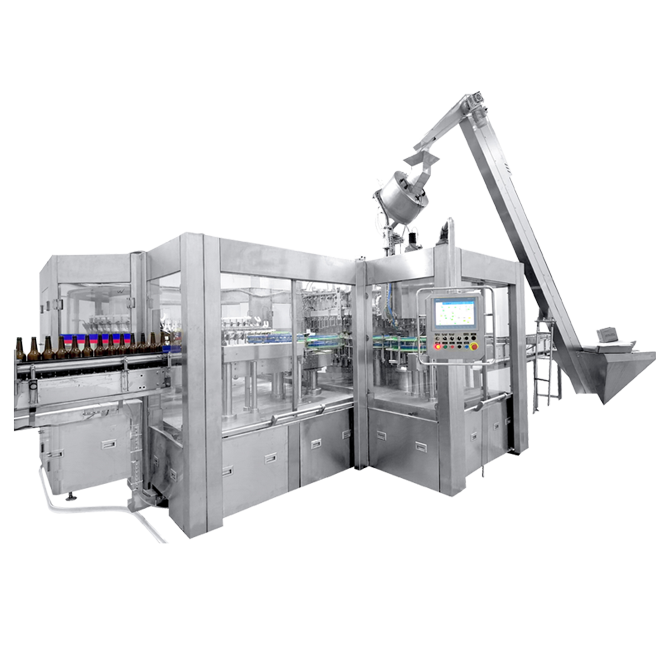
Labeling, conveying, packing, and other downstream equipment may also be needed. These units should be selected according to container type, packaging speed, and the required level of automation.
When planning the equipment scope, we recommend reviewing the complete range of brewery equipment for commercial beer production rather than evaluating each machine in isolation.
A brewery supplying local distributors may have different requirements from one focused on keg sales or packaged beer for retail markets.
These differences affect the required equipment capacity, production schedule, and packaging configuration.
For example, increasing batch size will not necessarily improve overall output if the fermentation cellar cannot accommodate the additional volume. Similarly, too few tanks may force the brewery to delay brewing while waiting for available capacity.
Our approach is to evaluate the brewing and fermentation stages together, then determine a suitable combination of vessel sizes and quantities.For a more detailed explanation, see our guide on choosing a brewery solution by production capacity.
Consider the planned number of operating hours, container sizes, changeover requirements, and expected packaging volume before selecting the filling system.
Cleaning-in-place (CIP) equipment may be required to clean tanks and connected process lines efficiently. The cleaning system should be designed around the equipment layout and hygiene requirements.
Before choosing an automated system, identify which operations need automatic control and which can be managed manually. This helps prevent unnecessary complexity while ensuring that essential process controls are included.
Also consider future product development. A configuration that works for one container type may not support another without additional equipment or modifications.
The project should also account for electrical supply, heating, cooling, water, compressed air where required, and wastewater handling. These requirements depend on the selected equipment and the local facility conditions.
Plan the positions of tanks, pumps, process lines, and packaging equipment together. Operators need sufficient room to work, clean, inspect, and maintain the system.
Responsibilities should be clear for both the equipment supplier and the customer. This includes preparing the factory, providing utilities, arranging lifting equipment where necessary, and confirming acceptance criteria.For projects involving a new facility, our guide on setting up a commercial beer manufacturing plant provides additional planning considerations.
Instead, consider whether additional fermentation tanks, greater packaging capacity, or expanded utility systems can be added later. Leave appropriate space for future equipment and check whether existing connections can support the planned expansion.
A phased expansion strategy can help control initial investment while preserving options for increasing output.
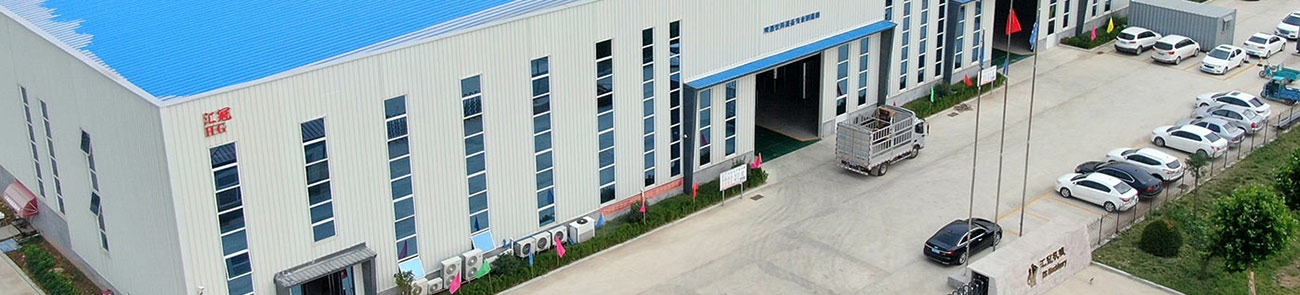
At HGMC, we provide commercial brewery equipment and production solutions for different brewing capacities and operating requirements. We can discuss the equipment configuration based on your planned output, packaging format, available space, and automation needs.
The most useful proposal is one that explains how the equipment works together and identifies the information still needed before the final configuration can be confirmed.
Include the following information:
A well-planned beer factory complete line should connect every major production stage, support the required output, and fit the available facility. By defining your needs before selecting individual machines, you can reduce configuration gaps and make a more informed investment decision.
Contact us with your production requirements to discuss a suitable equipment configuration and request a project-specific quotation.
For commercial breweries planning a new facility or expanding existing production, the main challenge is finding the right balance between output, equipment configuration, and future growth. This guide explains what a complete beer production line includes, how to choose the right configuration, and what to check before purchasing.
What Does a Beer Factory Complete Line Need to Include?
A complete beer factory line covers the main stages of commercial beer production, from raw material preparation to finished product packaging. The exact equipment list depends on the brewing process, production volume, and intended packaging format.Brewing and Raw Material Preparation
The brewing section prepares wort for fermentation. Depending on the required capacity and process, it may include malt milling equipment, mash and lauter vessels, a brewing kettle, and a whirlpool tank.The brewhouse configuration affects how brewing operations are scheduled. Two-vessel systems can suit certain production plans, while three-vessel or four-vessel systems may offer greater process flexibility for breweries with more demanding schedules.
The right choice depends on batch frequency, available space, and the level of operational flexibility required.
Fermentation and Beer Storage
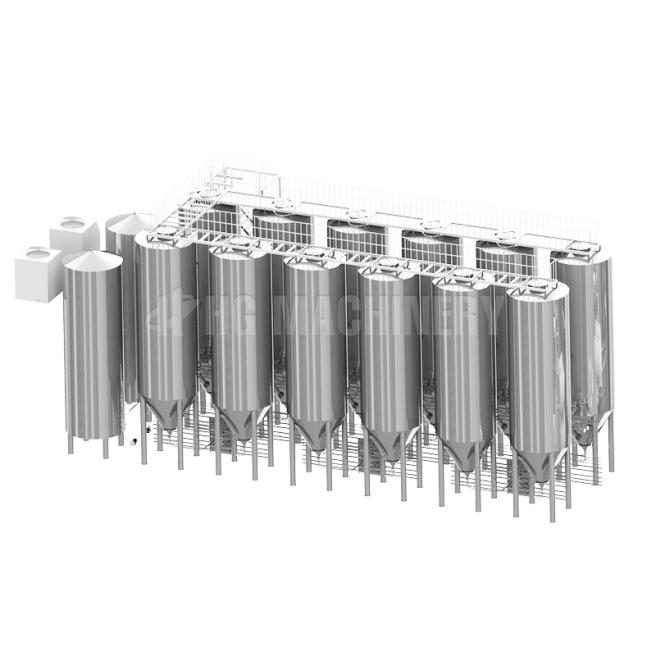
After wort preparation, fermentation tanks provide the controlled conditions needed for yeast activity and beer development. Bright beer tanks may also be required for conditioning, carbonation, and preparation before packaging.Tank capacity and quantity are especially important. A brewhouse may produce enough wort for the planned output, but insufficient fermentation capacity can delay the next batch.
Cooling equipment, sanitary transfer lines, and cleaning systems also need to be considered as part of the overall configuration.
Filling and Packaging
Once the beer is ready, it moves to the appropriate packaging equipment. Depending on the business model, the line may include bottle filling, canning, or kegging equipment.Labeling, conveying, packing, and other downstream equipment may also be needed. These units should be selected according to container type, packaging speed, and the required level of automation.
When planning the equipment scope, we recommend reviewing the complete range of brewery equipment for commercial beer production rather than evaluating each machine in isolation.
How Should a Beer Factory Complete Line Match Your Production Target?
Production capacity should be defined before equipment specifications are finalized. The goal is to produce the required volume consistently, not simply to install the largest available brewhouse.Start with Expected Production Volume
Estimate annual demand, expected sales growth, brewing days, and the number of batches required per day or week. Also consider whether production will remain relatively stable or fluctuate with seasonal demand.A brewery supplying local distributors may have different requirements from one focused on keg sales or packaged beer for retail markets.
These differences affect the required equipment capacity, production schedule, and packaging configuration.
Balance Brewing and Fermentation Capacity
Brewhouse capacity alone does not determine total production. Fermentation time, tank availability, cleaning cycles, and brewing frequency all affect how much beer the factory can produce.For example, increasing batch size will not necessarily improve overall output if the fermentation cellar cannot accommodate the additional volume. Similarly, too few tanks may force the brewery to delay brewing while waiting for available capacity.
Our approach is to evaluate the brewing and fermentation stages together, then determine a suitable combination of vessel sizes and quantities.For a more detailed explanation, see our guide on choosing a brewery solution by production capacity.
Match Packaging Capacity with Available Beer
Packaging equipment must support the volume of beer ready for filling. If the filling line operates too slowly, finished beer may accumulate in storage and restrict production scheduling.However, selecting a faster machine than the brewery needs can also increase investment without providing meaningful benefits.Consider the planned number of operating hours, container sizes, changeover requirements, and expected packaging volume before selecting the filling system.
Which Equipment Specifications Matter Most?
The best configuration depends on more than nominal capacity. Equipment specifications should reflect the actual brewing process, operating conditions, and products the brewery intends to manufacture.Tank Capacity and Cleaning Requirements
Tank volume and quantity should support the planned brewing schedule and fermentation cycle. Material selection, internal finish, fittings, and cleaning arrangements also influence routine operation.Cleaning-in-place (CIP) equipment may be required to clean tanks and connected process lines efficiently. The cleaning system should be designed around the equipment layout and hygiene requirements.
Automation and Process Control
Automation can help operators manage temperatures, transfer processes, and other critical brewing operations. The appropriate level depends on production complexity, staffing, and the consistency required across batches.Before choosing an automated system, identify which operations need automatic control and which can be managed manually. This helps prevent unnecessary complexity while ensuring that essential process controls are included.
Packaging Format and Flexibility
Bottle, can, and keg packaging require different equipment and handling arrangements. If the brewery plans to supply several formats, the line should accommodate the required changeovers and production schedules.Also consider future product development. A configuration that works for one container type may not support another without additional equipment or modifications.
What Should You Check Before Installing a Beer Factory Complete Line?
A suitable equipment configuration must also fit the factory. Overlooking installation conditions can lead to delays, additional costs, or difficult operating arrangements.Factory Layout and Utilities
Before confirming equipment dimensions, review the available floor space, ceiling height, drainage, access routes, and maintenance clearance.The project should also account for electrical supply, heating, cooling, water, compressed air where required, and wastewater handling. These requirements depend on the selected equipment and the local facility conditions.
Plan the positions of tanks, pumps, process lines, and packaging equipment together. Operators need sufficient room to work, clean, inspect, and maintain the system.
Installation and Commissioning
Confirm the scope of equipment supply, delivery, installation, connection, testing, and commissioning before placing an order.Responsibilities should be clear for both the equipment supplier and the customer. This includes preparing the factory, providing utilities, arranging lifting equipment where necessary, and confirming acceptance criteria.For projects involving a new facility, our guide on setting up a commercial beer manufacturing plant provides additional planning considerations.
Future Expansion
A complete line should meet current production needs while allowing reasonable room for growth. This does not mean purchasing oversized equipment from the beginning.Instead, consider whether additional fermentation tanks, greater packaging capacity, or expanded utility systems can be added later. Leave appropriate space for future equipment and check whether existing connections can support the planned expansion.
A phased expansion strategy can help control initial investment while preserving options for increasing output.
How Can You Evaluate a Beer Factory Complete Line Supplier?
A supplier should understand how the different production stages work together. Comparing equipment specifications and project responsibilities helps you determine whether a proposed line fits your requirements.Compare Technical Specifications and Supply Scope
When reviewing proposals, check the following points:- Brewhouse capacity and vessel configuration
- Fermentation and bright beer tank capacity
- Filling and packaging requirements
- Automation and process control
- Cooling, cleaning, and auxiliary equipment
- Installation, commissioning, and documentation
Confirm Engineering and Project Support
Discuss the factory layout, utility requirements, equipment connections, and installation schedule before finalizing the project.At HGMC, we provide commercial brewery equipment and production solutions for different brewing capacities and operating requirements. We can discuss the equipment configuration based on your planned output, packaging format, available space, and automation needs.
The most useful proposal is one that explains how the equipment works together and identifies the information still needed before the final configuration can be confirmed.
What Information Is Needed for a Beer Factory Complete Line Proposal?
Before requesting a quotation, prepare the basic details of your project. Clear requirements make it easier to evaluate suitable equipment configurations and compare proposals accurately.Include the following information:
- Production target: Expected annual output, batch size, and brewing frequency.
- Product range: Beer styles and any specific production requirements.
- Packaging format: Bottles, cans, kegs, or a combination of formats.
- Factory conditions: Available floor space, building dimensions, and existing utilities.
- Automation needs: Preferred operating method and process control requirements.
- Project plans: Expected installation schedule and possible future expansion.
A well-planned beer factory complete line should connect every major production stage, support the required output, and fit the available facility. By defining your needs before selecting individual machines, you can reduce configuration gaps and make a more informed investment decision.
Contact us with your production requirements to discuss a suitable equipment configuration and request a project-specific quotation.