Oct. 22, 2026
News
How Can 5000L Brewing Equipment Save Energy?
5000L brewing equipment energy saving starts with managing heat, cooling, and production efficiency across the brewing process. For a commercial brewery running multiple batches, unnecessary heat loss, inefficient cooling, and poorly matched equipment can increase operating costs. The key is to optimize energy use while maintaining stable brewing conditions and meeting production targets.
Evaluating these processes separately helps identify where equipment improvements can make the greatest difference.
This can reduce the additional energy required to heat water before brewing begins. It may also help coordinate wort cooling with hot water preparation, improving the use of available thermal energy.
To assess a heat recovery system, consider:
Important areas include:
When selecting 5000L brewing equipment, review insulation as part of the overall system design instead of treating it as an optional detail. Proper insulation also helps maintain more stable process temperatures during production.
Steam systems may suit breweries with an existing boiler and a suitable steam distribution network. Electric heating can simplify some installations where sufficient electrical capacity is available. Direct heating may be appropriate for certain system designs, depending on the fuel supply and heating arrangement.
When comparing options, evaluate:
HGMC can help buyers assess brewhouse configurations against their production requirements and available utilities. The most economical option should be selected through a project-specific comparison rather than assuming one heating method is always superior.
Several factors affect cooling energy use:
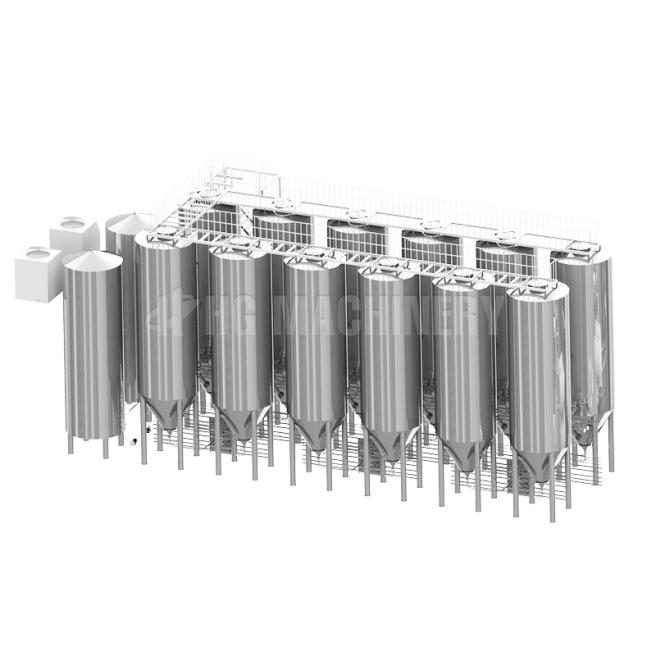
Fermentation capacity should also be planned alongside brewhouse output. HGMC offers 50,000L fermentation tanks for large-scale production requirements. Although this capacity is different from a 5000L brewhouse, it illustrates why tank volume, insulation, and cooling requirements must be evaluated according to the intended production system.
A more effective production plan should coordinate brewhouse operations, hot water demand, fermentation capacity, and cleaning schedules.
For example, recovered heat from one batch may be more useful when the next batch requires hot brewing water. Similarly, coordinating fermentation and cooling schedules can help avoid unnecessary simultaneous demand.
Breweries should also consider equipment utilization. If a system operates far below its intended capacity, the energy used for heating, cleaning, and maintaining equipment may be spread across a smaller volume of beer.
Tracking energy consumption alongside actual beer output provides a more useful comparison than looking at equipment power ratings alone. Measuring energy used per batch or per unit of finished beer can help identify opportunities for improvement.
Before selecting a system, review these factors:
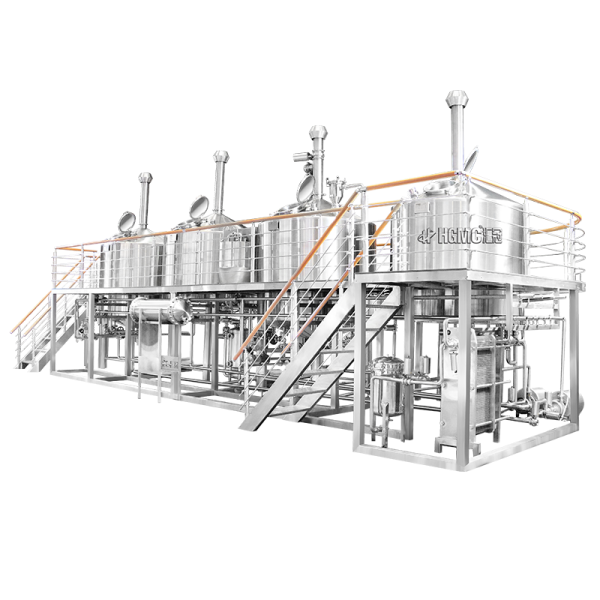
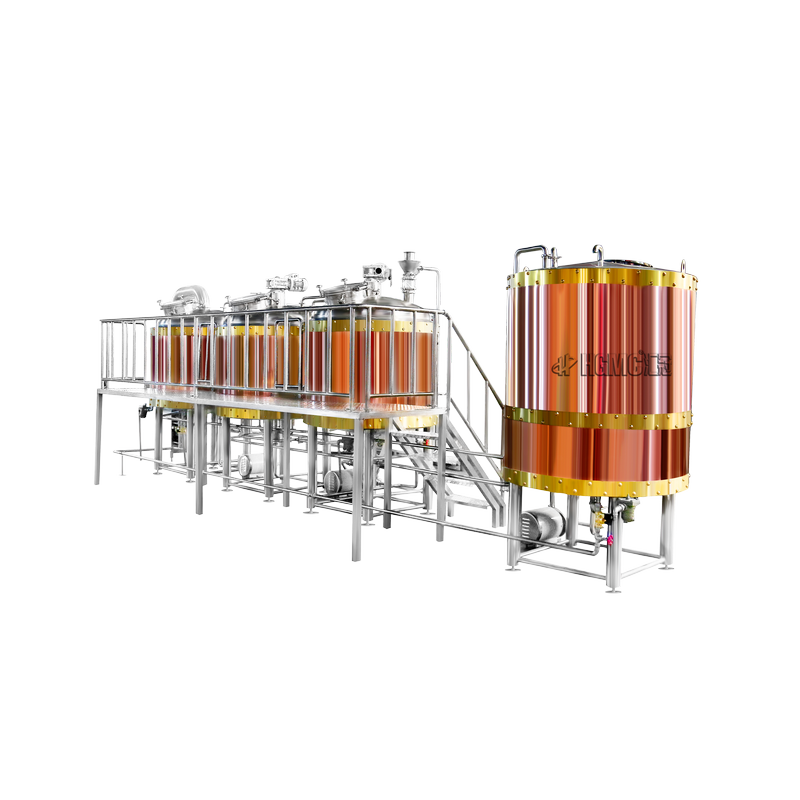
HGMC provides 5000L beer brewing equipment for commercial brewing applications. When evaluating this type of system, buyers should confirm the actual vessel configuration, heating arrangement, and available energy-saving features against their project requirements.
A complete system assessment is more useful than choosing equipment based on capacity alone. The brewhouse, hot water supply, cooling equipment, and fermentation tanks should work together to support the intended production schedule.
Start by recording electricity and fuel consumption, production volume, brewing hours, and cooling demand. Compare these figures across similar production periods to identify changes in energy performance.
A practical assessment can include the following steps:
Energy savings in a 5000L brewery come from matching equipment to the production process, reducing avoidable heat loss, and making effective use of heating and cooling resources. A well-planned system can support consistent brewing operations while helping control energy consumption over time.
Where Does 5000L Brewing Equipment Use the Most Energy?
Energy consumption in a 5000L brewing system mainly comes from heating, wort boiling, cooling, and fermentation temperature control. The actual energy demand depends on the heating method, brewing process, equipment design, and production schedule.- Heating: Energy is required to heat brewing water and mash to the target temperatures.
- Wort boiling: Maintaining the required boiling conditions can account for a significant share of thermal energy use.
- Cooling: Chillers and pumps consume electricity when cooling wort and maintaining fermentation temperatures.
- Cleaning: Hot water and cleaning systems also contribute to the total energy demand.
Evaluating these processes separately helps identify where equipment improvements can make the greatest difference.
How Can Heat Recovery Reduce Energy Use in 5000L Brewing Equipment?
Heat recovery allows breweries to reuse energy that would otherwise be lost during production. One common approach is to capture heat from hot wort during cooling and use it to preheat brewing water for a subsequent batch.This can reduce the additional energy required to heat water before brewing begins. It may also help coordinate wort cooling with hot water preparation, improving the use of available thermal energy.
To assess a heat recovery system, consider:
- The volume and temperature of hot wort available for cooling.
- The amount of brewing water required for the next batch.
- The timing of brewing and water heating operations.
- The heat exchanger capacity and connection layout.
How Does Insulation Reduce Heat Loss in Brewing Equipment?
Insulation helps maintain process temperatures and reduces heat loss from hot vessels and pipes. In a commercial brewery, effective insulation can lower the energy needed to maintain temperature during heating, boiling, and hot water storage.Important areas include:
- Brewhouse vessels that operate at elevated temperatures.
- Hot water tanks used for brewing and cleaning.
- Pipes that carry hot water or wort between equipment.
- Valves and connections where heat may escape.
When selecting 5000L brewing equipment, review insulation as part of the overall system design instead of treating it as an optional detail. Proper insulation also helps maintain more stable process temperatures during production.
Which Heating Method Is More Energy Efficient for 5000L Brewing Equipment?
The most suitable heating method depends on the brewery's energy supply, operating schedule, and equipment configuration. Steam heating, electric heating, and direct heating each have different installation and operating requirements.Steam systems may suit breweries with an existing boiler and a suitable steam distribution network. Electric heating can simplify some installations where sufficient electrical capacity is available. Direct heating may be appropriate for certain system designs, depending on the fuel supply and heating arrangement.
When comparing options, evaluate:
- Energy consumption under actual operating conditions.
- Heat transfer efficiency and temperature control.
- Local electricity or fuel costs.
- Installation requirements and maintenance.
- The time needed to heat the brewing volume.
HGMC can help buyers assess brewhouse configurations against their production requirements and available utilities. The most economical option should be selected through a project-specific comparison rather than assuming one heating method is always superior.
How Can Cooling Systems Reduce Energy Consumption?
Cooling efficiency is important because a 5000L brewing operation may require substantial cooling capacity during wort cooling and fermentation. An undersized system can struggle to meet production demands, while an oversized system may increase equipment investment and operate inefficiently under certain conditions.Several factors affect cooling energy use:
- Chiller capacity and operating efficiency.
- Cooling water temperature and heat exchanger performance.
- Fermentation temperature requirements.
- Insulation of fermentation tanks and cooling pipes.
- The timing and overlap of cooling demand across batches.
Fermentation capacity should also be planned alongside brewhouse output. HGMC offers 50,000L fermentation tanks for large-scale production requirements. Although this capacity is different from a 5000L brewhouse, it illustrates why tank volume, insulation, and cooling requirements must be evaluated according to the intended production system.
How Does Production Planning Affect Brewing Energy Use?
Energy efficiency depends on how equipment is used, not only on its technical specifications. Poorly coordinated batches may create unnecessary waiting periods, repeated heating, or inefficient use of cooling equipment.A more effective production plan should coordinate brewhouse operations, hot water demand, fermentation capacity, and cleaning schedules.
For example, recovered heat from one batch may be more useful when the next batch requires hot brewing water. Similarly, coordinating fermentation and cooling schedules can help avoid unnecessary simultaneous demand.
Breweries should also consider equipment utilization. If a system operates far below its intended capacity, the energy used for heating, cleaning, and maintaining equipment may be spread across a smaller volume of beer.
Tracking energy consumption alongside actual beer output provides a more useful comparison than looking at equipment power ratings alone. Measuring energy used per batch or per unit of finished beer can help identify opportunities for improvement.
How to Choose Energy-Efficient 5000L Brewing Equipment?
Choosing energy-efficient equipment starts with defining the production target and the meaning of the 5000L capacity. Buyers should confirm whether this refers to brewhouse batch volume, fermentation capacity, or another production specification.Before selecting a system, review these factors:
- Brewhouse vessel configuration and heating method.
- Available heat recovery options.
- Vessel and pipeline insulation.
- Cooling capacity and expected fermentation demand.
- Water consumption and cleaning requirements.
- Available utilities and expected production frequency.
HGMC provides 5000L beer brewing equipment for commercial brewing applications. When evaluating this type of system, buyers should confirm the actual vessel configuration, heating arrangement, and available energy-saving features against their project requirements.
A complete system assessment is more useful than choosing equipment based on capacity alone. The brewhouse, hot water supply, cooling equipment, and fermentation tanks should work together to support the intended production schedule.
How to Evaluate the Energy Cost of a 5000L Brewing System?
A reliable energy assessment uses actual operating data rather than general claims about energy savings. The main objective is to understand how much energy the brewery consumes to produce a given volume of finished beer.Start by recording electricity and fuel consumption, production volume, brewing hours, and cooling demand. Compare these figures across similar production periods to identify changes in energy performance.
A practical assessment can include the following steps:
- Record electricity and fuel use over a representative production period.
- Calculate the volume of finished beer produced during that period.
- Divide total energy consumption by finished beer volume to estimate energy use per unit of output.
- Compare results after equipment or process changes, accounting for differences in production volume and operating conditions.
- Target batch volume and expected production frequency.
- Available electricity, fuel, steam, and water supplies.
- Preferred heating and cooling arrangements.
- Existing equipment that can be integrated into the system.
- Planned production growth and operating schedule.
Energy savings in a 5000L brewery come from matching equipment to the production process, reducing avoidable heat loss, and making effective use of heating and cooling resources. A well-planned system can support consistent brewing operations while helping control energy consumption over time.