Oct. 19, 2026
News
Brewing Equipment Factory Price by System Configuration
Brewing equipment factory price depends on more than the capacity of a single vessel. The number of brewing vessels, fermentation tank requirements, automation level, and supporting systems all influence the final quotation. Understanding these configuration differences helps commercial brewery owners select suitable equipment, compare supplier proposals, and plan their investment more accurately.
The main factors include:
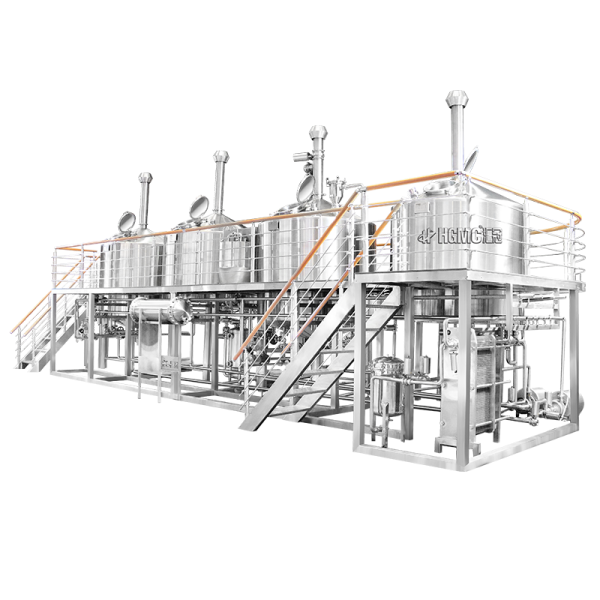
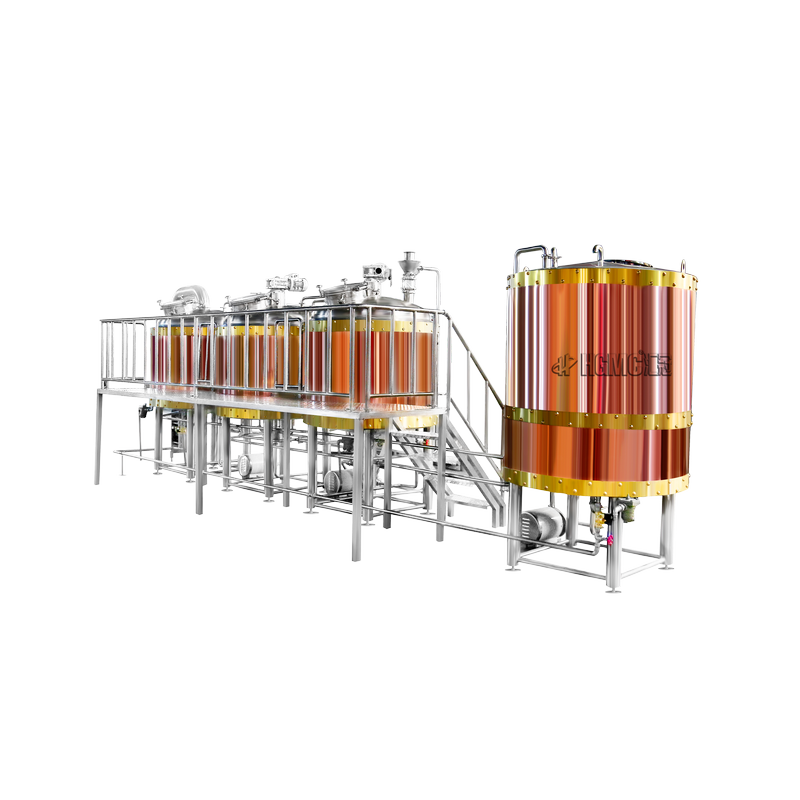
HGMC offers commercial configurations such as 1,000L two-vessel, three-vessel, and four-vessel brewing equipment. You can explore commercial brewhouse systems to compare available configurations and identify options for your production requirements.
A higher vessel count does not automatically guarantee better value. We recommend matching the configuration to the required output and brewing schedule instead of selecting equipment based on vessel count alone.
Consider three important factors:
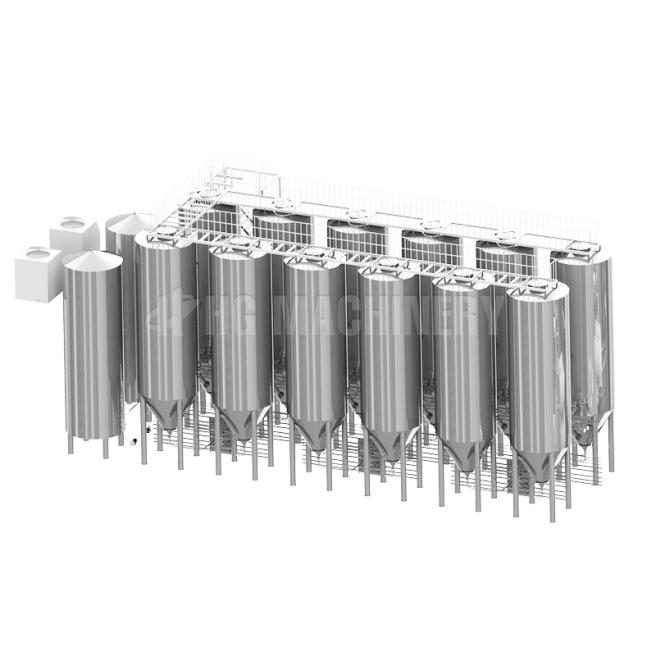
HGMC supplies fermentation tanks in a range of sizes, including 300L, 500L, 1,000L, 2,000L, and larger commercial models up to 100,000L. Fermentation tank range allows buyers to evaluate different capacities according to their production and cellar requirements.
The final tank configuration should account for batch frequency, fermentation time, beer styles, available space, and expected production growth.
At HGMC, we provide commercial brewery equipment covering brewing systems and related production equipment. When reviewing a quotation, confirm which auxiliary systems are included, which are optional, and which must be supplied separately.
When comparing factory prices, check the functions included in the control system rather than relying only on labels such as manual or automatic.
A brewhouse-only package focuses on the equipment required for the brewing process. A more comprehensive system may also include fermentation tanks, cooling, CIP cleaning, process piping, and packaging equipment.
The exact scope varies by project. Before comparing quotations, check:
A complete system may require a larger initial investment, but comparing the full scope helps you understand what remains to be purchased separately and avoid overlooking essential equipment.
Choosing equipment starts with a realistic production plan. The goal is to balance brewing capacity, fermentation space, and downstream processing without investing in unnecessary equipment.
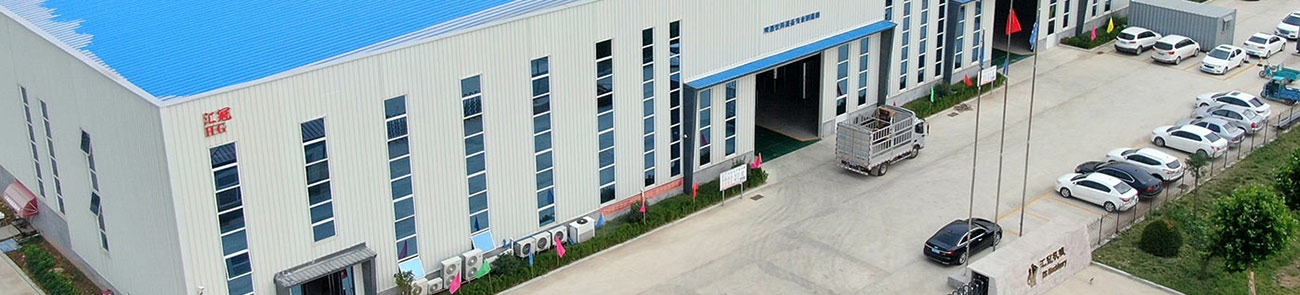
HGMC provides brewery equipment solutions for projects with different production requirements. Our manufacturing facilities cover more than 30,000 square meters, and we serve customers in over 120 countries. We use this manufacturing and project experience to support equipment selection based on production targets, configuration requirements, and facility conditions.
Before requesting a quote, prepare the following information:
There is no single factory price that applies to every brewery project. The most suitable solution depends on the relationship between production goals, equipment specifications, and the complete process.
At HGMC, we help commercial brewery customers assess these requirements and develop equipment configurations that fit their production plans. Contact our team with your project details to discuss suitable brewing equipment and request a tailored quotation.
How Brewing Equipment System Configuration Affects Factory Price
A brewing system consists of interconnected equipment that handles wort production, fermentation, cooling, cleaning, and beer packaging. The configuration determines how these processes work together and what equipment must be included in the quotation.The main factors include:
- Brewhouse vessel number and working capacity
- Fermentation tank quantity and volume
- Heating and cooling requirements
- Control system and automation level
- Pumps, piping, valves, and cleaning equipment
- Packaging requirements and project scope
Two-Vessel vs. Three-Vessel Brewhouse Configuration
The number of vessels affects equipment layout, process organization, and the investment required for a brewhouse. The right choice depends on production targets, brewing frequency, available space, and operating preferences.Two-Vessel Brewhouse
A two-vessel system combines multiple brewing functions within a compact arrangement. It can be suitable for commercial breweries that want to manage floor space and equipment investment while meeting their planned production schedule.Three-Vessel Brewhouse
A three-vessel system separates more brewing functions, providing greater flexibility for organizing process steps and scheduling batches. It may suit breweries that need more frequent brewing operations or greater production flexibility.HGMC offers commercial configurations such as 1,000L two-vessel, three-vessel, and four-vessel brewing equipment. You can explore commercial brewhouse systems to compare available configurations and identify options for your production requirements.
A higher vessel count does not automatically guarantee better value. We recommend matching the configuration to the required output and brewing schedule instead of selecting equipment based on vessel count alone.
How Fermentation Tank Capacity and Quantity Affect Equipment Cost
Brewhouse capacity determines the volume produced per batch, while fermentation capacity affects how much beer can be processed at the same time. These two areas must be planned together.Consider three important factors:
- Tank volume: The working capacity of each tank should match the planned batch size and production process.
- Tank quantity: More tanks may be needed when several batches ferment simultaneously.
- Fermentation cycle: Longer fermentation and conditioning periods can increase the tank capacity required to maintain a regular brewing schedule.
HGMC supplies fermentation tanks in a range of sizes, including 300L, 500L, 1,000L, 2,000L, and larger commercial models up to 100,000L. Fermentation tank range allows buyers to evaluate different capacities according to their production and cellar requirements.
The final tank configuration should account for batch frequency, fermentation time, beer styles, available space, and expected production growth.
Which Auxiliary Systems Should Be Included in a Brewing Equipment Quote?
Supporting equipment affects both the completeness of a brewing system and its final factory price. A quotation that covers only the main vessels may not include everything needed for daily production.Cooling and Cleaning Systems
Cooling equipment helps control process temperatures, while a clean-in-place (CIP) system supports routine cleaning of tanks and process lines. Their capacity and configuration should match the brewing and fermentation requirements.Pumps, Piping, and Controls
Pumps, sanitary piping, valves, sensors, and control panels connect the main vessels and support process operation. The required specifications depend on the equipment layout, transfer requirements, and desired automation level.Packaging Equipment
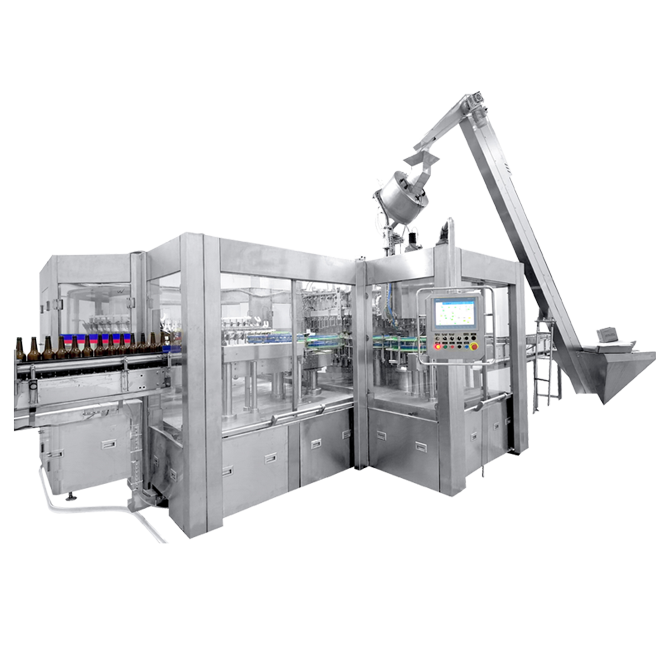
Breweries selling packaged beer may also need bottling, canning, or kegging equipment. These systems should be planned around the required packaging format and production speed.At HGMC, we provide commercial brewery equipment covering brewing systems and related production equipment. When reviewing a quotation, confirm which auxiliary systems are included, which are optional, and which must be supplied separately.
Manual, Semi-Automatic, and Automatic Brewing System Configurations
Automation affects equipment specifications, control functions, and the way operators manage production. The appropriate level depends on process complexity, staffing, production frequency, and operational requirements.- Manual systems rely more heavily on operator control and can suit operations with straightforward processes.
- Semi-automatic systems automate selected tasks while retaining manual control over other operations.
- Automatic systems can integrate more process controls and automated sequences, depending on the system design.
When comparing factory prices, check the functions included in the control system rather than relying only on labels such as manual or automatic.
Brewhouse Only vs. Complete Brewing Equipment System
The scope of supply is one of the main reasons two brewing equipment quotations may differ. A brewhouse-only package and a complete brewing system serve different purchasing needs.A brewhouse-only package focuses on the equipment required for the brewing process. A more comprehensive system may also include fermentation tanks, cooling, CIP cleaning, process piping, and packaging equipment.
The exact scope varies by project. Before comparing quotations, check:
- Which vessels and supporting equipment are included
- Whether pumps, valves, and piping are supplied
- Whether cooling and cleaning systems are part of the package
- Whether filling, canning, or kegging equipment is required
- Whether installation, commissioning, and other project services are included
A complete system may require a larger initial investment, but comparing the full scope helps you understand what remains to be purchased separately and avoid overlooking essential equipment.
Choosing equipment starts with a realistic production plan. The goal is to balance brewing capacity, fermentation space, and downstream processing without investing in unnecessary equipment.
Define Your Production Target
Estimate the required beer output, expected brewing frequency, and demand for different beer styles. These figures help determine the appropriate brewhouse capacity and the number of batches needed.Check Fermentation and Packaging Capacity
Confirm that fermentation tanks can handle the planned brewing schedule. If packaged beer is part of your business model, also consider the required filling speed and packaging format.Consider Future Expansion
If production is expected to grow, consider whether the initial layout can accommodate additional tanks or supporting equipment. Planning for expansion early can help reduce the need for major system changes later.HGMC provides brewery equipment solutions for projects with different production requirements. Our manufacturing facilities cover more than 30,000 square meters, and we serve customers in over 120 countries. We use this manufacturing and project experience to support equipment selection based on production targets, configuration requirements, and facility conditions.
How to Request an Accurate Brewing Equipment Factory Price
A detailed inquiry helps us recommend a suitable configuration and prepare a quotation based on the actual project scope.Before requesting a quote, prepare the following information:
- Target production capacity and expected brewing frequency
- Preferred brewhouse capacity and vessel configuration
- Required fermentation tank sizes and quantities
- Heating method, cooling requirements, and automation preferences
- Available installation space and utility conditions
- Packaging format and any additional equipment requirements
There is no single factory price that applies to every brewery project. The most suitable solution depends on the relationship between production goals, equipment specifications, and the complete process.
At HGMC, we help commercial brewery customers assess these requirements and develop equipment configurations that fit their production plans. Contact our team with your project details to discuss suitable brewing equipment and request a tailored quotation.