Oct. 22, 2026
News
How to Choose Automatic Brewing Equipment for a Bar
A bar that brews its own beer faces a practical challenge: customers expect fresh beer on tap, but brewing also requires careful temperature control, cleaning, fermentation management, and consistent production schedules. When staff are busy serving customers, a well-designed automated brewing system can make these tasks easier to manage. The key is choosing equipment that fits the bar’s space, expected beer sales, and level of automation without investing in unnecessary features.
For a bar with an on-site brewery, the goal is to make production more consistent while keeping daily operation manageable. The level of automation varies by system. Some setups automate specific brewing steps, while more advanced configurations integrate multiple processes through a centralized control system.
A typical system may include:
When comparing systems, confirm exactly which functions are automated. Automatic temperature control does not necessarily mean the entire brewing process is fully automatic.
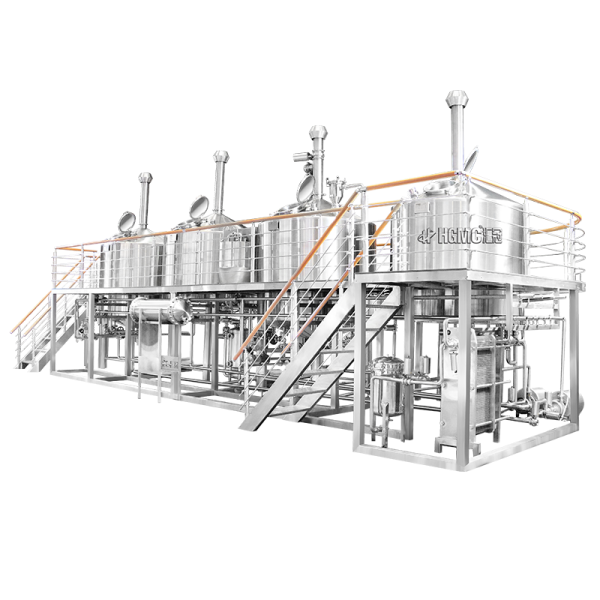
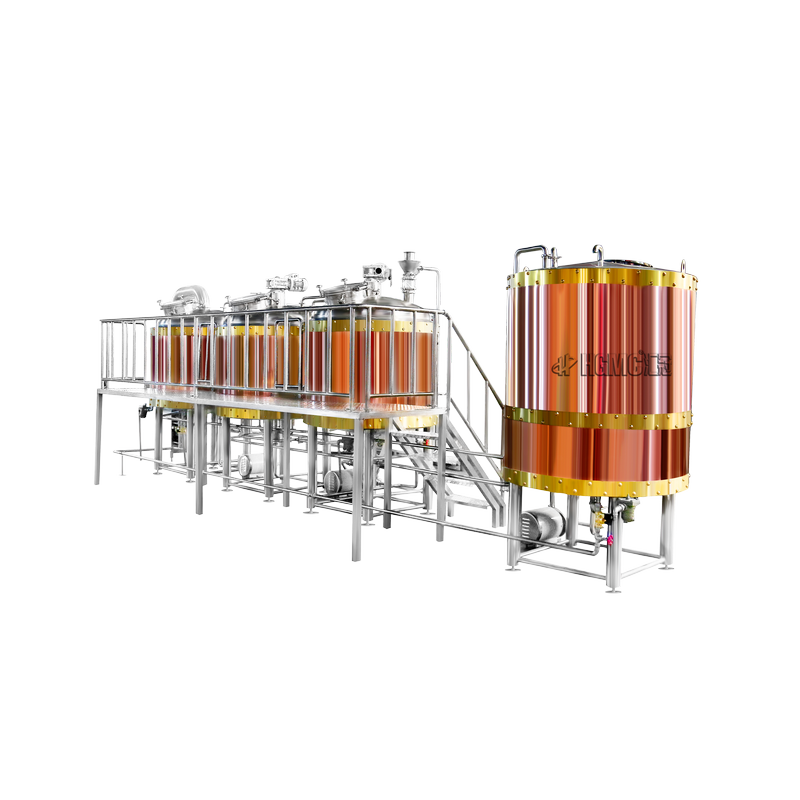
Our commercial brewhouse equipment includes different vessel configurations for commercial brewing applications. For a bar brewery, the appropriate system depends on the required batch volume, available installation space, and desired automation level.
Tank capacity should be planned alongside brewhouse output. If fermentation capacity is too limited, the brewery may struggle to maintain a regular supply even when the brewhouse can produce enough wort.
These components should be included in the initial design because they affect installation space, utilities, operating procedures, and the overall equipment quote.
Consider three main factors:
Our brewery equipment range covers different commercial production requirements. Selecting a suitable system starts with a realistic production target and a clear understanding of how much beer the bar intends to serve.
Before finalizing the layout, assess:
After fermentation and any required conditioning, beer may be transferred to suitable storage tanks or kegs before serving. The exact arrangement depends on the beer styles, serving method, and distance between the brewing area and the bar.
When planning the system, consider:
The main factors include:
Before requesting a quote, prepare the expected batch size, daily or weekly beer demand, number of beer styles, fermentation schedule, preferred automation functions, and available utility information. Also decide whether the bar will serve beer directly from tanks, use kegs, or require additional packaging equipment.
HGMC works with customers to match brewing systems to project needs, from equipment selection to broader commercial brewery planning.
Automatic brewing equipment should simplify the work behind the bar, not create a more complicated production process. By defining the required automation functions and planning brewing, fermentation, and draft service as one connected operation, bar owners can make a more informed equipment investment and build a system that fits the way their business actually runs.
What Is Automatic Brewing Equipment for a Bar?
Automatic brewing equipment combines commercial brewing vessels with control systems that manage selected production steps. Depending on the configuration, automation may support temperature regulation, pump operation, process timing, and monitoring of brewing conditions.For a bar with an on-site brewery, the goal is to make production more consistent while keeping daily operation manageable. The level of automation varies by system. Some setups automate specific brewing steps, while more advanced configurations integrate multiple processes through a centralized control system.
A typical system may include:
- A brewhouse for mashing, lautering, and wort boiling.
- Fermentation tanks for yeast activity and beer maturation.
- A cooling system to control process temperatures.
- Pumps, valves, and piping for liquid transfer.
- A control panel for operating and monitoring selected processes.
How Does Automatic Brewing Equipment Improve Bar Brewing?
Automation can reduce the need for constant manual adjustments during selected brewing operations. It does not eliminate the need for trained staff, but it can help operators follow repeatable procedures and manage production more efficiently.More consistent brewing conditions
Temperature and process timing affect wort production and beer quality. Automated controls can help maintain defined operating conditions, reducing variation caused by manual adjustments.Easier daily operation
Depending on the control system, operators may be able to manage pumps, heating, and selected process steps from a control panel. This can simplify routine tasks when staff need to coordinate brewing with bar service.Better production planning
Repeatable brewing procedures make it easier to schedule batches and coordinate brewhouse use with fermentation capacity. Staff still need to monitor the process, clean equipment, and check product quality.When comparing systems, confirm exactly which functions are automated. Automatic temperature control does not necessarily mean the entire brewing process is fully automatic.
What Equipment Does an Automatic Bar Brewing System Need?
The equipment package should cover the full brewing process, not just the brewhouse. Each component needs to match the production schedule and the way the bar serves its beer.Brewhouse and control system
The brewhouse handles the main brewing stages. Vessel configuration, heating method, batch capacity, and control functions determine how the system operates.Our commercial brewhouse equipment includes different vessel configurations for commercial brewing applications. For a bar brewery, the appropriate system depends on the required batch volume, available installation space, and desired automation level.
Fermentation tanks
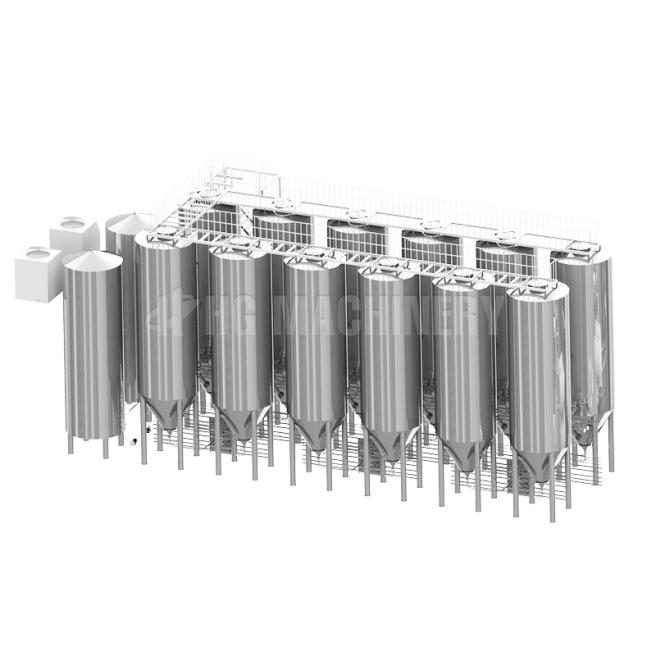
Fermentation tanks determine how much beer can be processed and held between brewing and service. A bar offering several beer styles may need multiple tanks so different batches can ferment on separate schedules.Tank capacity should be planned alongside brewhouse output. If fermentation capacity is too limited, the brewery may struggle to maintain a regular supply even when the brewhouse can produce enough wort.
Cooling and cleaning systems
Cooling equipment supports the temperature requirements of brewing and fermentation. Cleaning systems, pumps, valves, and suitable piping help maintain sanitary operating conditions.These components should be included in the initial design because they affect installation space, utilities, operating procedures, and the overall equipment quote.
How to Choose Automatic Brewing Equipment Capacity for a Bar?
A bar should size its brewing system around expected beer sales rather than choosing equipment based on floor space alone. A system that is too small may struggle during busy periods, while an oversized setup can add unnecessary equipment and operating requirements.Consider three main factors:
- Daily beer demand: Estimate how much beer customers are likely to consume during normal and peak periods.
- Batch frequency: Determine how often the brewhouse needs to operate to maintain supply.
- Fermentation time: Account for the time each beer requires in fermentation and conditioning before service.
Our brewery equipment range covers different commercial production requirements. Selecting a suitable system starts with a realistic production target and a clear understanding of how much beer the bar intends to serve.
How to Plan Bar Space for Automatic Brewing Equipment
Installing brewing equipment inside a bar requires more than finding space for the vessels. Staff need safe access for operation, cleaning, inspection, and maintenance, while the installation must accommodate the relevant utilities.Before finalizing the layout, assess:
- Equipment footprint: Allow space for the brewhouse, fermentation tanks, and auxiliary systems.
- Working access: Leave suitable room for operating valves, opening tank ports, and carrying out maintenance.
- Utilities: Confirm requirements for water, drainage, electricity, heating, and cooling.
- Ventilation and heat: Plan for the heat and moisture generated during brewing.
- Customer and staff movement: Keep brewing operations separate from busy service routes wherever possible.
How Does Automatic Brewing Equipment Support Draft Beer Service?
For many bar breweries, the final goal is to serve freshly brewed beer directly to customers. This means the equipment plan must connect brewing and fermentation with storage, transfer, and dispensing.After fermentation and any required conditioning, beer may be transferred to suitable storage tanks or kegs before serving. The exact arrangement depends on the beer styles, serving method, and distance between the brewing area and the bar.
When planning the system, consider:
- Whether beer will be served directly from suitable tanks or through kegs.
- How much finished beer needs to be available during busy service periods.
- How beer will be cooled and transferred to the dispensing point.
- How product-contact equipment and reusable kegs will be cleaned.
- Whether additional storage capacity is needed for multiple beer styles.
What Affects the Cost of Automatic Brewing Equipment for a Bar?
The factory price depends on the actual equipment package and automation requirements. There is no single configuration suitable for every bar brewery.The main factors include:
- Brewhouse size and vessel configuration: Larger capacities and different vessel arrangements change the equipment scope.
- Automation level: The number of automated functions, control components, and integration requirements affects system design.
- Fermentation capacity: Tank quantity, volume, cooling requirements, and accessories influence the overall package.
- Auxiliary equipment: Cooling, cleaning, pumps, piping, and controls contribute to the complete system.
- Installation conditions: Available space, utilities, and project-specific requirements can affect planning and installation.
How to Choose the Right Automatic Brewing System for Your Bar?
The most suitable system is one that supports the bar’s beer sales, available space, and staff capabilities while leaving room for realistic future growth.Before requesting a quote, prepare the expected batch size, daily or weekly beer demand, number of beer styles, fermentation schedule, preferred automation functions, and available utility information. Also decide whether the bar will serve beer directly from tanks, use kegs, or require additional packaging equipment.
HGMC works with customers to match brewing systems to project needs, from equipment selection to broader commercial brewery planning.
Automatic brewing equipment should simplify the work behind the bar, not create a more complicated production process. By defining the required automation functions and planning brewing, fermentation, and draft service as one connected operation, bar owners can make a more informed equipment investment and build a system that fits the way their business actually runs.