Oct. 19, 2026
News
Micro Brewing Equipment Factory Price for Different Business Applications
Micro brewing equipment requirements vary with the type of business, expected beer output, and sales channels. A restaurant brewery needs a different setup from a taproom or a small commercial brewery supplying bottled and canned beer. Understanding these differences helps buyers select suitable equipment, control unnecessary investment, and obtain a more accurate factory quote.
A compact brewhouse can support regular small-batch production. Fermentation capacity should match the expected sales volume and the time required for each beer to mature.
When planning this type of project, consider:
Fermentation tank capacity is especially important. If several beer styles are served simultaneously, separate tanks allow different batches to ferment on their own schedules.
A practical setup may include:
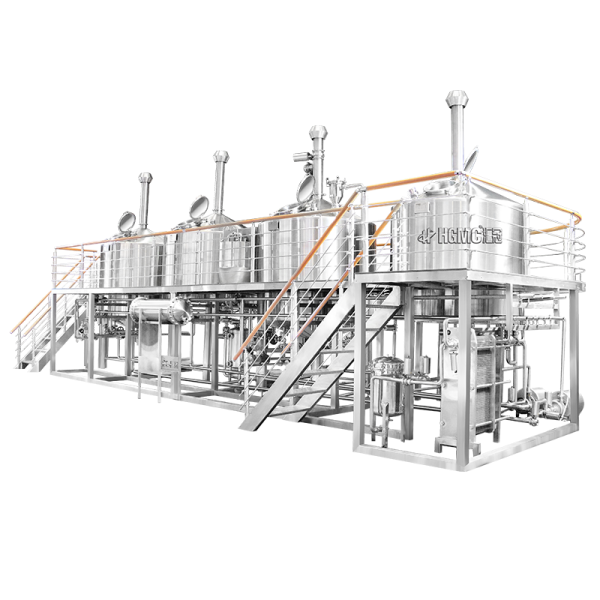
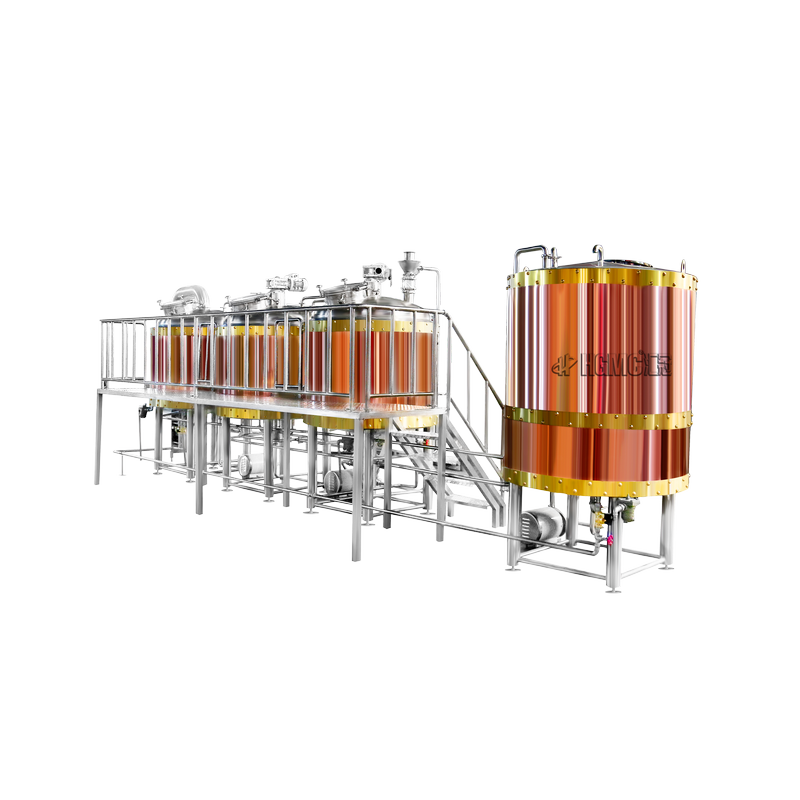
The number of vessels also matters. A 2-vessel system combines certain brewing processes, while a 3-vessel or 4-vessel configuration separates more operations. The right choice depends on the desired workflow, available space, and production schedule.
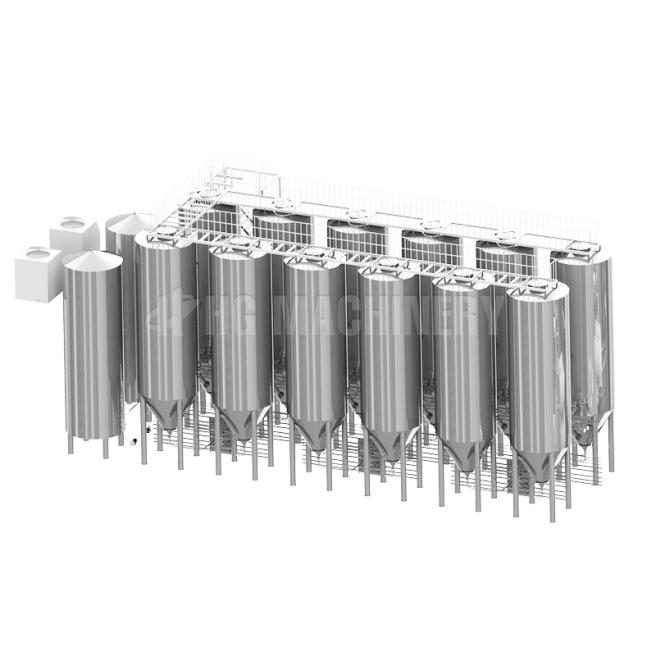
Our fermentation tank range includes models from 300L and 500L to 1,000L, 2,000L, and larger capacities. Tank quantity and size should be selected according to the beer production plan rather than the brewhouse volume alone.
Key equipment considerations include:
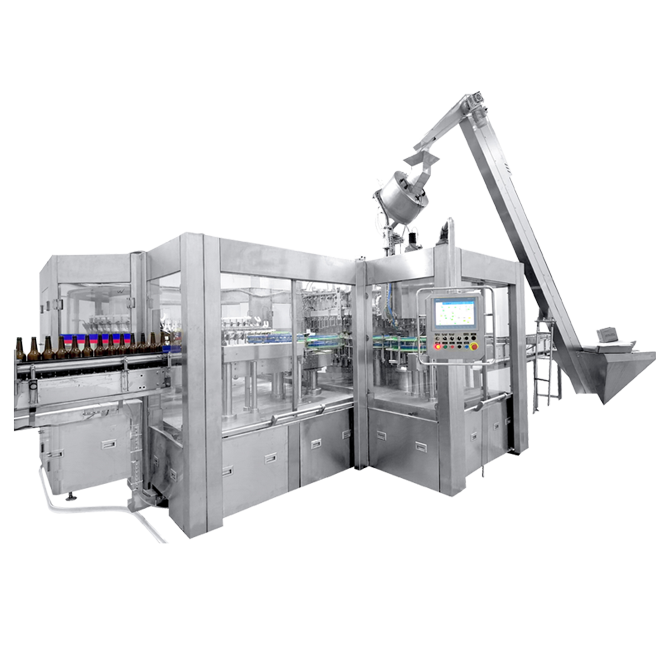
A complete production plan may include beer storage, filling, sealing, conveying, and packaging equipment. The required automation level depends on production volume, labor availability, and packaging frequency.
Before requesting a quote, confirm:
Separate fermentation tanks allow different beers to progress independently. Tank sizing should account for the expected batch volume, while the brewhouse should support the recipes and production frequency planned for the business.
When comparing equipment configurations, consider the cost of adding more tanks later. A modular plan may help a brewery start with the equipment it needs now while leaving room for future expansion.
The main factors include:
For a configuration suited to your application, contact HGMC for a micro brewing equipment factory price. The quote can then be based on your actual production targets, equipment requirements, and project conditions rather than an assumed standard package.
Micro Brewing Equipment for Restaurant Breweries
Restaurant breweries produce beer for on-site consumption while managing kitchen operations, dining space, and customer service. Equipment selection must balance brewing capacity with available floor space.A compact brewhouse can support regular small-batch production. Fermentation capacity should match the expected sales volume and the time required for each beer to mature.
When planning this type of project, consider:
- Brewhouse capacity and available installation space.
- The number of fermentation tanks needed for different batches.
- Cooling, cleaning, and beer transfer requirements.
- Access for equipment operation and maintenance.
Micro Brewing Equipment for Taprooms
Taprooms focus on serving beer directly to customers, often with several beer styles available at the same time. The equipment must support a consistent supply without producing more beer than the business can sell.Fermentation tank capacity is especially important. If several beer styles are served simultaneously, separate tanks allow different batches to ferment on their own schedules.
A practical setup may include:
- A brewhouse matched to the planned batch size.
- Multiple fermentation tanks for different beer styles.
- Bright beer tanks when required by the serving and storage process.
- Cooling and cleaning systems suited to the production schedule.
Micro Brewing Equipment for Small Commercial Breweries
Small commercial breweries need reliable production across repeated batches. Their equipment choices should reflect not only the volume of a single brew but also the total amount of beer required each week or month.Choose the right brewhouse size
Brewhouse capacity affects batch volume and the time needed to reach production targets. A smaller system may suit limited demand, while a larger system can support higher output when sales grow.The number of vessels also matters. A 2-vessel system combines certain brewing processes, while a 3-vessel or 4-vessel configuration separates more operations. The right choice depends on the desired workflow, available space, and production schedule.
Plan fermentation capacity separately
Fermentation tanks must support the planned brewing frequency and the time each beer spends in fermentation and conditioning. A brewhouse that can produce enough wort is not sufficient if there are too few tanks to process successive batches.Our fermentation tank range includes models from 300L and 500L to 1,000L, 2,000L, and larger capacities. Tank quantity and size should be selected according to the beer production plan rather than the brewhouse volume alone.
Micro Brewing Equipment for Keg Beer Distribution
Breweries supplying restaurants, bars, and local customers need to consider the full process from brewing to keg delivery. Production capacity must match customer demand, while the transfer and cleaning processes must support consistent beer quality.Key equipment considerations include:
- Fermentation and storage capacity for scheduled orders.
- Beer transfer connections and suitable pumps.
- Keg filling equipment matched to expected order volumes.
- Cleaning arrangements for reusable kegs and product-contact equipment.
Micro Brewing Equipment for Bottled and Canned Beer
Bottled and canned beer production requires more than a brewhouse and fermentation tanks. Packaging equipment must match the brewery’s output and the container formats it intends to sell.A complete production plan may include beer storage, filling, sealing, conveying, and packaging equipment. The required automation level depends on production volume, labor availability, and packaging frequency.
Before requesting a quote, confirm:
- Whether the brewery will produce bottles, cans, or both.
- The expected packaging output per hour.
- The container sizes and formats required.
- The space available for packaging equipment.
- Whether filling and packaging should be integrated into the initial project.
Micro Brewing Equipment for Seasonal and Specialty Beer
Seasonal and specialty beer production often involves smaller batches, multiple recipes, and changing production schedules. Flexibility can be more important than maximizing output from every batch.Separate fermentation tanks allow different beers to progress independently. Tank sizing should account for the expected batch volume, while the brewhouse should support the recipes and production frequency planned for the business.
When comparing equipment configurations, consider the cost of adding more tanks later. A modular plan may help a brewery start with the equipment it needs now while leaving room for future expansion.
What Determines the Micro Brewing Equipment Factory Price?
The factory price depends on the complete equipment configuration rather than the brewhouse capacity alone. Two breweries with similar output targets may require different systems because their production processes and sales channels differ.The main factors include:
- Brewhouse configuration: Capacity, vessel count, heating method, and automation.
- Fermentation equipment: Tank quantity, working capacity, cooling, and accessories.
- Auxiliary systems: Cooling, cleaning, pumps, piping, and controls.
- Packaging requirements: Kegging, bottling, canning, and downstream packaging.
- Project conditions: Available space, utilities, installation needs, and local requirements.
How to Get a Micro Brewing Equipment Factory Quote
A useful quote starts with clear project information. Before contacting a manufacturer, prepare the following details:- Business type, such as a restaurant brewery, taproom, or distribution-focused brewery.
- Target batch volume and expected daily or monthly production.
- Required beer styles and fermentation schedule.
- Sales formats, including draft, bottles, or cans.
- Available floor space, water supply, power, and heating utilities.
- Preferred automation level and plans for future expansion.
For a configuration suited to your application, contact HGMC for a micro brewing equipment factory price. The quote can then be based on your actual production targets, equipment requirements, and project conditions rather than an assumed standard package.