Nov. 27, 2026
News
Micro Beer Making Machine Factory Price and How to Get an Accurate Quote
When requesting a micro beer making machine factory price, do you know what information a manufacturer needs to prepare an accurate quotation? A general inquiry about equipment capacity is rarely enough. Production targets, brewing methods, tank requirements, utilities, and installation conditions all influence the final configuration.
If you are planning a commercial microbrewery, preparing these details before contacting a manufacturer can make the quotation process more efficient. It also helps you compare proposals based on the same requirements rather than choosing equipment simply because its initial price is lower.
Even when two buyers request equipment with similar batch capacities, their actual requirements may be different.
For example, one brewery may need a compact system for producing draft beer, while another may require additional fermentation tanks and packaging equipment for distribution. Their equipment lists and manufacturing requirements will naturally differ.
The quotation also depends on details such as:
For example, a 500L brewhouse does not necessarily mean the brewery produces only 500L of beer per day. Actual output also depends on the number of brewing cycles, fermentation capacity, and production schedule.
Tell the manufacturer:
Useful details include:
If you mainly sell draft beer, you may prioritize brewing, fermentation, and keg-related equipment. If you plan to distribute packaged beer, you should also consider suitable filling and packaging equipment.
You can explain whether your planned sales formats include:
Provide basic information about:
You should also distinguish between nominal vessel volume and actual working capacity. This helps avoid misunderstandings about how much wort can be processed in each brewing cycle.
The choice should consider available utilities, energy costs, equipment layout, and operating preferences. If you have a specific power supply standard or existing boiler system, share it with the manufacturer.
You can also ask about:
Specify which functions you expect to control, such as temperature monitoring, pump operation, water mixing, and process coordination.
The goal is to define the required control functions clearly, not simply to select the highest automation level.
A useful comparison should cover the following areas:
Pay particular attention to equipment that appears in one quotation but not another. A lower price may simply reflect a smaller equipment scope.
You should also ask the manufacturer to clarify any unclear descriptions. For example, if a quotation lists a cooling system, confirm which components are included rather than assuming that the entire cooling arrangement is covered.
The factory price generally refers to the equipment supplied by the manufacturer under the agreed commercial terms. Other project expenses may need to be considered separately.
Depending on the purchasing arrangement, these can include:
You should also distinguish between the equipment purchase cost and ongoing operating expenses, such as electricity, heating, water, cleaning materials, and labor.
A standard equipment package may be a suitable starting point, but not every brewery needs the same vessel combination, tank quantity, or auxiliary systems.
At HGMC, we develop brewing equipment configurations according to the customer's production capacity, brewing process, available space, heating method, and automation requirements.
For example, we can consider the following when preparing a proposal:
A customized proposal helps you prioritize essential equipment while avoiding unnecessary configurations at the initial purchasing stage.
With more than 20 years of experience in brewing equipment manufacturing, we understand that a suitable microbrewery system needs to match both the production plan and the conditions of the brewery.
When you contact us, you can share your expected production capacity, beer styles, packaging plans, available installation space, and preferred automation level. If you have existing equipment specifications or a facility layout, you can also send them for reference.
Our team can use this information to evaluate the equipment configuration and prepare a proposal based on your project requirements.
Contact HGMC to discuss your micro beer making machine requirements and request a factory quotation. A clear project brief is the first step toward selecting the right equipment for your brewery.
If you are planning a commercial microbrewery, preparing these details before contacting a manufacturer can make the quotation process more efficient. It also helps you compare proposals based on the same requirements rather than choosing equipment simply because its initial price is lower.
Why Is There No Standard Factory Price for a Micro Beer Making Machine?
A micro beer making machine is not always a single piece of equipment. Depending on the project, it may refer to a brewhouse, a brewing system with fermentation tanks, or a more complete production setup.Even when two buyers request equipment with similar batch capacities, their actual requirements may be different.
For example, one brewery may need a compact system for producing draft beer, while another may require additional fermentation tanks and packaging equipment for distribution. Their equipment lists and manufacturing requirements will naturally differ.
The quotation also depends on details such as:
- Brewhouse configuration: The number and combination of vessels affect the equipment structure and brewing workflow.
- Heating method: Electric, steam, and direct-fire heating require different equipment arrangements.
- Automation level: Manual, semi-automatic, and PLC-controlled systems have different control configurations.
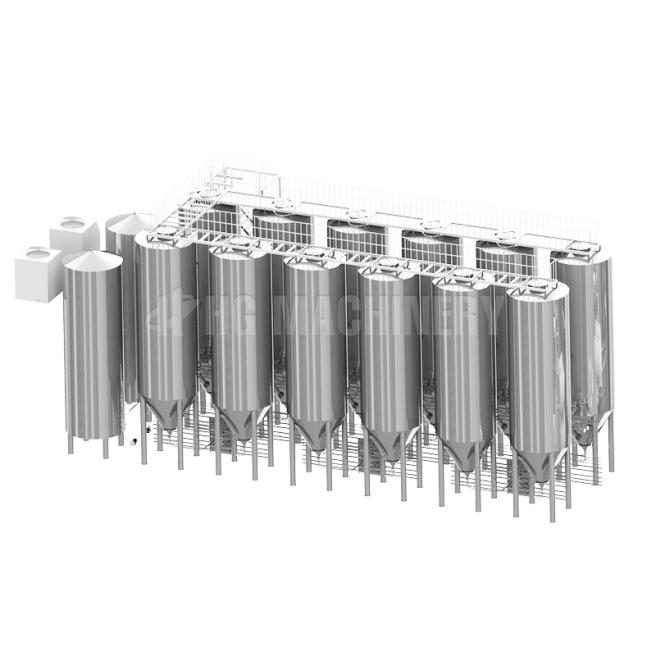
- Fermentation capacity: Tank quantity and working volume need to match the production schedule.
- Supporting equipment: Cooling, cleaning, pumps, piping, and other auxiliary systems affect the complete equipment scope.
What Information Does a Factory Need Before Quoting?
Before asking for a price, prepare a basic project brief. The more clearly you describe your intended production, the easier it is for the manufacturer to recommend suitable equipment.1. Target Production Capacity
Start with your expected beer output. You should distinguish between batch capacity, daily production, and monthly or annual output.For example, a 500L brewhouse does not necessarily mean the brewery produces only 500L of beer per day. Actual output also depends on the number of brewing cycles, fermentation capacity, and production schedule.
Tell the manufacturer:
- Expected batch volume
- Number of brews per day or week
- Target daily or monthly output
- Expected production growth
2. Beer Types and Brewing Requirements
Different beer products may require different recipes and fermentation arrangements. If you plan to produce several styles, explain this at the beginning.Useful details include:
- Main beer styles you intend to produce
- Whether you will produce different beers simultaneously
- Expected fermentation and conditioning time
- Whether you need separate tanks for different batches
3. Sales and Packaging Plans
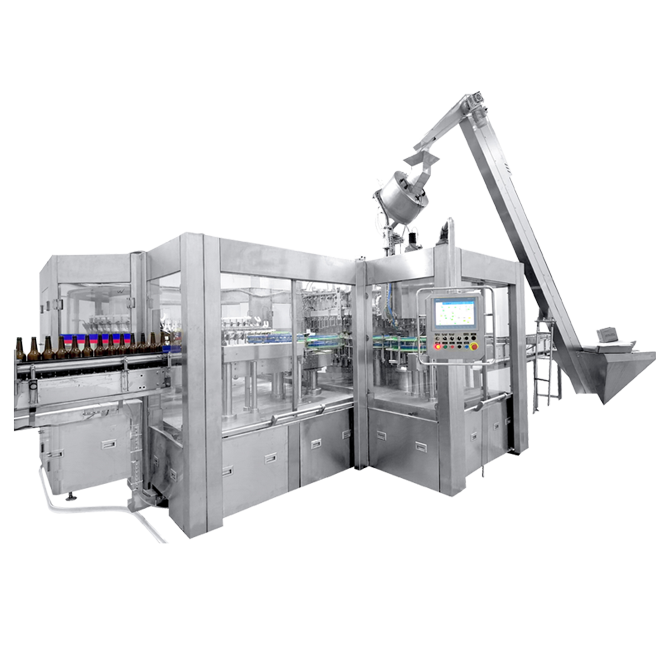
Your sales model also determines which equipment should be included.If you mainly sell draft beer, you may prioritize brewing, fermentation, and keg-related equipment. If you plan to distribute packaged beer, you should also consider suitable filling and packaging equipment.
You can explain whether your planned sales formats include:
- Draft beer served on-site
- Keg beer supplied to other businesses
- Bottled beer
- Canned beer
4. Available Installation Conditions
A manufacturer also needs to understand where the equipment will be installed.Provide basic information about:
- Available floor area and building height
- Equipment access points and transportation routes
- Water supply and drainage
- Electrical power supply
- Available heating utilities
- Installation location and target delivery schedule
Which Machine Specifications Should You Confirm?
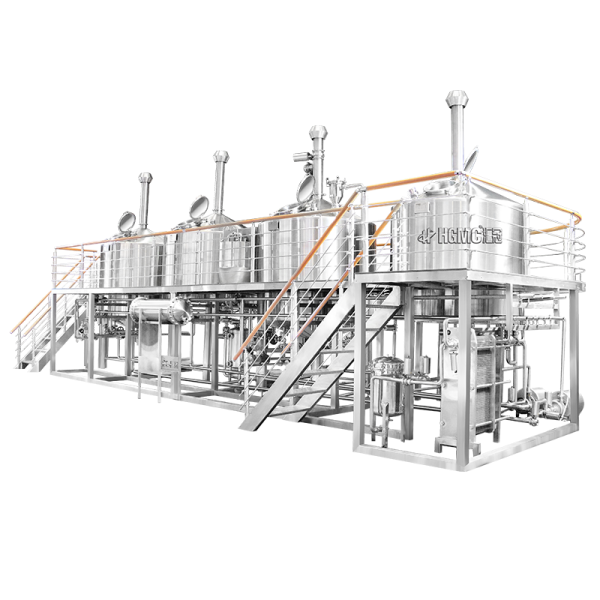
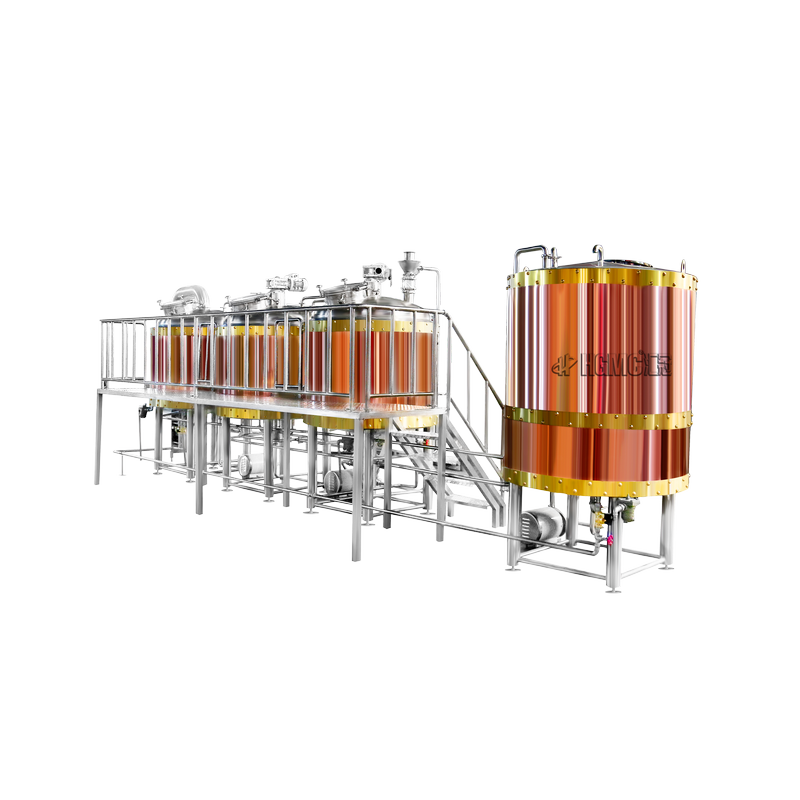
Once the manufacturer understands your project, the next step is to clarify the technical specifications. These details should be confirmed before the quotation is finalized.Brewhouse Configuration and Vessel Capacity
Ask whether the proposed system uses two, three, or four vessels, and confirm the function and volume of each vessel.You should also distinguish between nominal vessel volume and actual working capacity. This helps avoid misunderstandings about how much wort can be processed in each brewing cycle.
Heating Method and Energy Requirements
Confirm whether the system uses electric, steam, or direct-fire heating.The choice should consider available utilities, energy costs, equipment layout, and operating preferences. If you have a specific power supply standard or existing boiler system, share it with the manufacturer.
Material and Construction
For stainless steel brewing equipment, confirm the material grade and the construction requirements for the main vessels.You can also ask about:
- Internal and external surface finishing
- Insulation requirements
- Tank pressure and cooling jacket design
- Manholes, valves, and sanitary connections
- Welding and fabrication standards
Automation and Control
Automation should match the way your brewery will operate. A smaller commercial brewery may work well with semi-automatic controls, while a more complex production process may benefit from PLC-based control.Specify which functions you expect to control, such as temperature monitoring, pump operation, water mixing, and process coordination.
The goal is to define the required control functions clearly, not simply to select the highest automation level.
How to Read and Compare Micro Beer Making Machine Quotations
After receiving quotations, avoid comparing only the final prices. First, check whether each manufacturer is quoting the same equipment scope and technical requirements.A useful comparison should cover the following areas:
| Item to compare | What to check |
| Equipment list | Which vessels, tanks, and auxiliary systems are included? |
| Capacity | Are batch volume and working volume clearly stated? |
| Technical specifications | Are materials, dimensions, and design requirements consistent? |
| Heating system | Is the heating method included and correctly specified? |
| Automation | Which control functions are included? |
| Accessories | Are pumps, valves, pipes, and fittings listed? |
| Commercial terms | Are payment, delivery, packaging, and warranty terms clear? |
Pay particular attention to equipment that appears in one quotation but not another. A lower price may simply reflect a smaller equipment scope.
You should also ask the manufacturer to clarify any unclear descriptions. For example, if a quotation lists a cooling system, confirm which components are included rather than assuming that the entire cooling arrangement is covered.
Factory Price vs. Total Purchasing Cost
A factory quotation and the total cost of purchasing and operating brewery equipment are not necessarily the same.The factory price generally refers to the equipment supplied by the manufacturer under the agreed commercial terms. Other project expenses may need to be considered separately.
Depending on the purchasing arrangement, these can include:
- International freight and transportation
- Export packaging and insurance
- Import duties and local taxes
- Customs clearance
- Local unloading and equipment handling
- Installation and commissioning
- Facility preparation and utility connections
You should also distinguish between the equipment purchase cost and ongoing operating expenses, such as electricity, heating, water, cleaning materials, and labor.
Why Request a Customized Factory Quote?
A customized quotation is useful because it connects the equipment configuration with your actual production requirements.A standard equipment package may be a suitable starting point, but not every brewery needs the same vessel combination, tank quantity, or auxiliary systems.
At HGMC, we develop brewing equipment configurations according to the customer's production capacity, brewing process, available space, heating method, and automation requirements.
For example, we can consider the following when preparing a proposal:
- Whether a two-vessel or multi-vessel brewhouse is more suitable
- How many fermentation tanks are needed for the planned production schedule
- Whether bright beer tanks are required for storage and packaging
- Which cooling and cleaning systems should be included
- Whether the equipment should allow for future capacity expansion
A customized proposal helps you prioritize essential equipment while avoiding unnecessary configurations at the initial purchasing stage.
Get Your Micro Beer Making Machine Factory Price from HGMC
At HGMC, we provide commercial brewing equipment and customized brewery solutions for different production requirements. Our equipment range includes brewhouse systems, fermentation tanks, bright beer tanks, and supporting equipment.With more than 20 years of experience in brewing equipment manufacturing, we understand that a suitable microbrewery system needs to match both the production plan and the conditions of the brewery.
When you contact us, you can share your expected production capacity, beer styles, packaging plans, available installation space, and preferred automation level. If you have existing equipment specifications or a facility layout, you can also send them for reference.
Our team can use this information to evaluate the equipment configuration and prepare a proposal based on your project requirements.
Contact HGMC to discuss your micro beer making machine requirements and request a factory quotation. A clear project brief is the first step toward selecting the right equipment for your brewery.