Nov. 24, 2026
News
10000L Beer Making Machine Full Set for Commercial Beer Production
A 10000L commercial brewery needs more than a large brewing machine. It requires a coordinated equipment system that handles raw materials, wort production, fermentation, beer storage, and packaging. Each stage must have sufficient capacity to support the overall production target.
When planning a 10000L beer making machine full set, brewery owners need to consider not only the main brewhouse but also fermentation tanks, cooling systems, CIP equipment, and other supporting units. How should these components be configured? Which equipment is essential, and how can the entire system work together?
At HGMC, we provide customized commercial brewing equipment solutions, helping customers build complete brewery systems according to their production requirements, facility conditions, and investment plans.
However, it is important to understand what the 10000L capacity represents.
The actual output depends on several factors:
A typical raw material handling setup may include:
For a 10000L brewery, malt handling capacity should match the brewhouse's ingredient requirements and brewing schedule. The storage and transfer arrangement should also be considered when planning the equipment layout.
A typical 10000L brewhouse configuration may include:
The brewhouse can also be equipped with pumps, valves, sensors, pipelines, and a control system to coordinate liquid transfer and process operations.
For projects requiring a high level of automation, the control system can integrate temperature monitoring and process control functions.
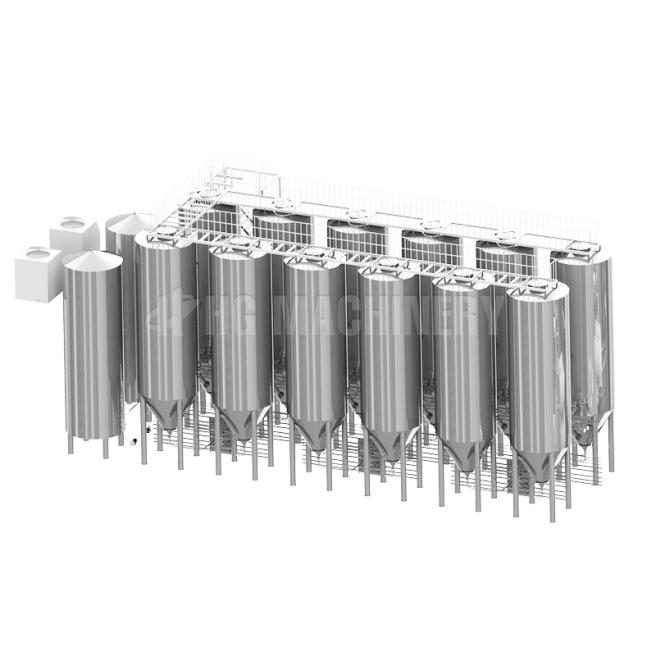
Fermentation equipment is one of the most important parts of a commercial brewery because its total capacity directly affects production continuity.
A complete setup may include:
HGMC provides 10000L fermentation tanks made from SUS304 stainless steel, with tank configurations and accessories customizable to project requirements.
Bright beer tanks provide a controlled environment for these operations. Depending on the production process, they can support beer maturation, conditioning, carbonation, and serving.
A complete downstream setup may include:
The number and capacity of bright beer tanks should also match the packaging schedule to prevent finished beer from becoming a bottleneck.
A typical glycol cooling system may include:
A CIP setup may include cleaning tanks, pumps, pipelines, valves, and spray devices. Depending on the brewery layout, separate cleaning circuits can be arranged for different equipment groups.
HGMC can configure CIP systems according to individual tank arrangements and cleaning requirements, helping reduce manual cleaning work and maintain consistent sanitation procedures.
The brewery may also require a suitable boiler and steam distribution system, depending on the selected heating arrangement.
Water treatment is another important consideration. Brewing water quality affects mashing, wort production, and the characteristics of the finished beer. The treatment process should therefore be designed according to the source water quality and brewing requirements.
These components coordinate equipment operation and help operators monitor important production parameters. Automation requirements can vary from basic temperature control to integrated PLC systems with touch-screen operation.
When planning the system, electrical supply, water consumption, drainage, ventilation, and equipment access should also be considered.
For example, if the brewery completes several brewing batches before the first fermentation tank becomes available, it needs enough fermentation vessels to receive the additional wort.
The main factors to consider include:
Therefore, cooling capacity should be calculated according to peak demand rather than only the nominal volume of the brewhouse.
The number of fermentation tanks, cooling jacket area, target temperatures, and operating schedule all influence the required refrigeration capacity.
A packaging line that operates too slowly may create a backlog in bright beer tanks. An oversized line, on the other hand, may increase initial investment without providing practical benefits.
Before selecting filling equipment, consider the intended packaging formats, container sizes, expected daily output, and working hours.
A practical brewery layout should consider:
Its main advantages include:
This approach is particularly useful for new brewery construction and large-scale production projects.
A brewery could prioritize the main brewhouse and the fermentation capacity needed for its initial production target, then expand its tank cellar or packaging capacity as demand increases.
However, phased investment still requires an overall plan.
For example, the initial facility layout should reserve space for additional tanks. Cooling systems, electrical capacity, pipelines, and control interfaces should also consider possible future expansion.
The goal is to avoid purchasing unnecessary equipment at the beginning without creating limitations for later growth.
Our 10000L beer brewing equipment is designed around a 10000L/Batch production capacity. The system can include a four-vessel brewhouse, fermentation tanks, bright beer tanks, cooling equipment, CIP systems, and control components. The final configuration can be adjusted according to the customer's brewing process and project requirements.
For a new 10000L brewery project, we can help you evaluate:
Whether you need a complete 10000L beer brewing equipment package or a customized system with selected equipment, we can help coordinate the different production units into one practical solution.
Choosing a complete system based on your actual requirements can help avoid capacity mismatches, unnecessary investment, and limitations during future expansion.
If you are planning a 10000L commercial brewery, contact HGMC with your target production capacity, beer styles, packaging requirements, and facility conditions. Our team can help you develop a customized brewery equipment solution from the initial planning stage.
When planning a 10000L beer making machine full set, brewery owners need to consider not only the main brewhouse but also fermentation tanks, cooling systems, CIP equipment, and other supporting units. How should these components be configured? Which equipment is essential, and how can the entire system work together?
At HGMC, we provide customized commercial brewing equipment solutions, helping customers build complete brewery systems according to their production requirements, facility conditions, and investment plans.
What Can a 10000L Beer Making Machine Full Set Produce?
A 10000L beer making machine full set is designed for commercial brewing projects that require a substantial production capacity. It can serve medium-to-large breweries, industrial beer producers, and established brewing businesses planning to expand their production.However, it is important to understand what the 10000L capacity represents.
Understanding 10000L/Batch Capacity
For a 10000L brewing system, the stated capacity generally refers to the nominal output of one brewing batch rather than the total daily or annual production.The actual output depends on several factors:
- Brewing frequency: How many batches can the brewhouse complete within a working day?
- Fermentation cycle: How long does each beer style remain in the fermentation tank?
- Tank availability: How many batches can be processed simultaneously?
- Packaging schedule: How quickly can finished beer be transferred and packaged?
Suitable Applications
A 10000L commercial brewing system can be considered for:- Industrial breweries supplying regional or national markets.
- Established craft breweries expanding their production capacity.
- Beer manufacturers producing multiple beer styles.
- Brewing businesses supplying distributors, restaurants, and retail channels.
Complete Equipment for a 10000L Commercial Beer Brewing System
A complete 10000L brewery system should cover the entire production process, from raw material preparation to finished beer packaging. The following equipment groups form the main structure of a commercial brewing line.Raw Material Handling and Malt Milling Equipment
Before brewing begins, malt and other brewing ingredients need to be prepared and transferred to the brewhouse.A typical raw material handling setup may include:
- Malt storage and handling equipment
- Malt mill
- Grain conveyors or transfer equipment
- Malt feeding and dosing components
For a 10000L brewery, malt handling capacity should match the brewhouse's ingredient requirements and brewing schedule. The storage and transfer arrangement should also be considered when planning the equipment layout.
10000L Brewhouse Equipment for Wort Production
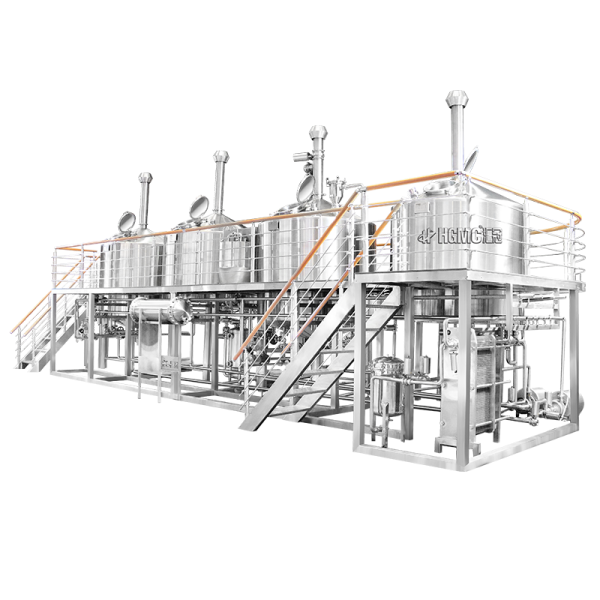
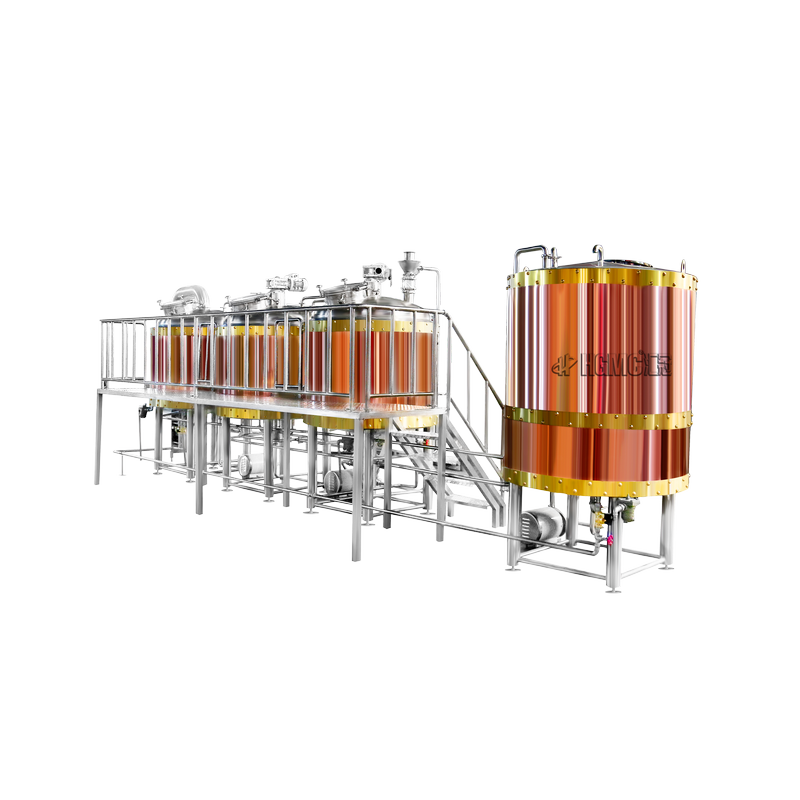
The brewhouse is the central part of a 10000L beer making system. It handles mashing, lautering, wort boiling, and whirlpool separation.A typical 10000L brewhouse configuration may include:
- Mash tun for mixing malt and hot water
- Lauter tun for separating wort from spent grain
- Brew kettle for boiling wort with hops
- Whirlpool tank for separating hop particles and trub
The brewhouse can also be equipped with pumps, valves, sensors, pipelines, and a control system to coordinate liquid transfer and process operations.
For projects requiring a high level of automation, the control system can integrate temperature monitoring and process control functions.
Fermentation Tanks for 10000L Beer Production
After wort cooling, the liquid is transferred to fermentation tanks, where yeast converts fermentable sugars into alcohol and carbon dioxide.Fermentation equipment is one of the most important parts of a commercial brewery because its total capacity directly affects production continuity.
A complete setup may include:
- Stainless steel conical fermentation tanks
- Cooling jackets or cooling sections
- Temperature sensors and control components
- Pressure gauges and pressure control valves
- Manholes, product outlets, and sanitary fittings
HGMC provides 10000L fermentation tanks made from SUS304 stainless steel, with tank configurations and accessories customizable to project requirements.
Bright Beer Tanks and Beer Packaging Equipment
Once fermentation and maturation are complete, beer may need further conditioning, carbonation, and temporary storage before packaging.Bright beer tanks provide a controlled environment for these operations. Depending on the production process, they can support beer maturation, conditioning, carbonation, and serving.
A complete downstream setup may include:
- Bright beer tanks
- Beer transfer pumps and sanitary pipelines
- Filtration equipment where required
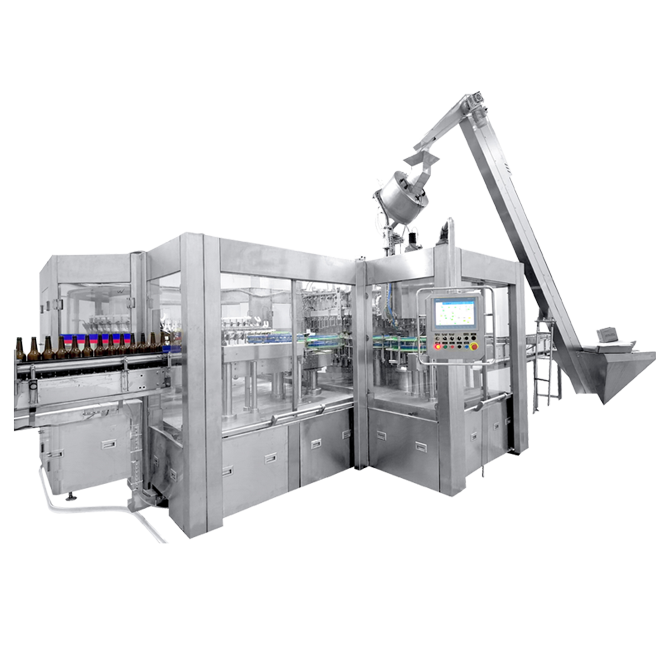
- Bottle filling machines
- Can filling machines
- Keg filling equipment
The number and capacity of bright beer tanks should also match the packaging schedule to prevent finished beer from becoming a bottleneck.
Auxiliary Equipment Required for a Complete 10000L Brewery Setup
Main production machines alone cannot support a complete brewery. Several auxiliary systems are needed to provide heating, cooling, cleaning, water supply, and process control.Cooling System
Cooling equipment supports both wort cooling and fermentation temperature control.A typical glycol cooling system may include:
- Glycol water tank
- Industrial chiller or refrigeration unit
- Glycol circulation pumps
- Cooling pipelines and insulation
- Heat exchanger
CIP Cleaning System
Cleaning-in-place (CIP) equipment is used to clean tanks and process pipelines without dismantling the entire system.A CIP setup may include cleaning tanks, pumps, pipelines, valves, and spray devices. Depending on the brewery layout, separate cleaning circuits can be arranged for different equipment groups.
HGMC can configure CIP systems according to individual tank arrangements and cleaning requirements, helping reduce manual cleaning work and maintain consistent sanitation procedures.
Heating and Water Treatment Systems
Heating equipment supplies the thermal energy required by the brewhouse. For the HGMC 10000L equipment configuration, steam heating is available.The brewery may also require a suitable boiler and steam distribution system, depending on the selected heating arrangement.
Water treatment is another important consideration. Brewing water quality affects mashing, wort production, and the characteristics of the finished beer. The treatment process should therefore be designed according to the source water quality and brewing requirements.
Control and Utility Systems
A complete brewery also needs electrical control cabinets, sensors, valves, pumps, and process pipelines.These components coordinate equipment operation and help operators monitor important production parameters. Automation requirements can vary from basic temperature control to integrated PLC systems with touch-screen operation.
When planning the system, electrical supply, water consumption, drainage, ventilation, and equipment access should also be considered.
How to Match 10000L Brewery Equipment for Efficient Production
A 10000L brewhouse does not automatically mean every other machine should have exactly the same capacity. Different equipment performs different functions, and its size should be determined by the production schedule.Match Fermentation Capacity with the Brewing Schedule
Fermentation tanks need to accommodate the wort produced by the brewhouse while allowing enough time for fermentation, maturation, and cleaning.For example, if the brewery completes several brewing batches before the first fermentation tank becomes available, it needs enough fermentation vessels to receive the additional wort.
The main factors to consider include:
- Number of brewing batches per day
- Fermentation and maturation time
- Cleaning and tank turnaround time
- Number of beer styles produced simultaneously
Coordinate Cooling Capacity with Tank Demand
Cooling demand does not come from one machine alone. The system may need to cool wort after boiling while maintaining fermentation temperatures in multiple tanks.Therefore, cooling capacity should be calculated according to peak demand rather than only the nominal volume of the brewhouse.
The number of fermentation tanks, cooling jacket area, target temperatures, and operating schedule all influence the required refrigeration capacity.
Match Packaging Capacity with Finished Beer Output
Packaging equipment should be able to process finished beer at a rate that supports the brewery's production plan.A packaging line that operates too slowly may create a backlog in bright beer tanks. An oversized line, on the other hand, may increase initial investment without providing practical benefits.
Before selecting filling equipment, consider the intended packaging formats, container sizes, expected daily output, and working hours.
Plan Equipment Layout and Material Flow
The physical arrangement of equipment affects production efficiency and maintenance access.A practical brewery layout should consider:
- The transfer route from the brewhouse to fermentation tanks
- Access for raw material handling and spent grain removal
- Pipeline connections between production areas
- Space for CIP operations and equipment maintenance
- Finished beer movement to the packaging area
Complete 10000L Beer Brewing System or Phased Equipment Investment?
Not every brewery needs to purchase every machine at the same time. The right purchasing strategy depends on the business plan, available investment, and expected market demand.Purchasing a Complete Brewery System
A complete 10000L brewery system is suitable for projects with clearly defined production targets and sufficient initial investment.Its main advantages include:
- Equipment compatibility planned as one integrated system
- Coordinated production capacity across different stages
- A more unified equipment layout
- Easier planning of pipelines, utilities, and control systems
This approach is particularly useful for new brewery construction and large-scale production projects.
Investing in Equipment in Stages
For businesses that prefer to control initial investment, a phased purchasing strategy may be more appropriate.A brewery could prioritize the main brewhouse and the fermentation capacity needed for its initial production target, then expand its tank cellar or packaging capacity as demand increases.
However, phased investment still requires an overall plan.
For example, the initial facility layout should reserve space for additional tanks. Cooling systems, electrical capacity, pipelines, and control interfaces should also consider possible future expansion.
The goal is to avoid purchasing unnecessary equipment at the beginning without creating limitations for later growth.
Customized 10000L Beer Making Machine Full Set Solutions from HGMC
At HGMC, we provide commercial brewing equipment and customized brewery solutions for different production requirements. With more than 20 years of experience in the fermentation equipment industry, we support projects ranging from individual equipment supply to complete brewery system planning.Our 10000L beer brewing equipment is designed around a 10000L/Batch production capacity. The system can include a four-vessel brewhouse, fermentation tanks, bright beer tanks, cooling equipment, CIP systems, and control components. The final configuration can be adjusted according to the customer's brewing process and project requirements.
For a new 10000L brewery project, we can help you evaluate:
- Brewing requirements: Target output, beer styles, and brewing frequency.
- Equipment configuration: Brewhouse vessel combination, fermentation tank quantity, and bright beer tank capacity.
- Supporting systems: Heating, cooling, cleaning, water treatment, and automation requirements.
- Facility conditions: Available space, equipment arrangement, and utility connections.
- Future development: Potential production increases and additional equipment requirements.
Whether you need a complete 10000L beer brewing equipment package or a customized system with selected equipment, we can help coordinate the different production units into one practical solution.
Start Your 10000L Commercial Brewery Project with HGMC
A successful 10000L brewery depends on more than the capacity of its brewhouse. Fermentation, cooling, cleaning, storage, and packaging equipment must all work together to support the intended production schedule.Choosing a complete system based on your actual requirements can help avoid capacity mismatches, unnecessary investment, and limitations during future expansion.
If you are planning a 10000L commercial brewery, contact HGMC with your target production capacity, beer styles, packaging requirements, and facility conditions. Our team can help you develop a customized brewery equipment solution from the initial planning stage.