Nov. 27, 2026
News
Professional Brewing Kit for Brewery Commercial Production
At HGMC, we understand that professional brewing equipment is not defined by the number of machines in a package. Its value comes from how well the equipment supports actual production requirements. In this guide, we explain the key characteristics of professional brewing kits and what breweries should evaluate before choosing one.
What Does Professional Mean in Beer Brewing Equipment?
The word "professional" is often used to describe brewing equipment, but it does not automatically mean that a system is suitable for every commercial brewery.A homebrewing kit may be convenient for recipe experiments and small batches. A professional brewing kit, however, should be designed around the demands of regular production and business operations.
There are five important characteristics to consider:
- Commercial production capability: The equipment must support the brewery's planned batch size and production frequency.
- Process repeatability: Important brewing parameters should be controllable so that production batches can follow consistent procedures.
- Industrial construction: Equipment materials, structure, connections, and surface finishes should be appropriate for regular brewery use.
- Operational practicality: Operators should be able to manage, clean, inspect, and maintain the equipment efficiently.
- Production flexibility: The system should accommodate the brewery's product range and allow practical adjustments as business needs change.
A compact commercial brewery can use professional equipment just as a large industrial brewery can. What matters is whether the system is properly designed for its intended production environment.
Professional Brewing Kits Must Be Designed for Commercial Production
The first test of professional brewing equipment is whether it can support the brewery's actual production plan.A machine may have an impressive nominal capacity, but that does not necessarily mean it is suitable for a particular business. The required configuration depends on how frequently the brewery plans to brew, how much beer it needs to supply, and how its production schedule is organized.
Capacity Must Match the Production Target
Brewhouse capacity determines the approximate volume of wort produced in each brewing batch. However, commercial production also depends on fermentation capacity, available working hours, and the time needed to complete each production cycle.For example, a brewery planning to produce several batches per week needs to consider whether its fermentation tanks can accommodate the output without creating unnecessary production delays.
Professional equipment selection should therefore begin with a realistic production target rather than simply choosing the largest available brewing system.
Equipment Should Support Regular Operation
Commercial equipment is used much more frequently than equipment intended for occasional homebrewing. Its design should consider repeated heating, cooling, liquid transfer, cleaning, and routine maintenance.Operators should also be able to access important components for inspection and servicing. Practical maintenance arrangements help reduce unnecessary interruptions during production.
The System Should Reflect the Brewery's Business Model
A brewery supplying draft beer to local restaurants has different equipment priorities from a brand distributing packaged beer through retail channels.The equipment configuration should reflect the intended sales model, packaging requirements, and expected production volume. Professional equipment is not about having every possible function; it is about having the right capabilities for the business.
Why Equipment Construction Matters in Professional Brewing
Professional brewing equipment needs to withstand regular operation in a demanding production environment. Its construction quality affects service life, cleaning convenience, maintenance requirements, and overall operating reliability.When evaluating a professional brewing kit, breweries should pay attention to several manufacturing details.
Material Selection
Beer production involves contact with liquids, cleaning solutions, and different operating temperatures. Materials used in product-contact areas should be suitable for food and beverage processing and the brewery's cleaning requirements.Stainless steel is widely used in commercial brewing equipment because of its corrosion resistance, cleanability, and suitability for sanitary applications.
However, buyers should not evaluate equipment based on the word "stainless steel" alone. They should confirm the material specifications for tanks, pipes, fittings, and other product-contact components.
Welding and Surface Finish
Tank construction and internal surface quality are important considerations for brewery hygiene.Buyers should review weld quality, internal finishing, surface smoothness, and the design of areas where liquid may accumulate. Poorly finished surfaces or difficult-to-clean connections can make routine sanitation more complicated.
Connections and Component Quality
Pumps, valves, fittings, and pipelines need to work together as part of the brewing system.Their specifications should be appropriate for the operating conditions, liquid transfer requirements, and cleaning procedures. Reliable connections also make equipment operation and maintenance more manageable.
These construction details may not be the most visible parts of a brewing kit, but they are important indicators when comparing professional equipment manufacturers.
Professional Brewing Equipment Should Deliver Repeatable Results
Producing a good batch of beer is not the only objective of a commercial brewery. The equipment should also help brewers reproduce the intended process across multiple batches.This is where process control becomes an important part of professional brewing.
Temperature management
Temperature affects important brewing and fermentation operations. Equipment should provide suitable heating, cooling, and monitoring capabilities for the required process conditions.
Repeatable operating parameters
Brewers need to manage key process settings consistently. Depending on the system, this may involve monitoring temperature, timing, liquid transfer, and other operating parameters.
Batch management
When a brewery produces multiple batches, operators need to keep track of production conditions and equipment availability. Clear operating procedures and suitable control arrangements help maintain consistency.
Equipment suitability for different recipes
Different beer styles may require different process conditions. A professional system should offer the necessary flexibility to support the brewery's intended product range.
It is important to distinguish between equipment capability and final beer quality. Brewing ingredients, recipes, operator experience, and production management also influence the finished product. Professional equipment provides a reliable platform for controlling the process, but it cannot guarantee quality on its own.
Does a Professional Brewing Kit Need Full Automation?
Not necessarily. Professional brewing equipment can use manual, semi-automatic, or fully automatic controls. The right choice depends on production scale, labor availability, operating complexity, and investment plans.
-
Manual Control: Operators manage most equipment operations directly. This approach is suitable for smaller breweries with relatively simple production processes and lower automation requirements.
-
Semi-Automatic Control: Selected processes are automated, while operators remain responsible for other steps. It offers a balance between operational control, labor efficiency, and equipment investment, making it suitable for growing commercial breweries.
-
Fully Automatic Control: PLC-based systems coordinate multiple production processes, reducing the need for manual intervention. This setup is generally preferred by larger breweries or facilities with more complex production requirements.
A manual system can still be professional if it features suitable equipment construction, reliable operation, and effective process management. Automation level alone does not determine the professionalism or quality of brewing equipment.
Semi-automatic controls can reduce repetitive work and help operators manage important parameters. Fully automatic systems may be more valuable when a brewery handles multiple tanks, frequent production cycles, or more complex operating requirements.
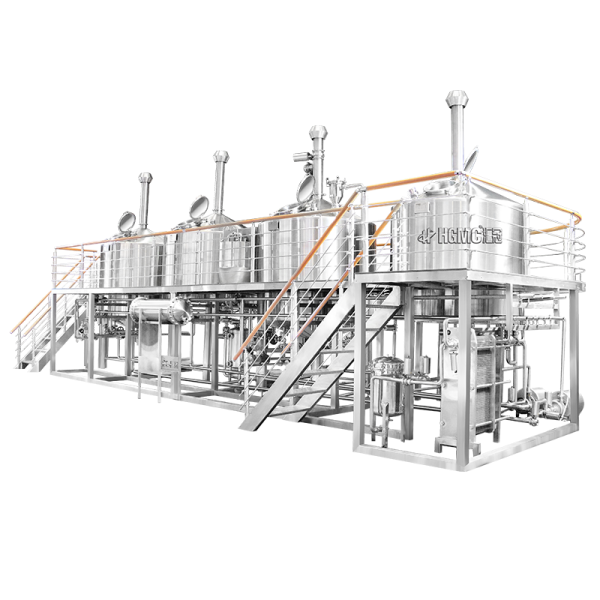
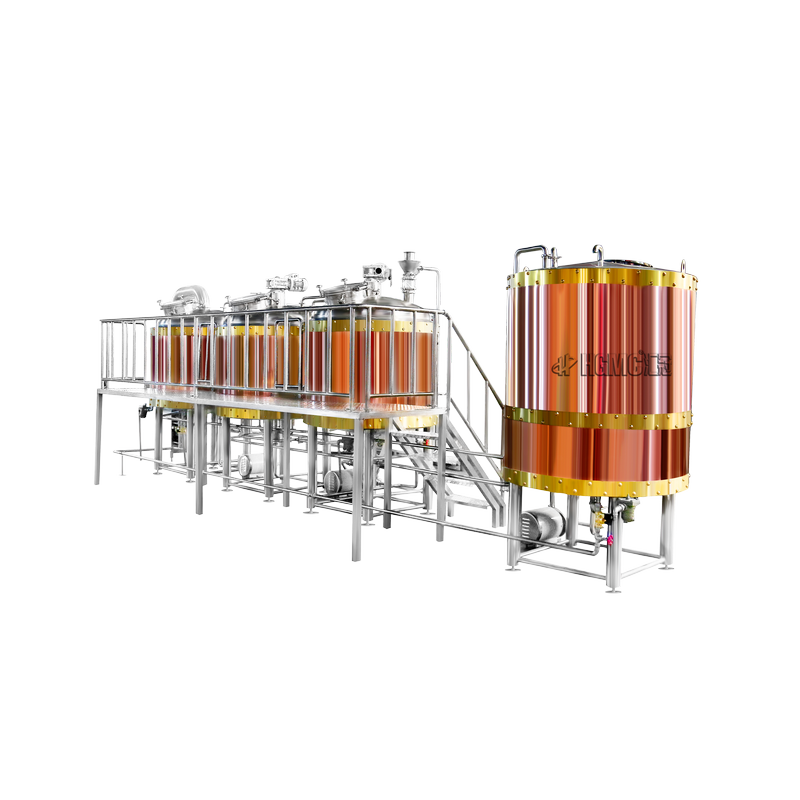
At HGMC, commercial brewing equipment is available in different configurations. Our commercial brewing systems include different vessel arrangements and capacities, allowing customers to consider a suitable control and equipment configuration for their operations.
How to Choose a Professional Brewing Kit for Your Brewery
Once you understand what makes equipment professional, the next step is to evaluate whether a particular system fits your brewery.Instead of comparing product descriptions alone, consider the following requirements.
Define Your Production Requirements
Start by calculating the expected production volume, batch size, brewing frequency, and annual output.These figures help determine the appropriate brewhouse capacity and the supporting equipment required for regular production.
Consider Your Beer Product Range
The types of beer you plan to produce influence your equipment requirements. Consider whether you will focus on a limited range of core products or regularly introduce different recipes.Your product strategy may affect fermentation arrangements, tank availability, and process flexibility.
Evaluate the Equipment Specifications
Request detailed specifications rather than relying on general descriptions such as "professional grade" or "industrial quality."Important information includes:
- Tank capacity and dimensions
- Material specifications
- Heating and cooling arrangements
- Pump and valve specifications
- Control system configuration
- Electrical and utility requirements
- Cleaning and maintenance considerations
Consider Future Development
A brewery's initial production target may change as its customer base grows. Consider whether additional fermentation tanks, a larger brewhouse, or improved packaging capacity may be required later.The initial equipment arrangement should leave practical options for future upgrades wherever possible.
What Makes HGMC Brewing Equipment Suitable for Professional Breweries?
At HGMC, we manufacture beer brewing equipment and provide customized solutions for different brewery applications. Our product range covers equipment for smaller commercial operations as well as larger brewing facilities.Equipment Options for Different Production Scales
Our brewery equipment range includes systems with different capacities and vessel configurations. Available products include 500L, 1000L, 2000L, 3000L, 5000L, and larger brewing equipment, with configurations designed for different production requirements.Customers can explore HGMC brewery equipment to compare available brewing systems and equipment options.
Manufacturing and Quality Management
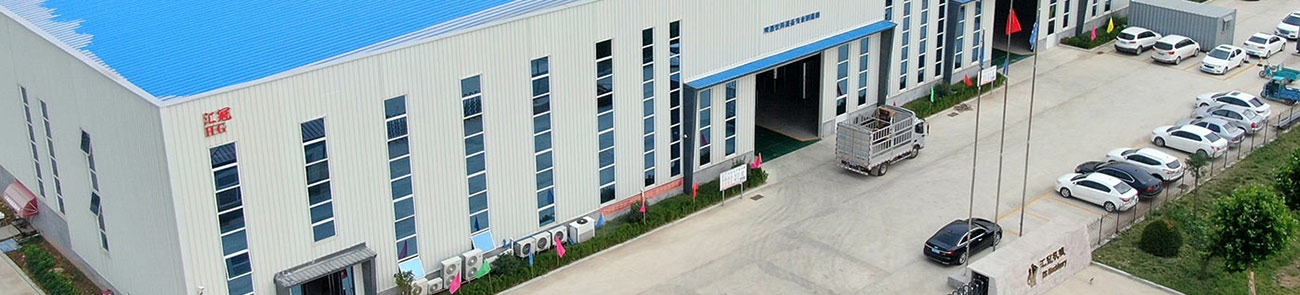
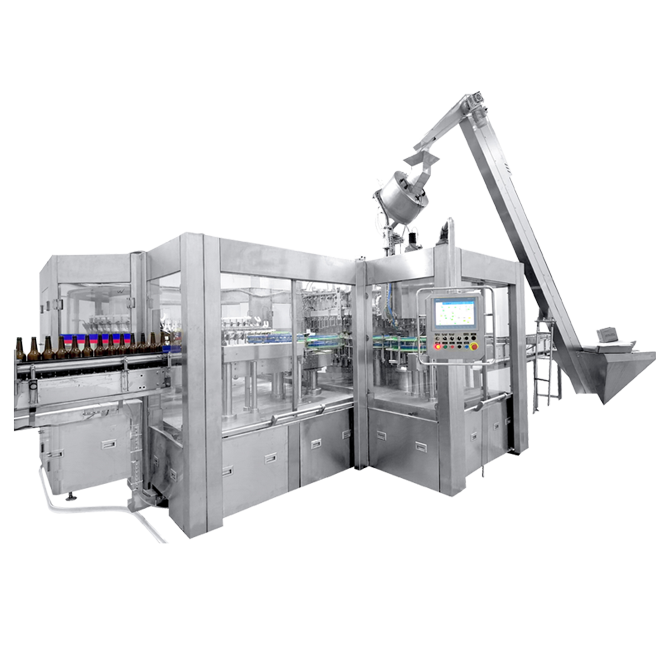
Professional equipment requires attention to manufacturing quality as well as functional design. HGMC's company information describes our equipment manufacturing business and quality management under the ISO 9001:2015 system.We manufacture brewery equipment, beverage equipment, and filling and packaging lines, serving customers with both individual equipment and turnkey project requirements.
Customized Equipment Solutions
Different breweries have different production targets, building conditions, and operating preferences. We consider these factors when discussing equipment capacity, vessel configuration, and supporting systems.Our brewery solutions provide options for different commercial production scales, helping customers develop equipment configurations based on their actual project requirements.
Discuss Your Professional Brewery Equipment Requirements with HGMC
A professional brewing kit should be evaluated by what it can reliably achieve in daily brewery operations. Commercial production capability, construction quality, process repeatability, operational practicality, and future flexibility are all important considerations.At HGMC, we work with customers to identify suitable brewing equipment according to their production goals and project conditions. Whether you are starting a commercial brewery or upgrading an existing facility, we can discuss an equipment configuration that matches your requirements.
Contact HGMC to share your planned production capacity, beer styles, and equipment requirements. Our team can help you explore a suitable professional brewing solution.