Nov. 24, 2026
News
Large Beer Factory in China for High-Capacity Brewing Operations
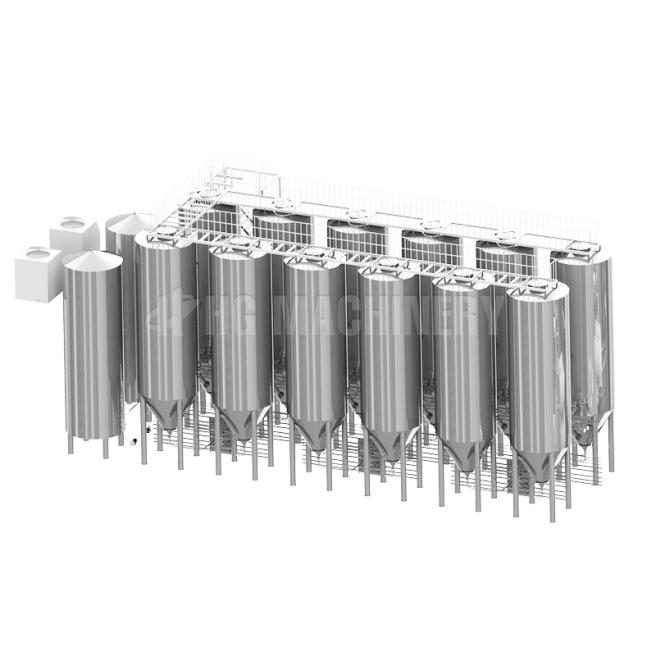
Choosing a large beer factory in China involves more than finding equipment with a high production capacity. For breweries targeting regional or national markets, the real challenge is building a production system that can handle increasing demand, maintain consistent beer quality, and support long-term business growth. How should you evaluate the production capacity, system configuration, and manufacturing capabilities behind a large-scale brewery project?
At HGMC, we provide commercial and industrial beer brewing equipment as well as customized brewery solutions. We help customers consider not only individual equipment specifications but also how different production systems work together to support their business objectives.
Several factors distinguish a large-scale production facility:
For example, a large brewhouse may produce more wort than the fermentation area can accommodate. Similarly, sufficient fermentation capacity does not guarantee efficient production if the packaging section cannot handle the finished beer volume.
A large beer factory therefore needs to consider three important relationships.
Production capacity and equipment coordination
The output of each production section should be considered in relation to the others. This helps prevent bottlenecks and reduces the risk of investing in equipment that cannot be fully utilized.
Production efficiency and operating schedules
Brewing, fermentation, cleaning, and packaging all require time. Their operating schedules influence how much beer the factory can produce over a given period.
Current investment and future requirements
A brewery should not focus only on its initial production target. Changes in market demand, product range, and distribution channels may create new requirements for the production system.
The goal is to build a coordinated brewery rather than simply purchase the largest available machines.
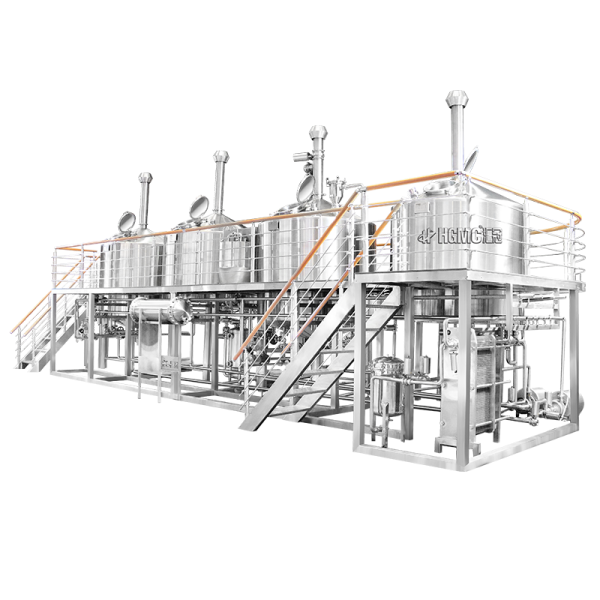
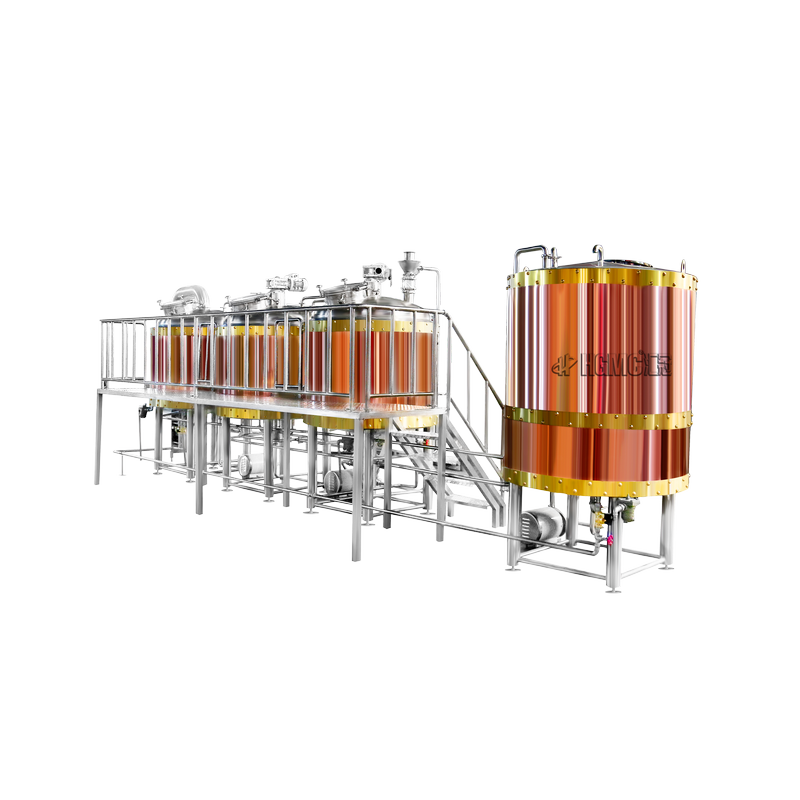
HGMC offers different commercial brewing configurations, including 2-vessel, 3-vessel, and 4-vessel systems. Customers can select a suitable arrangement according to their production requirements and process preferences.
Bright beer storage also needs to match the expected packaging demand. Otherwise, finished beer may occupy fermentation or storage capacity longer than planned.
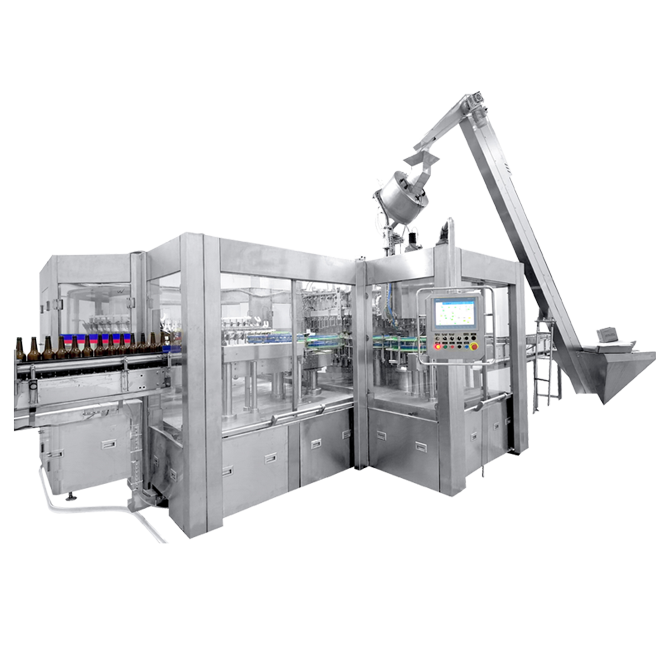
The packaging section should be evaluated according to the expected volume and operating schedule, rather than selected independently from the upstream production capacity.
Standardized Process Control
Consistent temperature management, process parameters, and operating procedures help reduce variations between batches. The appropriate level of automation can also make routine operations easier to manage.
Effective Cleaning Management
Cleaning requirements increase with the number of tanks, pipelines, and production cycles. A suitable cleaning arrangement helps maintain sanitary conditions and supports regular equipment operation.
Clear Production Coordination
Production teams need to coordinate brewing schedules, tank availability, cleaning periods, and packaging plans. Better coordination helps reduce idle time and avoid conflicts between production sections.
Practical Equipment Accessibility
Equipment arrangement should allow operators to inspect, clean, maintain, and operate the system efficiently. Access for maintenance is particularly important when a facility contains a large number of tanks and supporting components.
These considerations should be addressed during the project design stage rather than after the equipment has been installed.
Before finalizing the equipment plan, brewery owners should consider several questions:
However, future expansion should be considered when planning the layout, utility connections, and equipment interfaces. This can reduce the need for major modifications when the business expands.
HGMC provides commercial and industrial beer brewing equipment with a range of configurations and capacities. Our equipment can be customized according to project requirements, including vessel combinations, heating methods, and automation levels.
Our large-scale brewery solutions cover production optimization, scalable brewing systems, and equipment options for different commercial production requirements.
Clear technical communication helps confirm the equipment configuration and reduce misunderstandings during the project. Buyers should also review equipment specifications, drawings, control requirements, and the agreed scope of supply.
The available options include brewing systems, fermentation equipment, cooling systems, cleaning and sanitizing equipment, and control systems. Customers can discuss the appropriate configuration based on their planned production capacity and operating conditions.
Learn more about our commercial and industrial beer brewing equipment.
Our work can cover individual equipment manufacturing as well as larger turnkey brewery projects. This allows customers to discuss their production requirements with one equipment manufacturer instead of treating every equipment purchase as an isolated decision.
You can learn more about our company, manufacturing focus, and product range on our HGMC company profile.
At HGMC, we work with customers to understand these requirements and develop suitable brewing equipment solutions. Whether you are planning a new industrial brewery or expanding an existing production facility, our team can help you discuss the equipment scope and project configuration.
Contact HGMC with your target production capacity and project requirements to start discussing your large beer factory solution.
At HGMC, we provide commercial and industrial beer brewing equipment as well as customized brewery solutions. We help customers consider not only individual equipment specifications but also how different production systems work together to support their business objectives.
What Defines a Large Beer Factory?
A large beer factory is not defined by the size of a single brewing vessel. Its production capacity depends on how the entire operation is configured, including brewing output, fermentation capacity, storage, and packaging requirements.Several factors distinguish a large-scale production facility:
- Higher production targets: The factory needs to meet substantial and potentially growing market demand.
- Coordinated production systems: Different production stages must operate at compatible capacities to avoid unnecessary waiting time.
- Greater operational complexity: More equipment, production batches, and product types require effective process management.
- Consistent product quality: Beer quality should remain stable across repeated production batches.
- Room for business growth: The production setup should allow the brewery to respond to future market changes.
Why Large Beer Factories Need More Than High-Capacity Equipment
Installing larger equipment does not automatically create a more productive brewery. A system can have a high nominal capacity but still operate inefficiently if its different sections are not properly matched.For example, a large brewhouse may produce more wort than the fermentation area can accommodate. Similarly, sufficient fermentation capacity does not guarantee efficient production if the packaging section cannot handle the finished beer volume.
A large beer factory therefore needs to consider three important relationships.
Production capacity and equipment coordination
The output of each production section should be considered in relation to the others. This helps prevent bottlenecks and reduces the risk of investing in equipment that cannot be fully utilized.
Production efficiency and operating schedules
Brewing, fermentation, cleaning, and packaging all require time. Their operating schedules influence how much beer the factory can produce over a given period.
Current investment and future requirements
A brewery should not focus only on its initial production target. Changes in market demand, product range, and distribution channels may create new requirements for the production system.
The goal is to build a coordinated brewery rather than simply purchase the largest available machines.
Matching Brewery Capacity Across Different Production Stages
Capacity matching is one of the most important considerations in a large beer factory project. The main production sections must support the same overall business target, even though they may operate on different schedules.Brewing Capacity
The brewhouse configuration and batch capacity influence how much wort can be produced in each brewing cycle. The required setup depends on the target output, brewing schedule, and available operating time.HGMC offers different commercial brewing configurations, including 2-vessel, 3-vessel, and 4-vessel systems. Customers can select a suitable arrangement according to their production requirements and process preferences.
Fermentation and Storage Capacity
Fermentation tanks need to accommodate the planned brewing output and the time required for fermentation and maturation. The number and volume of tanks should therefore be considered together with the brewing schedule.Bright beer storage also needs to match the expected packaging demand. Otherwise, finished beer may occupy fermentation or storage capacity longer than planned.
Packaging Capacity
Packaging requirements depend on the brewery's sales channels and product formats. A factory supplying different markets may need to consider keg, bottle, or can packaging.The packaging section should be evaluated according to the expected volume and operating schedule, rather than selected independently from the upstream production capacity.
Designing a Brewery for Consistent Large-Scale Production
As production volume increases, maintaining consistency becomes more challenging. A large beer factory needs production arrangements that allow operators to manage repeated batches without unnecessary variation.Standardized Process Control
Consistent temperature management, process parameters, and operating procedures help reduce variations between batches. The appropriate level of automation can also make routine operations easier to manage.
Effective Cleaning Management
Cleaning requirements increase with the number of tanks, pipelines, and production cycles. A suitable cleaning arrangement helps maintain sanitary conditions and supports regular equipment operation.
Clear Production Coordination
Production teams need to coordinate brewing schedules, tank availability, cleaning periods, and packaging plans. Better coordination helps reduce idle time and avoid conflicts between production sections.
Practical Equipment Accessibility
Equipment arrangement should allow operators to inspect, clean, maintain, and operate the system efficiently. Access for maintenance is particularly important when a facility contains a large number of tanks and supporting components.
These considerations should be addressed during the project design stage rather than after the equipment has been installed.
Planning for Future Capacity Expansion
A large beer factory is a long-term investment. Its initial configuration should reflect current business needs while leaving room for realistic future development.Before finalizing the equipment plan, brewery owners should consider several questions:
- Is the initial production target expected to increase?
- Will the brewery introduce additional beer styles or product formats?
- Could more fermentation tanks be required in the future?
- Does the facility have enough space for additional equipment?
- Can the existing supporting systems accommodate a higher production load?
However, future expansion should be considered when planning the layout, utility connections, and equipment interfaces. This can reduce the need for major modifications when the business expands.
What to Look for in a Large Beer Factory Equipment Manufacturer in China
Finding a suitable manufacturer is an important part of developing a large-scale brewery. Buyers should evaluate more than the manufacturer's product catalog or individual equipment prices.Manufacturing Range and Customization
A manufacturer should offer equipment options that can accommodate different production targets and process requirements. Customization is also important because large brewery projects rarely have identical layouts and operating conditions.HGMC provides commercial and industrial beer brewing equipment with a range of configurations and capacities. Our equipment can be customized according to project requirements, including vessel combinations, heating methods, and automation levels.
Ability to Support Integrated Projects
For a large beer factory, purchasing equipment from multiple suppliers can create additional coordination work. Buyers should understand whether a manufacturer can provide connected equipment solutions and help coordinate the overall project scope.Our large-scale brewery solutions cover production optimization, scalable brewing systems, and equipment options for different commercial production requirements.
Technical Communication and Project Planning
Before manufacturing begins, the supplier should understand the customer's production target, facility conditions, product requirements, and equipment preferences.Clear technical communication helps confirm the equipment configuration and reduce misunderstandings during the project. Buyers should also review equipment specifications, drawings, control requirements, and the agreed scope of supply.
Long-Term Cooperation
A large brewery represents a substantial investment, so the relationship with the equipment manufacturer should not end when the machines are delivered. Equipment documentation, maintenance guidance, spare parts, and technical communication are all worth considering when evaluating a supplier.HGMC's Approach to Large Beer Factory Projects
At HGMC, we understand that large-scale brewery projects require more than individual machines. Our approach combines equipment manufacturing with customized production solutions to address different commercial brewing requirements.Equipment Options for Industrial Production
Our commercial and industrial beer brewing equipment is available in capacities ranging from 500L to 100,000L per batch, with configurations designed for different production requirements.The available options include brewing systems, fermentation equipment, cooling systems, cleaning and sanitizing equipment, and control systems. Customers can discuss the appropriate configuration based on their planned production capacity and operating conditions.
Learn more about our commercial and industrial beer brewing equipment.
Customized Solutions for Different Project Requirements
Every large beer factory has its own production targets, facility conditions, and business plans. We consider these factors when discussing equipment selection and system configuration.Our work can cover individual equipment manufacturing as well as larger turnkey brewery projects. This allows customers to discuss their production requirements with one equipment manufacturer instead of treating every equipment purchase as an isolated decision.
Experience in Brewing Equipment Manufacturing
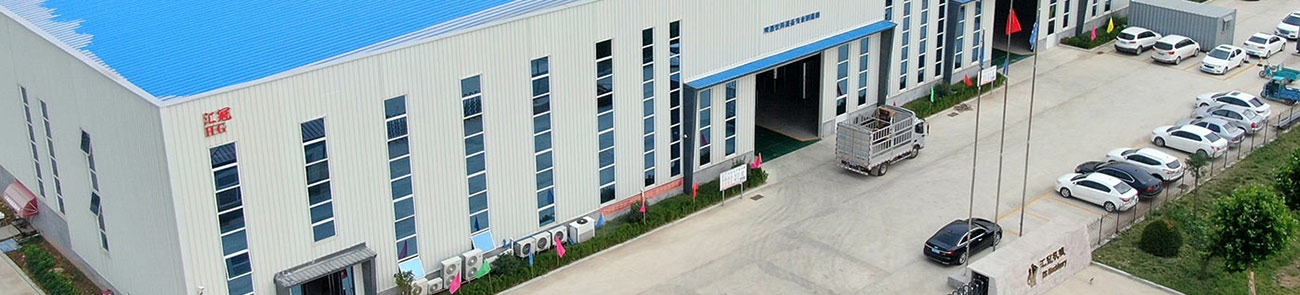
HGMC specializes in beer brewing equipment, beverage equipment, and filling and packaging lines. We provide equipment for different production scales, from smaller commercial breweries to larger brewing facilities.You can learn more about our company, manufacturing focus, and product range on our HGMC company profile.
Discuss Your Large Beer Factory Requirements with HGMC
Developing a large beer factory in China starts with a clear understanding of your production goals. The right equipment configuration should reflect your expected output, product range, operating schedule, facility conditions, and plans for future expansion.At HGMC, we work with customers to understand these requirements and develop suitable brewing equipment solutions. Whether you are planning a new industrial brewery or expanding an existing production facility, our team can help you discuss the equipment scope and project configuration.
Contact HGMC with your target production capacity and project requirements to start discussing your large beer factory solution.