Nov. 18, 2026
News
Best Beginner Beer Brewing Kit for Starting a Commercial Brewery
Starting a commercial brewery involves more than finding a set of machines that can produce beer. First-time brewery owners need to decide what beer to produce, how much to make, and which equipment can support their initial business plan.
The best beginner beer brewing kit for commercial use is not necessarily the smallest or cheapest system. It should provide the essential production capabilities, fit the brewery's expected output, and leave room for future development.
At HGMC, we help customers plan commercial brewing equipment around their actual production requirements. In this guide, we explain what first-time brewery investors should consider before choosing their first brewing system.
You should also consider:
Your production plan should determine the equipment configuration, not the other way around.
For a new brewery, the most important decision is the vessel configuration.
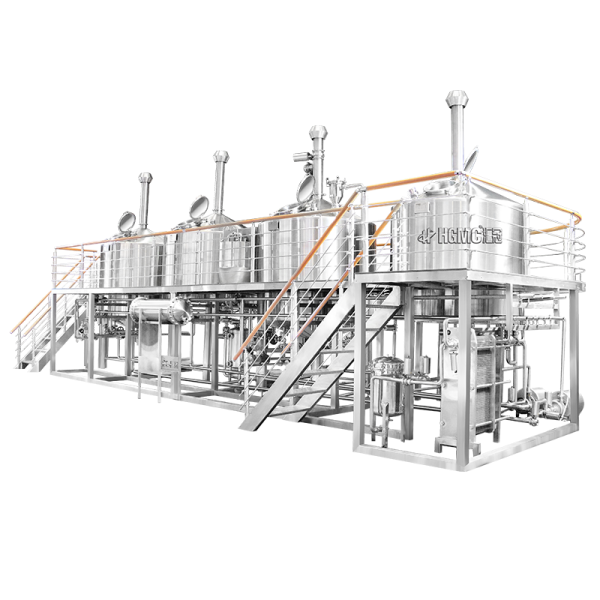
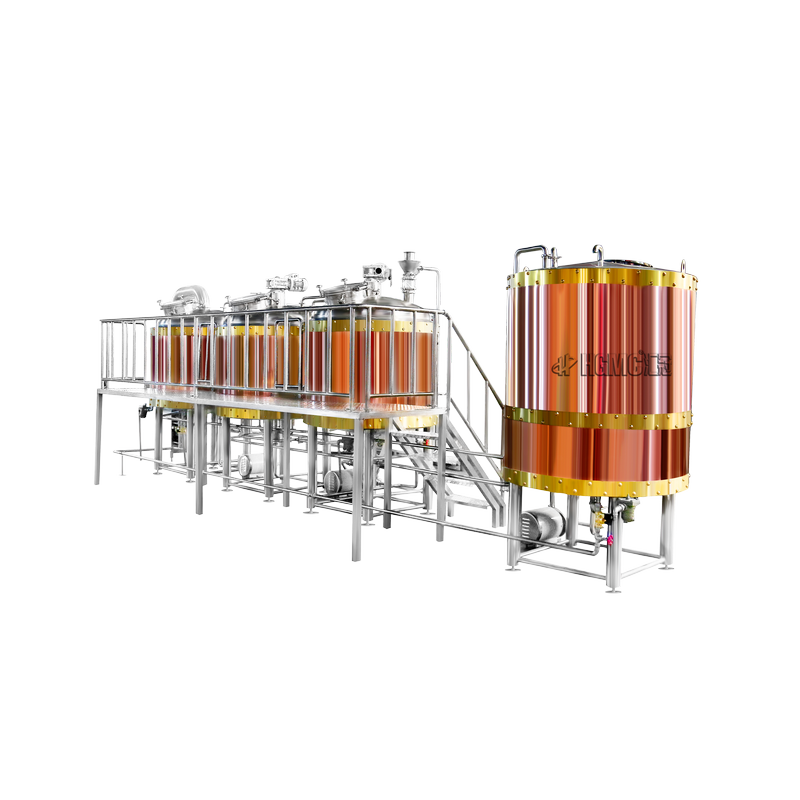
A compact 2-vessel system can combine brewing functions and reduce equipment requirements. A 3-vessel or 4-vessel arrangement provides more independent processing operations and may be better suited to a busier production schedule.
When comparing options, consider the number of batches you plan to brew, available space, heating method, and desired automation level.
We recommend selecting a configuration based on your actual production schedule rather than simply choosing the system with the most vessels.
The brewhouse determines how much wort you can produce per batch. Fermentation tanks determine how much beer you can process and hold during fermentation and conditioning.
A starter brewery should consider:
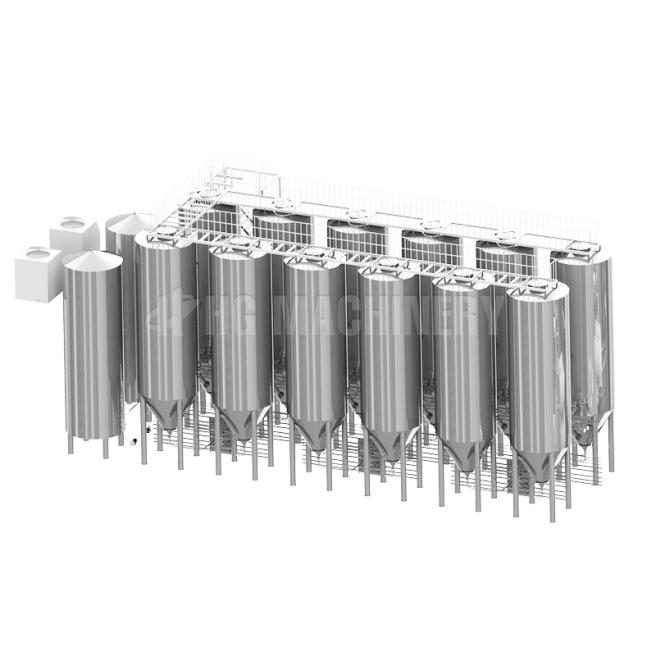
HGMC provides commercial fermentation tanks in different configurations to accommodate varying brewery requirements.
The cooling system supports wort cooling and fermentation temperature control. Its capacity should match the brewery's production requirements and operating schedule.
A Clean-in-Place (CIP) system helps clean tanks and pipelines by circulating cleaning solutions through the equipment. A suitable cleaning arrangement is important for maintaining hygiene and reducing manual cleaning work.
When planning a starter system, consider these supporting systems from the beginning. Adding them later may require changes to pipelines, connections, and equipment layout.
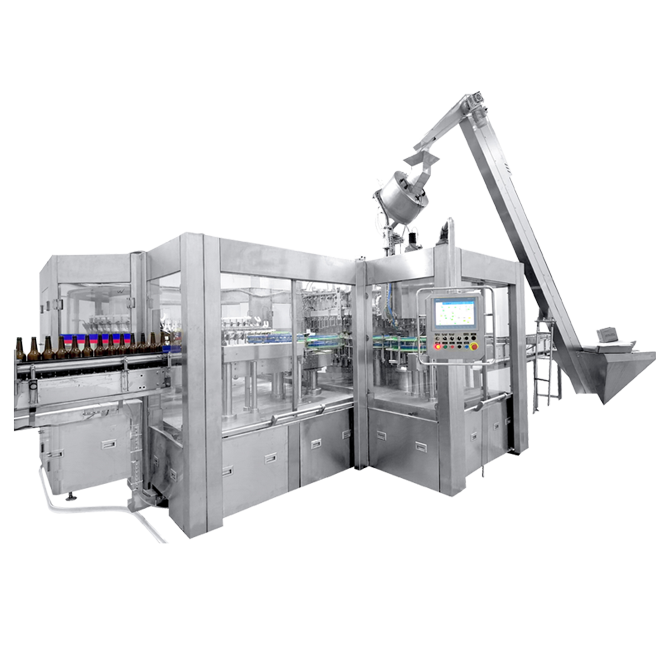
If your business initially focuses on draft beer, you may prioritize bright beer storage and keg filling. If you plan to sell bottled or canned beer, the corresponding filling equipment and packaging arrangements should be included in your project plan.
The key is to match packaging capacity with expected sales and upstream production. Buying a large packaging line before establishing market demand can tie up capital unnecessarily.
A taproom with limited serving capacity may not need the same production volume as a brewery supplying multiple distributors. Likewise, a brewery with seasonal products may have different production requirements from one making a smaller range of beers throughout the year.
Avoid choosing a system simply because a larger capacity appears to offer better value. Unused capacity still represents an investment in equipment, space, utilities, and maintenance.
Consider a simplified example: if your brewhouse produces one batch at a time, while fermentation takes several weeks, you need enough tank space to accommodate overlapping batches.
The required tank capacity therefore depends on:
For example, you may start with a suitable brewhouse and fermentation system while planning enough floor space and utility connections for additional tanks later.
Discuss expansion possibilities with the manufacturer before finalizing the equipment layout. This can help reduce the need for major modifications when production increases.
A complete system is often more convenient for first-time brewery owners because the equipment can be planned as one coordinated production line.
For example, an operating brewery may only need additional fermentation tanks or a new filling machine. In that case, replacing the entire production system would be unnecessary.
However, make sure new equipment is compatible with existing tank connections, process requirements, utilities, and control systems.
Before placing an order, pay attention to the following details.
These specifications affect equipment durability, hygiene, and long-term maintenance.
The equipment should support the processes and beer styles you intend to produce.
A system that is difficult to clean or maintain can create unnecessary work during daily operation.
Clarify equipment delivery, installation responsibilities, commissioning, operator training, documentation, and after-sales support. These details help you understand the full project scope rather than comparing equipment prices alone.
Choosing the brewhouse before planning the fermentation cellar. A large brewhouse cannot deliver its full production potential if fermentation capacity is insufficient.
Buying equipment based only on the lowest quotation. Different material specifications, components, and service scopes can make two quotations difficult to compare.
Ignoring utility requirements. Water, electricity, heating, cooling, drainage, and ventilation should be considered during the layout and equipment planning stages.
Overinvesting in automation too early. Automated controls can improve process management, but the appropriate configuration depends on production complexity and available operators.
Forgetting about packaging and distribution. The brewery needs a practical way to store, fill, and deliver finished beer. Packaging requirements should be considered even if some equipment will be purchased later.
Avoiding these mistakes helps make the initial investment more practical and reduces the risk of costly changes after installation.
We have supported customers in different markets with brewery equipment projects ranging from small commercial brewing systems to larger production facilities. These project experiences help us understand the practical challenges of starting a brewery and provide equipment solutions based on different production goals, site conditions, and investment plans.
For first-time brewery owners, our support goes beyond equipment manufacturing. We provide customized assistance throughout the project, including:
You do not need to have every technical detail figured out before contacting us. Simply share your expected production capacity, beer styles, available space, and project budget. Our team can help turn your initial ideas into a practical brewery equipment plan.
Planning your first commercial brewery? Contact HGMC to discuss your project and get a customized brewing equipment solution.
The best beginner beer brewing kit for commercial use is not necessarily the smallest or cheapest system. It should provide the essential production capabilities, fit the brewery's expected output, and leave room for future development.
At HGMC, we help customers plan commercial brewing equipment around their actual production requirements. In this guide, we explain what first-time brewery investors should consider before choosing their first brewing system.
Start with Your Brewery Business Plan, Not the Equipment List
Before comparing equipment configurations, define how your brewery will operate. The right starter system depends on your business model, beer portfolio, and expected production schedule.Decide What Kind of Brewery You Want to Build
Different brewery models require different equipment arrangements.- Taproom brewery: If most beer will be served on-site, prioritize brewing and fermentation capacity. Keg filling may be more important than a large bottle or can packaging line.
- Small commercial brewery: If you plan to supply local bars, restaurants, or retailers, consider both brewing capacity and finished-beer packaging requirements.
- Contract or wholesale-focused brewery: Production consistency, fermentation capacity, storage, and packaging efficiency become particularly important.
- Brewery with multiple beer styles: You may need more fermentation tanks to manage different recipes and production schedules.
Estimate Your Production Before Selecting Capacity
A common mistake among first-time buyers is choosing equipment based only on the expected annual sales volume.You should also consider:
- How many brewing batches will you make each week?
- How long will each beer style remain in fermentation and conditioning?
- Will several beer styles be produced at the same time?
- How frequently will finished beer be packaged and delivered?
Your production plan should determine the equipment configuration, not the other way around.
What Should the Best Beginner Beer Brewing Kit Include?
For commercial use, a beginner brewing kit should be understood as a complete starter brewery system rather than a single brewing machine. The system needs to support the main production stages, even if some auxiliary or packaging equipment is added later.A Brewhouse for Consistent Wort Production
The brewhouse is where the main brewing operations take place, including mashing, lautering, boiling, and whirlpool separation.For a new brewery, the most important decision is the vessel configuration.
A compact 2-vessel system can combine brewing functions and reduce equipment requirements. A 3-vessel or 4-vessel arrangement provides more independent processing operations and may be better suited to a busier production schedule.
When comparing options, consider the number of batches you plan to brew, available space, heating method, and desired automation level.
We recommend selecting a configuration based on your actual production schedule rather than simply choosing the system with the most vessels.
Fermentation Tanks That Match Your Brewing Schedule
Fermentation capacity is often overlooked when new brewery owners focus too heavily on the brewhouse.The brewhouse determines how much wort you can produce per batch. Fermentation tanks determine how much beer you can process and hold during fermentation and conditioning.
A starter brewery should consider:
- Tank capacity in relation to brewhouse batch size
- The number of tanks needed for simultaneous batches
- Fermentation and maturation time
- Whether different beer styles require separate tanks
- Cooling and pressure-control requirements
HGMC provides commercial fermentation tanks in different configurations to accommodate varying brewery requirements.
Cooling and CIP Systems for Daily Operations
Cooling and cleaning systems are not optional extras in a commercial brewery.The cooling system supports wort cooling and fermentation temperature control. Its capacity should match the brewery's production requirements and operating schedule.
A Clean-in-Place (CIP) system helps clean tanks and pipelines by circulating cleaning solutions through the equipment. A suitable cleaning arrangement is important for maintaining hygiene and reducing manual cleaning work.
When planning a starter system, consider these supporting systems from the beginning. Adding them later may require changes to pipelines, connections, and equipment layout.
Bright Beer Storage and Packaging Equipment
Not every new brewery needs a fully automated packaging line immediately.If your business initially focuses on draft beer, you may prioritize bright beer storage and keg filling. If you plan to sell bottled or canned beer, the corresponding filling equipment and packaging arrangements should be included in your project plan.
The key is to match packaging capacity with expected sales and upstream production. Buying a large packaging line before establishing market demand can tie up capital unnecessarily.
How Large Should Your First Commercial Brewing System Be?
There is no universal capacity that suits every first-time brewery. A suitable system should reflect the production volume you can realistically sell and the frequency at which you can brew.Choose Batch Size Based on Sales Expectations
Start with your expected sales channels and estimated demand.A taproom with limited serving capacity may not need the same production volume as a brewery supplying multiple distributors. Likewise, a brewery with seasonal products may have different production requirements from one making a smaller range of beers throughout the year.
Avoid choosing a system simply because a larger capacity appears to offer better value. Unused capacity still represents an investment in equipment, space, utilities, and maintenance.
Calculate Fermentation Capacity Separately
Brewing capacity and fermentation capacity are related, but they are not interchangeable.Consider a simplified example: if your brewhouse produces one batch at a time, while fermentation takes several weeks, you need enough tank space to accommodate overlapping batches.
The required tank capacity therefore depends on:
- Brewhouse output per batch
- Brewing frequency
- Fermentation and conditioning duration
- Number of beer styles
- Tank availability and cleaning time
Leave Room for Future Expansion
Your first equipment configuration should meet current needs without making future growth unnecessarily difficult.For example, you may start with a suitable brewhouse and fermentation system while planning enough floor space and utility connections for additional tanks later.
Discuss expansion possibilities with the manufacturer before finalizing the equipment layout. This can help reduce the need for major modifications when production increases.
Should You Buy a Complete Starter Brewery System or Individual Machines?
Both approaches can work, but they suit different project conditions.A complete system is often more convenient for first-time brewery owners because the equipment can be planned as one coordinated production line.
When a Complete System Makes More Sense
A complete brewery system is worth considering when:- You are building a new brewery from an empty site.
- You need the brewhouse, fermentation, cooling, and cleaning systems to work together.
- You have limited experience coordinating different equipment suppliers.
- You want a clearer project scope before installation.
When Individual Equipment Purchases Are Practical
Buying individual machines may be suitable if you already have some equipment or are upgrading an existing brewery.For example, an operating brewery may only need additional fermentation tanks or a new filling machine. In that case, replacing the entire production system would be unnecessary.
However, make sure new equipment is compatible with existing tank connections, process requirements, utilities, and control systems.
What Should First-Time Buyers Check Before Ordering Brewery Equipment?
A quotation may look attractive, but the equipment specifications determine whether the system will work for your brewery.Before placing an order, pay attention to the following details.
Material and Manufacturing Specifications
Check the stainless steel grade, material thickness, internal surface finish, welding quality, and insulation requirements.These specifications affect equipment durability, hygiene, and long-term maintenance.
Heating, Cooling, and Control
Confirm the heating method, cooling arrangement, temperature sensors, control system, and operating requirements.The equipment should support the processes and beer styles you intend to produce.
Cleaning and Maintenance Access
Consider how operators will access tanks, valves, pipelines, and other components for cleaning and inspection.A system that is difficult to clean or maintain can create unnecessary work during daily operation.
Installation and Technical Support
Ask what the supplier provides beyond manufacturing.Clarify equipment delivery, installation responsibilities, commissioning, operator training, documentation, and after-sales support. These details help you understand the full project scope rather than comparing equipment prices alone.
Common Mistakes When Setting Up a First Brewery
First-time investors often focus on the visible equipment while overlooking the production requirements behind it.Here are several mistakes worth avoiding:Choosing the brewhouse before planning the fermentation cellar. A large brewhouse cannot deliver its full production potential if fermentation capacity is insufficient.
Buying equipment based only on the lowest quotation. Different material specifications, components, and service scopes can make two quotations difficult to compare.
Ignoring utility requirements. Water, electricity, heating, cooling, drainage, and ventilation should be considered during the layout and equipment planning stages.
Overinvesting in automation too early. Automated controls can improve process management, but the appropriate configuration depends on production complexity and available operators.
Forgetting about packaging and distribution. The brewery needs a practical way to store, fill, and deliver finished beer. Packaging requirements should be considered even if some equipment will be purchased later.
Avoiding these mistakes helps make the initial investment more practical and reduces the risk of costly changes after installation.
How HGMC Supports Your First Commercial Brewery Project
Choosing your first commercial brewing system can be challenging, especially when you are unfamiliar with equipment configurations, production capacity, and brewery planning. At HGMC, we make this process easier with more than 20 years of experience in the fermentation equipment industry and customized solutions for brewery projects worldwide.We have supported customers in different markets with brewery equipment projects ranging from small commercial brewing systems to larger production facilities. These project experiences help us understand the practical challenges of starting a brewery and provide equipment solutions based on different production goals, site conditions, and investment plans.
For first-time brewery owners, our support goes beyond equipment manufacturing. We provide customized assistance throughout the project, including:
- Production planning: Evaluating your target output, beer styles, and brewing schedule.
- Equipment selection: Recommending suitable brewhouse configurations, fermentation tank capacities, and supporting equipment.
- System design: Coordinating cooling, CIP, pipelines, and packaging systems to ensure equipment compatibility.
- Manufacturing and installation: Providing equipment production and project implementation support.
- Technical assistance: Offering guidance to help your team operate and maintain the equipment.
You do not need to have every technical detail figured out before contacting us. Simply share your expected production capacity, beer styles, available space, and project budget. Our team can help turn your initial ideas into a practical brewery equipment plan.
Planning your first commercial brewery? Contact HGMC to discuss your project and get a customized brewing equipment solution.