Nov. 19, 2026
News
Brewery Equipment Price: Compare Systems & Machines
How much should you budget for commercial brewery equipment? Why can two brewery systems with similar production capacities have very different prices? And how much do individual machines, such as brewhouses and fermentation tanks, contribute to the total investment?
The answer depends on more than production capacity. Equipment configuration, tank specifications, automation, material quality, and supporting systems all affect the final brewery equipment price. Understanding these costs helps you compare quotations, select suitable machines, and avoid unnecessary spending.
In this guide, we break down brewery equipment prices from complete brewing systems to individual machines, while also covering additional purchasing expenses and long-term operating costs.
The total brewery equipment price depends on which systems are included, their specifications, and how they are configured for the required production process.
Not every brewery needs the same equipment package. A brewery focused on draft beer may prioritize fermentation and kegging equipment, while a packaged-beer producer may require a more extensive filling and packaging line.
For this reason, we recommend defining the production process before requesting a complete brewery equipment quotation.
For example, HGMC offers brewing equipment configurations ranging from 200L and 300L systems to 1,000L, 2,000L, 5,000L, and larger production systems. These configurations require different vessel arrangements, tank quantities, and supporting equipment.
A larger system generally requires greater equipment capacity, but the actual investment also depends on the production schedule and selected configuration.
Its price mainly depends on three factors:
Our commercial brewhouse equipment includes different vessel configurations for commercial brewing projects.
Important considerations include:
The number of tanks also matters. A brewery producing several beer styles simultaneously may need more fermentation vessels than a brewery with a simpler production schedule.
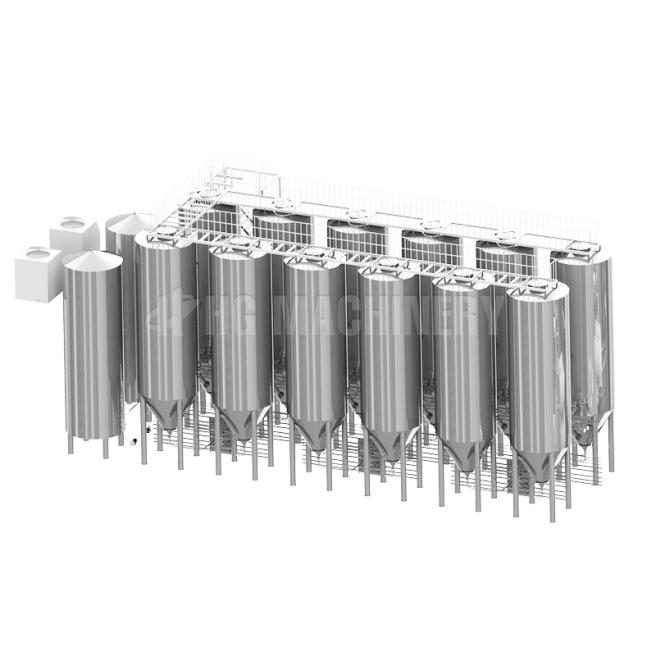
Our stainless steel fermentation tanks can be configured according to capacity, production requirements, and process needs.
When comparing bright tank quotations, consider:
Auxiliary equipment may include:
However, selecting the largest possible machine is not always economical. Equipment should match the actual batch size and expected production frequency.
When comparing quotations, check:
Manual systems generally require more operator involvement. Automated systems can integrate temperature control, process monitoring, and equipment operation.
The right choice depends on production complexity, labor availability, and operational goals.
Customized tank dimensions, special connections, and specific brewing requirements may also increase manufacturing costs.
A useful quotation should clearly identify the main components and technical specifications rather than provide only a total amount.
Some suppliers include installation and technical support, while others quote these services separately.
At HGMC, we provide door-to-door service and free installation. We also offer turnkey solutions covering beer brewing, sterilization, filling, and packaging. Buyers should confirm the exact service scope and project conditions before finalizing a quotation.
You should also check maintenance records and determine whether the equipment can meet your current production and hygiene requirements.
A low purchase price may not represent good value if extensive repairs or modifications are necessary.
Avoid purchasing oversized vessels or excessive tank capacity before confirming actual demand. At the same time, consider future production growth to prevent expensive replacements.
A 2-vessel brewhouse may suit a simpler production schedule, while a 3-vessel or 4-vessel configuration can provide greater process flexibility.
Choose the arrangement according to your brewing process rather than selecting equipment based only on its appearance or price.
For example, if several beer styles need to ferment simultaneously, multiple tanks may be necessary. A well-planned tank arrangement can improve utilization without unnecessary capacity.
Consider which operations require automatic temperature control, monitoring, and process management. Invest in automation where it provides practical operational value.
Working with one manufacturer to plan the brewhouse, fermentation, cooling, cleaning, and packaging systems can simplify equipment integration.
HGMC provides customized brewing solutions, from individual machines to complete commercial brewery projects. Our commercial brewery equipment range includes systems with different capacities and vessel configurations, helping customers select equipment that matches their production requirements.
The actual consumption depends on equipment capacity, insulation, operating schedules, and process configuration.
Suitable insulation and efficient temperature control can help reduce unnecessary heat loss and energy use.
CIP systems can simplify cleaning procedures by circulating cleaning solutions through tanks and pipelines. Their configuration, cleaning capacity, and automation level should be considered during the initial equipment selection.
A maintenance plan helps identify wear before it causes production interruptions. Buyers should also confirm spare parts availability and after-sales support when comparing suppliers.
Planning for future expansion during the initial design stage can reduce the need for major modifications later.
At HGMC, we develop customized brewing equipment solutions based on production capacity, brewing processes, and project conditions.
Our capabilities include:
Looking for a brewery equipment price for your project? Contact HGMC with your production requirements. Our team can help you select suitable equipment and prepare a customized quotation.
The answer depends on more than production capacity. Equipment configuration, tank specifications, automation, material quality, and supporting systems all affect the final brewery equipment price. Understanding these costs helps you compare quotations, select suitable machines, and avoid unnecessary spending.
In this guide, we break down brewery equipment prices from complete brewing systems to individual machines, while also covering additional purchasing expenses and long-term operating costs.
How Much Does a Complete Brewery Equipment System Cost?
A complete brewery system is not a single machine. It combines several production units that work together to turn raw materials into finished beer.The total brewery equipment price depends on which systems are included, their specifications, and how they are configured for the required production process.
Main Systems in a Commercial Brewery
| Equipment system | Main function | Key price considerations |
| Brewhouse system | Mashing, lautering, boiling, and whirlpooling | Vessel number, capacity, heating method |
| Fermentation system | Fermenting wort into beer | Tank capacity, quantity, pressure rating |
| Bright beer system | Storing and preparing beer for packaging | Tank volume, temperature and pressure control |
| Cooling system | Maintaining required process temperatures | Cooling capacity and configuration |
| CIP system | Cleaning tanks and pipelines | Cleaning tanks, pumps, automation |
| Filling and packaging system | Filling bottles, cans, or kegs | Filling speed and automation level |
Not every brewery needs the same equipment package. A brewery focused on draft beer may prioritize fermentation and kegging equipment, while a packaged-beer producer may require a more extensive filling and packaging line.
For this reason, we recommend defining the production process before requesting a complete brewery equipment quotation.
How Production Capacity Affects the Total Price
Production capacity determines the basic equipment requirements, but it does not independently determine the final price.For example, HGMC offers brewing equipment configurations ranging from 200L and 300L systems to 1,000L, 2,000L, 5,000L, and larger production systems. These configurations require different vessel arrangements, tank quantities, and supporting equipment.
A larger system generally requires greater equipment capacity, but the actual investment also depends on the production schedule and selected configuration.
Brewery Equipment Price Breakdown by Individual Machines
After understanding the complete system, the next step is to examine the price of individual machines. Each unit has different technical requirements, and its specifications can significantly affect the quotation.Brewhouse Equipment Price
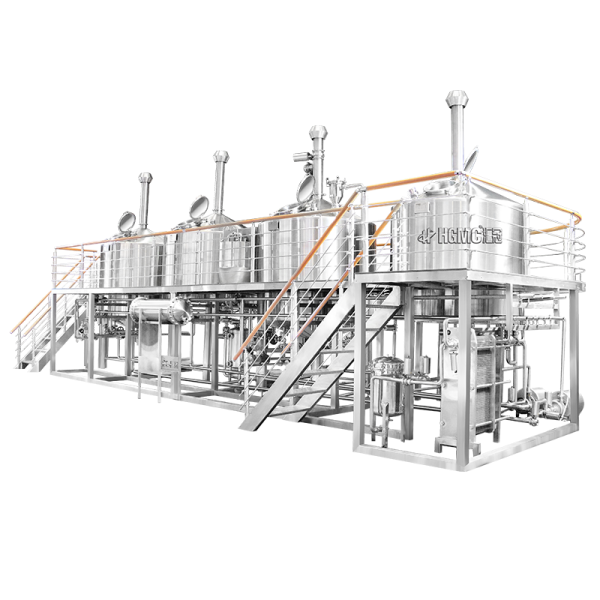
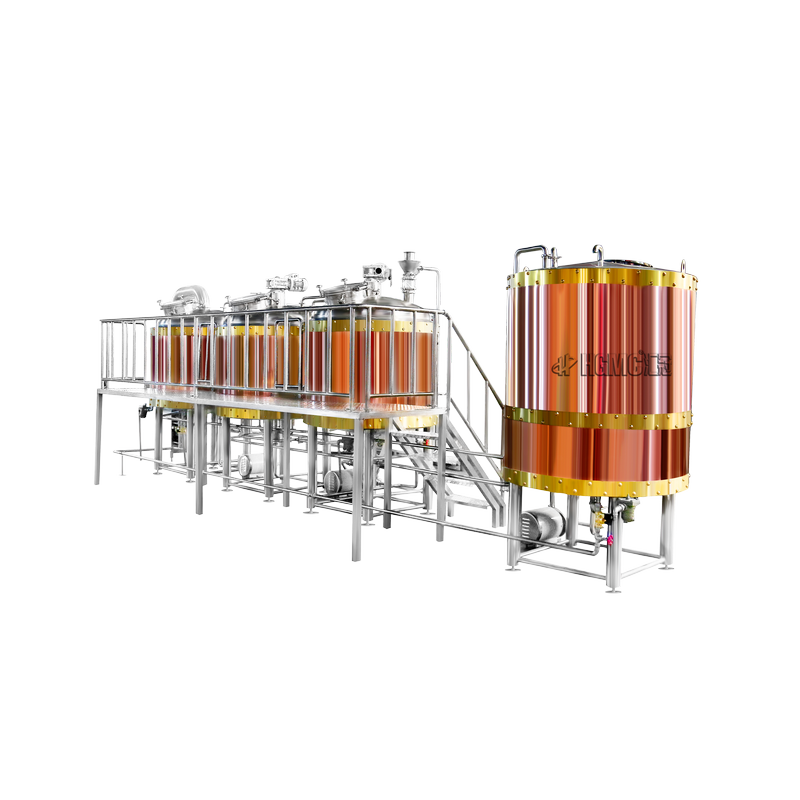
The brewhouse is the starting point of beer production. It typically includes a mash tun, lauter tun, brew kettle, and whirlpool tank.Its price mainly depends on three factors:
- Vessel configuration: A 2-vessel system combines certain brewing functions, while 3-vessel and 4-vessel systems provide more independent processing capacity.
- Heating method: Steam, electric, and direct-fire heating require different equipment configurations.
- Automation: Manual operation, semi-automatic control, and PLC-based automation have different costs.
Our commercial brewhouse equipment includes different vessel configurations for commercial brewing projects.
Fermentation Tank Price
Fermentation tanks are another major part of brewery equipment investment. Their prices depend on tank capacity, quantity, material specifications, and technical requirements.Important considerations include:
- Tank capacity: Larger tanks require more stainless steel and stronger structural support.
- Cooling jackets: The number and design of cooling zones affect temperature control and manufacturing requirements.
- Pressure rating: The required working pressure influences tank construction.
- Internal finish: Surface treatment and welding quality are important for hygiene and cleaning.
The number of tanks also matters. A brewery producing several beer styles simultaneously may need more fermentation vessels than a brewery with a simpler production schedule.
Our stainless steel fermentation tanks can be configured according to capacity, production requirements, and process needs.
Bright Beer Tank Price
Bright beer tanks hold clarified beer before packaging. Their specifications influence both the equipment price and the efficiency of downstream production.When comparing bright tank quotations, consider:
- Tank capacity and quantity.
- Working pressure requirements.
- Temperature control configuration.
- Cleaning connections and fittings.
- Compatibility with the filling system.
Auxiliary and Packaging Equipment Price
Auxiliary and packaging equipment should also be included in the overall budget.Auxiliary equipment may include:
- Chillers and cooling equipment.
- CIP cleaning systems.
- Pumps, valves, and pipelines.
- Steam boilers and other utility equipment.
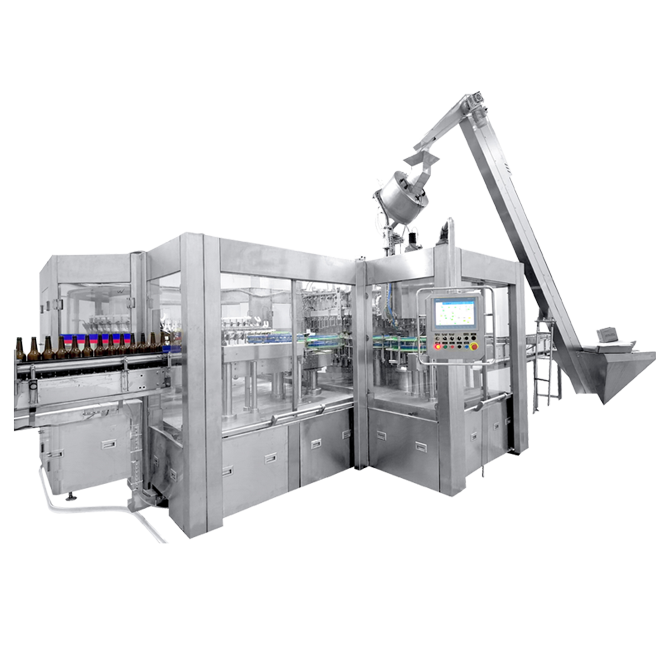
- Bottle filling machines.
- Can filling machines.
- Keg filling machines.
- Supporting conveying and packaging equipment.
What Factors Affect Brewery Equipment Price?
Even when two machines have similar capacities, their prices may differ considerably. The following factors explain why.1. Equipment Capacity and Dimensions
Capacity affects material consumption, vessel dimensions, structural requirements, and manufacturing complexity.However, selecting the largest possible machine is not always economical. Equipment should match the actual batch size and expected production frequency.
2. Stainless Steel Material and Manufacturing Quality
Material specifications influence durability, hygiene, and manufacturing costs.When comparing quotations, check:
- Stainless steel grade.
- Plate thickness.
- Internal surface finish.
- Welding quality.
- Insulation structure.
3. Automation and Control Systems
Automation affects both the initial equipment price and daily operation.Manual systems generally require more operator involvement. Automated systems can integrate temperature control, process monitoring, and equipment operation.
The right choice depends on production complexity, labor availability, and operational goals.
4. Components and Customization
Pumps, valves, motors, sensors, and electrical components all contribute to the final price.Customized tank dimensions, special connections, and specific brewing requirements may also increase manufacturing costs.
A useful quotation should clearly identify the main components and technical specifications rather than provide only a total amount.
What Additional Costs Come with Brewery Equipment Purchase?
The equipment quotation is only one part of the project budget. Buyers should also check the expenses involved in delivery and installation.| Additional expense | What to check |
| Transportation | Shipping method, freight, and destination |
| Installation | On-site assembly and equipment positioning |
| Electrical connections | Power supply and control wiring |
| Pipeline connections | Water, steam, cooling, and product lines |
| Utility systems | Boilers, chillers, and compressed air |
| Training | Operator training and technical guidance |
Some suppliers include installation and technical support, while others quote these services separately.
At HGMC, we provide door-to-door service and free installation. We also offer turnkey solutions covering beer brewing, sterilization, filling, and packaging. Buyers should confirm the exact service scope and project conditions before finalizing a quotation.
New vs. Used Brewery Equipment Which Offers Better Value?
Choosing between new and used equipment is another important investment decision. The lower purchase price of used equipment can be attractive, but the initial quotation does not tell the whole story.| Comparison | New Equipment | Used Equipment |
| Initial price | Generally higher | Generally lower |
| Equipment condition | New manufacturing condition | Depends on previous use |
| Customization | Can be designed to requirements | Limited by existing specifications |
| Warranty | Manufacturer warranty available | May be limited |
| Maintenance | Easier to establish maintenance history | May require additional inspection |
| Production requirements | Can match a new production plan | May require modifications |
When Should You Choose New Equipment?
New equipment is generally a better choice when:- You need specific tank capacities or vessel configurations.
- Your brewing process requires customized equipment.
- You want consistent equipment specifications across the production line.
- You plan to expand production in the future.
What Should You Check Before Buying Used Equipment?
If you are considering used equipment, inspect the tank condition, welding, internal surfaces, valves, pumps, electrical components, and pressure-related parts.You should also check maintenance records and determine whether the equipment can meet your current production and hygiene requirements.
A low purchase price may not represent good value if extensive repairs or modifications are necessary.
How to Reduce Brewery Equipment Costs Without Compromising Quality?
Reducing brewery equipment costs does not mean choosing the cheapest machines. The goal is to avoid unnecessary investment while maintaining reliable production.Choose Equipment Based on Actual Production Needs
Start with your expected batch size, brewing frequency, and annual production target.Avoid purchasing oversized vessels or excessive tank capacity before confirming actual demand. At the same time, consider future production growth to prevent expensive replacements.
Optimize the Brewing System Configuration
Different vessel arrangements have different costs and operational characteristics.A 2-vessel brewhouse may suit a simpler production schedule, while a 3-vessel or 4-vessel configuration can provide greater process flexibility.
Choose the arrangement according to your brewing process rather than selecting equipment based only on its appearance or price.
Plan Fermentation Capacity Carefully
The number and size of fermentation tanks should match your brewing schedule and fermentation time.For example, if several beer styles need to ferment simultaneously, multiple tanks may be necessary. A well-planned tank arrangement can improve utilization without unnecessary capacity.
Select the Right Automation Level
Automation can reduce manual intervention and improve process consistency, but a fully automated system may not be necessary for every brewery.Consider which operations require automatic temperature control, monitoring, and process management. Invest in automation where it provides practical operational value.
Work with an Integrated Equipment Manufacturer
Purchasing individual machines from different suppliers can create additional coordination and compatibility challenges.Working with one manufacturer to plan the brewhouse, fermentation, cooling, cleaning, and packaging systems can simplify equipment integration.
HGMC provides customized brewing solutions, from individual machines to complete commercial brewery projects. Our commercial brewery equipment range includes systems with different capacities and vessel configurations, helping customers select equipment that matches their production requirements.
What Are the Long-Term Costs of Owning Brewery Equipment?
The initial brewery equipment price is only part of the total investment. Once production begins, energy consumption, cleaning, maintenance, and replacement parts also affect operating expenses.Energy Consumption
Brewing requires energy for heating, cooling, pumping, and other production processes.The actual consumption depends on equipment capacity, insulation, operating schedules, and process configuration.
Suitable insulation and efficient temperature control can help reduce unnecessary heat loss and energy use.
Cleaning and Sanitization
Brewing equipment requires regular cleaning to maintain product quality and hygiene.CIP systems can simplify cleaning procedures by circulating cleaning solutions through tanks and pipelines. Their configuration, cleaning capacity, and automation level should be considered during the initial equipment selection.
Routine Maintenance and Spare Parts
Pumps, valves, seals, sensors, and other components require regular inspection.A maintenance plan helps identify wear before it causes production interruptions. Buyers should also confirm spare parts availability and after-sales support when comparing suppliers.
Equipment Upgrades and Expansion
As production grows, a brewery may need additional fermentation tanks, larger storage capacity, or improved packaging equipment.Planning for future expansion during the initial design stage can reduce the need for major modifications later.
How to Get the Right Brewery Equipment Price from HGMC?
A suitable brewery equipment quotation should reflect your actual production requirements, not simply provide a standard equipment package.At HGMC, we develop customized brewing equipment solutions based on production capacity, brewing processes, and project conditions.
What Information Should You Prepare?
To help us prepare a suitable equipment configuration and quotation, provide:- Production capacity: Your target batch size and expected daily or annual output.
- Beer types: The beer styles you intend to produce.
- Brewing configuration: Your preferred brewhouse vessel arrangement, if known.
- Fermentation requirements: Expected tank capacities and quantities.
- Packaging requirements: Bottle, can, or keg filling.
- Project information: Available factory space, utility conditions, and future expansion plans.
Why Choose HGMC?
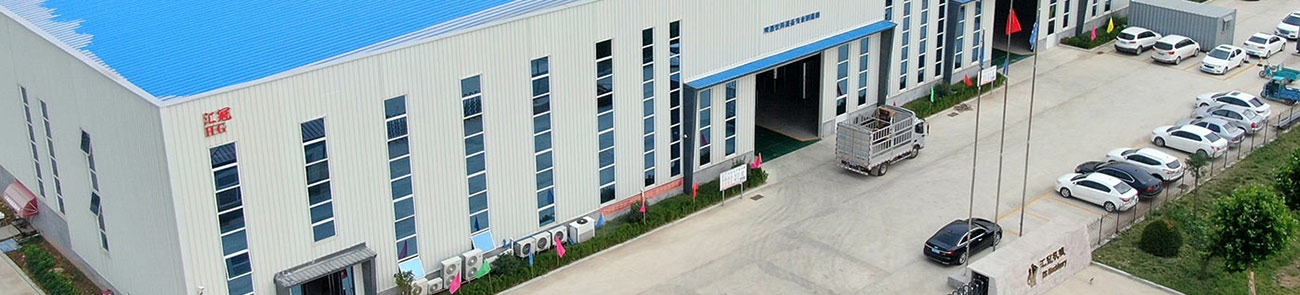
We have 23 years of experience in the brewing equipment industry, with a manufacturing facility covering more than 30,000 square meters.Our capabilities include:
- Complete product range: Brewhouses, fermentation tanks, bright beer tanks, filling machines, and auxiliary equipment.
- Customized manufacturing: Equipment configurations designed around specific production requirements.
- Turnkey solutions: Integrated brewing, filling, and packaging projects.
- Global service: Equipment supplied to more than 120 countries, supported by over 100 after-sales service personnel.
- Technical expertise: More than 30 nationally authorized patents and over 20 high-tech achievements.
Looking for a brewery equipment price for your project? Contact HGMC with your production requirements. Our team can help you select suitable equipment and prepare a customized quotation.