Nov. 18, 2026
News
What Types of Brewery Suppliers Do Commercial Breweries Need?
Brewery suppliers play different roles in commercial beer production. Some provide brewing equipment, while others supply ingredients, packaging materials, cleaning products, or technical services. But which types of suppliers does a brewery actually need? And how can you coordinate them to keep production consistent and efficient?
Understanding these supplier categories helps brewery owners plan procurement, control costs, and avoid gaps between different stages of production.
Equipment suppliers may offer individual machines or complete brewing systems. Some also provide equipment customization, installation guidance, and technical support.
The quality and consistency of these ingredients directly affect beer flavor, aroma, color, and fermentation performance. Breweries should evaluate ingredient specifications, quality consistency, storage conditions, and supply stability before choosing a long-term partner.
The choice of packaging should match the brewery's filling equipment, product positioning, distribution requirements, and target market.
These products are used to maintain hygienic conditions in brewing vessels, pipelines, filling systems, and other production equipment. Breweries should confirm that the selected products are compatible with their equipment materials and operating procedures.
Their role is especially important when a brewery operates multiple connected systems. Timely technical support can help reduce unexpected downtime and maintain production continuity.
Different equipment suppliers may specialize in specific production stages. Understanding their product categories makes it easier to identify what your brewery needs.
When evaluating a brewhouse supplier, consider the number of vessels, batch capacity, heating method, control system, and available space. The configuration should match your brewing process and expected production schedule.
A suitable supplier should also be able to explain how the brewhouse connects with downstream fermentation equipment.
Tank capacity, quantity, cooling configuration, pressure requirements, and cleaning arrangements should be considered together. For example, the number of fermentation tanks needs to match the brewhouse's batch output and fermentation cycle.
You can explore different fermentation tank solutions to understand the equipment options available for commercial production.
These systems should not be selected independently of the main brewing equipment. Cooling capacity needs to support the temperature requirements of fermentation and other processes. Pumps and pipelines should also be compatible with the required flow rates and equipment connections.
Before purchasing, clarify which auxiliary systems are included in the main equipment package and which need to be sourced separately. This helps prevent missing components and unclear responsibilities during project preparation.
When selecting a supplier, check filling capacity, packaging format compatibility, automation level, and the connection between different machines. The actual production speed depends on the complete line, not only the rated speed of the filling machine.
For breweries planning to expand their packaging operations, it is important to consider future product formats and line capacity before purchasing individual machines.
The supplier should be able to provide stable product specifications and clear information about storage and delivery conditions.
Availability is another important factor. If a brewery relies on specific hop varieties, it should consider seasonal supply changes and establish a purchasing plan in advance.
When choosing a yeast supplier, consider strain specifications, viability, storage requirements, and delivery conditions. Consistent yeast quality is particularly important for breweries that need to reproduce the same beer profile across multiple batches.
Common packaging materials include:
Breweries should also consider minimum order quantities, delivery lead times, material consistency, and the supplier's ability to support future packaging changes. A low purchase price may not be beneficial if inconsistent dimensions or delayed deliveries interrupt production.
When choosing cleaning and sanitation suppliers, confirm the intended application, concentration requirements, material compatibility, and handling instructions. Different equipment and production areas may require different cleaning procedures.
Technical service providers should be evaluated based on their experience with relevant equipment, response time, troubleshooting capabilities, and availability of replacement parts. For equipment with interconnected control systems, technical support should also cover communication between machines where applicable.
It is useful to clarify service responsibilities before production begins. This includes identifying who handles routine maintenance, who provides technical assistance, and how spare parts can be obtained. Clear arrangements help avoid delays when equipment problems occur.
The following points can help coordinate procurement more effectively.
For example, a high-output brewhouse may create production bottlenecks if fermentation capacity is insufficient. Similarly, a packaging line that cannot handle the brewery's output may delay finished beer delivery.
Compare batch size, production frequency, fermentation time, storage requirements, and packaging speed before confirming equipment orders.
For example, bottles, cans, and kegs require different filling or packaging configurations. Pumps and pipelines also need to meet the requirements of the connected equipment.
Ask suppliers to provide clear technical specifications before procurement. Where several machines need to work together, confirm interface requirements and connection details in advance.
Before signing contracts, confirm the scope of each supplier's work. This may include equipment manufacturing, technical documentation, delivery, installation guidance, commissioning support, and after-sales service.
A clear division of responsibilities makes project coordination easier and reduces the risk of missing equipment or duplicated work.
Create a procurement schedule based on project milestones. Confirm production lead times, shipping arrangements, storage requirements, and delivery dependencies with each supplier.
It is also useful to identify critical equipment and materials early. Delays in major production systems can affect the entire project, while shortages of ingredients or packaging materials can interrupt regular brewing operations.
For recurring purchases such as malt, hops, yeast, and packaging materials, consider whether the supplier can maintain consistent specifications and stable supply. For equipment, check whether technical support and replacement parts will remain available after delivery.
Explore our commercial brewery equipment to learn more about the equipment options for different production stages.
Rather than selecting machines independently, it is important to assess how the equipment works together throughout the brewing process. This helps create a more coordinated production system and allows the configuration to reflect the brewery's actual operating needs.
HGMC provides turnkey brewery solutions that bring relevant equipment and project-related technical services together. This gives customers a more coordinated approach when planning a new commercial brewery or upgrading an existing facility.
The key is to evaluate each supplier according to its role while making sure that different products and services work together. A well-planned supply chain can help reduce procurement risks, improve production coordination, and support long-term brewery development.
If you are planning a new brewery or upgrading your existing production line, contact HGMC to discuss your equipment requirements, production targets, and project configuration. We can help you evaluate suitable brewing equipment options for your commercial operation.
Understanding these supplier categories helps brewery owners plan procurement, control costs, and avoid gaps between different stages of production.
What Are the Main Types of Brewery Suppliers?
Commercial breweries usually work with several types of suppliers. Their responsibilities cover the entire production process, from raw material preparation to finished beer packaging.1. Brewery Equipment Suppliers
These suppliers provide the machines and systems used in beer production. Their products may include brewhouse equipment, fermentation tanks, bright beer tanks, cooling systems, pumps, and filling equipment.Equipment suppliers may offer individual machines or complete brewing systems. Some also provide equipment customization, installation guidance, and technical support.
2. Brewing Ingredient Suppliers
Ingredient suppliers provide the raw materials required for brewing. The main categories include malt, hops, yeast, and brewing water treatment materials.The quality and consistency of these ingredients directly affect beer flavor, aroma, color, and fermentation performance. Breweries should evaluate ingredient specifications, quality consistency, storage conditions, and supply stability before choosing a long-term partner.
3. Brewery Packaging Suppliers
Packaging suppliers provide materials and equipment-related consumables for finished beer. Common products include glass bottles, aluminum cans, caps, labels, cartons, and other packaging materials.The choice of packaging should match the brewery's filling equipment, product positioning, distribution requirements, and target market.
4. Cleaning and Sanitation Suppliers
Cleaning and sanitation suppliers provide suitable cleaning chemicals, sanitizing products, and related supplies for brewery operations.These products are used to maintain hygienic conditions in brewing vessels, pipelines, filling systems, and other production equipment. Breweries should confirm that the selected products are compatible with their equipment materials and operating procedures.
5. Technical Service Providers
Technical service providers support equipment operation, maintenance, troubleshooting, and system upgrades. Depending on the project, they may also provide automation support or process-related technical assistance.Their role is especially important when a brewery operates multiple connected systems. Timely technical support can help reduce unexpected downtime and maintain production continuity.
Brewery Equipment Suppliers for Commercial Production
Brewery equipment suppliers are among the most important partners for a commercial brewery. Equipment configuration affects production capacity, process coordination, product quality, and future expansion.Different equipment suppliers may specialize in specific production stages. Understanding their product categories makes it easier to identify what your brewery needs.
Brewhouse Equipment Suppliers
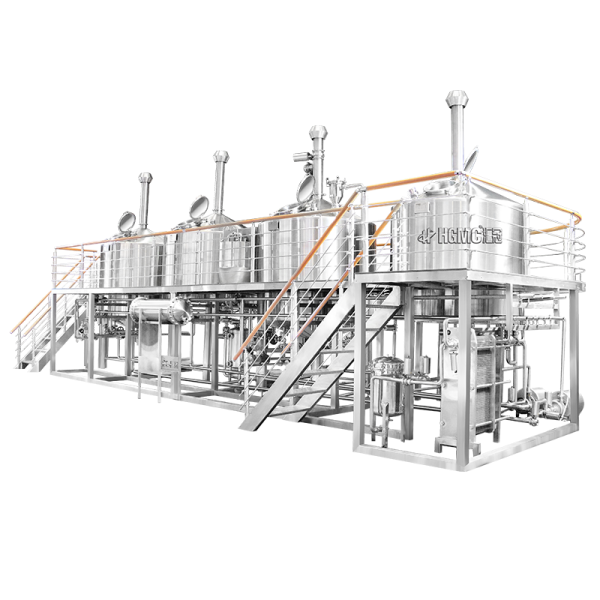
The brewhouse is where raw materials are processed through key brewing stages, including mashing, lautering, boiling, and whirlpool separation.When evaluating a brewhouse supplier, consider the number of vessels, batch capacity, heating method, control system, and available space. The configuration should match your brewing process and expected production schedule.
A suitable supplier should also be able to explain how the brewhouse connects with downstream fermentation equipment.
Fermentation and Beer Storage Equipment Suppliers
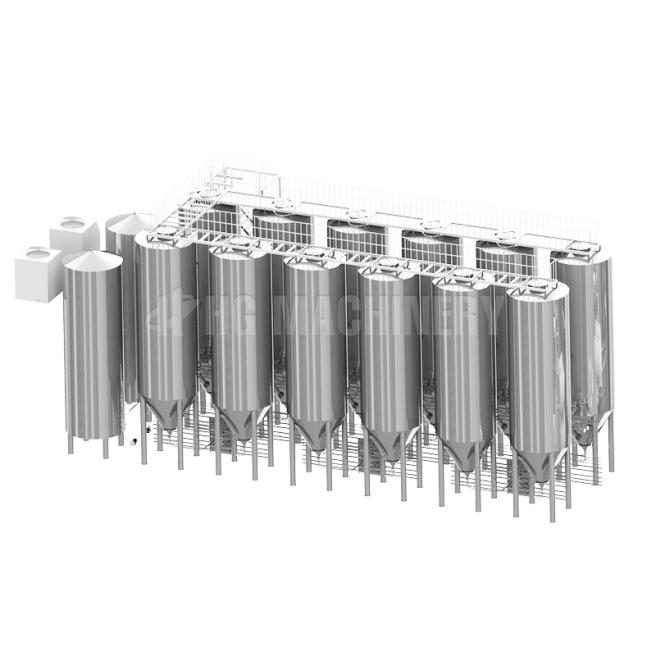
Fermentation tanks are used for yeast fermentation and beer maturation. Bright beer tanks support beer clarification, carbonation, and preparation before packaging, depending on the production process.Tank capacity, quantity, cooling configuration, pressure requirements, and cleaning arrangements should be considered together. For example, the number of fermentation tanks needs to match the brewhouse's batch output and fermentation cycle.
You can explore different fermentation tank solutions to understand the equipment options available for commercial production.
Cooling and Auxiliary Equipment Suppliers
Cooling systems, pumps, pipelines, and other auxiliary equipment support stable operation across the brewery.These systems should not be selected independently of the main brewing equipment. Cooling capacity needs to support the temperature requirements of fermentation and other processes. Pumps and pipelines should also be compatible with the required flow rates and equipment connections.
Before purchasing, clarify which auxiliary systems are included in the main equipment package and which need to be sourced separately. This helps prevent missing components and unclear responsibilities during project preparation.
Filling and Packaging Equipment Suppliers
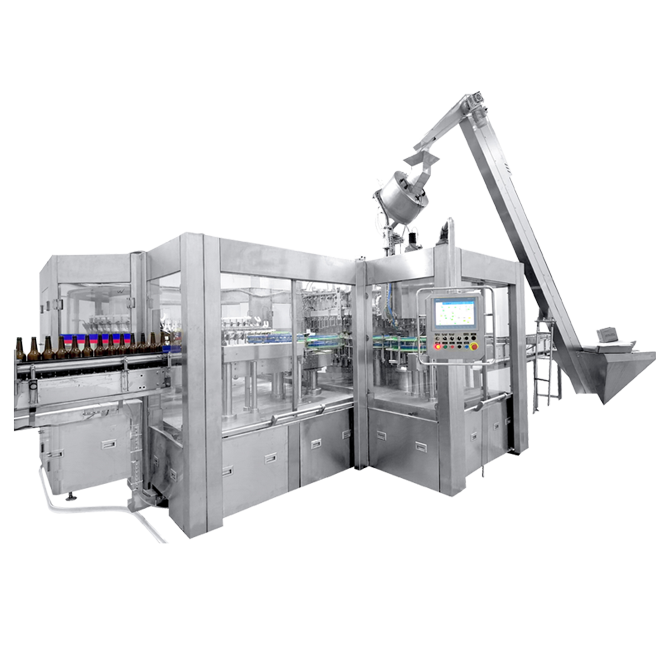
Filling equipment transfers finished beer into bottles, cans, or kegs. Depending on production requirements, a brewery may also need capping, labeling, conveying, and carton-packing equipment.When selecting a supplier, check filling capacity, packaging format compatibility, automation level, and the connection between different machines. The actual production speed depends on the complete line, not only the rated speed of the filling machine.
For breweries planning to expand their packaging operations, it is important to consider future product formats and line capacity before purchasing individual machines.
Brewing Ingredient Suppliers for Beer Production
Ingredient selection has a direct influence on beer quality. A reliable ingredient supply chain helps breweries maintain consistent recipes and production schedules.Malt Suppliers
Malt provides fermentable sugars and contributes to beer color, body, and flavor. Breweries should check malt type, specifications, moisture content, and batch consistency.The supplier should be able to provide stable product specifications and clear information about storage and delivery conditions.
Hops Suppliers
Hops contribute bitterness, aroma, and flavor. Different varieties have different characteristics, so breweries should select them according to their recipes and target beer styles.Availability is another important factor. If a brewery relies on specific hop varieties, it should consider seasonal supply changes and establish a purchasing plan in advance.
Yeast Suppliers
Yeast is essential for fermentation and has a significant impact on the final beer profile. Different yeast strains have different fermentation characteristics and flavor contributions.When choosing a yeast supplier, consider strain specifications, viability, storage requirements, and delivery conditions. Consistent yeast quality is particularly important for breweries that need to reproduce the same beer profile across multiple batches.
Brewery Packaging Suppliers
Packaging affects product protection, shelf presentation, transportation, and market positioning. The right supplier should provide materials that match the brewery's packaging equipment and product requirements.Common packaging materials include:
- Glass bottles in different shapes and capacities
- Aluminum cans and compatible ends
- Bottle caps and can ends
- Labels and printed packaging materials
- Cartons, trays, and secondary packaging
Breweries should also consider minimum order quantities, delivery lead times, material consistency, and the supplier's ability to support future packaging changes. A low purchase price may not be beneficial if inconsistent dimensions or delayed deliveries interrupt production.
Cleaning and Technical Service Suppliers
Cleaning products and technical services support brewery hygiene and equipment reliability. Although they may not directly produce beer, they are essential to daily operations.When choosing cleaning and sanitation suppliers, confirm the intended application, concentration requirements, material compatibility, and handling instructions. Different equipment and production areas may require different cleaning procedures.
Technical service providers should be evaluated based on their experience with relevant equipment, response time, troubleshooting capabilities, and availability of replacement parts. For equipment with interconnected control systems, technical support should also cover communication between machines where applicable.
It is useful to clarify service responsibilities before production begins. This includes identifying who handles routine maintenance, who provides technical assistance, and how spare parts can be obtained. Clear arrangements help avoid delays when equipment problems occur.
How to Coordinate Different Brewery Suppliers
Working with multiple suppliers is common in commercial brewery projects. However, purchasing each item separately without considering the overall production process can create compatibility issues, delivery delays, and additional costs.The following points can help coordinate procurement more effectively.
Match Equipment Capacity Across Production Stages
The brewhouse, fermentation tanks, bright beer tanks, and packaging line should be planned as one connected production system.For example, a high-output brewhouse may create production bottlenecks if fermentation capacity is insufficient. Similarly, a packaging line that cannot handle the brewery's output may delay finished beer delivery.
Compare batch size, production frequency, fermentation time, storage requirements, and packaging speed before confirming equipment orders.
Confirm Equipment and Material Compatibility
Equipment and packaging materials need to match in terms of dimensions, connections, operating requirements, and production formats.For example, bottles, cans, and kegs require different filling or packaging configurations. Pumps and pipelines also need to meet the requirements of the connected equipment.
Ask suppliers to provide clear technical specifications before procurement. Where several machines need to work together, confirm interface requirements and connection details in advance.
Define Supplier Responsibilities
When different companies provide the brewhouse, tanks, cooling system, and packaging line, responsibilities can become unclear.Before signing contracts, confirm the scope of each supplier's work. This may include equipment manufacturing, technical documentation, delivery, installation guidance, commissioning support, and after-sales service.
A clear division of responsibilities makes project coordination easier and reduces the risk of missing equipment or duplicated work.
Plan Procurement and Delivery Schedules
Not all brewery supplies need to arrive at the same time. Equipment manufacturing and delivery may require a longer lead time than some ingredients or packaging materials.Create a procurement schedule based on project milestones. Confirm production lead times, shipping arrangements, storage requirements, and delivery dependencies with each supplier.
It is also useful to identify critical equipment and materials early. Delays in major production systems can affect the entire project, while shortages of ingredients or packaging materials can interrupt regular brewing operations.
Evaluate Long-Term Supply Stability
A supplier should not be evaluated only by its initial quotation. Product consistency, delivery reliability, technical communication, spare parts availability, and after-sales support also affect long-term operating costs.For recurring purchases such as malt, hops, yeast, and packaging materials, consider whether the supplier can maintain consistent specifications and stable supply. For equipment, check whether technical support and replacement parts will remain available after delivery.
Commercial Brewery Equipment Solutions from HGMC
At HGMC, we focus on brewing and fermentation equipment for commercial production. We provide equipment for different brewery configurations, from individual machines to integrated brewing systems.Complete Brewing Equipment Range
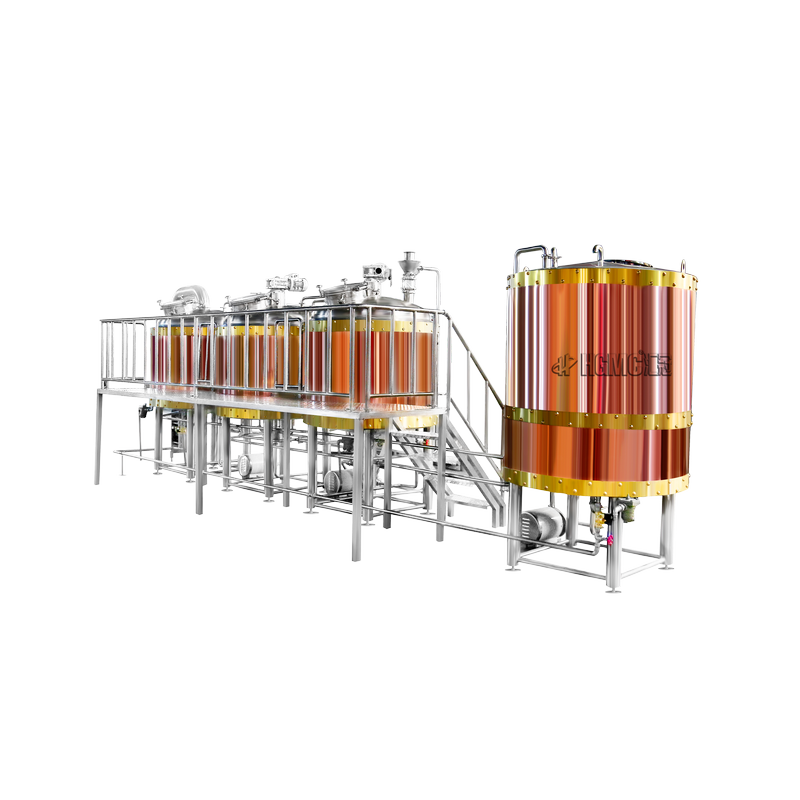
Our product range includes brewhouse systems, fermentation tanks, bright beer tanks, and supporting equipment. These systems can be configured according to production capacity, brewing process, and project requirements.Explore our commercial brewery equipment to learn more about the equipment options for different production stages.
Customized Equipment Configurations
Different breweries have different batch sizes, production targets, available spaces, and process requirements. We consider these factors when developing equipment configurations.Rather than selecting machines independently, it is important to assess how the equipment works together throughout the brewing process. This helps create a more coordinated production system and allows the configuration to reflect the brewery's actual operating needs.
Integrated Brewery Project Support
For projects that require multiple equipment systems, coordination between manufacturing, equipment configuration, and technical planning is important.HGMC provides turnkey brewery solutions that bring relevant equipment and project-related technical services together. This gives customers a more coordinated approach when planning a new commercial brewery or upgrading an existing facility.
Build a Reliable Brewery Supply Chain
Commercial breweries depend on more than one type of supplier. Equipment manufacturers, ingredient providers, packaging suppliers, and technical service partners all contribute to stable production.The key is to evaluate each supplier according to its role while making sure that different products and services work together. A well-planned supply chain can help reduce procurement risks, improve production coordination, and support long-term brewery development.
If you are planning a new brewery or upgrading your existing production line, contact HGMC to discuss your equipment requirements, production targets, and project configuration. We can help you evaluate suitable brewing equipment options for your commercial operation.