Nov. 18, 2026
News
Brewery Equipment Manufacturer vs. Supplier: Key Differences
When planning a commercial brewery, should you buy equipment directly from a brewery equipment manufacturer or work with an equipment supplier? Both can provide access to brewing systems, but their roles, production responsibilities, and technical capabilities may differ. Understanding these differences helps you identify the right partner for your brewery project and avoid problems during equipment selection, customization, and delivery.
Depending on its capabilities, a manufacturer may produce individual units or supply coordinated equipment systems for commercial breweries.
Typical products include:
Their responsibilities may include:
This means the two roles are not always mutually exclusive. Buyers should focus on who actually produces the equipment and who takes responsibility for technical specifications, manufacturing quality, and project coordination.
For example, if a brewery needs a fermentation tank with specific dimensions, fittings, or cooling connections, the manufacturer can evaluate these requirements against its production capabilities.
A supplier that does not manufacture equipment may need to communicate the same specifications to an external factory. This adds another coordination step.
Before placing an order, ask who is responsible for material specifications, fabrication standards, inspection, and final equipment acceptance.
A manufacturer with relevant engineering and production capabilities can assess whether requested changes can be incorporated into the equipment design and fabrication process.
A supplier may also offer customized solutions, but the actual customization may depend on its manufacturing partners.
For buyers, it is important to confirm:
For instance, a brewery may request a particular tank arrangement or process connection. The technical team needs to understand how this requirement affects the vessel structure, piping, valves, and related components.
When several parties are involved, buyers should establish a clear communication process. Technical drawings, equipment lists, and written specifications should be reviewed and approved before manufacturing.
Neither approach is automatically better. The right choice depends on the project scope.
For a brewery purchasing only one or two tanks, working with a specialized supplier may be practical. For a new commercial brewery requiring brewhouse equipment, fermentation tanks, cooling, CIP, and packaging connections, integrated technical coordination becomes more important.
The buyer should identify who is responsible for checking equipment compatibility, process connections, and delivery schedules.
Working directly with a manufacturer can help you discuss these requirements with the team responsible for production.
A manufacturer capable of supplying multiple equipment categories can help coordinate the main systems and reduce the complexity of dealing with unrelated equipment sources.
Discussing expansion requirements with the manufacturer during the initial planning stage can help you reserve space and consider future equipment connections.
If it claims to be a manufacturer, request relevant production information, equipment specifications, and examples of completed projects.
A supplier offering only brewhouse equipment may not be able to coordinate fermentation, cooling, or packaging systems. A broader product range can simplify purchasing when multiple systems need to work together.
For larger projects, technical coordination should cover the complete equipment arrangement rather than individual machines alone.
Also clarify the scope of installation, commissioning, operator training, warranty, and after-sales support. These responsibilities should be stated clearly rather than assumed.
With more than 20 years of industry experience, HGMC provides equipment and engineering solutions for commercial brewing and fermentation projects.
If you are planning a new brewery or upgrading an existing facility, contact HGMC with your production targets and equipment requirements. We can discuss a suitable configuration for your project.
What Is a Brewery Equipment Manufacturer?
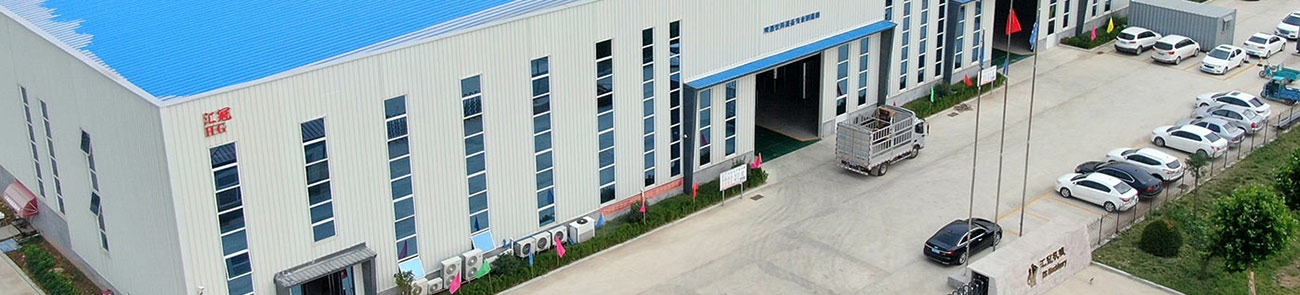
A brewery equipment manufacturer is a company involved in producing brewing equipment. Its work may cover equipment design, material processing, fabrication, assembly, and quality inspection.Depending on its capabilities, a manufacturer may produce individual units or supply coordinated equipment systems for commercial breweries.
Typical products include:
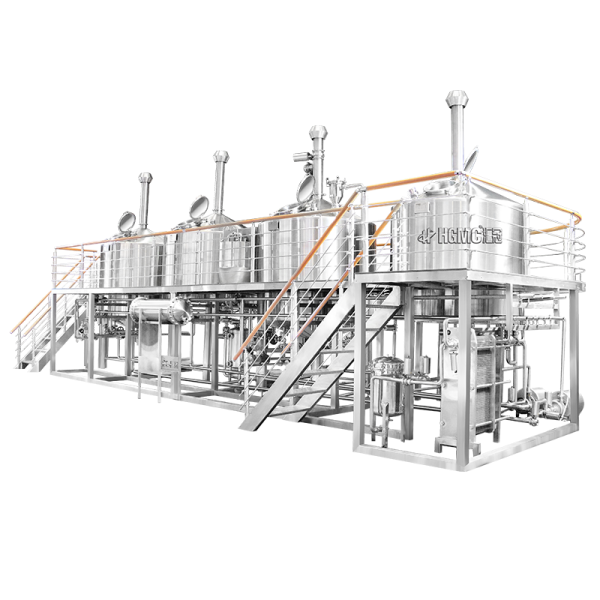
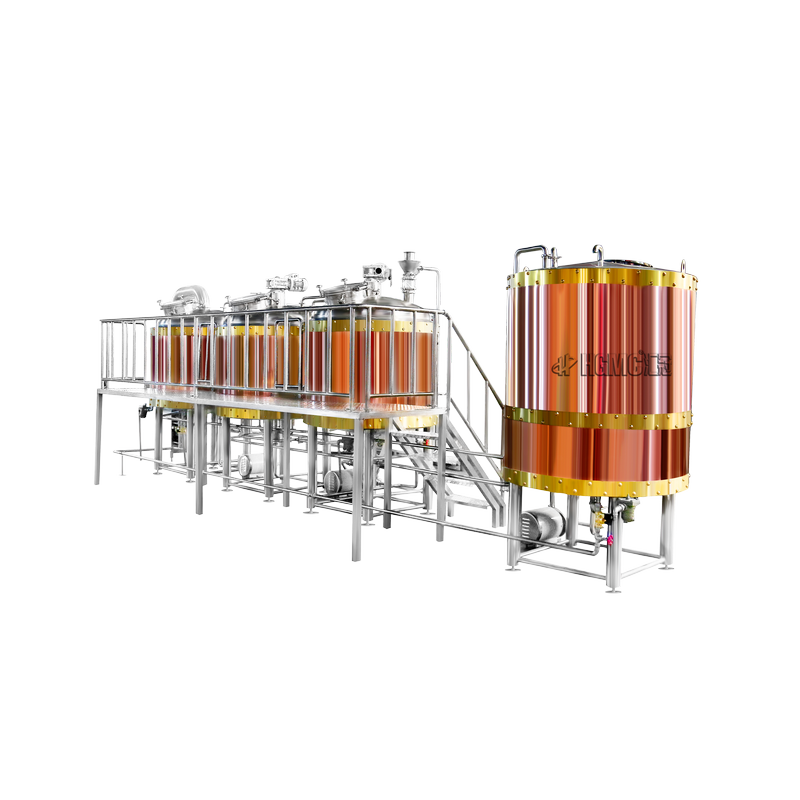
- Brewhouse systems for mashing, lautering, boiling, and whirlpool separation.
- Fermentation tanks for beer fermentation and temperature control.
- Bright beer tanks for conditioning and finished beer storage.
- Cooling and CIP systems for production support.
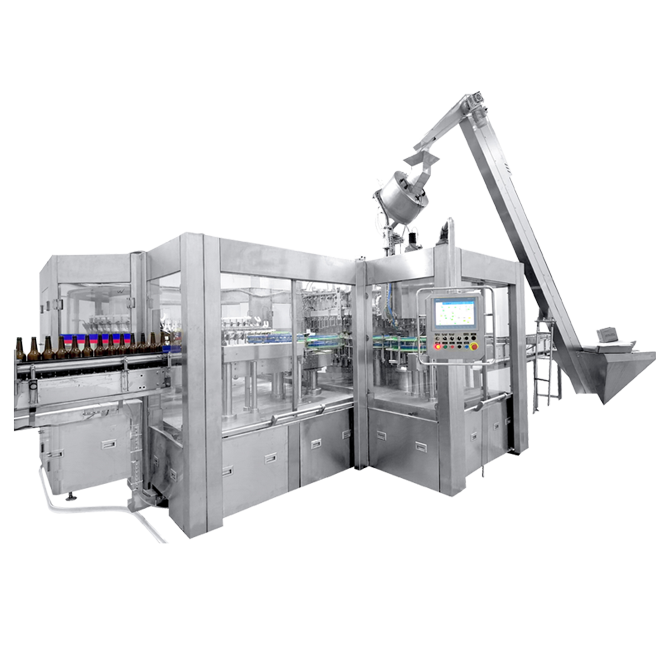
- Filling and packaging equipment for finished beer.
What Does a Brewery Equipment Supplier Do?
A brewery equipment supplier connects buyers with the equipment they need. Some suppliers manufacture their own products, while others source equipment from different factories or work with external manufacturers.Their responsibilities may include:
- Recommending suitable equipment based on customer requirements.
- Sourcing products from manufacturers.
- Coordinating quotations and purchasing.
- Arranging equipment delivery.
- Communicating with manufacturers and other project partners.
- Providing technical or after-sales support, depending on their service scope.
This means the two roles are not always mutually exclusive. Buyers should focus on who actually produces the equipment and who takes responsibility for technical specifications, manufacturing quality, and project coordination.
Brewery Equipment Manufacturer vs. Supplier: Key Differences
The most important differences become clear when comparing how each business handles equipment production and project requirements.Equipment Production and Quality Control
A manufacturer is directly involved in the production process. This can make it easier for buyers to communicate technical requirements with the team responsible for manufacturing.For example, if a brewery needs a fermentation tank with specific dimensions, fittings, or cooling connections, the manufacturer can evaluate these requirements against its production capabilities.
A supplier that does not manufacture equipment may need to communicate the same specifications to an external factory. This adds another coordination step.
Before placing an order, ask who is responsible for material specifications, fabrication standards, inspection, and final equipment acceptance.
Equipment Customization
Commercial breweries rarely have identical production requirements. Differences in batch size, building dimensions, beer styles, and operating procedures can affect equipment configuration.A manufacturer with relevant engineering and production capabilities can assess whether requested changes can be incorporated into the equipment design and fabrication process.
A supplier may also offer customized solutions, but the actual customization may depend on its manufacturing partners.
For buyers, it is important to confirm:
- Whether equipment dimensions can be adjusted.
- Whether tank fittings and connections can be customized.
- Whether different brewhouse configurations are available.
- Whether automation and control requirements can be accommodated.
- Who confirms and approves the final technical drawings.
Technical Communication
Direct communication with the manufacturing team can help reduce misunderstandings about equipment requirements.For instance, a brewery may request a particular tank arrangement or process connection. The technical team needs to understand how this requirement affects the vessel structure, piping, valves, and related components.
When several parties are involved, buyers should establish a clear communication process. Technical drawings, equipment lists, and written specifications should be reviewed and approved before manufacturing.
Project Coordination
A single equipment manufacturer may provide several connected systems, while a general supplier may coordinate products from multiple manufacturers.Neither approach is automatically better. The right choice depends on the project scope.
For a brewery purchasing only one or two tanks, working with a specialized supplier may be practical. For a new commercial brewery requiring brewhouse equipment, fermentation tanks, cooling, CIP, and packaging connections, integrated technical coordination becomes more important.
The buyer should identify who is responsible for checking equipment compatibility, process connections, and delivery schedules.
When Should You Work Directly with a Brewery Equipment Manufacturer?
Direct cooperation with a manufacturer can be particularly useful when your project has specific technical requirements or involves multiple connected equipment systems.When You Need Customized Equipment
If standard equipment does not match your available space or production process, you may need customized dimensions, configurations, or fittings.Working directly with a manufacturer can help you discuss these requirements with the team responsible for production.
When You Are Building a New Commercial Brewery
A new brewery requires more than a brewhouse. Fermentation capacity, cooling, cleaning, pipelines, and finished beer storage must also be considered.A manufacturer capable of supplying multiple equipment categories can help coordinate the main systems and reduce the complexity of dealing with unrelated equipment sources.
When You Plan to Expand Production
Production expansion may require additional fermentation tanks, larger brewhouse capacity, or upgraded supporting systems.Discussing expansion requirements with the manufacturer during the initial planning stage can help you reserve space and consider future equipment connections.
What Should You Check Before Choosing a Manufacturer or Supplier?
The business title alone does not prove that a company can handle your project. Before making a purchasing decision, verify its actual capabilities.Confirm Its Manufacturing Role
Ask whether the company manufactures the equipment directly or sources products from other factories.If it claims to be a manufacturer, request relevant production information, equipment specifications, and examples of completed projects.
Review Its Product Range
Check whether the company can provide the equipment categories your brewery needs.A supplier offering only brewhouse equipment may not be able to coordinate fermentation, cooling, or packaging systems. A broader product range can simplify purchasing when multiple systems need to work together.
Check Technical and Customization Capabilities
Ask whether the company can prepare equipment drawings, confirm process connections, and adjust configurations according to your production requirements.For larger projects, technical coordination should cover the complete equipment arrangement rather than individual machines alone.
Clarify Quality Inspection and Delivery Responsibilities
Before signing a contract, confirm how equipment will be inspected, what documentation will be supplied, and who is responsible for shipment preparation and delivery coordination.Also clarify the scope of installation, commissioning, operator training, warranty, and after-sales support. These responsibilities should be stated clearly rather than assumed.
Brewery Equipment Manufacturing and Integrated Solutions from HGMC
Commercial Brewing Equipment Manufacturing
At HGMC, we provide commercial brewing equipment in different capacities and configurations, including brewhouse systems, fermentation tanks, bright beer tanks, and supporting equipment. Our commercial brewery equipment includes 2-vessel, 3-vessel, and 4-vessel brewhouse configurations to meet different production requirements.Customized Equipment and Project Solutions
We develop customized brewery equipment solutions based on each customer's batch size, target output, brewing process, and available space. For larger projects, our turnkey brewery solutions bring equipment planning, manufacturing, and project-related technical services together.With more than 20 years of industry experience, HGMC provides equipment and engineering solutions for commercial brewing and fermentation projects.
Choosing the Right Partner for Your Brewery
Whether you need individual machines or a complete brewing system, look beyond the company title. Consider its manufacturing capabilities, customization options, equipment range, and ability to coordinate the project.If you are planning a new brewery or upgrading an existing facility, contact HGMC with your production targets and equipment requirements. We can discuss a suitable configuration for your project.