Nov. 11, 2026
News
How to Choose a Stainless Steel Fermentation Tanks Supplier
Choosing the right stainless steel fermentation tanks supplier is important for breweries and beverage manufacturers. The right equipment affects fermentation stability, product quality, cleaning efficiency, and long-term operating costs. But what should you look for when selecting a supplier, and how can you make sure the tanks match your production requirements?
Key advantages include:
They are suitable for facilities that need organized tank layouts and scalable fermentation capacity.
The choice between vertical and horizontal designs should depend on available space, process requirements, and operating arrangements.
The jacket configuration should match the required temperature range, cooling capacity, and fermentation cycle.
When selecting a conical tank, consider its cone angle, discharge arrangement, cleaning access, and compatibility with the brewing process.
When evaluating a supplier, ask for:
A reliable manufacturer should be able to explain the tank's design specifications and applicable inspection procedures.
Check whether the cooling configuration matches your fermentation cycle and production environment.
These details are particularly important for breweries and beverage plants that need repeatable cleaning procedures between production batches.
For example, a brewery producing multiple batches per week needs enough fermentation capacity to accommodate overlapping fermentation cycles.
Calculate the number of tanks based on:
We offer fermentation tanks in multiple capacities, including 300L, 500L, 1,000L, 2,000L, 4,000L, 5,000L, and larger industrial models. Our stainless steel fermentation tanks cover different commercial brewing requirements, helping customers compare equipment according to production scale.
If you plan to expand production, leave sufficient room for additional tanks and supporting equipment. This helps avoid costly layout changes later.
Common customization considerations include:
Check how long the manufacturer has worked in the industry, whether it has an engineering team, and whether it can support equipment selection and project design.
For example, a commercial brewery may require brewhouse equipment, fermentation tanks, bright tanks, and packaging machinery. Working with one supplier can simplify equipment coordination.
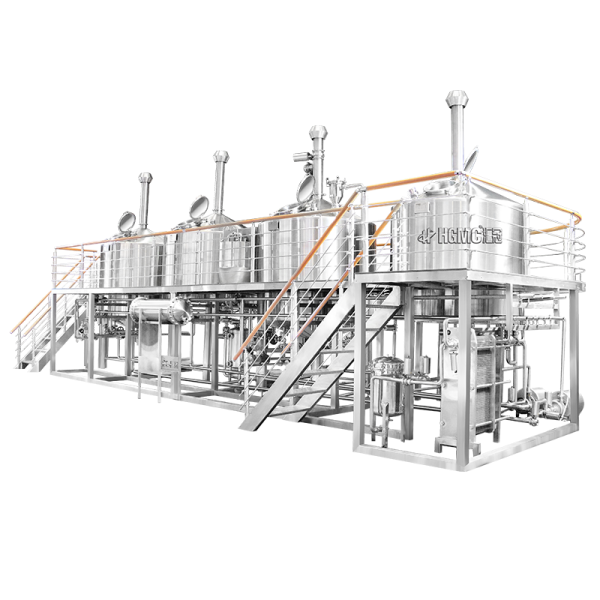
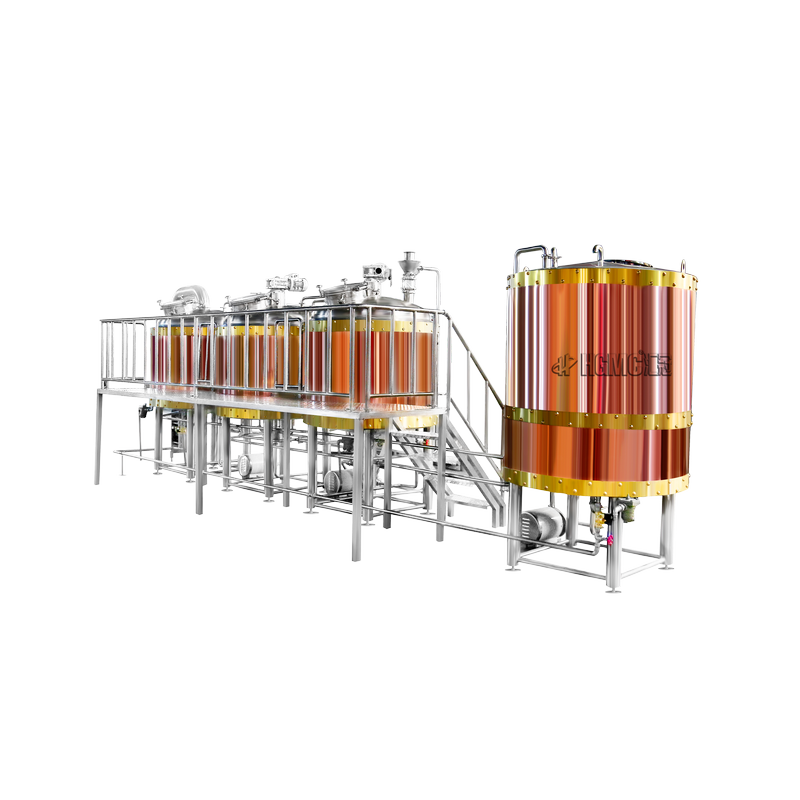
Our commercial brewery equipment includes systems ranging from 200L nano breweries to 20,000L industrial brewing equipment. This range allows us to support different commercial production scales and equipment configurations.
Certifications and manufacturing standards can provide additional information about production management. However, you should also confirm whether the equipment specifications meet your actual project requirements.
Before placing an order, clarify:
A complete solution may involve raw material handling, brewing equipment, fermentation systems, filling lines, and packaging equipment. These systems need to work together to support a coordinated production process.
Our capabilities include:
At HGMC, we work with customers to understand their production goals and recommend suitable equipment configurations. Whether you need individual fermentation tanks or a complete commercial brewing system, we can develop a solution around your project requirements.
To help us evaluate your needs, prepare the following information:
Contact HGMC to discuss your project and find the right stainless steel fermentation tank solution for your production needs.
Why Stainless Steel Fermentation Tanks Are the Preferred Choice for Industrial Production
Stainless steel is widely used in industrial fermentation because it offers durability, corrosion resistance, and a smooth surface that supports hygienic production. It also works well with temperature control systems and different fermentation processes.Key advantages include:
- Corrosion Resistance: Stainless steel can withstand regular contact with liquids and routine cleaning when the appropriate grade and maintenance practices are used.
- Hygienic Design: Smooth internal surfaces help reduce residue buildup and make tank cleaning easier.
- Temperature Control: Jacketed tank designs allow cooling or heating systems to maintain the required fermentation temperature.
- Long-Term Durability: Properly manufactured stainless steel tanks can support long-term industrial operation with routine maintenance.
Types of Stainless Steel Fermentation Tanks for Different Production Needs
Different fermentation processes require different tank structures. Understanding the main tank types helps you identify suitable equipment before contacting a supplier.Vertical Fermentation Tanks
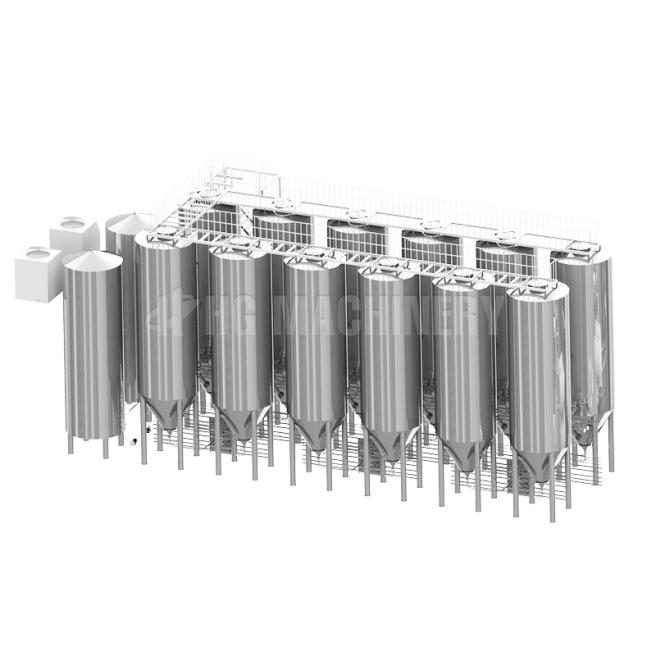
Vertical tanks are widely used in commercial breweries and beverage production facilities. Their upright structure makes efficient use of floor space and allows multiple tanks to be arranged in a production area.They are suitable for facilities that need organized tank layouts and scalable fermentation capacity.
Horizontal Fermentation Tanks
Horizontal tanks have a lower profile and a larger horizontal footprint. They can be considered when a production process or facility layout requires this configuration.The choice between vertical and horizontal designs should depend on available space, process requirements, and operating arrangements.
Jacketed Fermentation Tanks
Jacketed tanks use an external jacket to circulate a cooling or heating medium around the tank wall. This helps regulate fermentation temperature and maintain process stability.The jacket configuration should match the required temperature range, cooling capacity, and fermentation cycle.
Conical Fermentation Tanks
Conical-bottom tanks are commonly used in beer fermentation. Their cone-shaped bottom helps collect yeast and sediment, making separation and discharge more convenient.When selecting a conical tank, consider its cone angle, discharge arrangement, cleaning access, and compatibility with the brewing process.
Key Factors That Determine Stainless Steel Fermentation Tank Quality
Tank quality depends on more than its material. Manufacturing processes, structural design, surface treatment, and auxiliary systems all affect equipment performance.Stainless Steel Material Selection
304 and 316L stainless steel are common material options to discuss when specifying industrial tanks. However, the right choice depends on the product, cleaning chemicals, operating conditions, and hygiene requirements.When evaluating a supplier, ask for:
- Stainless steel grade and material specifications.
- Material certificates and traceability.
- Compatibility with the intended production process.
- Corrosion resistance under actual operating conditions.
Tank Structure and Welding Quality
A fermentation tank must withstand its intended operating conditions. Pay attention to tank thickness, structural support, weld quality, and pressure requirements.A reliable manufacturer should be able to explain the tank's design specifications and applicable inspection procedures.
Insulation and Temperature Control
Fermentation temperature directly affects the production process. Depending on the application, a tank may require an insulation layer, cooling jacket, temperature sensors, and an automated control system.Check whether the cooling configuration matches your fermentation cycle and production environment.
Surface Finish and Cleaning Design
The internal surface should support effective cleaning and reduce residue accumulation. Pay attention to weld finishing, tank connections, drainage, and cleaning system compatibility.These details are particularly important for breweries and beverage plants that need repeatable cleaning procedures between production batches.
Choosing the Right Fermentation Tank Capacity and Configuration
The correct tank capacity depends on your production target, batch size, fermentation time, and available space. Buying a larger tank does not automatically mean better production efficiency.Calculate Capacity Based on Production Output
Start with your expected daily or weekly production volume. Then consider how much product each fermentation batch requires.For example, a brewery producing multiple batches per week needs enough fermentation capacity to accommodate overlapping fermentation cycles.
Consider Fermentation Time and Tank Quantity
Fermentation tanks remain occupied while each batch completes its process. If fermentation takes several days, the brewery needs sufficient tank capacity to support continuous production.Calculate the number of tanks based on:
- Daily or weekly brewing output.
- Average fermentation time.
- Tank working volume.
- Cleaning and transfer time.
- Planned production expansion.
Match Tank Configuration to the Production Process
Different products require different tank configurations. Consider cooling jackets, insulation, temperature monitoring, pressure requirements, discharge connections, and cleaning arrangements.We offer fermentation tanks in multiple capacities, including 300L, 500L, 1,000L, 2,000L, 4,000L, 5,000L, and larger industrial models. Our stainless steel fermentation tanks cover different commercial brewing requirements, helping customers compare equipment according to production scale.
Plan for Factory Space and Future Expansion
Tank dimensions, installation height, access routes, and maintenance space should all be considered before purchasing.If you plan to expand production, leave sufficient room for additional tanks and supporting equipment. This helps avoid costly layout changes later.
Custom Stainless Steel Fermentation Tanks for Industrial Applications
Standard equipment may not meet every production requirement. Custom stainless steel fermentation tanks allow manufacturers to adjust equipment specifications according to product characteristics, production capacity, and factory conditions.Common customization considerations include:
- Tank Dimensions and Capacity: Adjust tank size to match production volume and installation space.
- Temperature Control: Configure cooling jackets, insulation, and monitoring systems according to process requirements.
- Tank Connections: Arrange product inlets, outlets, sampling ports, and other connections based on the production layout.
- Automation: Integrate temperature monitoring and control functions to reduce manual operation.
- Auxiliary Systems: Match pumps, pipelines, and cleaning arrangements to the complete production process.
Applications in Different Industries
Stainless steel fermentation tanks are used in different industrial production processes.- Beer Production: Fermentation and maturation tanks support different stages of commercial brewing.
- Beverage Production: Tank specifications can be adjusted for beverage processing and fermentation requirements.
- Other Industrial Fermentation: Equipment design should be based on the characteristics of the material and the specific production process.
How to Evaluate a Stainless Steel Fermentation Tanks Supplier
Choosing a supplier is not simply about comparing tank specifications. You also need to evaluate manufacturing capabilities, engineering experience, product range, and after-sales support.Manufacturing Experience and Technical Expertise
An experienced manufacturer should understand industrial fermentation processes and equipment requirements.Check how long the manufacturer has worked in the industry, whether it has an engineering team, and whether it can support equipment selection and project design.
Product Range and Customization Capabilities
A supplier with a comprehensive product range can help coordinate different equipment units within the same production facility.For example, a commercial brewery may require brewhouse equipment, fermentation tanks, bright tanks, and packaging machinery. Working with one supplier can simplify equipment coordination.
Our commercial brewery equipment includes systems ranging from 200L nano breweries to 20,000L industrial brewing equipment. This range allows us to support different commercial production scales and equipment configurations.
Quality Control and Manufacturing Standards
Ask suppliers about their quality management systems, material inspection, welding procedures, and equipment testing.Certifications and manufacturing standards can provide additional information about production management. However, you should also confirm whether the equipment specifications meet your actual project requirements.
Installation and Technical Support
Equipment delivery is only one part of a successful project. Installation, commissioning, operator training, maintenance, and spare parts support also matter.Before placing an order, clarify:
- Whether installation guidance is available.
- What commissioning services are included.
- How technical problems are handled.
- Whether spare parts and maintenance support are available.
Complete Production Line Integration
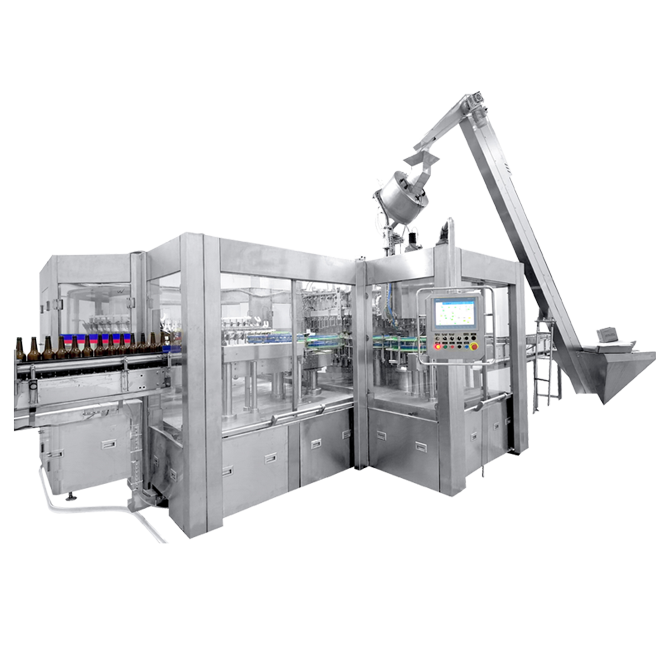
For larger projects, consider whether the supplier can provide more than individual fermentation tanks.A complete solution may involve raw material handling, brewing equipment, fermentation systems, filling lines, and packaging equipment. These systems need to work together to support a coordinated production process.
Why Choose HGMC for Stainless Steel Fermentation Tanks
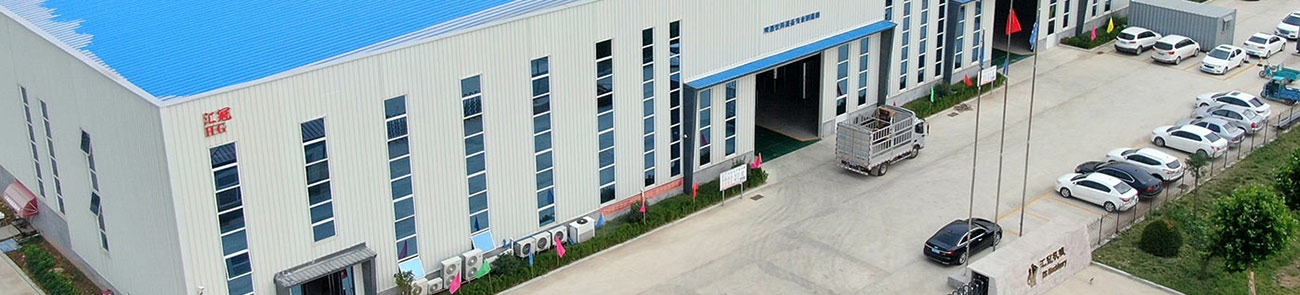
At HGMC, we focus on beer brewing equipment, beverage equipment, and industrial fermentation solutions. We provide equipment for individual production needs as well as integrated projects.Our capabilities include:
- 20+ Years of Industry Experience: We bring extensive experience in beer brewing equipment manufacturing and project development.
- 30,000+ Square Meters of Factory Space: Our manufacturing facility supports equipment production and project requirements.
- 30+ National Authorized Patents: Our technical capabilities support equipment development and engineering improvements.
- 120+ Export Countries: We serve customers in different markets with varied production requirements.
- Integrated Equipment Solutions: We provide individual machines, complete brewing systems, and filling and packaging solutions.
Get a Customized Stainless Steel Fermentation Tank Solution for Your Project
Choosing the right stainless steel fermentation tanks supplier requires a clear understanding of your production process, tank capacity, material requirements, and future development plans.At HGMC, we work with customers to understand their production goals and recommend suitable equipment configurations. Whether you need individual fermentation tanks or a complete commercial brewing system, we can develop a solution around your project requirements.
To help us evaluate your needs, prepare the following information:
- Product type and production capacity.
- Required tank volume and quantity.
- Fermentation process and temperature requirements.
- Factory dimensions and available installation space.
- Automation and auxiliary equipment requirements.
Contact HGMC to discuss your project and find the right stainless steel fermentation tank solution for your production needs.