Nov. 11, 2026
News
What Should an All-in-One Beer Brewing Kit Include for Commercial Breweries?
An all in one beer brewing kit for commercial breweries should cover more than the brewing process itself. It needs a coordinated system of brewhouse equipment, fermentation tanks, cooling units, cleaning systems, and other supporting components. Choosing the right configuration helps breweries maintain consistent production, improve workflow, and meet their target output.
But what equipment should a complete commercial brewing kit include? And how do these components work together? Understanding the main systems will help you make a more suitable investment.
Unlike a single brewing machine, a complete system connects multiple units into one production process. Each unit performs a specific task, while the overall configuration is designed around the brewery's production capacity and brewing requirements.
A typical commercial setup may include:
Common configurations include two-vessel, three-vessel, and four-vessel systems. The choice depends on the desired brewing output, production schedule, and available space.
For example, a brewery with a higher daily brewing target may need a configuration that supports more efficient vessel utilization and multiple brewing batches.
Our commercial brewhouse equipment can be configured according to different production requirements.
The number and capacity of fermentation tanks directly affect production scheduling. A brewery with insufficient fermentation capacity may not be able to process all the wort produced by its brewhouse.
When selecting tanks, consider:
They also help separate fermentation scheduling from packaging operations. This gives breweries more flexibility when arranging production and filling schedules.
The required number of bright beer tanks depends on packaging frequency, beer output, and how long the finished beer needs to remain in storage.
A cooling system typically includes refrigeration equipment, glycol circulation, pumps, and associated pipelines. It supplies cooling capacity to different production units according to their temperature requirements.
When planning the system, consider the cooling demand of the brewhouse and fermentation tanks, as well as the number of tanks operating simultaneously.
Its configuration depends on the number of vessels, pipeline layout, cleaning procedures, and production scale.
The control system coordinates equipment operation and process parameters. Depending on the automation level, it can support temperature management, process monitoring, and equipment operation.
These supporting components should be considered during the initial system design rather than added as an afterthought.
The general process follows this sequence:
For example, if the brewhouse produces more wort than the fermentation system can handle, production may be delayed. Similarly, insufficient cooling capacity can affect the operation of multiple tanks.
A well-planned brewery equipment system should therefore consider equipment capacity, transfer routes, utilities, and production scheduling together.
Also consider the volume of each brewing batch and how many batches you plan to produce per day. These figures help determine brewhouse capacity and the required fermentation volume.
When calculating the required fermentation capacity, consider the total wort produced over a production cycle, the average fermentation time, and the number of batches scheduled.
This helps prevent bottlenecks caused by insufficient tank space.
A manual system may be suitable for certain production arrangements, while a semi-automatic or fully automatic configuration can support more centralized process control.
Your decision should consider labor availability, production frequency, process complexity, and operating preferences.
For example, the layout may reserve space for additional fermentation tanks or allow the cooling and utility systems to accommodate future equipment.
Planning ahead can reduce the need for major system changes later.
We understand that a complete brewing system needs more than a collection of individual machines. Equipment capacity, process connections, cooling requirements, and automation levels all influence the final configuration.
When planning a project, we consider the customer's target output, brewing process, beer styles, and available installation space to develop a suitable equipment solution.
If you are planning a new commercial brewery or upgrading an existing production line, contact HGMC to discuss your requirements and explore a suitable all-in-one beer brewing kit for your project.
But what equipment should a complete commercial brewing kit include? And how do these components work together? Understanding the main systems will help you make a more suitable investment.
What Is an All-in-One Beer Brewing Kit for Commercial Use?
For commercial breweries, an all-in-one beer brewing kit refers to a coordinated set of equipment designed to support the main stages of beer production.Unlike a single brewing machine, a complete system connects multiple units into one production process. Each unit performs a specific task, while the overall configuration is designed around the brewery's production capacity and brewing requirements.
A typical commercial setup may include:
- Brewhouse equipment for wort production.
- Fermentation tanks for beer fermentation.
- Bright beer tanks for beer maturation and storage.
- Cooling systems for temperature control.
- CIP systems for equipment cleaning.
- Pumps, pipelines, and control systems for process coordination.
Core Equipment Included in a Commercial Beer Brewing Kit
The brewhouse, fermentation system, and beer storage equipment form the main production units. Their capacities should be planned together rather than selected independently.Brewhouse System
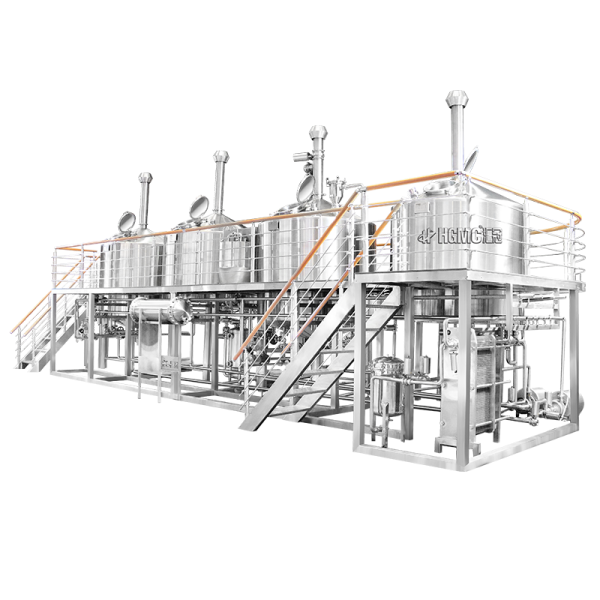
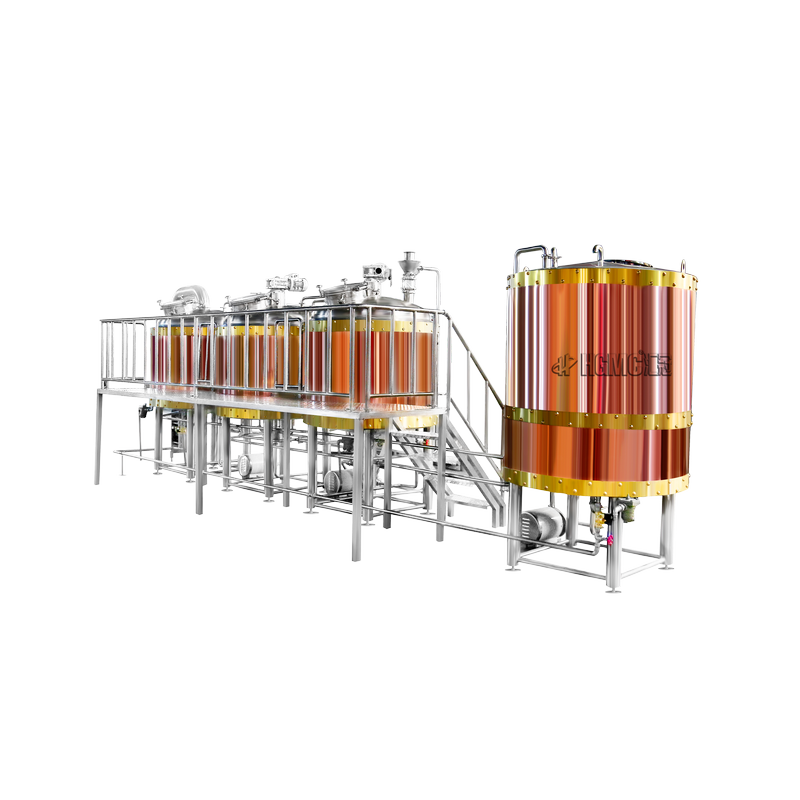
The brewhouse is where the main wort production processes take place. Depending on the configuration, it includes equipment for mashing, lautering, boiling, and whirlpool separation.Common configurations include two-vessel, three-vessel, and four-vessel systems. The choice depends on the desired brewing output, production schedule, and available space.
For example, a brewery with a higher daily brewing target may need a configuration that supports more efficient vessel utilization and multiple brewing batches.
Our commercial brewhouse equipment can be configured according to different production requirements.
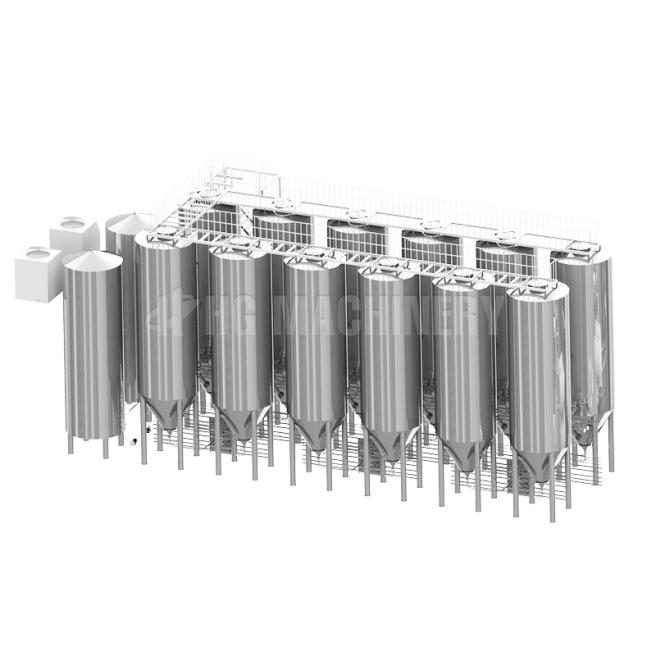
Fermentation Tanks
After wort cooling, the wort enters fermentation tanks, where yeast converts fermentable sugars into alcohol and carbon dioxide.The number and capacity of fermentation tanks directly affect production scheduling. A brewery with insufficient fermentation capacity may not be able to process all the wort produced by its brewhouse.
When selecting tanks, consider:
- Batch volume and brewing frequency.
- Fermentation and maturation time.
- Temperature control requirements.
- The number of beer styles produced.
- Future production expansion.
Bright Beer Tanks
Bright beer tanks provide space for beer maturation, clarification, carbonation management, and temporary storage before packaging, depending on the brewing process.They also help separate fermentation scheduling from packaging operations. This gives breweries more flexibility when arranging production and filling schedules.
The required number of bright beer tanks depends on packaging frequency, beer output, and how long the finished beer needs to remain in storage.
Auxiliary Systems That Support the Brewing Process
A complete brewing setup also needs supporting equipment. These systems may not directly produce beer, but they are essential to stable operation.Cooling System
Temperature control is important throughout brewing and fermentation.A cooling system typically includes refrigeration equipment, glycol circulation, pumps, and associated pipelines. It supplies cooling capacity to different production units according to their temperature requirements.
When planning the system, consider the cooling demand of the brewhouse and fermentation tanks, as well as the number of tanks operating simultaneously.
CIP Cleaning System
Cleaning is essential for maintaining hygienic production conditions. A CIP system supports the cleaning of tanks, pipelines, and other connected equipment without requiring complete disassembly.Its configuration depends on the number of vessels, pipeline layout, cleaning procedures, and production scale.
Pumps, Pipelines, and Control Systems
Pumps and pipelines transfer water, wort, beer, and cleaning solutions between different units. Their layout should match the production sequence and equipment positions.The control system coordinates equipment operation and process parameters. Depending on the automation level, it can support temperature management, process monitoring, and equipment operation.
These supporting components should be considered during the initial system design rather than added as an afterthought.
How Do the Equipment Components Work Together?
A commercial beer brewing kit needs to connect each production stage into a continuous workflow.The general process follows this sequence:
- Raw material preparation: Malt and other brewing ingredients are prepared for the brewing process.
- Wort production: The brewhouse completes mashing, lautering, boiling, and whirlpool separation.
- Wort cooling: The hot wort is cooled to the required temperature before fermentation.
- Fermentation: Cooled wort enters fermentation tanks, where yeast carries out fermentation.
- Beer maturation and storage: Finished beer is transferred to bright beer tanks when required by the process.
- Packaging: Beer is transferred to the selected filling and packaging equipment.
For example, if the brewhouse produces more wort than the fermentation system can handle, production may be delayed. Similarly, insufficient cooling capacity can affect the operation of multiple tanks.
A well-planned brewery equipment system should therefore consider equipment capacity, transfer routes, utilities, and production scheduling together.
How to Choose the Right Configuration for Your Brewery
There is no single configuration suitable for every commercial brewery. The right equipment combination should reflect the actual production plan.Define Your Production Capacity
Start with the expected daily, monthly, and annual beer output.Also consider the volume of each brewing batch and how many batches you plan to produce per day. These figures help determine brewhouse capacity and the required fermentation volume.
Match Brewhouse and Fermentation Capacity
Brewhouse output and fermentation capacity must work together.When calculating the required fermentation capacity, consider the total wort produced over a production cycle, the average fermentation time, and the number of batches scheduled.
This helps prevent bottlenecks caused by insufficient tank space.
Consider Automation Requirements
Different breweries have different operational needs.A manual system may be suitable for certain production arrangements, while a semi-automatic or fully automatic configuration can support more centralized process control.
Your decision should consider labor availability, production frequency, process complexity, and operating preferences.
Plan for Future Expansion
If production is expected to grow, consider expansion when selecting the initial configuration.For example, the layout may reserve space for additional fermentation tanks or allow the cooling and utility systems to accommodate future equipment.
Planning ahead can reduce the need for major system changes later.
Common Mistakes When Buying a Complete Beer Brewing Kit
Even when purchasing a complete equipment package, some important details can be overlooked.- Focusing only on brewhouse capacity: Fermentation and storage capacity must also support the planned output.
- Ignoring auxiliary systems: Cooling, cleaning, pumps, and pipelines are necessary for reliable production.
- Selecting equipment independently: Individual units may have different capacities or connection requirements, creating workflow problems.
- Overlooking installation space: Equipment layout should allow sufficient room for operation, cleaning, and maintenance.
- Failing to consider future needs: A system that meets current production targets may become restrictive as demand increases.
Commercial Beer Brewing Equipment Solutions from HGMC
At HGMC, we provide commercial beer brewing equipment and integrated system solutions for different production requirements. Our equipment range covers brewhouse systems, fermentation tanks, and supporting equipment.We understand that a complete brewing system needs more than a collection of individual machines. Equipment capacity, process connections, cooling requirements, and automation levels all influence the final configuration.
When planning a project, we consider the customer's target output, brewing process, beer styles, and available installation space to develop a suitable equipment solution.
If you are planning a new commercial brewery or upgrading an existing production line, contact HGMC to discuss your requirements and explore a suitable all-in-one beer brewing kit for your project.