Nov. 11, 2026
News
How to Choose the Right Craft Brewery Canning Equipment
Choosing the right craft brewery canning equipment is important when expanding beer packaging or starting canned beer production. The equipment must match your production capacity, can formats, and packaging requirements while maintaining consistent filling quality. How can you select a canning solution that fits your brewery without investing in unnecessary equipment?
The right choice depends on more than filling speed. You should also consider automation, oxygen control, container compatibility, cleaning requirements, and the connection between filling and downstream packaging.
However, beer is a carbonated beverage that requires careful handling during filling. Excessive foaming, CO2 loss, and oxygen exposure can affect product quality.
Dedicated beer canning equipment is designed to handle these requirements. It uses controlled filling conditions and suitable sealing mechanisms to support consistent packaging.
For craft breweries producing different beer styles, equipment flexibility is also important. A suitable system should accommodate the planned can sizes and production schedule without creating unnecessary operating complexity.
The required capacity depends on your beer production volume, available packaging time, and expected sales demand. A machine that is too small may restrict production, while an oversized system can increase investment and operating costs.
Consider the following:
Semi-automatic machines can be suitable for breweries with limited packaging volumes or relatively flexible production schedules. They generally require more operator involvement during loading, operation, and handling.
Automatic canning machines reduce repetitive manual operations and are more suitable for breweries with regular packaging demand.
When comparing these options, consider:
Before purchasing equipment, confirm:
Flexible can handling can help reduce changeover complexity and support a wider product range.
The filling system needs to maintain suitable pressure conditions and control liquid levels. The seaming system must then create a reliable seal to protect the packaged beer.
Pay attention to:
Isobaric filling helps address this problem by maintaining pressure conditions between the beer supply and the can during filling.
As a result, the filling process can be more stable, with better control over foaming and carbonation.
Some beer canning machines use double pre-evacuation to remove air from cans before filling. This helps reduce residual oxygen inside the container.
However, the final dissolved oxygen level also depends on beer handling, pipeline conditions, operating procedures, and packaging quality. Equipment selection should therefore consider the entire filling process.
HGMC's beer canning line uses isobaric filling and includes double pre-evacuation as a standard feature on some models. Its filling system is designed to support stable beer filling and low dissolved oxygen during packaging.
For breweries using different can sizes, changeover parts and adjustment methods should also be considered.
These two stages need to work together. Unbalanced filling and sealing speeds can interrupt production or create bottlenecks.
For breweries planning automated downstream packaging, a beer cans carton packing machine can be included to handle different can arrangements according to the required packaging format.
Not every craft brewery needs a fully automated packaging line. Some operations may begin with a filling and seaming machine and add downstream equipment as production demand increases.
Important maintenance practices include:
When evaluating a machine, check whether its structure allows convenient access to cleaning and maintenance points. A practical design can make routine servicing easier for production operators.
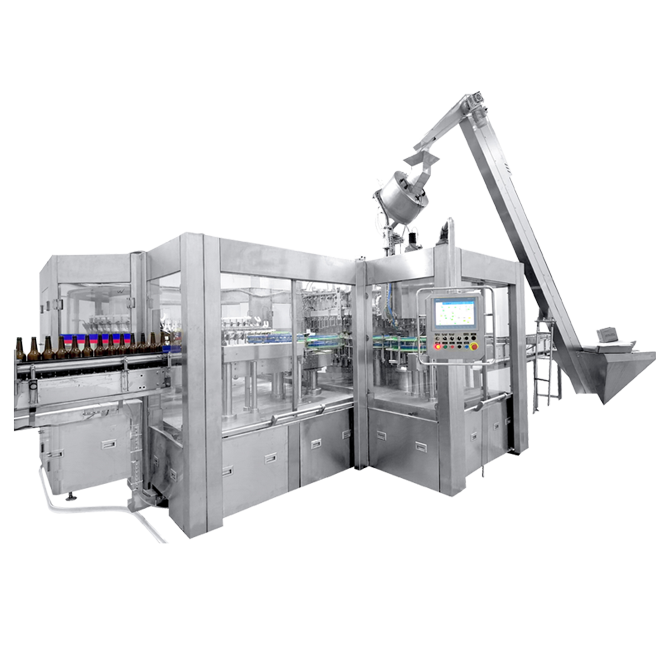
At HGMC, we provide beer canning equipment for different production requirements, including semi-automatic machines and higher-capacity automatic models.
Our equipment uses an isobaric filling principle to support stable carbonated beer filling. Depending on the model, features may include:
For breweries looking beyond a standalone machine, HGMC can also coordinate filling and downstream packaging equipment according to the required production flow. Our beer filling and canning solutions cover different packaging configurations for commercial beer production.
When selecting equipment, we recommend evaluating your expected output, can dimensions, beer characteristics, automation preferences, and available installation space together. These details help determine a suitable machine configuration without unnecessary investment.
If you are planning to introduce canned beer production or upgrade an existing packaging line, contact HGMC with your production requirements. We can help you evaluate suitable craft brewery canning equipment and develop a packaging solution that fits your operation.
The right choice depends on more than filling speed. You should also consider automation, oxygen control, container compatibility, cleaning requirements, and the connection between filling and downstream packaging.
Why Do Craft Breweries Need Dedicated Canning Equipment?
Canned beer is widely used in retail distribution, transportation, and commercial beer sales. For craft breweries, canning provides a convenient packaging format and allows products to reach different sales channels.However, beer is a carbonated beverage that requires careful handling during filling. Excessive foaming, CO2 loss, and oxygen exposure can affect product quality.
Dedicated beer canning equipment is designed to handle these requirements. It uses controlled filling conditions and suitable sealing mechanisms to support consistent packaging.
For craft breweries producing different beer styles, equipment flexibility is also important. A suitable system should accommodate the planned can sizes and production schedule without creating unnecessary operating complexity.
What Should You Consider When Choosing Craft Brewery Canning Equipment?
Before purchasing a canning machine, evaluate several factors based on your actual production needs.Match Canning Capacity with Brewery Output
Start by estimating how many cans you need to package per hour or per day.The required capacity depends on your beer production volume, available packaging time, and expected sales demand. A machine that is too small may restrict production, while an oversized system can increase investment and operating costs.
Consider the following:
- Daily and weekly packaging targets.
- Available beer volume in bright beer tanks.
- Required filling speed and operating hours.
- Cleaning, changeover, and maintenance time.
- Potential increases in future packaging demand.
Choose Between Semi-Automatic and Automatic Canning Machines
The automation level should match your production scale and workforce.Semi-automatic machines can be suitable for breweries with limited packaging volumes or relatively flexible production schedules. They generally require more operator involvement during loading, operation, and handling.
Automatic canning machines reduce repetitive manual operations and are more suitable for breweries with regular packaging demand.
When comparing these options, consider:
- Available operators and their experience.
- Packaging frequency and production volume.
- Required control functions.
- Available floor space.
- Maintenance and operating requirements.
Check Can Size and Container Compatibility
Can dimensions are another important selection factor. Different products may use different can heights, diameters, and volumes.Before purchasing equipment, confirm:
- Can volume and dimensions.
- Can body diameter and height.
- Can opening and seaming requirements.
- Whether multiple can formats will be used.
- How easily the equipment can be adjusted during changeovers.
Flexible can handling can help reduce changeover complexity and support a wider product range.
Evaluate Filling and Seaming Performance
Filling and seaming are two critical stages in beer canning.The filling system needs to maintain suitable pressure conditions and control liquid levels. The seaming system must then create a reliable seal to protect the packaged beer.
Pay attention to:
- Filling accuracy and consistency.
- Foam generation during filling.
- CO2 retention.
- Oxygen exposure.
- Seaming stability and sealing quality.
How Does Isobaric Filling Help Protect Craft Beer Quality?
Beer contains dissolved carbon dioxide. If pressure conditions are not properly controlled during filling, CO2 can escape and excessive foam may develop.Isobaric filling helps address this problem by maintaining pressure conditions between the beer supply and the can during filling.
Reduce Foaming and CO2 Loss
In an isobaric filling process, the can is pressurized before beer enters it. This helps reduce the pressure difference that would otherwise cause rapid CO2 release.As a result, the filling process can be more stable, with better control over foaming and carbonation.
Reduce Oxygen Exposure
Oxygen is another important concern during beer packaging. Excessive oxygen exposure can accelerate oxidation and affect beer aroma, flavor, and shelf stability.Some beer canning machines use double pre-evacuation to remove air from cans before filling. This helps reduce residual oxygen inside the container.
However, the final dissolved oxygen level also depends on beer handling, pipeline conditions, operating procedures, and packaging quality. Equipment selection should therefore consider the entire filling process.
HGMC's beer canning line uses isobaric filling and includes double pre-evacuation as a standard feature on some models. Its filling system is designed to support stable beer filling and low dissolved oxygen during packaging.
What Equipment Is Needed for a Complete Craft Brewery Canning Line?
A complete canning line may include several connected machines. The exact configuration depends on production capacity, automation requirements, and packaging format.Can Feeding and Handling
Empty cans need to be delivered to the filling section in an orderly manner. Can feeding and conveying equipment help maintain a continuous packaging flow.For breweries using different can sizes, changeover parts and adjustment methods should also be considered.
Beer Filling and Can Seaming
The filling machine transfers beer into cans under controlled conditions. The seaming unit then closes each can to create a secure package.These two stages need to work together. Unbalanced filling and sealing speeds can interrupt production or create bottlenecks.
Conveying and Product Inspection
Conveyors transfer cans between processing stages. Depending on the production requirements, inspection equipment can also be included to identify packaging problems.Carton Packing and Secondary Packaging
After filling and seaming, cans may need to be grouped and packed into cartons or other packaging formats.For breweries planning automated downstream packaging, a beer cans carton packing machine can be included to handle different can arrangements according to the required packaging format.
Not every craft brewery needs a fully automated packaging line. Some operations may begin with a filling and seaming machine and add downstream equipment as production demand increases.
How to Maintain Canning Equipment for Reliable Production?
Regular maintenance helps keep the filling and sealing process stable. It also reduces the risk of unexpected downtime.Important maintenance practices include:
- Cleaning product-contact components according to the equipment's cleaning procedures.
- Checking filling valves for leakage, residue, or abnormal operation.
- Inspecting seaming heads and sealing components.
- Checking conveyor belts, sensors, and mechanical transmission parts.
- Monitoring pressure and filling conditions during operation.
- Following the manufacturer's maintenance schedule.
When evaluating a machine, check whether its structure allows convenient access to cleaning and maintenance points. A practical design can make routine servicing easier for production operators.
Craft Brewery Canning Equipment Solutions from HGMC
Different craft breweries have different packaging requirements. Some need a compact machine for relatively small batches, while others require an automatic canning line to support regular commercial production.At HGMC, we provide beer canning equipment for different production requirements, including semi-automatic machines and higher-capacity automatic models.
Our equipment uses an isobaric filling principle to support stable carbonated beer filling. Depending on the model, features may include:
- Double pre-evacuation to help reduce residual oxygen in cans.
- High-precision mechanical filling valves.
- Filling level control for consistent liquid volumes.
- Automatic control systems.
- SUS304 stainless steel for product-contact components.
- CIP-friendly design for convenient cleaning.
For breweries looking beyond a standalone machine, HGMC can also coordinate filling and downstream packaging equipment according to the required production flow. Our beer filling and canning solutions cover different packaging configurations for commercial beer production.
When selecting equipment, we recommend evaluating your expected output, can dimensions, beer characteristics, automation preferences, and available installation space together. These details help determine a suitable machine configuration without unnecessary investment.
If you are planning to introduce canned beer production or upgrade an existing packaging line, contact HGMC with your production requirements. We can help you evaluate suitable craft brewery canning equipment and develop a packaging solution that fits your operation.