Nov. 04, 2026
News
How Many Beer Factories Are There in Germany? Industry Statistics and Insights
Germany has a long brewing tradition dating back centuries, and its beer industry remains an important part of the country's cultural and manufacturing identity. Known for its diverse beer styles, established brewing standards, and strong regional brewing traditions, Germany has become one of the most recognized beer-producing countries in the world. Its influence extends beyond domestic consumption, attracting attention from breweries, beer businesses, and industry professionals worldwide.
But how large is Germany's brewing industry today? How are its breweries distributed across different regions, and what production trends are shaping the market? Understanding the number, scale, and development of German breweries provides valuable insight into one of the world's most established brewing industries.
The distribution of breweries also shows a wide difference in production scale:
The state accounts for a substantial share of Germany's total breweries, including both small regional producers and larger commercial operations.
This regional distribution shows that brewery production is not evenly spread across Germany. Businesses planning to enter the German market should consider local competition, distribution networks, and customer demand when evaluating potential locations.
Their equipment priorities often include:
As output increases, equipment configuration becomes more important. Brewing capacity, fermentation space, and packaging speed must work together to avoid production bottlenecks.
Automated controls can also help improve process consistency and reduce repetitive manual operations.
Their typical requirements include:

It is important to distinguish beer sales from production volume. Sales figures indicate how much beer was sold, not necessarily the total amount manufactured during the same period.
For commercial producers, this makes production planning increasingly important. Rather than focusing only on maximum output, breweries need to consider:
Smaller producers can be particularly affected when their local markets become more competitive.
For businesses operating with limited margins, inefficient equipment or unnecessary production downtime can create additional pressure.
This makes equipment reliability, energy management, and production planning important considerations when upgrading a brewery.
Modern brewing systems can help manufacturers coordinate different production stages more effectively. Automation, process monitoring, and properly sized equipment can also reduce manual workload and improve production management.
A suitable system should match the brewery's target batch size and production schedule.
At HGMC, we provide commercial brewing systems in different configurations and capacities. Our product range includes 2-vessel, 3-vessel, and 4-vessel systems, with options ranging from smaller commercial setups to large industrial brewing equipment.Explore our commercial brewery equipment to understand the available configurations for different production requirements.
The number and capacity of tanks affect how many batches a brewery can process simultaneously. Tank sizing should consider fermentation time, beer styles, production frequency, and available space.
HGMC supplies stainless steel fermentation tanks for commercial brewing applications. Their configuration can be planned around the brewery's production targets and process requirements.
The final production stages can include:
For this reason, a complete brewery plan should coordinate brewing, fermentation, storage, and packaging capacity from the beginning.
Then determine the required brewhouse capacity, fermentation tank volume, and packaging output. Equipment should be selected according to actual production needs rather than maximum capacity alone.
Consider the following factors:
At HGMC, we have more than 20 years of experience in beer and beverage equipment. Our capabilities cover individual machines and turnkey brewery projects, with products exported to more than 120 countries. Our large-scale brewery solutions include configurable brewing systems ranging from 1,000L to 2,000L and beyond, depending on project requirements.
We also have international customer experience, including Hops & Barley in Germany. The customer shared positive feedback about its order and expressed willingness to recommend HGMC. This reflects our experience serving brewery customers in different markets.
You can learn more about our large-scale brewery solutions when planning a new facility or expanding an existing production line.
For businesses planning a new brewery or upgrading an existing facility, choosing equipment based on production targets, process requirements, and future expansion plans is essential. HGMC provides customized brewing equipment and integrated brewery solutions to support different commercial production needs. Contact our team to discuss your brewery project and equipment requirements.
But how large is Germany's brewing industry today? How are its breweries distributed across different regions, and what production trends are shaping the market? Understanding the number, scale, and development of German breweries provides valuable insight into one of the world's most established brewing industries.
How Many Beer Factories Are There in Germany?
Germany had 1,415 breweries in 2025, according to the Federal Statistical Office of Germany (Destatis). This was 53 fewer than in 2024, representing a 3.6% decline. Compared with the record high of 1,552 breweries in 2019, the total had decreased by 137, or 8.8%.The distribution of breweries also shows a wide difference in production scale:
- 821 breweries produced no more than 100,000 liters of beer annually.
- 8 breweries belonged to the largest production category, with annual output of at least 200 million liters.
Where Are Most Breweries Located in Germany?
German breweries are spread across different federal states, but some regions have a much higher concentration of brewing businesses.Bavaria Has the Largest Number of Breweries
Bavaria leads Germany in brewery numbers, with 588 breweries in 2025. Its long brewing tradition and strong regional beer culture have helped maintain a diverse brewing industry.The state accounts for a substantial share of Germany's total breweries, including both small regional producers and larger commercial operations.
Other Major Brewing Regions in Germany
Two other important brewing regions are:- Baden-Württemberg: 190 breweries.
- North Rhine-Westphalia: 131 breweries.
This regional distribution shows that brewery production is not evenly spread across Germany. Businesses planning to enter the German market should consider local competition, distribution networks, and customer demand when evaluating potential locations.
What Types of Beer Factories Operate in Germany?
Not all German breweries operate on the same scale. Their production targets, product ranges, and equipment requirements can differ significantly.Small-Scale Breweries
Small breweries generally focus on limited production volumes and regional markets. They may produce several beer styles in smaller batches and need flexible brewing systems.Their equipment priorities often include:
- Compact brewhouse systems.
- Fermentation tanks suited to batch production.
- Flexible temperature control.
- Equipment that can be expanded as demand grows.
Medium-Sized Breweries
Medium-sized breweries need a balance between production flexibility and operational efficiency.As output increases, equipment configuration becomes more important. Brewing capacity, fermentation space, and packaging speed must work together to avoid production bottlenecks.
Automated controls can also help improve process consistency and reduce repetitive manual operations.
Large Commercial Breweries
Large commercial breweries focus on continuous production planning, stable product quality, and efficient equipment coordination.Their typical requirements include:
- Multi-vessel brewing systems.
- Large-capacity fermentation and storage tanks.
- Automated process control.
- High-efficiency filtration systems.
- Integrated filling and packaging lines.
How Much Beer Do German Breweries Produce?
The production scale of Germany's brewing industry is reflected in its annual beer sales.Germany's Annual Beer Sales and Production
In 2025, German breweries and beer storage facilities sold approximately 7.8 billion liters of beer. This represented a 6.0% decrease compared with 2024 and was the first time annual beer sales fell below 8 billion liters in the statistical series.It is important to distinguish beer sales from production volume. Sales figures indicate how much beer was sold, not necessarily the total amount manufactured during the same period.
Changes in German Beer Market Demand
The decline in beer sales highlights changing market conditions for German breweries.For commercial producers, this makes production planning increasingly important. Rather than focusing only on maximum output, breweries need to consider:
- Actual market demand.
- Production costs per batch.
- Fermentation tank utilization.
- Packaging efficiency.
- Inventory and storage capacity.
Why Is the Number of Breweries in Germany Changing?
The decline in brewery numbers is connected to several market and operational challenges. Understanding these factors helps explain how the German brewing industry is changing.Changes in Beer Consumption Habits
Consumer preferences and drinking habits influence beer demand. When overall consumption declines, breweries may need to adjust production volumes and product portfolios.Smaller producers can be particularly affected when their local markets become more competitive.
Rising Production and Operating Costs
Commercial breweries must manage expenses related to raw materials, energy, labor, maintenance, and transportation.For businesses operating with limited margins, inefficient equipment or unnecessary production downtime can create additional pressure.
This makes equipment reliability, energy management, and production planning important considerations when upgrading a brewery.
Competition and Brewery Modernization
Competition encourages breweries to improve product consistency, production efficiency, and operational flexibility.Modern brewing systems can help manufacturers coordinate different production stages more effectively. Automation, process monitoring, and properly sized equipment can also reduce manual workload and improve production management.
What Equipment Do Commercial Breweries Need?
A commercial brewery requires several connected systems to turn raw materials into finished beer. The equipment configuration depends on production capacity, beer styles, batch frequency, and packaging requirements.Brewing Systems for Beer Production
The brewhouse is where the main brewing processes take place, including mashing, lautering, boiling, and whirlpool separation.A suitable system should match the brewery's target batch size and production schedule.
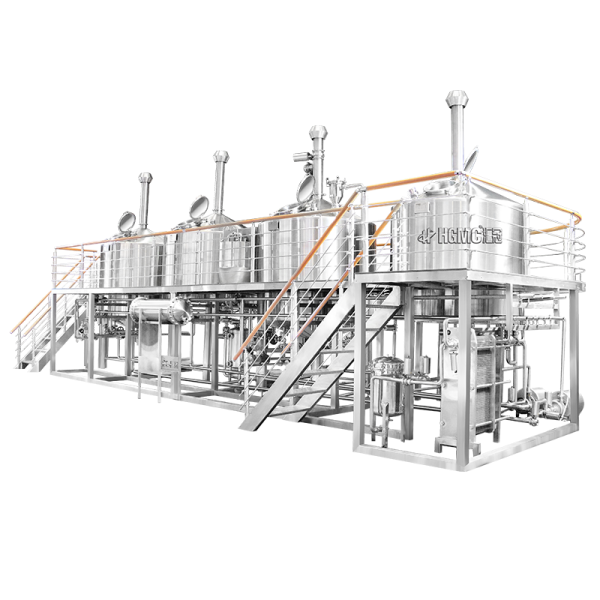
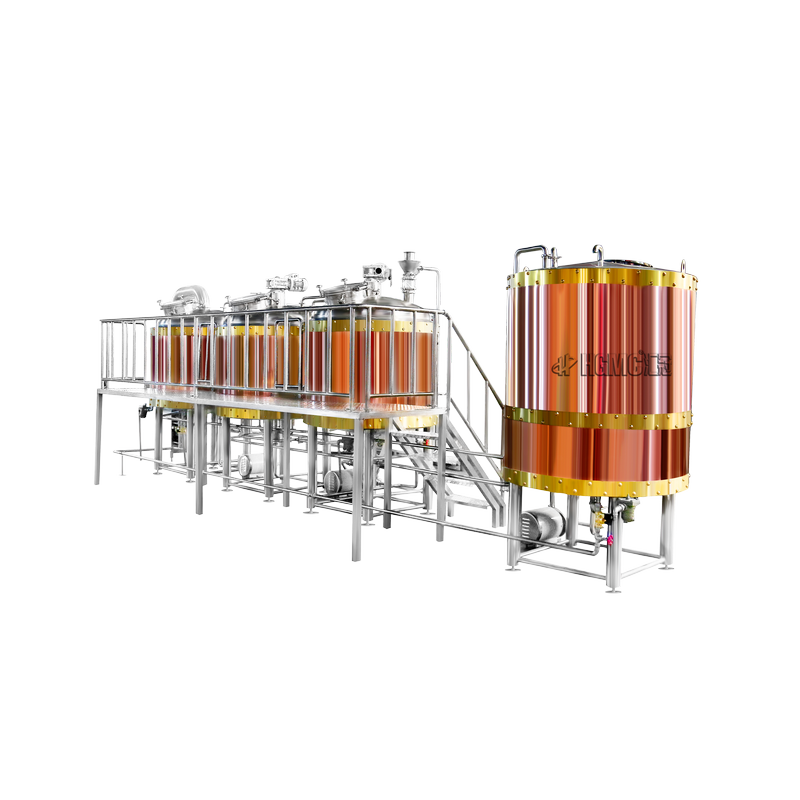
At HGMC, we provide commercial brewing systems in different configurations and capacities. Our product range includes 2-vessel, 3-vessel, and 4-vessel systems, with options ranging from smaller commercial setups to large industrial brewing equipment.Explore our commercial brewery equipment to understand the available configurations for different production requirements.
Fermentation and Beer Storage Tanks
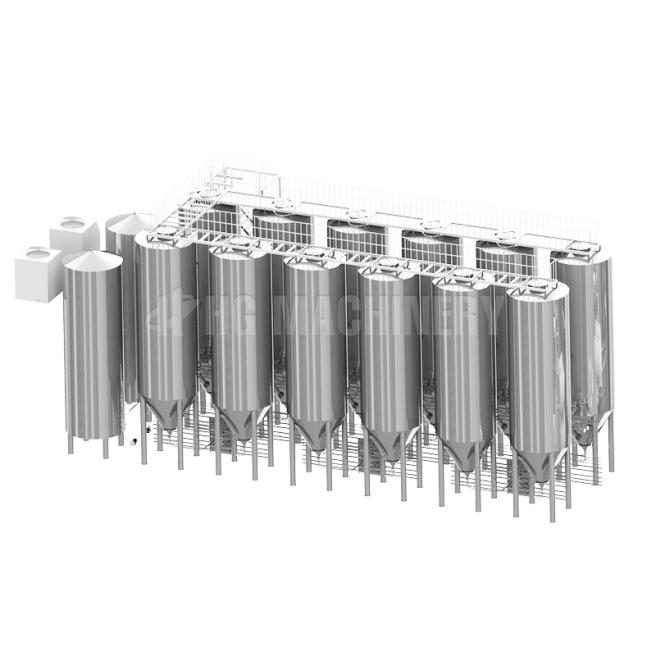
After brewing, wort enters fermentation tanks, where yeast converts fermentable sugars into alcohol and carbon dioxide.The number and capacity of tanks affect how many batches a brewery can process simultaneously. Tank sizing should consider fermentation time, beer styles, production frequency, and available space.
HGMC supplies stainless steel fermentation tanks for commercial brewing applications. Their configuration can be planned around the brewery's production targets and process requirements.
Filtration, Filling, and Packaging Equipment
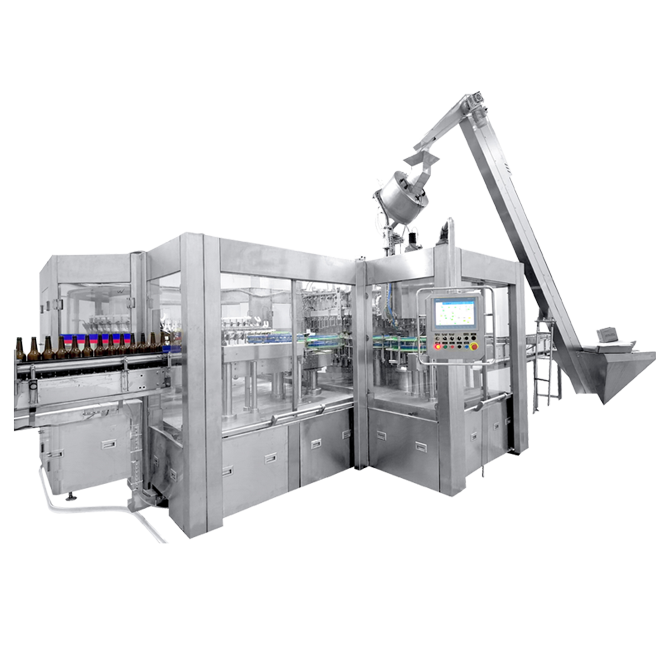
After fermentation and maturation, beer may require filtration and other processing before packaging.The final production stages can include:
- Beer filtration and transfer.
- Bottle, can, or keg filling.
- Sealing and labeling.
- Packaging and product conveying.
For this reason, a complete brewery plan should coordinate brewing, fermentation, storage, and packaging capacity from the beginning.
How to Plan a Commercial Brewery for Long-Term Production?
Building or expanding a commercial brewery requires more than selecting individual machines. The entire production process should be planned around business goals and available resources.Determine Production Capacity and Equipment Requirements
Start by estimating annual beer demand, target batch volume, and expected production frequency.Then determine the required brewhouse capacity, fermentation tank volume, and packaging output. Equipment should be selected according to actual production needs rather than maximum capacity alone.
Integrate Brewing, Fermentation, and Packaging Processes
A brewery's production stages must operate as a coordinated system.Consider the following factors:
- Brewing and fermentation schedules.
- Tank capacity and product turnover.
- Material transfer between equipment.
- Packaging speed and storage requirements.
- Factory layout and maintenance access.
Choose a Brewery Equipment Partner with Project Experience
An experienced equipment supplier can help evaluate production requirements, recommend suitable configurations, and coordinate equipment for the complete brewing process.At HGMC, we have more than 20 years of experience in beer and beverage equipment. Our capabilities cover individual machines and turnkey brewery projects, with products exported to more than 120 countries. Our large-scale brewery solutions include configurable brewing systems ranging from 1,000L to 2,000L and beyond, depending on project requirements.
We also have international customer experience, including Hops & Barley in Germany. The customer shared positive feedback about its order and expressed willingness to recommend HGMC. This reflects our experience serving brewery customers in different markets.
You can learn more about our large-scale brewery solutions when planning a new facility or expanding an existing production line.
Conclusion
Germany had 1,415 breweries in 2025, but their production scales and operational requirements vary widely. While small breweries make up a large share of the industry, commercial producers also need efficient brewing, fermentation, and packaging systems to maintain consistent output.For businesses planning a new brewery or upgrading an existing facility, choosing equipment based on production targets, process requirements, and future expansion plans is essential. HGMC provides customized brewing equipment and integrated brewery solutions to support different commercial production needs. Contact our team to discuss your brewery project and equipment requirements.