
Nov. 02, 2026
News
Brewing Equipment with CE Certification: Buyer Guide
Brewing equipment with CE certification can be an important consideration when purchasing commercial brewery systems for the European market. Before choosing a supplier, buyers should understand which EU requirements apply to the equipment, what compliance documents are needed, and whether the documentation covers individual machines or the complete brewing system. Checking these details early can help reduce compliance risks, avoid project delays, and clarify responsibilities before delivery.
However, CE marking is not a universal quality certificate. It does not automatically guarantee brewing performance, product durability, or suitability for every brewery installation. Buyers should evaluate technical performance and regulatory compliance separately.
It is also important to understand that CE marking and third-party certification are not always the same. Under the applicable legislation, a manufacturer may be able to assess conformity independently, while certain products or risk categories require the involvement of a notified body. The correct route depends on the product and applicable legislation.
For brewery projects, the key question is not simply whether a supplier advertises CE certification. Buyers should confirm which model is covered, which requirements apply, and whether the supporting documentation matches the equipment being purchased.
When purchasing a complete brewhouse, ask whether the compliance assessment covers only individual components or the integrated machine or assembly. A collection of compliant components does not automatically establish conformity of the complete installation.Our commercial brewery equipment range can be used as a starting point when defining the equipment scope for a new brewery project.
The EU Pressure Equipment Directive 2014/68/EU generally applies to pressure equipment and assemblies with a maximum allowable pressure greater than 0.5 bar, subject to its scope and exclusions. Not every brewery tank automatically falls into the same category. Buyers should confirm the classification of the specific equipment with the manufacturer and, where necessary, a qualified compliance specialist.
When reviewing beer fermentation tanks, check the operating pressure, design conditions, safety devices, materials, and documentation relevant to the intended installation.
If equipment is supplied by multiple manufacturers, clarify who is responsible for integrating the components and assessing the final system. This is especially important when a project combines the brewhouse, fermentation area, cooling equipment, and packaging line into one coordinated installation.
Review the document for:
For pressure equipment, request the relevant pressure classification and supporting documents. For electrical equipment, check the applicable electrical safety and electromagnetic compatibility requirements where relevant.
The exact documentation package depends on the equipment and the legislation that applies. A supplier should be able to explain which documents are available for the proposed configuration and which responsibilities remain with the buyer or system integrator.
Before production or shipment, confirm that the equipment specifications, model identifiers, electrical requirements, and intended operating conditions match the documents supplied.
For an integrated brewery project, also clarify whether installation, commissioning, interconnections, and system integration are included in the supplier's scope. Changes made after conformity assessment may require the documentation or assessment to be reviewed.
This is particularly useful for projects involving multiple suppliers or a complete brewery system. Responsibilities for integration and final assessment should be clearly defined rather than assumed.
CE marking should not be treated as a substitute for all other approvals. Building regulations, local installation requirements, environmental rules, and food-contact material requirements may also need to be addressed, depending on the project.
Buyers should identify the destination country and intended use before selecting the final configuration. This helps establish which regulatory and documentation requirements need to be confirmed.
Compare useful tank volumes, batch capacity, heating method, cooling capacity, control functions, and maintenance access. A compliant system must still be suitable for the brewery's planned production process.
At HGMC, we provide commercial brewing equipment for projects ranging from individual machines to coordinated brewery systems. When discussing your requirements with our team, specify the destination market, planned production capacity, pressure conditions where relevant, electrical requirements, and whether you need individual equipment or an integrated system.
We recommend confirming model-specific CE documentation and compliance responsibilities before finalizing your order. This helps align equipment selection, technical specifications, and project requirements from the beginning.
If you are planning a new brewery or upgrading an existing facility, contact HGMC to discuss your equipment requirements and the technical documentation available for your proposed configuration.
What Does CE Certification Mean for Brewing Equipment?
CE marking indicates that a product meets the applicable EU requirements that provide for CE marking. Depending on the equipment, these requirements may relate to machinery safety, electrical hazards, pressure risks, or other regulated aspects.However, CE marking is not a universal quality certificate. It does not automatically guarantee brewing performance, product durability, or suitability for every brewery installation. Buyers should evaluate technical performance and regulatory compliance separately.
It is also important to understand that CE marking and third-party certification are not always the same. Under the applicable legislation, a manufacturer may be able to assess conformity independently, while certain products or risk categories require the involvement of a notified body. The correct route depends on the product and applicable legislation.
For brewery projects, the key question is not simply whether a supplier advertises CE certification. Buyers should confirm which model is covered, which requirements apply, and whether the supporting documentation matches the equipment being purchased.
Which Brewing Equipment May Require CE Compliance?
A commercial brewery typically combines multiple machines and process components. Different parts may fall under different regulatory requirements, so the compliance assessment should reflect the actual equipment configuration.Brewhouse Vessels and Processing Equipment
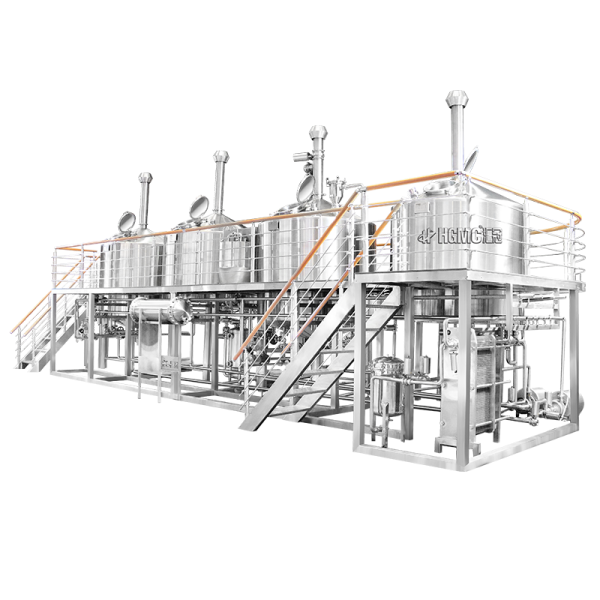
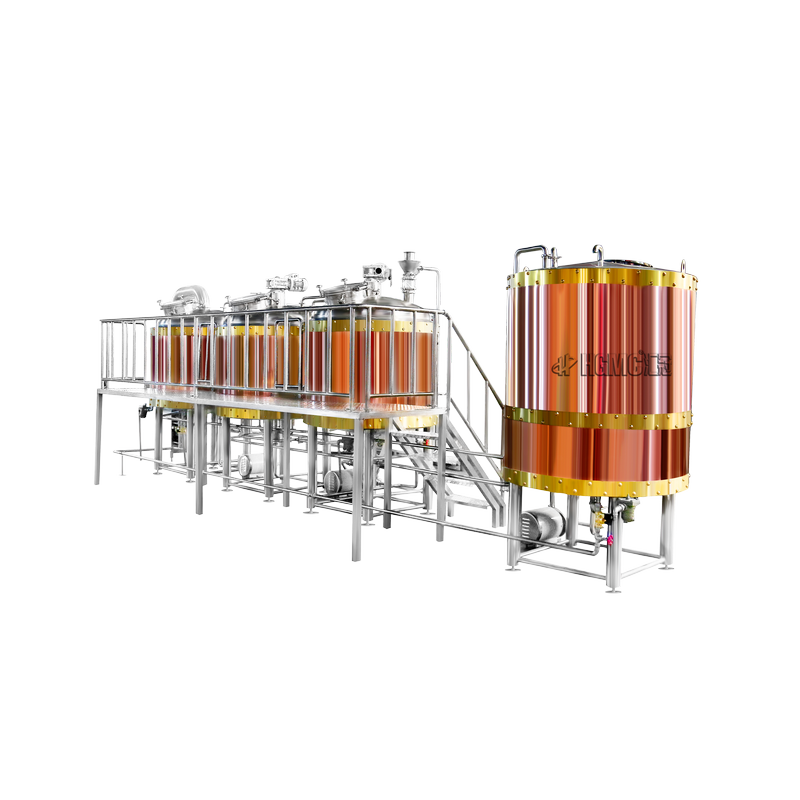
A brewhouse may include mash tuns, lauter tuns, boiling kettles, whirlpool vessels, pumps, and automated controls. These components work together to process brewing materials, but their regulatory requirements may differ according to design, function, and operating conditions.When purchasing a complete brewhouse, ask whether the compliance assessment covers only individual components or the integrated machine or assembly. A collection of compliant components does not automatically establish conformity of the complete installation.Our commercial brewery equipment range can be used as a starting point when defining the equipment scope for a new brewery project.
Fermentation Tanks and Pressure Equipment
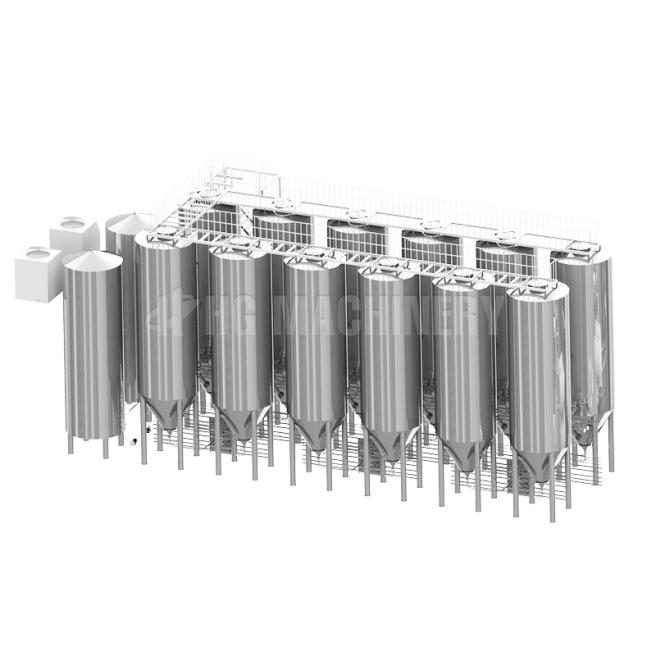
Fermentation tanks require particular attention because some operate under pressure. Their classification and applicable conformity assessment requirements depend on factors such as maximum allowable pressure, volume, fluid characteristics, and the relevant legal provisions.The EU Pressure Equipment Directive 2014/68/EU generally applies to pressure equipment and assemblies with a maximum allowable pressure greater than 0.5 bar, subject to its scope and exclusions. Not every brewery tank automatically falls into the same category. Buyers should confirm the classification of the specific equipment with the manufacturer and, where necessary, a qualified compliance specialist.
When reviewing beer fermentation tanks, check the operating pressure, design conditions, safety devices, materials, and documentation relevant to the intended installation.
Electrical, Cooling, and Auxiliary Systems
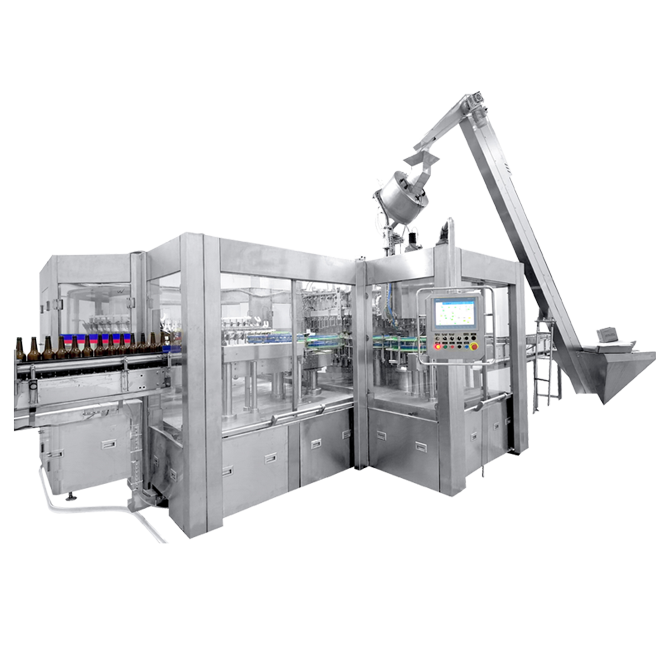
Commercial breweries may also use control cabinets, motors, chillers, cleaning systems, pumps, and filling equipment. Electrical and mechanical risks need to be assessed according to the relevant product requirements.If equipment is supplied by multiple manufacturers, clarify who is responsible for integrating the components and assessing the final system. This is especially important when a project combines the brewhouse, fermentation area, cooling equipment, and packaging line into one coordinated installation.
How to Check CE Compliance Before Buying Brewing Equipment
Before placing an order, buyers should request documentation for the exact models and configuration included in the quotation. The following checks can help establish whether the supplier's compliance claims are adequately supported.Check the EU Declaration of Conformity
For products subject to CE marking requirements, the EU Declaration of Conformity is an important document. Depending on the applicable legislation, it identifies the product and manufacturer and states conformity with the relevant EU requirements.Review the document for:
- Manufacturer name and address.
- Product model, type, or other identifying information.
- Applicable EU legislation and relevant standards, where referenced.
- The responsible signatory and declaration date.
- Consistency between the declaration and the equipment being supplied.
Review Technical and Safety Documents
The declaration is only one part of a compliance review. Depending on the applicable requirements, buyers may also need technical documentation, operating instructions, safety information, test records, and details of any required conformity assessment.For pressure equipment, request the relevant pressure classification and supporting documents. For electrical equipment, check the applicable electrical safety and electromagnetic compatibility requirements where relevant.
The exact documentation package depends on the equipment and the legislation that applies. A supplier should be able to explain which documents are available for the proposed configuration and which responsibilities remain with the buyer or system integrator.
Confirm That the Documents Match the Final Configuration
A common purchasing risk arises when the documents refer to a standard product but the delivered equipment includes different motors, control systems, pressure conditions, or customized components.Before production or shipment, confirm that the equipment specifications, model identifiers, electrical requirements, and intended operating conditions match the documents supplied.
For an integrated brewery project, also clarify whether installation, commissioning, interconnections, and system integration are included in the supplier's scope. Changes made after conformity assessment may require the documentation or assessment to be reviewed.
Why Does CE Compliance Matter for Commercial Brewery Projects?
CE compliance should be considered during project planning rather than left until the equipment is ready to ship. Early checks help buyers identify technical or documentation gaps before they affect procurement, installation, or market access.Reduce Compliance and Installation Risks
When the applicable requirements are identified early, buyers can clarify pressure ratings, electrical specifications, safety controls, and installation conditions before finalizing the equipment order.This is particularly useful for projects involving multiple suppliers or a complete brewery system. Responsibilities for integration and final assessment should be clearly defined rather than assumed.
Prepare for European Market Requirements
Equipment placed on the EU market must comply with the EU legislation applicable to that product. Manufacturers have responsibilities for conformity assessment and supporting documentation, while importers and other economic operators may have their own obligations.CE marking should not be treated as a substitute for all other approvals. Building regulations, local installation requirements, environmental rules, and food-contact material requirements may also need to be addressed, depending on the project.
Buyers should identify the destination country and intended use before selecting the final configuration. This helps establish which regulatory and documentation requirements need to be confirmed.
Evaluate Safety and Performance Separately
A CE mark does not tell buyers everything about brewing capacity, energy consumption, cleaning efficiency, automation, or expected output. These factors should be assessed through the technical specification and project requirements.Compare useful tank volumes, batch capacity, heating method, cooling capacity, control functions, and maintenance access. A compliant system must still be suitable for the brewery's planned production process.
What Should You Ask a Brewing Equipment Supplier?
Before confirming an order for brewing equipment with CE certification, ask the supplier specific questions about both the equipment and its documentation.- Which EU requirements apply to the proposed equipment?
- Is an EU Declaration of Conformity available for the relevant models?
- Does the documentation cover individual machines, pressure equipment, or the complete integrated system?
- Are third-party conformity assessments required for any components?
- What operating pressures, electrical specifications, and safety devices apply?
- Who is responsible for system integration, installation, and final compliance assessment?
- Will the final delivered configuration match the technical and compliance documents?
Plan Your Brewery Equipment Project with HGMC
Selecting brewing equipment for the European market involves more than choosing vessel sizes and production capacity. Buyers should define the intended application, identify the applicable requirements, and confirm the documentation needed for the final equipment configuration.At HGMC, we provide commercial brewing equipment for projects ranging from individual machines to coordinated brewery systems. When discussing your requirements with our team, specify the destination market, planned production capacity, pressure conditions where relevant, electrical requirements, and whether you need individual equipment or an integrated system.
We recommend confirming model-specific CE documentation and compliance responsibilities before finalizing your order. This helps align equipment selection, technical specifications, and project requirements from the beginning.
If you are planning a new brewery or upgrading an existing facility, contact HGMC to discuss your equipment requirements and the technical documentation available for your proposed configuration.