Nov. 02, 2026
News
Brewing Equipment for Restaurant: How to Choose the Right System
Brewing equipment for restaurant projects should match expected beer sales, available space, and the restaurant's operating model. For restaurants planning to brew beer on-site, the right system can support a distinctive beer menu and a more engaging dining experience. However, equipment capacity, fermentation time, cleaning requirements, and daily operations must be considered before investing in a commercial brewing system.
An open brewing area can also give customers a closer look at the production process. This approach may be attractive to restaurants that want brewing to become part of their dining atmosphere, provided the equipment layout maintains appropriate hygiene and safety controls.
However, producing multiple beer styles requires careful scheduling. Fermentation tanks may be occupied for different periods, so the production plan must match the menu and expected demand.
For restaurants with limited demand or space, purchasing beer from an external brewery may be more practical. A restaurant that has consistent beer sales, a clear concept, and suitable facilities may have stronger reasons to explore a commercial brewpub setup.
When selecting a system, consider the planned menu and the number of batches required each week. A restaurant with a small, consistent beer menu may have different requirements from a brewpub that regularly introduces new styles.
Our commercial brewery equipment range can be considered when planning a system around a restaurant's production goals and facility conditions.
Tank quantity depends on batch frequency, fermentation duration, maturation requirements, and the number of beer styles produced simultaneously.
Restaurants planning several beer varieties should consider how tank scheduling affects availability. Producing another batch does not immediately replace beer that is still fermenting or conditioning.
These components are essential even when the brewing system itself is relatively compact. Poorly planned pipework or insufficient cooling capacity can create operational problems and interrupt production.
Cleaning access also matters. Restaurant staff or dedicated brewing personnel need a practical way to clean tanks and product-contact components without disrupting other activities.
The storage and serving configuration should match expected peak demand and the planned menu. If beer is transferred from a separate production area to the restaurant, the transfer and storage arrangements must also protect product quality.
For example, a restaurant expecting to sell 300 liters of beer per week has a different production requirement from a brewpub planning to sell 1,500 liters per week. These are illustrative demand scenarios, not recommended system sizes; actual equipment capacity must also account for production losses and brewing schedules.
Fermentation duration is especially important. If a batch occupies a tank for two weeks, that tank cannot normally receive another full batch during the same period.
Before choosing equipment, estimate:
Avoid planning around vessel footprints alone. Operators also need room to open access points, inspect equipment, handle hoses, and carry out maintenance.
Commercial brewing can involve hot liquids, steam or other heating systems, moisture, and regular equipment cleaning. These factors may affect the suitability of the proposed location and require building modifications.
Tank height and delivery access also deserve attention. Equipment must be able to enter the building and reach its installation position, while the finished layout must allow safe operation and future maintenance.
If the restaurant operates a bar alongside its brewing area, consider how finished beer will move from storage to dispensing. A practical workflow can help reduce unnecessary handling and make inventory management easier.
A system with a lower initial equipment cost may not be the most suitable option if it lacks the fermentation capacity or supporting equipment required for the planned menu.
For an accurate comparison, define the equipment scope first. Include the brewhouse, fermentation and storage tanks, cooling, cleaning, transfer equipment, controls, and any required packaging or dispensing components. Contact HGMC for a quotation based on the intended configuration rather than relying on a generic price estimate.
Before investing, decide who will manage brewing, monitor fermentation, maintain records, clean the equipment, and troubleshoot operational issues.
Confirm the applicable regulations before finalizing the equipment layout or starting installation. This is particularly important when production and customer dining take place in the same building.
Before selecting a system, prepare an estimate of weekly beer sales, the styles you want to produce, your available floor area and ceiling height, and whether production will serve only your restaurant or external customers as well.
At HGMC, we provide commercial brewing equipment and can help coordinate brewhouse configurations, fermentation tanks, and supporting systems around your project requirements. Explore our beer fermentation tanks when assessing the capacity needed to support your brewing schedule.
If you are planning a restaurant brewery or expanding an existing brewpub, contact HGMC to discuss your production goals, facility conditions, and equipment configuration.
Why Do Restaurants Install On-Site Beer Brewing Equipment?
For some restaurants, brewing beer on-site is more than a way to supply drinks. It can become part of the restaurant's identity, menu planning, and customer experience.Create a Distinctive Dining Experience
A restaurant that produces its own beer can offer flavors designed to complement its food menu. For example, a lighter beer may pair well with seafood and salads, while a malt-forward beer may suit grilled meat and richer dishes.An open brewing area can also give customers a closer look at the production process. This approach may be attractive to restaurants that want brewing to become part of their dining atmosphere, provided the equipment layout maintains appropriate hygiene and safety controls.
Develop a More Flexible Beer Menu
On-site brewing gives restaurant operators more control over beer styles and seasonal offerings. A restaurant might plan a core range for regular customers and introduce limited batches for special menus or seasonal promotions.However, producing multiple beer styles requires careful scheduling. Fermentation tanks may be occupied for different periods, so the production plan must match the menu and expected demand.
Evaluate Whether On-Site Brewing Makes Business Sense
Not every restaurant needs its own brewing system. Operators should estimate beer sales, available production space, staffing needs, and equipment investment before making a decision.For restaurants with limited demand or space, purchasing beer from an external brewery may be more practical. A restaurant that has consistent beer sales, a clear concept, and suitable facilities may have stronger reasons to explore a commercial brewpub setup.
What Brewing Equipment Does a Restaurant Actually Need?
The equipment configuration depends on whether the restaurant intends to produce beer only for on-site consumption or operate a larger commercial brewing business.Brewhouse for the Restaurant's Beer Menu
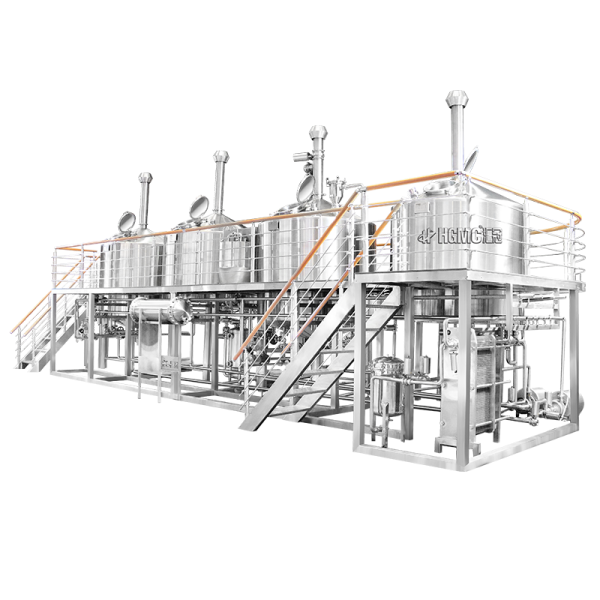
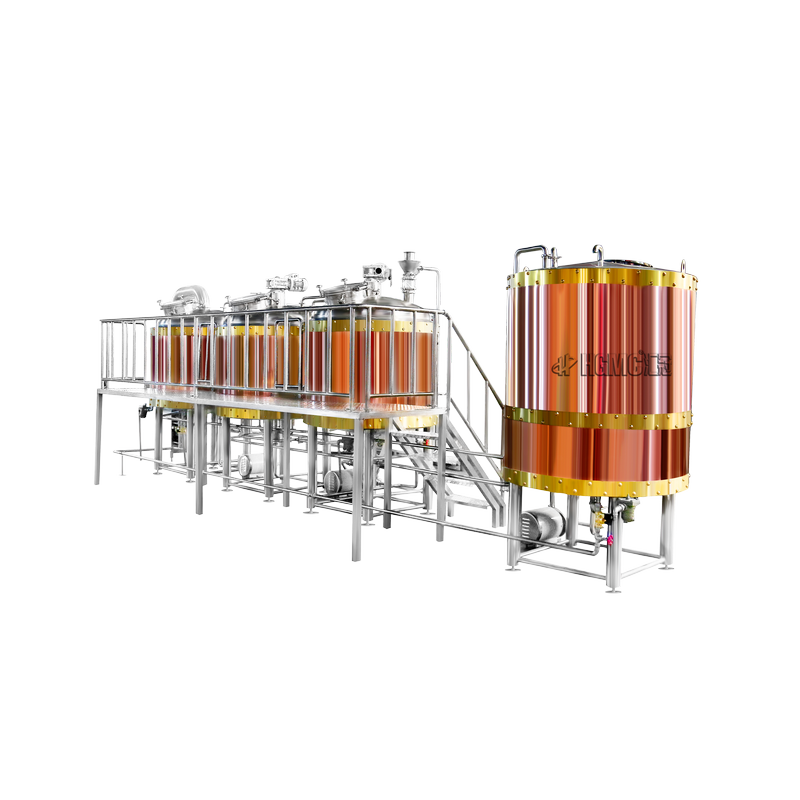
The brewhouse handles the main brewing stages, including mashing, lautering, wort boiling, and whirlpool separation. Its configuration affects batch capacity, brewing schedules, and the range of beer styles the restaurant can produce.When selecting a system, consider the planned menu and the number of batches required each week. A restaurant with a small, consistent beer menu may have different requirements from a brewpub that regularly introduces new styles.
Our commercial brewery equipment range can be considered when planning a system around a restaurant's production goals and facility conditions.
Fermentation Tanks for a Reliable Beer Supply
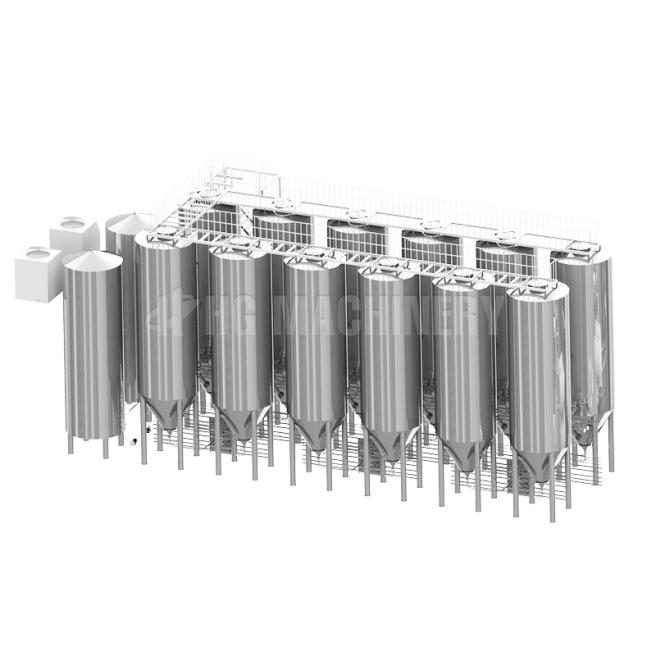
After brewing, wort must be transferred to fermentation tanks, where yeast converts fermentable sugars into alcohol and carbon dioxide. Fermentation and conditioning take time, which means the restaurant needs sufficient tank capacity to maintain its supply.Tank quantity depends on batch frequency, fermentation duration, maturation requirements, and the number of beer styles produced simultaneously.
Restaurants planning several beer varieties should consider how tank scheduling affects availability. Producing another batch does not immediately replace beer that is still fermenting or conditioning.
Cooling, Cleaning, and Transfer Systems
Cooling equipment helps maintain the temperatures required during fermentation. Pumps, sanitary pipelines, valves, and hoses move liquids between process stages, while cleaning systems support routine hygiene management.These components are essential even when the brewing system itself is relatively compact. Poorly planned pipework or insufficient cooling capacity can create operational problems and interrupt production.
Cleaning access also matters. Restaurant staff or dedicated brewing personnel need a practical way to clean tanks and product-contact components without disrupting other activities.
Beer Storage and Serving Equipment
Brewing and serving are separate stages. Depending on the operating model, a restaurant may need bright beer tanks, other suitable storage equipment, and a dispensing system that delivers beer to the bar or dining area.The storage and serving configuration should match expected peak demand and the planned menu. If beer is transferred from a separate production area to the restaurant, the transfer and storage arrangements must also protect product quality.
How Much Brewing Capacity Does a Restaurant Need?
Restaurant brewing capacity should be based on expected beer consumption rather than the total number of customers alone. A restaurant with high food sales may still have relatively modest beer demand, while a beer-focused brewpub may need a much larger production system.Estimate Weekly Beer Demand
Start by estimating the volume of beer sold during a typical week. Review the restaurant's expected customer numbers, average beer consumption per customer, operating days, and seasonal fluctuations.For example, a restaurant expecting to sell 300 liters of beer per week has a different production requirement from a brewpub planning to sell 1,500 liters per week. These are illustrative demand scenarios, not recommended system sizes; actual equipment capacity must also account for production losses and brewing schedules.
Match Batch Size to Fermentation Capacity
A brewhouse's batch capacity describes the nominal volume produced during a brewing cycle. It does not automatically represent the quantity of packaged or served beer, nor does it indicate how much beer can be produced every day.Fermentation duration is especially important. If a batch occupies a tank for two weeks, that tank cannot normally receive another full batch during the same period.
Before choosing equipment, estimate:
- Required weekly beer volume.
- Number of brewing batches per week.
- Fermentation and conditioning time.
- Number of beer styles produced simultaneously.
- Cleaning downtime and expected production losses.
How to Fit Brewing Equipment into a Restaurant Layout
Space planning is one of the most important differences between restaurant brewing projects and standalone brewery facilities. Brewing equipment must fit within the building while allowing the restaurant to continue operating safely and efficiently.Separate Production and Dining Activities
The brewing area needs suitable space for vessel operation, ingredient handling, cleaning, and maintenance. Where the layout includes a visible brewing area, equipment placement should preserve appropriate separation between production activities and customer access.Avoid planning around vessel footprints alone. Operators also need room to open access points, inspect equipment, handle hoses, and carry out maintenance.
Check Utilities and Building Conditions
Before purchasing equipment, assess the building's water supply, drainage, electrical capacity, heating requirements, ventilation, and cooling provisions.Commercial brewing can involve hot liquids, steam or other heating systems, moisture, and regular equipment cleaning. These factors may affect the suitability of the proposed location and require building modifications.
Tank height and delivery access also deserve attention. Equipment must be able to enter the building and reach its installation position, while the finished layout must allow safe operation and future maintenance.
Consider the Restaurant's Daily Workflow
Brewing schedules should fit around food preparation, service hours, deliveries, and staff responsibilities. Cleaning and maintenance activities should be planned so that they do not create unnecessary disruption.If the restaurant operates a bar alongside its brewing area, consider how finished beer will move from storage to dispensing. A practical workflow can help reduce unnecessary handling and make inventory management easier.
What Should Restaurants Consider Before Investing in Brewing Equipment?
Choosing equipment involves more than comparing vessel sizes. Restaurants should evaluate the complete production process and the resources needed to operate it.Production Costs and Equipment Configuration
Investment requirements vary with brewhouse capacity, fermentation tank quantity, automation level, heating method, cooling equipment, cleaning systems, and installation conditions.A system with a lower initial equipment cost may not be the most suitable option if it lacks the fermentation capacity or supporting equipment required for the planned menu.
For an accurate comparison, define the equipment scope first. Include the brewhouse, fermentation and storage tanks, cooling, cleaning, transfer equipment, controls, and any required packaging or dispensing components. Contact HGMC for a quotation based on the intended configuration rather than relying on a generic price estimate.
Staffing and Maintenance
A commercial brewing system requires people who understand brewing operations, sanitation, quality control, and equipment maintenance. Restaurant staff should not assume that brewing can simply be added to their existing duties without additional training or scheduling.Before investing, decide who will manage brewing, monitor fermentation, maintain records, clean the equipment, and troubleshoot operational issues.
Licensing and Local Requirements
Restaurants that produce alcoholic beverages may need specific brewing, alcohol production, sales, building, wastewater, and food-safety approvals. Requirements differ by location and business model.Confirm the applicable regulations before finalizing the equipment layout or starting installation. This is particularly important when production and customer dining take place in the same building.
Plan Brewing Equipment Around Your Restaurant's Needs
The right brewing equipment for restaurant projects depends on the business concept, beer demand, available space, and production schedule. A successful setup balances the desired beer menu with practical fermentation capacity, utilities, cleaning procedures, and staffing.Before selecting a system, prepare an estimate of weekly beer sales, the styles you want to produce, your available floor area and ceiling height, and whether production will serve only your restaurant or external customers as well.
At HGMC, we provide commercial brewing equipment and can help coordinate brewhouse configurations, fermentation tanks, and supporting systems around your project requirements. Explore our beer fermentation tanks when assessing the capacity needed to support your brewing schedule.
If you are planning a restaurant brewery or expanding an existing brewpub, contact HGMC to discuss your production goals, facility conditions, and equipment configuration.