Nov. 02, 2026
News
How to Sanitize Beer Making Equipment Safely
How to sanitize beer making equipment is an important question for commercial breweries seeking consistent beer quality and reliable production. Effective sanitation starts with thorough cleaning, followed by the correct sanitizing procedure for each piece of equipment. From fermentation tanks and transfer pipelines to filling systems, every surface that contacts beer needs appropriate hygiene management to reduce contamination risks.
For commercial brewing operations, sanitation is not a single task performed before production. It is part of a controlled process that includes equipment design, cleaning procedures, chemical handling, and regular verification.
These residues may support unwanted microbial growth and interfere with subsequent production batches. Contamination can cause unexpected flavors, changes in acidity, excessive carbonation, or reduced product stability.
Sanitation is particularly important after wort cooling and during fermentation, maturation, and packaging. At these stages, unwanted microorganisms can affect the finished beer if they enter through inadequately treated equipment.
A consistent sanitation procedure helps breweries:
Cleaning removes visible and invisible residues, including yeast deposits, proteins, hop materials, and other organic matter. Depending on the type of residue, this may require water, an appropriate cleaning solution, mechanical action, or a combination of these methods.
Sanitizing follows cleaning and reduces microorganisms on suitable food-contact surfaces to an acceptable level. Its effectiveness depends on the sanitizing agent, concentration, contact time, temperature where specified, and the condition of the surface.
The correct sequence is generally:
Pay particular attention to valves, pipe connections, pump housings, hoses, and tank outlets. Residue can accumulate in these areas even when the main vessel appears clean.
Equipment should be isolated and made safe before maintenance or manual cleaning. Follow site procedures for handling pressure, hot liquids, and chemical exposure.
For tanks and pipelines, cleaning may involve circulating a suitable cleaning solution through the system. For removable components, manual or separate cleaning may be necessary if the system cannot reach every surface.
After cleaning, inspect accessible areas for remaining deposits. If residues are still present, repeat or adjust the cleaning procedure before moving to sanitation.
The required concentration and contact time must be followed carefully. Using too little sanitizer may reduce effectiveness, while excessive concentration can create chemical-handling risks or damage certain components.
Never mix cleaning chemicals or sanitizers unless the manufacturer explicitly specifies that the combination is safe. In particular, mixing incompatible chemicals can release dangerous gases.
Follow the product instructions regarding temperature, drainage, and final rinsing. If a rinse is required, use water of suitable quality and prevent the equipment from becoming contaminated again afterward.
Keep tank openings closed where appropriate, and use clean connections when reconnecting pipelines. Equipment that has been sanitized but subsequently exposed to contamination may need to be sanitized again before use.
Record the procedure, chemical product, relevant operating parameters, and verification results according to the brewery's quality management requirements.
Spray devices and tank-cleaning systems must be selected and operated according to the vessel design. Correct coverage, drainage, and cleaning-solution contact are important to avoid untreated areas.
For commercial projects, our beer fermentation tanks can be considered alongside the planned cleaning method and production workflow. Tank configuration should support practical access, effective cleaning, and appropriate maintenance.
Breweries should establish procedures for cleaning and sanitizing all product-contact components. Removable parts may require disassembly and separate treatment, depending on the equipment design.
Inspect seals and gaskets regularly for wear, damage, or residue buildup. Replace components when necessary, and avoid reconnecting sanitized hoses to unclean fittings.
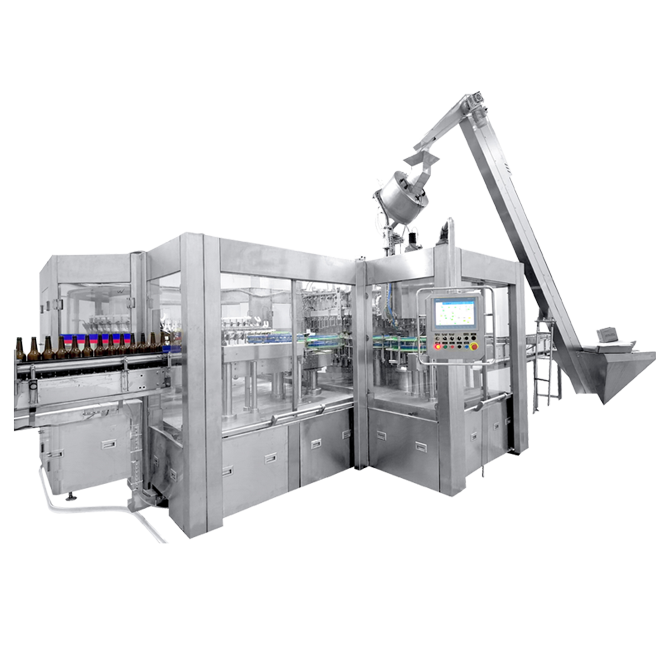
Filling equipment also requires careful sanitation because it comes into contact with finished beer immediately before packaging. Filling valves, product lines, and associated connections should be included in the sanitation schedule.
Cleaning and sanitation procedures should be compatible with the equipment's operating limits. Avoid assuming that a procedure suitable for a large tank will automatically work for every component in the production line.
For commercial breweries, CIP can make cleaning procedures more repeatable and reduce the labor required for routine sanitation. Its effectiveness, however, depends on system design and the way each cleaning cycle is managed.
A typical CIP program may include pre-rinsing, circulation of an appropriate cleaning solution, intermediate rinsing, sanitizing, and draining. The actual sequence depends on the equipment, the cleaning chemicals, and the brewery's validated procedures.
Important factors include:
A CIP system does not automatically guarantee effective sanitation. Poorly designed pipework, insufficient circulation, blocked spray devices, or incorrect chemical parameters can still leave surfaces inadequately treated. Regular inspection and verification remain essential.
When planning a new brewery or upgrading existing equipment, consider how tanks, pumps, valves, transfer lines, and packaging equipment will be cleaned. Identify components that require manual treatment and determine whether a CIP system can cover the necessary process circuits.
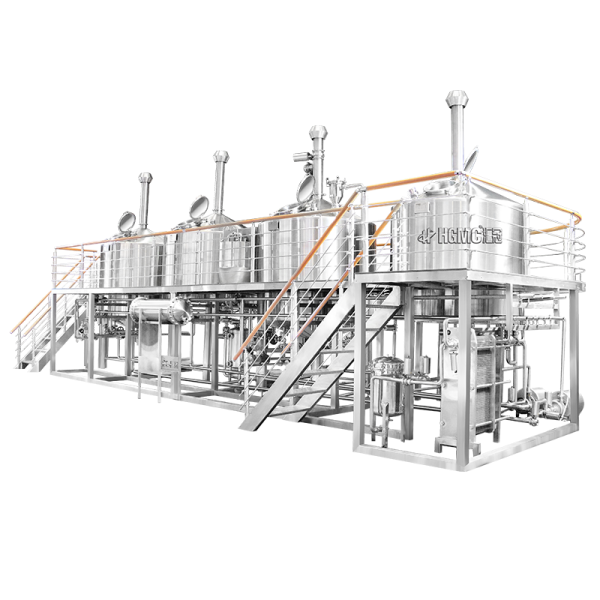
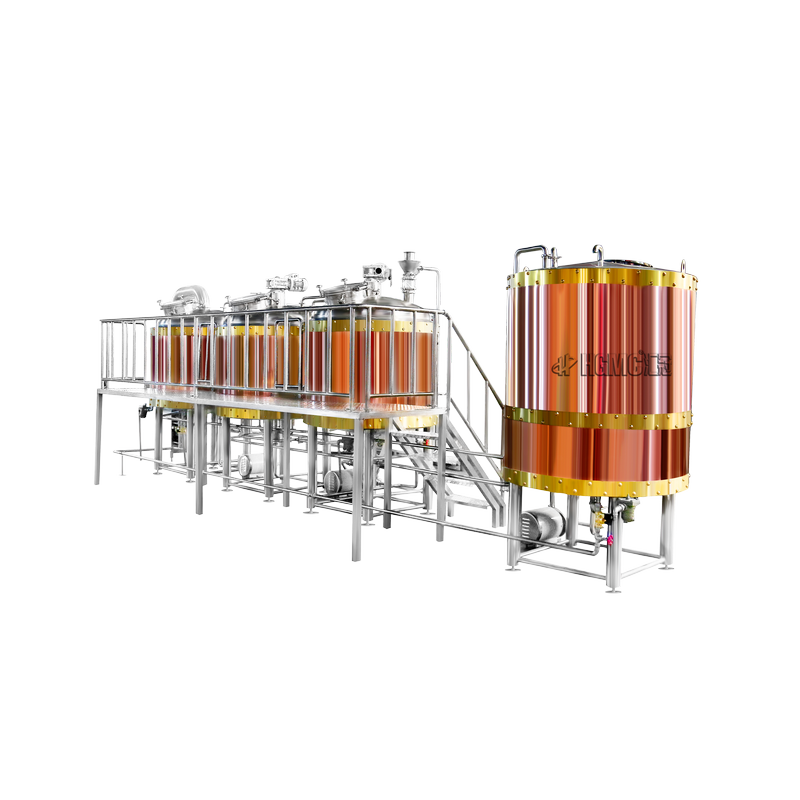
At HGMC, we provide commercial brewing equipment and can help coordinate equipment configurations with the needs of a brewery project. Our commercial brewery equipment solutions can be considered as part of a broader production and cleaning plan.
If you are planning a new brewery or improving your existing cleaning process, prepare your production capacity, equipment list, facility layout, and sanitation requirements before selecting a configuration. Contact HGMC to discuss your commercial brewing project and equipment needs.
For commercial brewing operations, sanitation is not a single task performed before production. It is part of a controlled process that includes equipment design, cleaning procedures, chemical handling, and regular verification.
Why Is Beer Brewing Equipment Sanitation Important?
During brewing, wort and beer come into contact with tanks, pipes, pumps, valves, hoses, and packaging equipment. Residual sugars, proteins, yeast, and other organic materials can accumulate on these surfaces if equipment is not cleaned properly.These residues may support unwanted microbial growth and interfere with subsequent production batches. Contamination can cause unexpected flavors, changes in acidity, excessive carbonation, or reduced product stability.
Sanitation is particularly important after wort cooling and during fermentation, maturation, and packaging. At these stages, unwanted microorganisms can affect the finished beer if they enter through inadequately treated equipment.
A consistent sanitation procedure helps breweries:
- Reduce the risk of microbial contamination.
- Maintain more consistent flavor and product quality.
- Protect equipment from residue buildup and inappropriate chemical exposure.
- Establish repeatable cleaning procedures across production batches.
- Support quality control and production traceability.
What Is the Difference Between Cleaning and Sanitizing?
Cleaning and sanitizing are related but serve different purposes. Understanding the distinction helps breweries select the correct procedure for each production stage.Cleaning removes visible and invisible residues, including yeast deposits, proteins, hop materials, and other organic matter. Depending on the type of residue, this may require water, an appropriate cleaning solution, mechanical action, or a combination of these methods.
Sanitizing follows cleaning and reduces microorganisms on suitable food-contact surfaces to an acceptable level. Its effectiveness depends on the sanitizing agent, concentration, contact time, temperature where specified, and the condition of the surface.
The correct sequence is generally:
- Remove remaining beer, wort, and loose residues.
- Clean the equipment using a suitable cleaning procedure.
- Rinse when required by the cleaning product instructions.
- Apply an appropriate sanitizing agent according to its label and the equipment manufacturer's requirements.
- Complete any required final rinse and protect the sanitized surfaces from recontamination.
How to Sanitize Beer Making Equipment Step by Step
A standardized sanitation procedure helps commercial breweries manage equipment hygiene more consistently. The exact method depends on the equipment design, the type of residue, and the products used.Remove Beer and Wort Residues
Begin by emptying the equipment and removing any remaining beer, wort, yeast, or other process materials. Drain tanks and pipelines where possible, and identify areas where liquid or solids may remain trapped.Pay particular attention to valves, pipe connections, pump housings, hoses, and tank outlets. Residue can accumulate in these areas even when the main vessel appears clean.
Equipment should be isolated and made safe before maintenance or manual cleaning. Follow site procedures for handling pressure, hot liquids, and chemical exposure.
Clean the Equipment Thoroughly
Choose a cleaning method suitable for the equipment material and the type of deposit. Stainless steel surfaces, seals, gaskets, and other components may have different chemical and temperature limitations.For tanks and pipelines, cleaning may involve circulating a suitable cleaning solution through the system. For removable components, manual or separate cleaning may be necessary if the system cannot reach every surface.
After cleaning, inspect accessible areas for remaining deposits. If residues are still present, repeat or adjust the cleaning procedure before moving to sanitation.
Apply a Suitable Sanitizing Solution
Select a sanitizer intended for the relevant food-contact application and compatible with the equipment materials. Prepare and apply it according to the product instructions.The required concentration and contact time must be followed carefully. Using too little sanitizer may reduce effectiveness, while excessive concentration can create chemical-handling risks or damage certain components.
Never mix cleaning chemicals or sanitizers unless the manufacturer explicitly specifies that the combination is safe. In particular, mixing incompatible chemicals can release dangerous gases.
Follow Contact Time and Rinsing Requirements
The sanitizing solution must contact the required surfaces for the specified period. For a circulation-based procedure, ensure the solution reaches the relevant parts of the system rather than flowing only through the easiest route.Follow the product instructions regarding temperature, drainage, and final rinsing. If a rinse is required, use water of suitable quality and prevent the equipment from becoming contaminated again afterward.
Protect Equipment Before Reuse
Once sanitation is complete, protect the treated surfaces from dust, unclean tools, untreated hoses, and unnecessary handling.Keep tank openings closed where appropriate, and use clean connections when reconnecting pipelines. Equipment that has been sanitized but subsequently exposed to contamination may need to be sanitized again before use.
Record the procedure, chemical product, relevant operating parameters, and verification results according to the brewery's quality management requirements.
How to Sanitize Different Types of Brewery Equipment
Different equipment components present different sanitation challenges. A suitable procedure should account for their geometry, materials, and contact with the beer.Fermentation and Bright Beer Tanks
Fermentation tanks can retain yeast, foam, and protein deposits around the lower outlet, sampling ports, valves, and fittings. Cleaning and sanitation procedures should cover all product-contact surfaces, including areas that are difficult to inspect directly.Spray devices and tank-cleaning systems must be selected and operated according to the vessel design. Correct coverage, drainage, and cleaning-solution contact are important to avoid untreated areas.
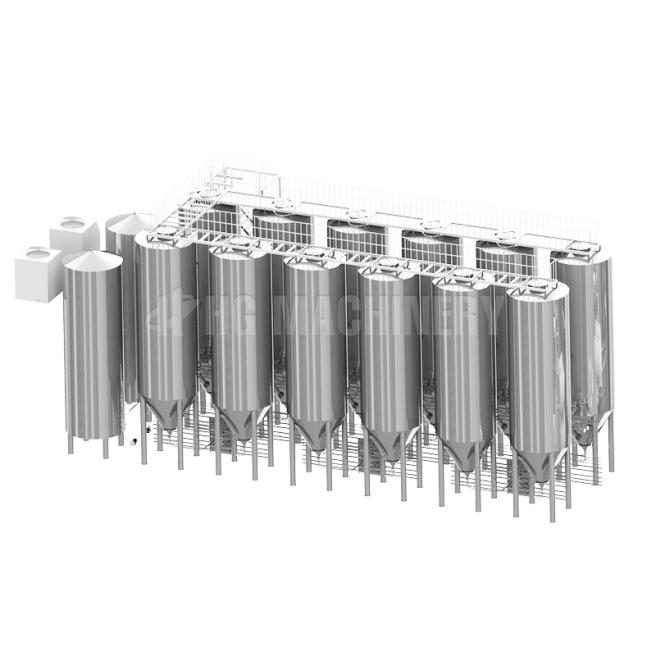
For commercial projects, our beer fermentation tanks can be considered alongside the planned cleaning method and production workflow. Tank configuration should support practical access, effective cleaning, and appropriate maintenance.
Pipelines, Hoses, Pumps, and Valves
Transfer systems can introduce contamination when residues remain inside hoses, pump chambers, valve seats, or poorly drained pipe sections.Breweries should establish procedures for cleaning and sanitizing all product-contact components. Removable parts may require disassembly and separate treatment, depending on the equipment design.
Inspect seals and gaskets regularly for wear, damage, or residue buildup. Replace components when necessary, and avoid reconnecting sanitized hoses to unclean fittings.
Heat Exchangers and Packaging Equipment
Heat exchangers contain narrow passages where deposits can accumulate. Their cleaning requirements depend on the exchanger design, the process materials, and the manufacturer's instructions.Filling equipment also requires careful sanitation because it comes into contact with finished beer immediately before packaging. Filling valves, product lines, and associated connections should be included in the sanitation schedule.
Cleaning and sanitation procedures should be compatible with the equipment's operating limits. Avoid assuming that a procedure suitable for a large tank will automatically work for every component in the production line.
How Does a Brewery CIP System Improve Sanitation?
A clean-in-place (CIP) system allows suitable equipment to be cleaned by circulating cleaning solutions through tanks, pipelines, and other connected components without dismantling the entire system.For commercial breweries, CIP can make cleaning procedures more repeatable and reduce the labor required for routine sanitation. Its effectiveness, however, depends on system design and the way each cleaning cycle is managed.
A typical CIP program may include pre-rinsing, circulation of an appropriate cleaning solution, intermediate rinsing, sanitizing, and draining. The actual sequence depends on the equipment, the cleaning chemicals, and the brewery's validated procedures.
Important factors include:
- Flow and coverage: The circulation system must deliver the solution to the surfaces that require treatment.
- Time and temperature: Each stage must meet the applicable process requirements.
- Chemical concentration: Cleaning agents and sanitizers must be prepared and monitored correctly.
- Drainage: Poor drainage can leave residual liquid or allow unwanted materials to collect.
- Verification: Operators should confirm that the procedure achieves the required cleaning and sanitation results.
A CIP system does not automatically guarantee effective sanitation. Poorly designed pipework, insufficient circulation, blocked spray devices, or incorrect chemical parameters can still leave surfaces inadequately treated. Regular inspection and verification remain essential.
Common Beer Equipment Sanitation Mistakes to Avoid
Even when a brewery has a defined sanitation schedule, mistakes can reduce its effectiveness.- Sanitizing before cleaning: Organic residues may prevent the sanitizer from contacting the surface effectively. Complete the required cleaning stage first.
- Ignoring small components: Valves, gaskets, sampling ports, and hose connections can be overlooked during routine procedures.
- Using incorrect chemical parameters: Follow the product label instead of applying a generic concentration or contact time.
- Overlooking equipment compatibility: An unsuitable chemical or operating temperature may damage seals, coatings, or other components.
- Allowing recontamination: Unclean tools, hoses, and connections can compromise surfaces after sanitation.
- Skipping records and checks: Without appropriate records and verification, it is difficult to identify recurring problems or confirm that procedures are being followed.
Plan a Sanitation System for Your Commercial Brewery
Effective sanitation depends on more than choosing a cleaning chemical. Tank design, pipeline layout, production frequency, equipment materials, and cleaning-system capacity all influence the procedures a brewery can use.When planning a new brewery or upgrading existing equipment, consider how tanks, pumps, valves, transfer lines, and packaging equipment will be cleaned. Identify components that require manual treatment and determine whether a CIP system can cover the necessary process circuits.
At HGMC, we provide commercial brewing equipment and can help coordinate equipment configurations with the needs of a brewery project. Our commercial brewery equipment solutions can be considered as part of a broader production and cleaning plan.
If you are planning a new brewery or improving your existing cleaning process, prepare your production capacity, equipment list, facility layout, and sanitation requirements before selecting a configuration. Contact HGMC to discuss your commercial brewing project and equipment needs.