Oct. 29, 2026
News
Craft Fermentation Tanks Manufacturer: A Buying Guide
Choosing a craft fermentation tanks manufacturer involves more than comparing tank prices. You need to consider production capacity, fermentation requirements, temperature control, cleaning methods, and the compatibility of each tank with your brewing system. The right configuration helps your brewery maintain consistent production while leaving room for future growth.
When evaluating a manufacturer, consider these factors:
Our fermentation tank range includes models from 300L and 500L to 2,000L and larger commercial tanks, with listed capacities extending to 100,000L. This range provides options for different production scales and project requirements.
For example, HGMC's 300L fermentation tank has a 300L useful capacity and a 375L gross capacity. Its 500L model has a 500L useful capacity and a 670L gross capacity. These examples show why buyers should compare working volume rather than relying on a model name alone.
Before finalizing the quantity, account for cleaning time, beer transfers, maintenance, and seasonal demand.
For example, HGMC's 300L fermentation tank uses SUS304 stainless steel, with a 3.0mm inner shell and a 2.0mm external jacket. These specifications illustrate the construction details that should be reviewed when comparing models.
HGMC offers fermentation tank configurations using jacket cooling. For example, our 500L model has a listed heat-exchange area of 1.8m². The appropriate cooling area should be selected according to tank size and process requirements rather than copied across every model.
Temperature sensors and suitable controls help operators monitor fermentation conditions. The final system should be designed around the actual tank configuration and production schedule.
Typical considerations include:
This wider equipment range helps us assess fermentation tanks as part of the complete production process rather than as isolated vessels.
Before placing an order, check the following:
To help us assess your project, prepare the following information:
What to Look for in a Craft Fermentation Tanks Manufacturer
A reliable craft fermentation tanks manufacturer should understand both tank construction and the brewing process. Equipment must match your production requirements rather than simply meet a standard specification.When evaluating a manufacturer, consider these factors:
- Manufacturing capability: Check whether the manufacturer can supply the tank sizes and configurations your brewery needs.
- Material and workmanship: Review stainless steel specifications, welding quality, surface finish, and pressure requirements.
- System integration: Confirm that fermentation tanks can work with your cooling, cleaning, and beer transfer systems.
- Customization and support: Consider whether the supplier can assist with equipment planning, installation, and future expansion.
Craft Beer Fermentation Tank Types and Their Applications
Different fermentation tank configurations serve different production needs. Your choice should depend on the beer styles you produce, fermentation procedures, available space, and required output.Conical Fermentation Tanks
Conical fermentation tanks allow yeast and sediment to collect at the bottom, supporting separation and routine handling. They are a practical option for many commercial breweries, particularly when repeated production and efficient tank management are priorities.Fermentation and Maturation Tanks
Some tanks can support fermentation and subsequent maturation in one vessel, depending on their design and process requirements. This arrangement may reduce beer transfers, but the tank must be suitable for the required temperature, pressure, and operating procedures.Match Tank Design to Production Scale
Tank capacity alone does not determine suitability. A brewery producing several beer styles may need a different configuration from a facility running fewer styles in larger batches.Our fermentation tank range includes models from 300L and 500L to 2,000L and larger commercial tanks, with listed capacities extending to 100,000L. This range provides options for different production scales and project requirements.
Craft Fermentation Tank Capacity and Brewery Production Needs
Selecting the right capacity helps prevent fermentation from becoming a bottleneck. Consider batch size, fermentation time, maturation time, and how frequently you plan to brew.Calculate the Required Working Capacity
Start with the volume of wort transferred into each tank. Allow suitable headspace for fermentation activity, and distinguish between useful capacity and gross tank volume.For example, HGMC's 300L fermentation tank has a 300L useful capacity and a 375L gross capacity. Its 500L model has a 500L useful capacity and a 670L gross capacity. These examples show why buyers should compare working volume rather than relying on a model name alone.
Determine the Number of Tanks
Estimate how many batches must be in fermentation or maturation at the same time. Longer production cycles generally require more tank capacity to maintain the same brewing frequency.Before finalizing the quantity, account for cleaning time, beer transfers, maintenance, and seasonal demand.
Plan for Future Expansion
If production is expected to grow, consider the floor space, utility connections, cooling capacity, and control system required for additional tanks. Planning these requirements early can reduce disruption when expanding the brewery.Stainless Steel Craft Fermentation Tanks and Key Design Features
Material quality, sanitary design, and operating specifications all affect the suitability of a fermentation tank.Stainless Steel and Construction
Stainless steel is widely used in commercial brewing equipment because it supports hygienic processing and routine cleaning. Buyers should confirm the steel grade, inner-shell thickness, external construction, and surface finish against their process requirements.For example, HGMC's 300L fermentation tank uses SUS304 stainless steel, with a 3.0mm inner shell and a 2.0mm external jacket. These specifications illustrate the construction details that should be reviewed when comparing models.
Cleaning and Drainage
Effective cleaning depends on tank geometry, spray coverage, drainage, and access to internal surfaces. CIP-compatible designs can support cleaning in place without requiring routine manual entry into the vessel.Pressure and Safety Requirements
Not every fermentation tank is designed for the same operating pressure. Confirm the required working pressure, test pressure, valves, gauges, and safety devices before ordering. The final specifications must match the intended brewing and carbonation processes.Cooling Systems for Craft Beer Fermentation Tanks
Fermentation temperature affects yeast activity and the characteristics of the finished beer. A suitable cooling arrangement helps maintain the required temperature throughout the production cycle.Cooling Jackets and Temperature Control
Cooling jackets transfer heat away from the tank. Their performance depends on heat-transfer area, coolant temperature, circulation, insulation, and the heat generated during fermentation.HGMC offers fermentation tank configurations using jacket cooling. For example, our 500L model has a listed heat-exchange area of 1.8m². The appropriate cooling area should be selected according to tank size and process requirements rather than copied across every model.
Coordinate the Cooling System
A brewery's cooling unit must support the combined demand of tanks operating simultaneously. Consider peak fermentation activity, the number of tanks, coolant circulation, pipe routing, and control requirements.Temperature sensors and suitable controls help operators monitor fermentation conditions. The final system should be designed around the actual tank configuration and production schedule.
Custom Craft Fermentation Tanks for Different Brewery Requirements
Standard tank sizes may not fit every brewery. Customization becomes useful when production volume, building dimensions, process requirements, or automation needs differ from standard configurations.Typical considerations include:
- Capacity: Match useful volume to the planned batch size and production schedule.
- Available space: Check tank height, diameter, access routes, and maintenance clearance.
- Process requirements: Specify cooling, cleaning, pressure, and connection requirements.
- Automation: Determine whether temperature monitoring and centralized process control are needed.
- Expansion: Allow for additional tanks and the supporting utilities required as output grows.
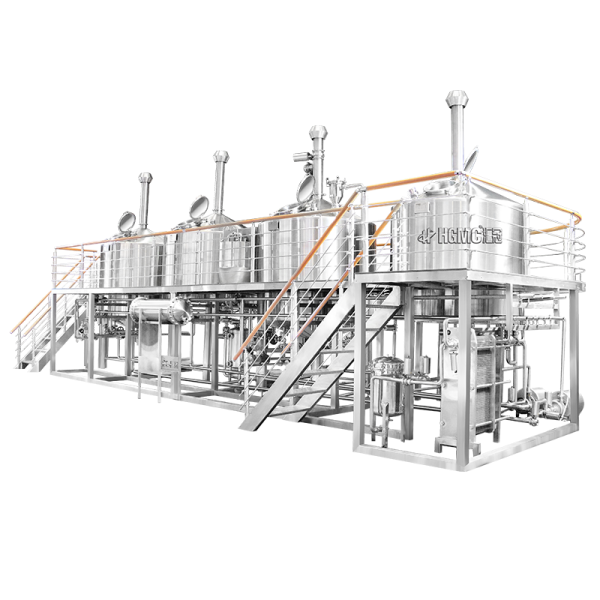
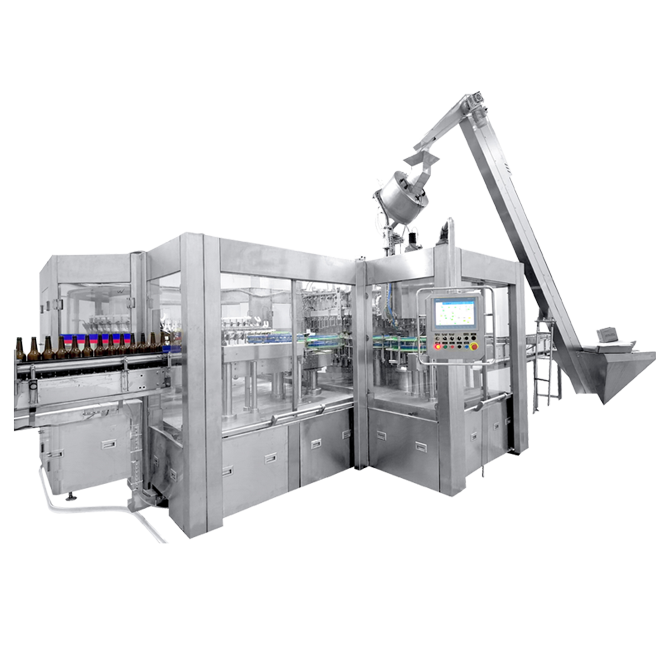
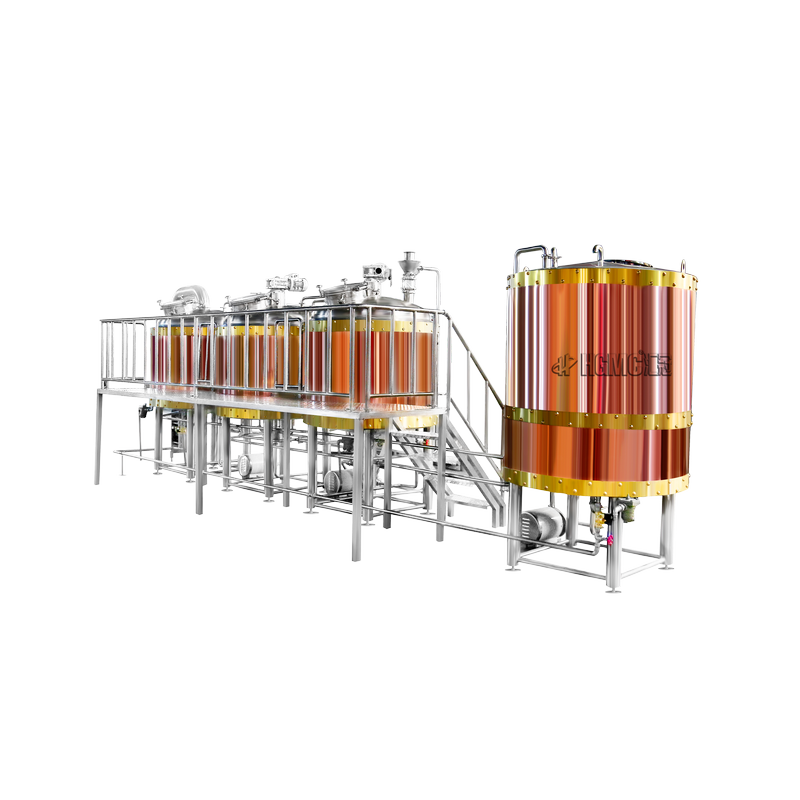
This wider equipment range helps us assess fermentation tanks as part of the complete production process rather than as isolated vessels.
Comparing Craft Fermentation Tanks Manufacturers Before Purchasing
A clear comparison helps reduce specification gaps and avoid problems during installation or operation.Before placing an order, check the following:
- Technical specifications: Confirm useful and gross capacity, material, dimensions, cooling method, and pressure ratings.
- Cleaning requirements: Verify CIP arrangements, spray devices, drainage, and hygienic connections.
- System compatibility: Review the cooling unit, pumps, piping, valves, and control equipment.
- Project scope: Clarify which equipment, installation services, commissioning tasks, and documentation are included.
- After-sales support: Ask about maintenance guidance, spare parts, warranty terms, and technical assistance.
Get the Right Craft Fermentation Tank Solution for Your Brewery
The right fermentation tank configuration depends on your target output, batch size, beer styles, fermentation cycle, available space, and required level of automation. Evaluating these factors together is more effective than selecting equipment based on capacity alone.To help us assess your project, prepare the following information:
- Target production capacity and batch size.
- Required tank quantity and useful volume.
- Beer styles and fermentation requirements.
- Available installation space and utility conditions.
- Cooling, cleaning, and automation preferences.