Oct. 26, 2026
News
Beer Factory Installation: A Guide to Equipment Setup and Project Planning
Beer factory installation involves preparing the production facility, positioning brewing equipment, connecting utilities, and testing the complete system before production begins. A well-planned installation helps reduce delays, improve equipment coordination, and create a reliable foundation for commercial beer production.
The installation process depends on production capacity, equipment configuration, factory conditions, and the level of automation required. Understanding each stage helps project owners prepare their facilities, coordinate suppliers, and avoid common installation problems.
Typical installation work includes:
Before installation begins, the project team should confirm the equipment list, technical specifications, installation responsibilities, and expected production requirements.
Equipment foundations and floor conditions should meet the requirements specified in the equipment drawings. Large vessels and heavy machinery may require particular attention to load distribution and installation access.
Utility planning should also consider the locations of pumps, control panels, pipes, and valves. If connections are not ready, installation and commissioning may be delayed.
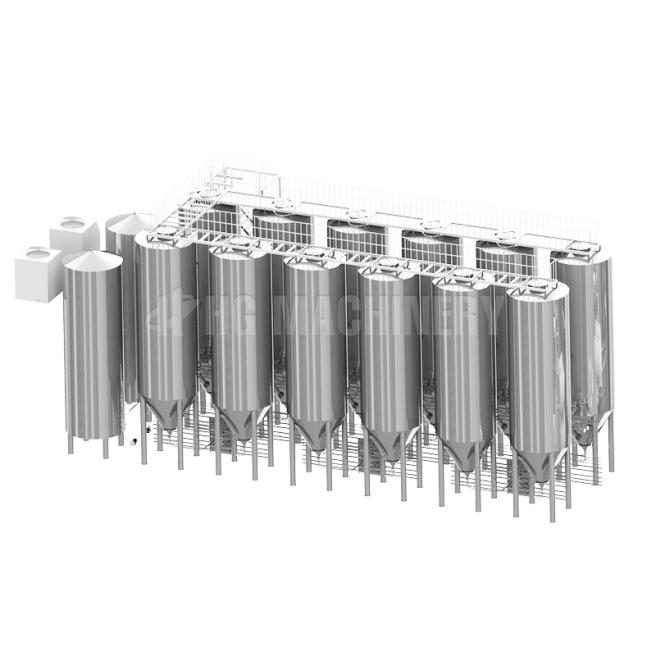
For projects involving multiple production areas, large-scale brewery solutions can help project owners understand how equipment configuration and overall facility planning need to work together.
Also consider whether the factory may need additional fermentation capacity, upgraded packaging equipment, or expanded utilities in the future. Planning for potential expansion early can reduce the need for major layout changes later.
When selecting equipment, compare vessel capacity, automation requirements, cooling needs, and compatibility between connected machines. Reviewing the available brewery equipment can help clarify the equipment categories that may be required for a particular production process.
Before moving equipment into position, verify the installation area, access routes, foundations, and utility connection points. Any differences between the approved drawings and actual site conditions should be addressed before installation proceeds.
During this stage, the installation team should check equipment alignment, connection compatibility, pipe routing, and access for cleaning and maintenance. Electrical work and utility connections should be completed by qualified personnel in accordance with applicable requirements.
Coordination is especially important when different machines or systems are supplied by separate parties. Clear installation drawings and defined responsibilities help reduce interface problems.
Confirm that the equipment has been installed according to the approved specifications and that outstanding issues have been recorded and resolved. The system can then proceed to the appropriate testing and commissioning stages.
Cleaning and testing procedures should follow the equipment manufacturer's instructions and the requirements of the production process. Where necessary, confirm that relevant water, cleaning, and utility systems are ready for use.
Trial runs should follow the agreed commissioning procedure. Record any faults or performance issues, correct them, and repeat the relevant tests before proceeding.
The handover should include the necessary manuals, maintenance information, technical documents, and records of completed checks. Clear documentation helps the production team operate the equipment consistently and manage future maintenance.
Key factors include:
When evaluating potential suppliers or project partners, consider the following:
For projects that require coordinated equipment supply, the HGMC team can discuss the required production capacity, factory conditions, and project scope to help determine a suitable equipment configuration.
Before beginning a project, confirm the equipment scope, site conditions, installation responsibilities, and testing requirements. A well-defined plan makes it easier to coordinate suppliers, manage project costs, and establish a production system that meets the factory's operational needs.
The installation process depends on production capacity, equipment configuration, factory conditions, and the level of automation required. Understanding each stage helps project owners prepare their facilities, coordinate suppliers, and avoid common installation problems.
What Does Beer Factory Installation Involve?
Beer factory installation covers more than placing brewing tanks inside a building. It involves connecting individual machines and supporting systems so that the entire production process operates as intended.Typical installation work includes:
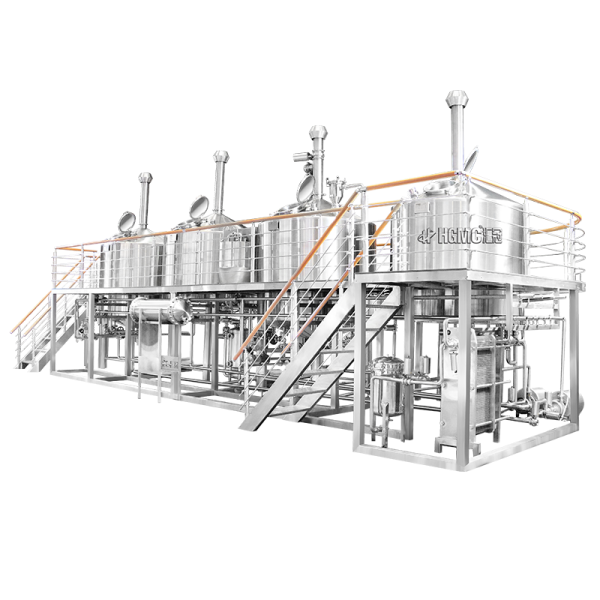
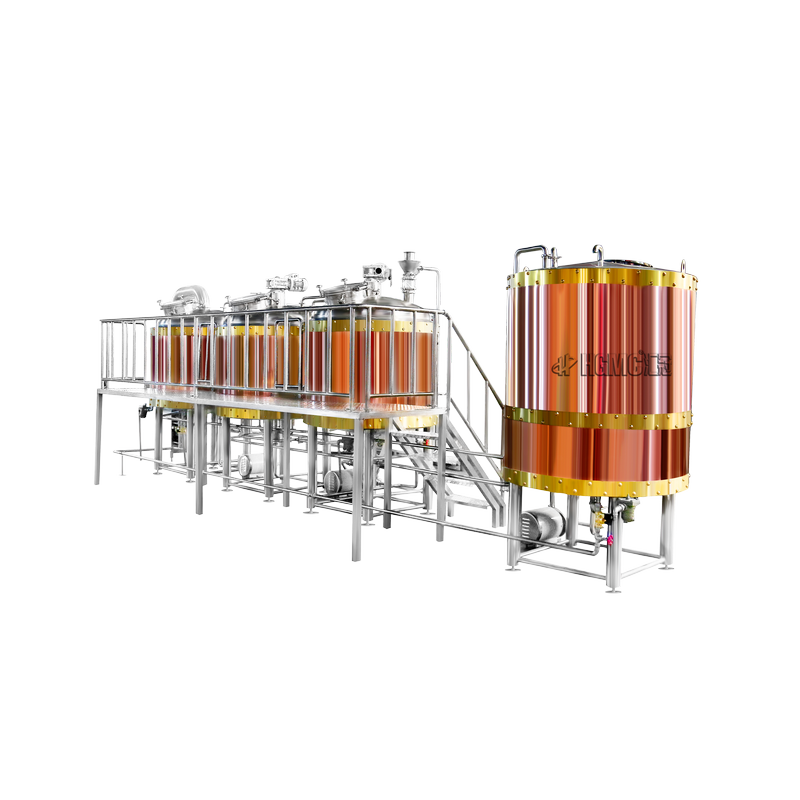
- Brewhouse equipment for mashing, lautering, boiling, and wort preparation.
- Fermentation and beer storage tanks.
- Cooling systems, pumps, piping, and cleaning systems.
- Electrical connections, control panels, and automation systems.
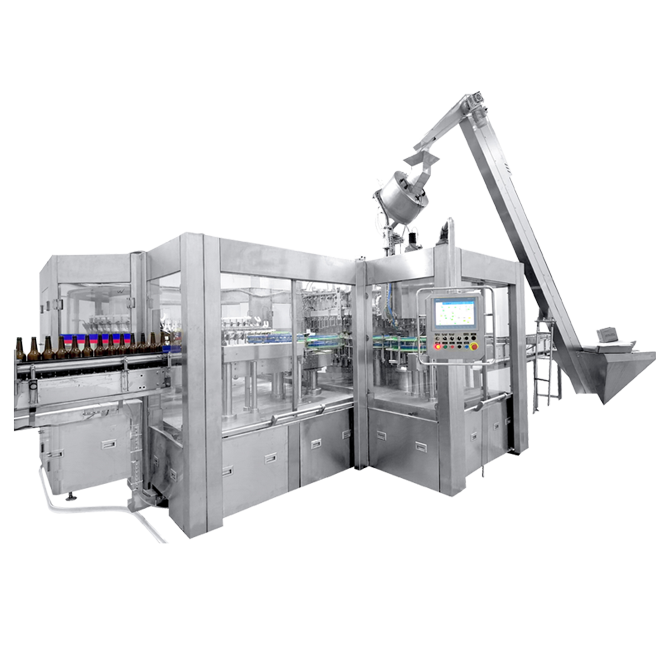
- Bottling or canning equipment and downstream packaging systems, where required.
Before installation begins, the project team should confirm the equipment list, technical specifications, installation responsibilities, and expected production requirements.
How to Prepare a Facility for Beer Factory Equipment Installation
Proper facility preparation helps prevent equipment delivery delays, installation changes, and unexpected construction work.Check the Factory Space and Floor Conditions
Confirm that the building has enough space for equipment dimensions, maintenance access, operator movement, and product transfer. Check ceiling height, door openings, floor loading capacity, drainage, and the routes used to move large tanks into position.Equipment foundations and floor conditions should meet the requirements specified in the equipment drawings. Large vessels and heavy machinery may require particular attention to load distribution and installation access.
Confirm Utilities Before Delivery
Brewing equipment may require water, electricity, drainage, cooling, compressed air, or steam, depending on the system configuration. Verify the required capacity and connection points before the equipment arrives.Utility planning should also consider the locations of pumps, control panels, pipes, and valves. If connections are not ready, installation and commissioning may be delayed.
Coordinate Equipment and Factory Layouts
Review the equipment drawings alongside the building layout. Confirm that installation teams can access the work areas and that piping, cable routes, and maintenance spaces do not conflict with other equipment.For projects involving multiple production areas, large-scale brewery solutions can help project owners understand how equipment configuration and overall facility planning need to work together.
How to Plan a Beer Factory Layout and Equipment Setup
A practical factory layout should support an orderly production flow, convenient operation, and efficient maintenance. Equipment should be positioned according to its function and relationship with other systems rather than simply arranged to fill the available floor space.Organize Equipment Around the Production Process
The layout generally follows the main stages of beer production:- Brewhouse: Arrange vessels and supporting equipment to support wort preparation and transfer.
- Fermentation: Provide sufficient space for tanks, cooling connections, sampling, and cleaning.
- Beer storage: Position storage tanks according to the production process and transfer requirements.
- Filling and packaging: Plan space for filling, sealing, inspection, and finished-product handling when these operations are included in the project.
Leave Space for Maintenance and Future Expansion
Allow access to valves, pumps, motors, instruments, and control panels. Tanks and machines should not block important maintenance routes or make routine cleaning unnecessarily difficult.Also consider whether the factory may need additional fermentation capacity, upgraded packaging equipment, or expanded utilities in the future. Planning for potential expansion early can reduce the need for major layout changes later.
When selecting equipment, compare vessel capacity, automation requirements, cooling needs, and compatibility between connected machines. Reviewing the available brewery equipment can help clarify the equipment categories that may be required for a particular production process.
What Are the Main Steps in Beer Factory Installation?
Beer factory installation usually follows a sequence from equipment delivery and site inspection to mechanical installation, system integration, and final checks. The exact procedure depends on the project scope and the manufacturer's technical requirements.Equipment Delivery and Site Inspection
Start by checking the delivered equipment against the packing list and project specifications. Inspect the equipment for visible transport damage and confirm that the required components, accessories, and technical documents are available.Before moving equipment into position, verify the installation area, access routes, foundations, and utility connection points. Any differences between the approved drawings and actual site conditions should be addressed before installation proceeds.
Mechanical Installation and Utility Connections
Position and secure equipment according to the approved layout and installation instructions. Connect the relevant piping, valves, pumps, electrical components, and supporting systems.During this stage, the installation team should check equipment alignment, connection compatibility, pipe routing, and access for cleaning and maintenance. Electrical work and utility connections should be completed by qualified personnel in accordance with applicable requirements.
Coordination is especially important when different machines or systems are supplied by separate parties. Clear installation drawings and defined responsibilities help reduce interface problems.
System Integration and Installation Checks
Once the main equipment and connections are in place, inspect the installation before commissioning. Check pipe connections, valves, electrical wiring, instruments, control systems, and other relevant components.Confirm that the equipment has been installed according to the approved specifications and that outstanding issues have been recorded and resolved. The system can then proceed to the appropriate testing and commissioning stages.
How to Commission a Beer Factory After Installation
Commissioning checks whether the installed equipment and connected systems are ready for operation. It should be planned before installation is complete, rather than treated as an afterthought.Complete Pre-Operation Checks
Inspect the equipment, piping, valves, pumps, electrical connections, and control instruments. Verify that safety devices and operating controls function as intended.Cleaning and testing procedures should follow the equipment manufacturer's instructions and the requirements of the production process. Where necessary, confirm that relevant water, cleaning, and utility systems are ready for use.
Test Individual Machines and the Complete System
Start with the required checks for individual machines, then verify how connected systems operate together. Depending on the equipment, testing may include pump operation, temperature control, liquid transfer, tank functions, and automated sequences.Trial runs should follow the agreed commissioning procedure. Record any faults or performance issues, correct them, and repeat the relevant tests before proceeding.
Prepare for Production Handover
Before routine production begins, confirm that operators understand the equipment controls, cleaning procedures, maintenance requirements, and operating limits.The handover should include the necessary manuals, maintenance information, technical documents, and records of completed checks. Clear documentation helps the production team operate the equipment consistently and manage future maintenance.
What Affects Beer Factory Installation Time and Cost?
The time and cost of beer factory installation vary by project. Equipment quantity is only one factor; site readiness, installation complexity, and the division of responsibilities can also have a significant impact.Key factors include:
- Project scale: A complete production facility generally requires more coordination than installing a single machine.
- Equipment configuration: Customized vessels, automation, and integrated production systems can increase installation complexity.
- Factory readiness: Incomplete foundations, utilities, drainage, or access routes may require additional work.
- Piping and electrical work: The number of connections and the distance between equipment areas affect installation requirements.
- Transport and access: Large tanks and heavy equipment may need special handling or a carefully planned delivery sequence.
- Commissioning and training: Testing, troubleshooting, operator training, and documentation should be included in the project plan.
How to Choose a Beer Factory Installation Partner
A suitable installation partner should understand brewing equipment, production workflows, and the coordination required between equipment and factory infrastructure. The goal is not simply to install individual machines, but to help ensure that the complete system meets the project's operational requirements.When evaluating potential suppliers or project partners, consider the following:
- Equipment experience: Check whether the supplier understands commercial brewing processes and the equipment involved.
- Technical documentation: Confirm that equipment specifications, layouts, utility requirements, and connection details are clearly defined.
- System compatibility: Review how equipment interfaces, controls, piping, and supporting systems will be coordinated.
- Project responsibilities: Establish who handles delivery, installation, commissioning, training, and final acceptance.
- After-sales support: Clarify the availability of technical assistance, maintenance guidance, and replacement components.
- Expansion potential: Consider whether the proposed configuration can accommodate future changes in production demand.
For projects that require coordinated equipment supply, the HGMC team can discuss the required production capacity, factory conditions, and project scope to help determine a suitable equipment configuration.
Conclusion
Successful beer factory installation starts with clear project requirements and a facility that is ready for the selected equipment. Careful layout planning, coordinated mechanical and utility connections, systematic commissioning, and thorough handover checks help reduce installation problems and prepare the factory for commercial production.Before beginning a project, confirm the equipment scope, site conditions, installation responsibilities, and testing requirements. A well-defined plan makes it easier to coordinate suppliers, manage project costs, and establish a production system that meets the factory's operational needs.