Oct. 26, 2026
News
How to Choose an ISO Certified Brewery System for Commercial Brewing
Choosing a brewery system ISO certified by a recognized certification body can help commercial breweries evaluate a manufacturer's quality management practices. However, certification alone does not guarantee equipment performance. Buyers should also check production capacity, equipment configuration, manufacturing quality, and technical support before making a purchasing decision.
It is important to distinguish between a manufacturer's quality management certification and product-specific certification. An ISO 9001 certificate does not automatically mean every brewery system has separate product certification or meets every market's regulatory requirements.
When evaluating an ISO certified brewery system, consider three questions:
You should also consider how certification fits into your purchasing requirements. Some projects require specific documentation for equipment, pressure vessels, electrical components, or installation. These requirements depend on the equipment design and destination market, so they should be confirmed before the order is finalized.
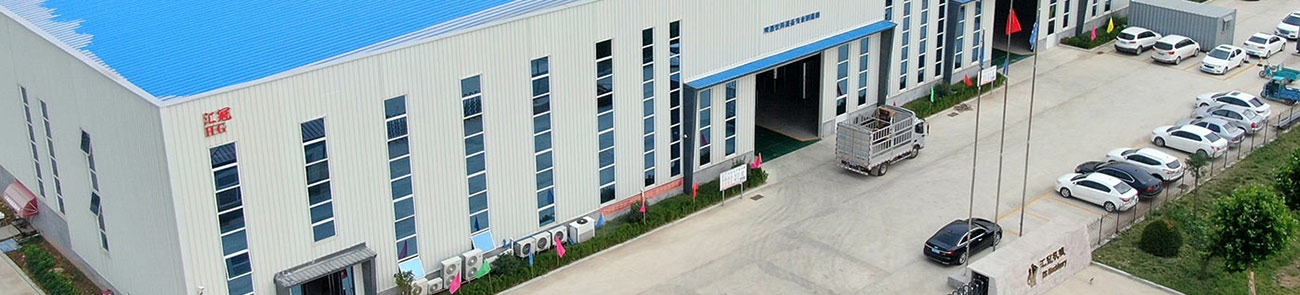
At HGMC, we have 23 years of experience in the beer brewing equipment industry and a production facility covering more than 30,000 square meters. We also provide brewery equipment and turnkey project services. These capabilities give commercial buyers additional factors to evaluate alongside our ISO 9001 quality management credentials.
You can learn more about our brewery equipment manufacturing capabilities and certifications when assessing a potential supplier.
A reliable supplier should be able to explain the proposed configuration and identify any requirements that need to be confirmed before manufacturing begins. Clear documentation also helps reduce misunderstandings about equipment scope, delivery, and project responsibilities.
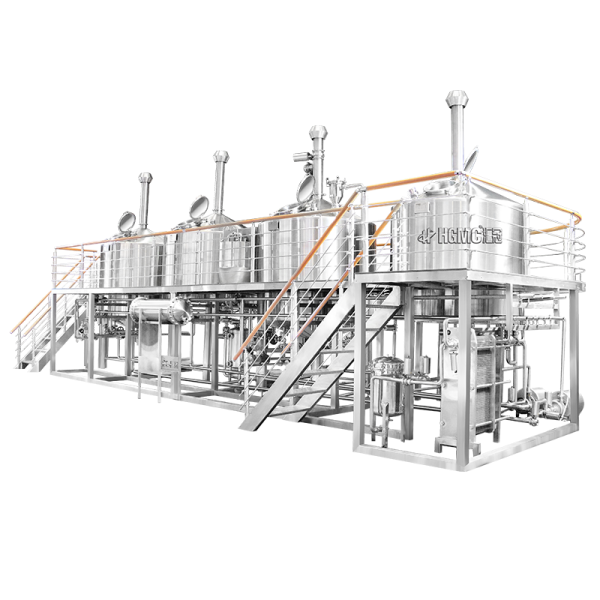
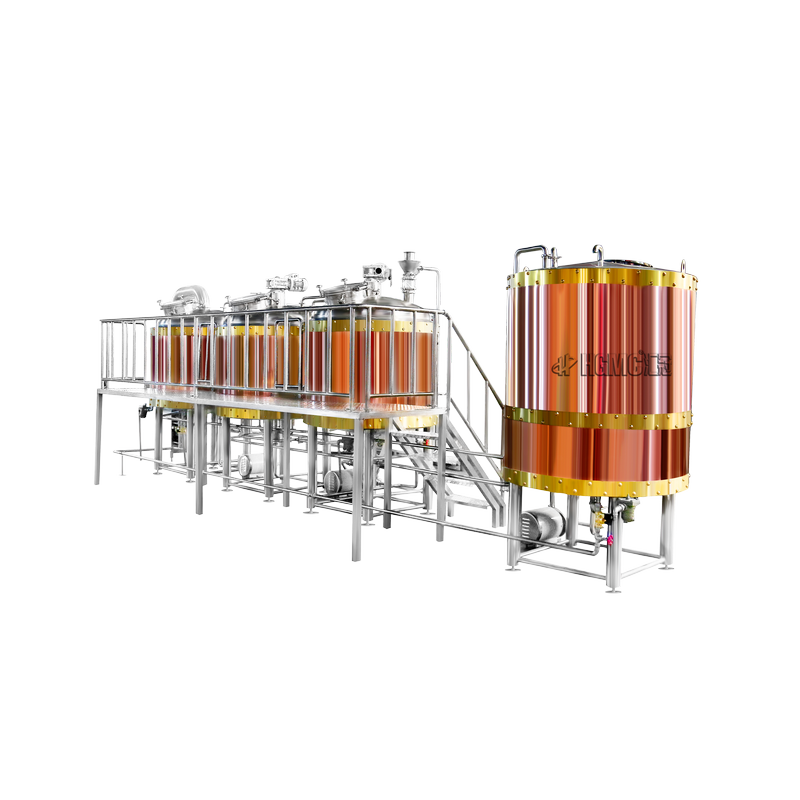
A brewery may require a two-vessel, three-vessel, or four-vessel brewhouse, depending on its production plan and process requirements. Fermentation capacity should also support the intended batch schedule without creating unnecessary bottlenecks.
At HGMC, we provide commercial brewery equipment in different configurations, including systems with capacities such as 500L, 1,000L, 2,000L, 5,000L, and larger options. The appropriate setup depends on your production requirements and project design.
Conveying arrangements, piping connections, control systems, and equipment access should also be considered during planning. A well-coordinated layout can simplify operation, cleaning, and routine maintenance.
Before confirming an order, discuss the available utilities, installation space, drainage, and operating conditions with the manufacturer. Addressing these factors early can help avoid costly changes during installation.
However, buyers should still evaluate the equipment itself. A quality management certificate does not replace material verification, technical inspections, functional testing, or any product-specific compliance checks required for the project.
At HGMC, we focus on brewery equipment manufacturing and integrated brewing solutions. Our quality management credentials should be considered alongside the technical documentation, equipment specifications, and applicable certifications for the proposed system.
You should also clarify which inspection records and acceptance documents will be supplied with the equipment. The exact checks depend on the equipment type, design, and contractual requirements.
These details provide a more complete view of manufacturing quality than a certificate alone. They also help buyers establish clear acceptance criteria before production and delivery.
SGS may provide testing, inspection, or certification services, depending on the specific engagement. Therefore, buyers should confirm the nature and scope of the relevant documentation rather than treating every reference to SGS as the same type of product certification.
For a complete project, consider how the following stages work together:
HGMC provides solutions for commercial and large-scale brewing projects, with equipment and process planning tailored to production requirements. Our large-scale brewery solutions address production capacity, operational efficiency, process coordination, and the needs of an integrated brewery operation.
Automation is another important consideration. The appropriate level depends on production volume, staffing, process complexity, and the consistency required between batches. More automation is not always necessary for every project, but the system should match the way your brewery will operate.
Discuss these requirements before selecting the final configuration. Planning for equipment compatibility and future expansion can help reduce disruption as production needs change.
Before making a decision, ask these questions:
A detailed comparison helps you identify differences between suppliers and avoid overlooking equipment or services needed for a complete production line.
At HGMC, we provide individual brewery equipment as well as integrated solutions covering brewing, filling, and packaging. Our technical team can work with you to assess equipment configuration and project requirements.
The right choice ultimately depends on how well the supplier's credentials, equipment specifications, and service capabilities match your production goals. By checking certification documents and evaluating the complete system, you can make a more informed investment decision and select equipment suited to your commercial brewing operation.
What Does ISO Certified Mean for a Brewery System?
ISO certification helps buyers understand whether a company follows a defined management system or meets a particular standard within the certified scope. For brewery equipment procurement, ISO 9001 is especially relevant because it focuses on quality management systems.It is important to distinguish between a manufacturer's quality management certification and product-specific certification. An ISO 9001 certificate does not automatically mean every brewery system has separate product certification or meets every market's regulatory requirements.
When evaluating an ISO certified brewery system, consider three questions:
- Does the manufacturer have a relevant quality management certification?
- Does the certification cover the business activities and facilities involved in manufacturing?
- Can the supplier provide technical specifications and quality inspection records for the proposed equipment?
You should also consider how certification fits into your purchasing requirements. Some projects require specific documentation for equipment, pressure vessels, electrical components, or installation. These requirements depend on the equipment design and destination market, so they should be confirmed before the order is finalized.
How to Verify an ISO Certified Brewery Equipment Manufacturer
Before choosing a supplier, verify its credentials and manufacturing capabilities rather than relying on a certification statement alone.Check the certification scope
Review the certificate holder, certification body, validity period, and scope. Confirm that the certified activities are relevant to brewery equipment manufacturing and that the certificate is valid for the intended procurement period.Evaluate manufacturing experience
Experience, production facilities, engineering resources, and project delivery capabilities can help you judge whether a supplier is suitable for your requirements.At HGMC, we have 23 years of experience in the beer brewing equipment industry and a production facility covering more than 30,000 square meters. We also provide brewery equipment and turnkey project services. These capabilities give commercial buyers additional factors to evaluate alongside our ISO 9001 quality management credentials.
You can learn more about our brewery equipment manufacturing capabilities and certifications when assessing a potential supplier.
Review technical and project documentation
Ask for equipment drawings, technical specifications, material information, and inspection requirements relevant to the proposed system. For larger projects, clarify which party is responsible for installation, commissioning, operator training, and ongoing technical support.A reliable supplier should be able to explain the proposed configuration and identify any requirements that need to be confirmed before manufacturing begins. Clear documentation also helps reduce misunderstandings about equipment scope, delivery, and project responsibilities.
What to Look for in a Commercial Brewery System
A commercial brewery system must match your production targets, brewing process, and available utilities. The right configuration can help improve workflow, maintain consistent production, and support future expansion.Equipment configuration and capacity
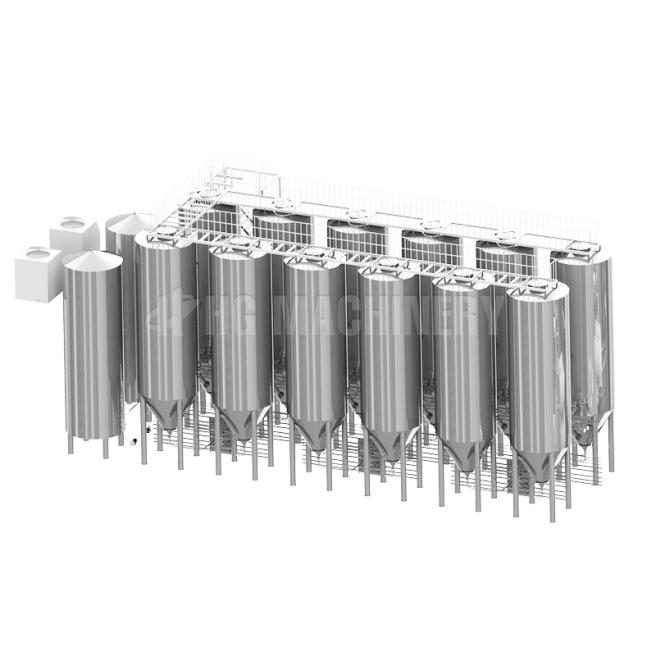
Start by estimating your target output, expected production frequency, beer styles, and fermentation requirements. Then determine the appropriate brewhouse configuration and the number and capacity of fermentation tanks.A brewery may require a two-vessel, three-vessel, or four-vessel brewhouse, depending on its production plan and process requirements. Fermentation capacity should also support the intended batch schedule without creating unnecessary bottlenecks.
At HGMC, we provide commercial brewery equipment in different configurations, including systems with capacities such as 500L, 1,000L, 2,000L, 5,000L, and larger options. The appropriate setup depends on your production requirements and project design.
Materials, cleaning, and process control
Equipment quality involves more than vessel capacity. Before purchasing, evaluate:- Stainless steel material specifications and surface finishing.
- Welding quality and the accessibility of areas requiring cleaning.
- Temperature control and process monitoring.
- Cleaning and sanitizing arrangements.
- Compatibility between brewing, fermentation, cooling, and downstream equipment.
Consider the complete production workflow
The performance of a brewery depends on how individual machines work together. For example, a brewhouse with high output may not deliver the expected production volume if fermentation tanks are insufficient or cooling capacity is limited.Conveying arrangements, piping connections, control systems, and equipment access should also be considered during planning. A well-coordinated layout can simplify operation, cleaning, and routine maintenance.
Before confirming an order, discuss the available utilities, installation space, drainage, and operating conditions with the manufacturer. Addressing these factors early can help avoid costly changes during installation.
How ISO 9001 Relates to Brewery System Quality Control
ISO 9001 provides a framework for managing quality-related processes. In brewery equipment manufacturing, an effective quality management system can support consistent procedures, documented inspections, and the handling of nonconformities.However, buyers should still evaluate the equipment itself. A quality management certificate does not replace material verification, technical inspections, functional testing, or any product-specific compliance checks required for the project.
At HGMC, we focus on brewery equipment manufacturing and integrated brewing solutions. Our quality management credentials should be considered alongside the technical documentation, equipment specifications, and applicable certifications for the proposed system.
Check quality at different manufacturing stages
When reviewing a brewery system proposal, ask how the manufacturer manages quality throughout production. Relevant considerations may include incoming material checks, welding inspections, dimensional verification, assembly checks, and functional testing where applicable.You should also clarify which inspection records and acceptance documents will be supplied with the equipment. The exact checks depend on the equipment type, design, and contractual requirements.
These details provide a more complete view of manufacturing quality than a certificate alone. They also help buyers establish clear acceptance criteria before production and delivery.
Understand market-specific requirements
For international projects, confirm the exact requirements of the destination market. CE marking, PED requirements, UL certification, and EAC conformity requirements serve different purposes and may apply to different products or configurations. Any relevant documentation should be verified against the equipment being purchased.SGS may provide testing, inspection, or certification services, depending on the specific engagement. Therefore, buyers should confirm the nature and scope of the relevant documentation rather than treating every reference to SGS as the same type of product certification.
Choosing a Brewery System for Your Production Needs
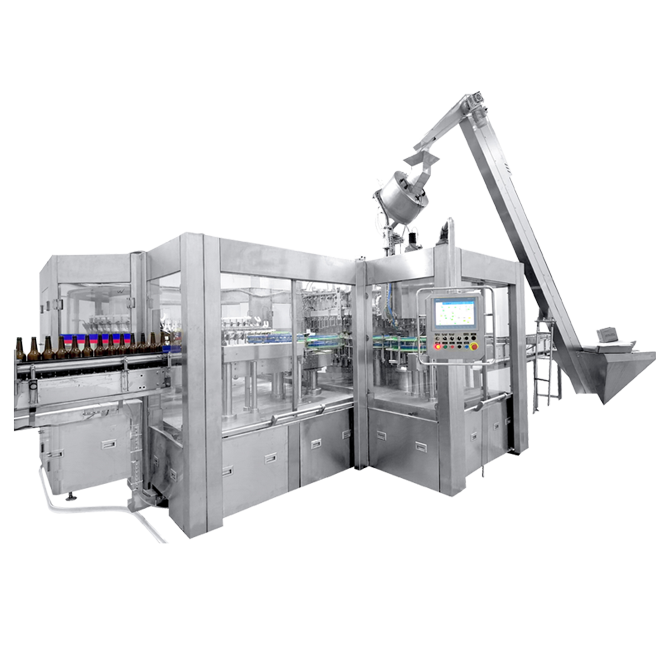
The best brewery system is one that supports your current output while allowing practical operational growth. Before requesting a proposal, define your production targets, process requirements, packaging format, and available installation space.For a complete project, consider how the following stages work together:
- Brewing and wort preparation.
- Fermentation and beer storage.
- Cooling, cleaning, and sanitizing.
- Filling, bottling, or canning.
- Packaging and material handling.
HGMC provides solutions for commercial and large-scale brewing projects, with equipment and process planning tailored to production requirements. Our large-scale brewery solutions address production capacity, operational efficiency, process coordination, and the needs of an integrated brewery operation.
Plan for future production changes
When estimating capacity, consider both current demand and realistic growth expectations. Expanding production later may require additional fermentation tanks, more cooling capacity, or changes to filling and packaging equipment.Automation is another important consideration. The appropriate level depends on production volume, staffing, process complexity, and the consistency required between batches. More automation is not always necessary for every project, but the system should match the way your brewery will operate.
Discuss these requirements before selecting the final configuration. Planning for equipment compatibility and future expansion can help reduce disruption as production needs change.
How to Choose the Right Brewery System Supplier
Choosing an ISO certified brewery system manufacturer requires a balanced assessment of certification, engineering capability, equipment quality, and project support. A supplier should be able to explain its proposed configuration and provide documentation relevant to your requirements.Before making a decision, ask these questions:
- Can the supplier provide valid certification documents and clarify their scope?
- Are the proposed equipment specifications suitable for your target capacity?
- Can the manufacturer coordinate brewing, fermentation, and packaging equipment?
- What installation, commissioning, training, and after-sales services are available?
- Can the system be adapted if production requirements change?
A detailed comparison helps you identify differences between suppliers and avoid overlooking equipment or services needed for a complete production line.
At HGMC, we provide individual brewery equipment as well as integrated solutions covering brewing, filling, and packaging. Our technical team can work with you to assess equipment configuration and project requirements.
The right choice ultimately depends on how well the supplier's credentials, equipment specifications, and service capabilities match your production goals. By checking certification documents and evaluating the complete system, you can make a more informed investment decision and select equipment suited to your commercial brewing operation.