Oct. 16, 2026
News
Commercial Brewery: Equipment, Operations, and Project Planning
A commercial brewery requires coordinated equipment and processes to produce consistent beer and meet market demand. From brewing and fermentation to packaging, each stage affects production efficiency and product quality.
Whether you are planning a new brewery or expanding an existing facility, understanding equipment requirements, brewery types, and supplier capabilities can help you make informed decisions. This guide covers the essentials of commercial brewery planning and equipment selection.
Unlike small-scale brewing operations, a commercial brewery must support repeatable production, consistent quality, effective sanitation, and reliable delivery schedules. Its size and equipment configuration depend on expected demand, beer styles, and available resources.
Commercial equipment often includes multiple brewing vessels, dedicated fermentation tanks, temperature controls, cleaning systems, and packaging machinery. The exact configuration depends on the brewery's production targets and business model.
When planning a commercial facility, consider:
When selecting commercial brewery equipment, consider batch size, heating method, vessel configuration, and control requirements. These factors affect both production efficiency and future expansion.
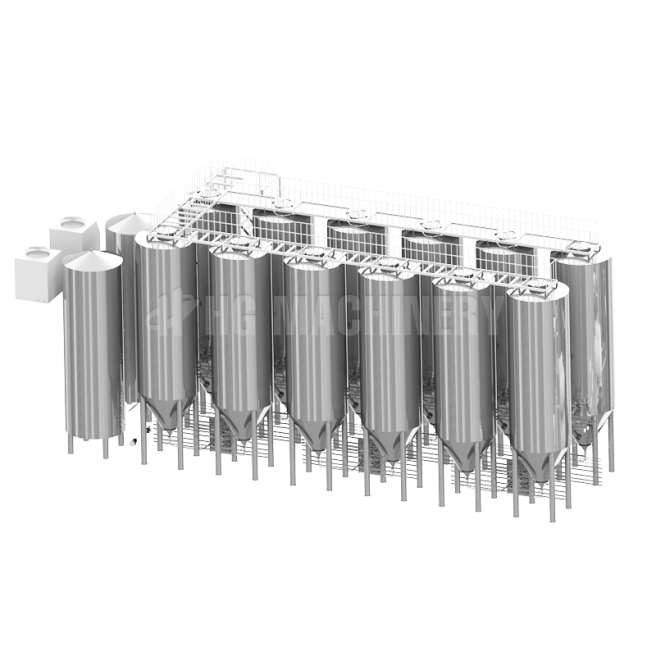
Our fermentation tank systems include different capacities, with examples ranging from 300 L and 500 L models to 10,000 L and larger tanks. The right configuration depends on production volume, fermentation time, and the number of beer varieties.
These systems should be planned together. If packaging capacity is too low, finished beer may accumulate and delay subsequent production. Our large-scale brewery solutions support integrated project planning across key brewing and packaging stages, with configurations tailored to project requirements.
Before choosing equipment, define your target customers, expected sales volume, beer styles, and packaging requirements. These decisions provide a clearer basis for determining capacity and selecting a suitable brewing system.
We export products to more than 120 countries and bring over 20 years of industry experience to brewery equipment projects. This experience helps us understand the practical considerations involved in equipment selection and project coordination.
Installation, commissioning, training, warranty coverage, and after-sales services can be discussed according to the project scope and equipment configuration.
If you are planning a new commercial brewery or upgrading an existing facility, contact HGMC to discuss your target capacity, beer styles, and equipment requirements. We can then evaluate a suitable configuration and provide a project-specific proposal.
Whether you are planning a new brewery or expanding an existing facility, understanding equipment requirements, brewery types, and supplier capabilities can help you make informed decisions. This guide covers the essentials of commercial brewery planning and equipment selection.
What Is a Commercial Brewery?
A commercial brewery is a facility that produces beer for sale and distribution. Depending on its business model, it may supply distributors, retailers, restaurants, bars, or its own hospitality venues.Unlike small-scale brewing operations, a commercial brewery must support repeatable production, consistent quality, effective sanitation, and reliable delivery schedules. Its size and equipment configuration depend on expected demand, beer styles, and available resources.
How Does a Commercial Brewery Work?
Commercial beer production typically includes several stages:- Raw material preparation: Preparing malt, water, hops, and yeast.
- Mashing and lautering: Extracting fermentable sugars and separating the wort from spent grain.
- Boiling and cooling: Boiling the wort, adding hops, and cooling it before fermentation.
- Fermentation and conditioning: Managing yeast activity and allowing the beer to develop its intended characteristics.
- Packaging: Filling finished beer into kegs, bottles, or cans for distribution.
Commercial Brewery vs. Home Brewing: What Are the Key Differences?
The main differences involve production volume, equipment configuration, automation, and operational requirements. Commercial breweries need systems designed for repeated production and consistent output, while smaller brewing setups generally have more limited capacity.Commercial equipment often includes multiple brewing vessels, dedicated fermentation tanks, temperature controls, cleaning systems, and packaging machinery. The exact configuration depends on the brewery's production targets and business model.
When planning a commercial facility, consider:
- Production capacity and expected demand.
- The number of batches and fermentation time.
- Required automation and labor.
- Cleaning, sanitation, and maintenance.
- Packaging formats and distribution needs.
What Equipment and Processes Are Involved in a Commercial Brewery?
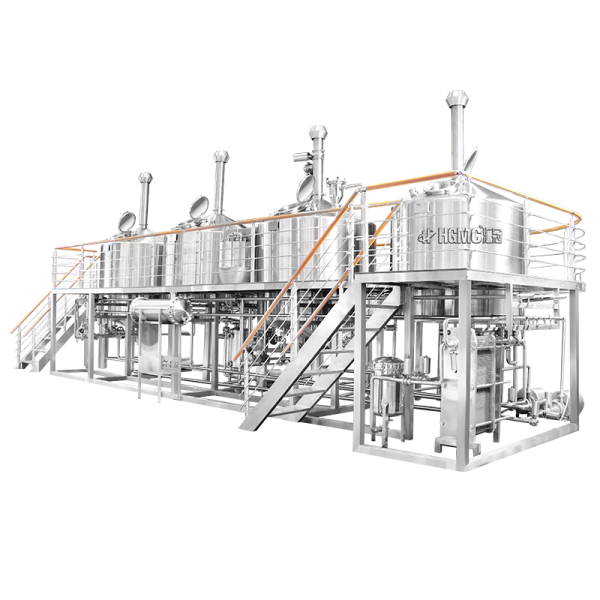
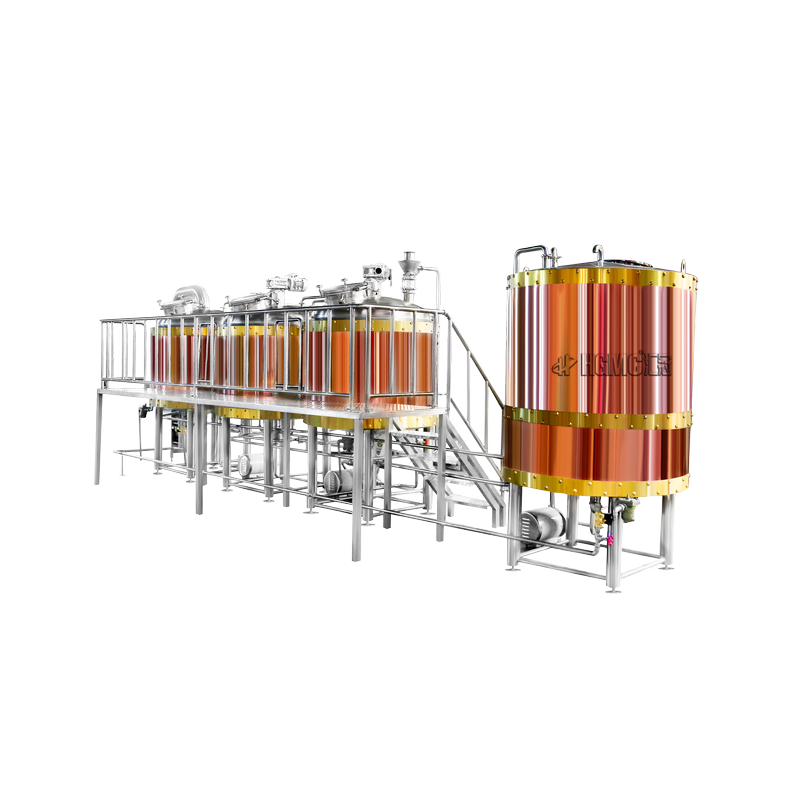
A commercial brewery typically needs equipment for wort production, fermentation, cooling, cleaning, and packaging. Each system should be sized to support the overall production schedule.Brewhouse Equipment
The brewhouse handles mashing, lautering, boiling, and wort separation. Depending on the required capacity and workflow, these functions can be arranged in separate vessels or combined in a more compact configuration.When selecting commercial brewery equipment, consider batch size, heating method, vessel configuration, and control requirements. These factors affect both production efficiency and future expansion.
Fermentation Tanks
Fermentation tanks provide a controlled environment for yeast activity and beer development. Their capacity and quantity determine how many batches can be processed simultaneously.Our fermentation tank systems include different capacities, with examples ranging from 300 L and 500 L models to 10,000 L and larger tanks. The right configuration depends on production volume, fermentation time, and the number of beer varieties.
Cooling, Cleaning, and Packaging Systems
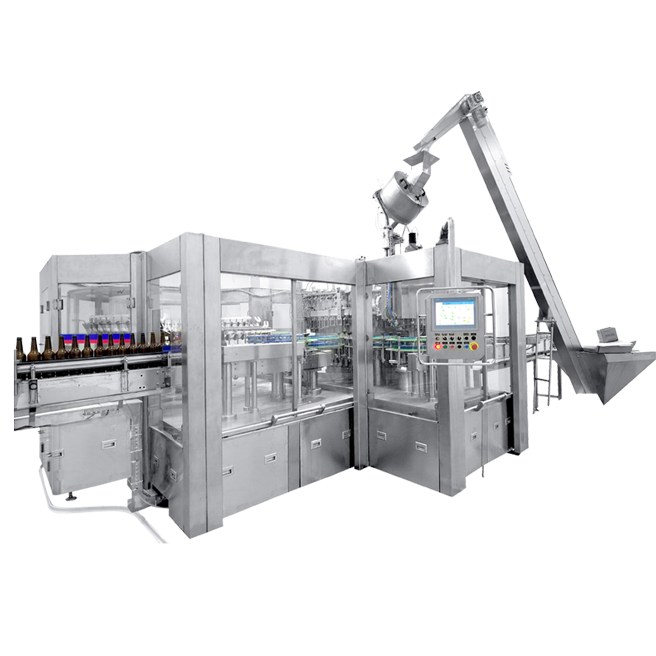
Cooling systems help manage wort and fermentation temperatures, while cleaning equipment supports consistent sanitation. Packaging systems prepare finished beer for distribution in kegs, bottles, or cans.These systems should be planned together. If packaging capacity is too low, finished beer may accumulate and delay subsequent production. Our large-scale brewery solutions support integrated project planning across key brewing and packaging stages, with configurations tailored to project requirements.
What Types of Commercial Breweries Are There?
Commercial breweries differ according to their customers, production volume, and product range. Identifying the intended business model helps determine which equipment features matter most.Production Breweries
Production breweries manufacture beer for distributors, retailers, and hospitality businesses. They generally prioritize consistent output, sufficient fermentation capacity, and efficient packaging.Brewpubs and Hospitality Breweries
These breweries produce beer primarily for an associated restaurant, bar, or hospitality venue. Their systems may prioritize flexible batch sizes, a variety of beer styles, and straightforward operation.Specialty and Craft Breweries
Specialty breweries may produce seasonal beers or maintain a varied product portfolio. Flexible equipment configurations and sufficient tank availability can help accommodate changing recipes and production schedules.Before choosing equipment, define your target customers, expected sales volume, beer styles, and packaging requirements. These decisions provide a clearer basis for determining capacity and selecting a suitable brewing system.
How Do You Choose the Right Commercial Brewery Equipment Supplier?
The right supplier should understand the complete brewing process and help coordinate equipment according to your production needs.Check Equipment and Engineering Capabilities
Review the supplier's equipment range, technical specifications, automation options, and ability to coordinate the brewhouse, fermentation, cooling, and packaging systems. Where certifications are required, confirm that the specific equipment meets the standards applicable to your market.Match Capacity to Production Goals
Do not evaluate a system by brewhouse capacity alone. Fermentation time, tank quantity, cleaning schedules, and packaging speed all affect total output. Discuss future expansion options if you expect demand to increase.Evaluate Installation and After-Sales Support
Ask about installation, commissioning, operator training, spare parts, warranty coverage, and technical support. For overseas projects, clarify communication arrangements and the scope of on-site services before placing an order.Compare the Complete Project Scope
Equipment quotations may cover different items and services. Compare technical specifications, included accessories, automation, shipping, installation, and warranty terms. Since project requirements vary, contact the supplier for a tailored quotation instead of relying on generic price estimates.Why Choose HGMC for Your Commercial Brewery Project?
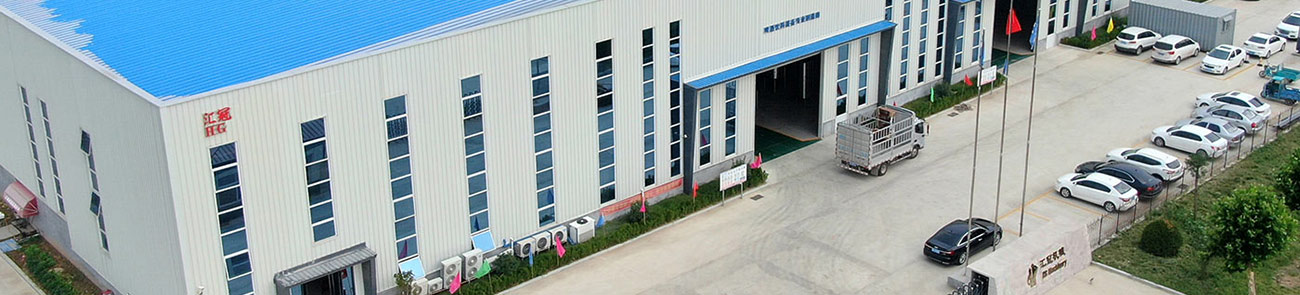
At HGMC, we manufacture beer brewing equipment and provide solutions for individual equipment purchases and complete brewery projects. We work with customers to develop configurations based on production targets, process requirements, and available space.Equipment Manufacturing and Project Experience
We provide equipment for key brewing stages, including brewhouse systems, fermentation tanks, and filling and packaging equipment. Our manufacturing and engineering capabilities support projects with different production scales and requirements.We export products to more than 120 countries and bring over 20 years of industry experience to brewery equipment projects. This experience helps us understand the practical considerations involved in equipment selection and project coordination.
Tailored Solutions and Technical Support
We can help customers assess production capacity, equipment configuration, and process requirements before finalizing a solution. Coordinating these elements early helps identify potential bottlenecks and align equipment with the intended workflow.Installation, commissioning, training, warranty coverage, and after-sales services can be discussed according to the project scope and equipment configuration.
If you are planning a new commercial brewery or upgrading an existing facility, contact HGMC to discuss your target capacity, beer styles, and equipment requirements. We can then evaluate a suitable configuration and provide a project-specific proposal.