Oct. 16, 2026
News
Beer Factory Filling Line: How to Plan the Right Packaging System
A beer factory filling line plays an important role in turning finished beer into consistently packaged products ready for storage, distribution, and sale. For commercial breweries, selecting the right system involves more than choosing a filling machine. The entire line must coordinate container handling, filling, sealing, labeling, and downstream packaging to meet production requirements.
The right configuration depends on several factors, including whether the brewery uses glass bottles or aluminum cans, its target output, packaging specifications, and available production space. Understanding how these factors work together helps brewery operators make informed equipment decisions and avoid unnecessary limitations as production grows.
Container handling is the starting point. Depending on the system, bottles or cans may pass through rinsing or cleaning equipment before entering the filling machine. The filling unit then dispenses beer into each container under controlled conditions, followed by the appropriate sealing equipment.
For bottled beer, the line may include a bottle rinser, filling machine, and capping unit. For canned beer, the main equipment typically includes a can filling machine and seaming unit. Both configurations may also require conveyors, labeling or coding equipment, inspection systems, and secondary packaging machinery.
Downstream equipment is particularly important when a brewery needs to prepare finished products for distribution. Labeling, date coding, carton packing, and case handling should be considered alongside the filling process rather than treated as unrelated additions.
At HGMC, we approach beer packaging as a coordinated production system. Our beer filling and packaging solutions cover bottling and canning equipment for different production requirements. Evaluating the complete process helps us identify the equipment combination that best fits a brewery's packaging needs.
A typical bottle filling process includes container rinsing where required, beer filling, capping, and subsequent labeling or packaging. These operations need to work together to maintain consistent container handling and reduce interruptions during production.
Breweries that package multiple bottle sizes should also consider changeover requirements. Compatible change parts, adjustment procedures, and the time needed to switch between formats can affect overall operating efficiency.
Filling technology is another important consideration. Carbonated beer generally requires a filling method designed to manage pressure and minimize excessive foaming. The selected machine should also suit the beer style, container specifications, and desired filling performance.
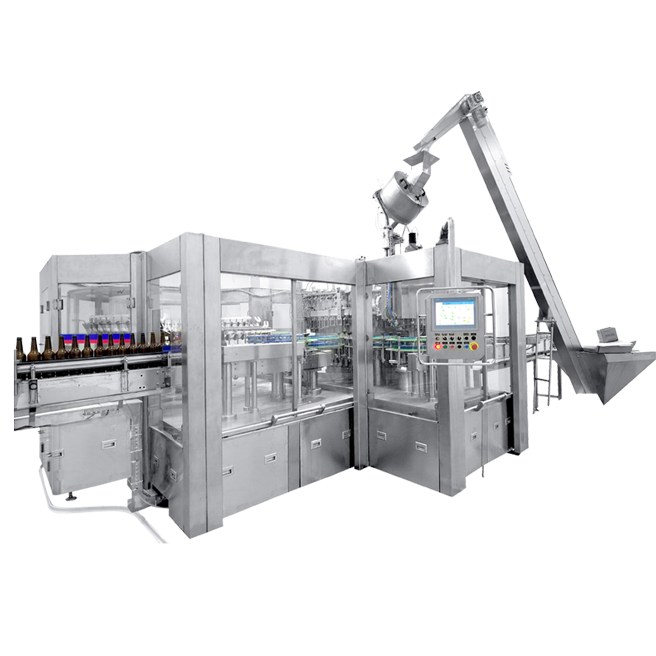
Our beer bottle filling line provides an example of equipment designed specifically for beer packaging, with filling, rinsing, and capping functions integrated into the system. The appropriate configuration depends on the brewery's required output and packaging specifications.
Seaming quality deserves particular attention because the closure must maintain package integrity throughout storage and distribution. Breweries should evaluate the filling and seaming equipment together rather than selecting a filler based solely on its rated speed.
Container dimensions also matter. Can height, diameter, and the range of formats a brewery plans to use can influence equipment compatibility and changeover requirements.
For facilities packaging several beer products, the production plan should account for the time required to change formats, clean equipment, and restart the line. These operational factors can affect practical output even when the filling machine has sufficient nominal capacity.
Our beer canning line is designed for beer filling and canning applications. When planning a system, breweries should assess the filling unit, seaming equipment, container specifications, and downstream packaging requirements as one coordinated solution.
Filling capacity is commonly expressed in bottles per hour (BPH) or cans per hour (CPH). These figures help compare equipment, but they must be interpreted in context. A machine's rated speed does not automatically represent the number of finished containers a complete packaging line can produce during a working shift.
For example, the filling machine may operate faster than the labeling or carton-packing equipment. If downstream machines cannot handle the same flow, the line may need to slow down or stop temporarily.
To estimate production requirements, start with the number of containers the brewery expects to package and the available production hours.
Estimated output can be expressed as:
Estimated Output = Effective Line Speed × Effective Operating Hours
Effective operating hours should account for planned cleaning, product changeovers, maintenance, and other expected downtime. The calculation should also reflect whether the brewery runs one shift or multiple shifts and whether its product range requires frequent packaging changes.
Container size can influence the production plan as well. A line configured for one bottle or can format may not deliver the same practical output when handling a different format.
When we help evaluate brewery equipment requirements, we consider the intended production volume, packaging format, and relationship between individual machines. This approach provides a more useful basis for selecting a line than relying on the highest advertised filling speed alone.
Carbonated beer is commonly packaged using counter-pressure or isobaric filling principles. These methods help manage the pressure difference between the beer and the container, reducing excessive foaming and helping retain carbonation during filling.
Dissolved oxygen is another important consideration. Uncontrolled oxygen pickup during packaging can affect beer flavor stability and shelf life. Depending on the equipment design, features such as container evacuation, controlled filling conditions, and appropriate sealing procedures can help manage oxygen exposure.
The brewery should also evaluate how the filling machine handles different beer styles and operating conditions. Product temperature, carbonation level, container type, and the characteristics of the beer can all influence filling performance.
Hygiene is equally important. Product-contact surfaces should be suitable for food and beverage applications, while equipment design should support effective cleaning and sanitation. The cleaning procedure must match the machine configuration and the brewery's operating practices.
Not every brewery requires the same downstream treatment. For example, whether pasteurization is appropriate depends on the product, packaging process, microbiological requirements, and intended shelf life. These decisions should be made as part of the overall process design rather than assuming every filling line needs identical equipment.
By considering beer quality requirements during equipment selection, breweries can better align their filling technology with their products and packaging objectives.
By evaluating how filling, sealing, conveying, and packaging equipment work together, you can build a line that supports consistent production and future development. For breweries planning a new facility or upgrading existing equipment, exploring HGMC’s brewery equipment solutions can be a useful starting point for understanding the options available for different commercial brewing projects.
The right configuration depends on several factors, including whether the brewery uses glass bottles or aluminum cans, its target output, packaging specifications, and available production space. Understanding how these factors work together helps brewery operators make informed equipment decisions and avoid unnecessary limitations as production grows.
What Equipment Makes Up a Beer Factory Filling Line?
A beer factory filling line typically combines several machines and conveying systems to move containers through the packaging process. The exact equipment depends on the packaging format, production scale, and level of automation required.Container handling is the starting point. Depending on the system, bottles or cans may pass through rinsing or cleaning equipment before entering the filling machine. The filling unit then dispenses beer into each container under controlled conditions, followed by the appropriate sealing equipment.
For bottled beer, the line may include a bottle rinser, filling machine, and capping unit. For canned beer, the main equipment typically includes a can filling machine and seaming unit. Both configurations may also require conveyors, labeling or coding equipment, inspection systems, and secondary packaging machinery.
Downstream equipment is particularly important when a brewery needs to prepare finished products for distribution. Labeling, date coding, carton packing, and case handling should be considered alongside the filling process rather than treated as unrelated additions.
At HGMC, we approach beer packaging as a coordinated production system. Our beer filling and packaging solutions cover bottling and canning equipment for different production requirements. Evaluating the complete process helps us identify the equipment combination that best fits a brewery's packaging needs.
How to Choose Between Bottle and Can Filling Lines
The packaging format determines much of the equipment configuration. Before selecting individual machines, breweries should consider their product range, container specifications, distribution requirements, and expected packaging volume.Beer Bottle Filling Line
Glass bottles remain a common packaging option for many commercial breweries. However, bottle dimensions, neck designs, closure types, and label requirements can influence machine selection.A typical bottle filling process includes container rinsing where required, beer filling, capping, and subsequent labeling or packaging. These operations need to work together to maintain consistent container handling and reduce interruptions during production.
Breweries that package multiple bottle sizes should also consider changeover requirements. Compatible change parts, adjustment procedures, and the time needed to switch between formats can affect overall operating efficiency.
Filling technology is another important consideration. Carbonated beer generally requires a filling method designed to manage pressure and minimize excessive foaming. The selected machine should also suit the beer style, container specifications, and desired filling performance.
Our beer bottle filling line provides an example of equipment designed specifically for beer packaging, with filling, rinsing, and capping functions integrated into the system. The appropriate configuration depends on the brewery's required output and packaging specifications.
Beer Can Filling Line
Aluminum cans are another widely used format for commercial beer packaging. A canning line must coordinate empty-can handling, filling, seaming, and subsequent conveying or packaging operations.Seaming quality deserves particular attention because the closure must maintain package integrity throughout storage and distribution. Breweries should evaluate the filling and seaming equipment together rather than selecting a filler based solely on its rated speed.
Container dimensions also matter. Can height, diameter, and the range of formats a brewery plans to use can influence equipment compatibility and changeover requirements.
For facilities packaging several beer products, the production plan should account for the time required to change formats, clean equipment, and restart the line. These operational factors can affect practical output even when the filling machine has sufficient nominal capacity.
Our beer canning line is designed for beer filling and canning applications. When planning a system, breweries should assess the filling unit, seaming equipment, container specifications, and downstream packaging requirements as one coordinated solution.
How Much Filling Capacity Does Your Brewery Need?
Choosing the right capacity is one of the most important decisions when planning a beer factory filling line. A machine that cannot keep pace with production creates a bottleneck, while equipment that is significantly oversized may add unnecessary investment and operational complexity.Filling capacity is commonly expressed in bottles per hour (BPH) or cans per hour (CPH). These figures help compare equipment, but they must be interpreted in context. A machine's rated speed does not automatically represent the number of finished containers a complete packaging line can produce during a working shift.
For example, the filling machine may operate faster than the labeling or carton-packing equipment. If downstream machines cannot handle the same flow, the line may need to slow down or stop temporarily.
To estimate production requirements, start with the number of containers the brewery expects to package and the available production hours.
Estimated output can be expressed as:
Estimated Output = Effective Line Speed × Effective Operating Hours
Effective operating hours should account for planned cleaning, product changeovers, maintenance, and other expected downtime. The calculation should also reflect whether the brewery runs one shift or multiple shifts and whether its product range requires frequent packaging changes.
Container size can influence the production plan as well. A line configured for one bottle or can format may not deliver the same practical output when handling a different format.
When we help evaluate brewery equipment requirements, we consider the intended production volume, packaging format, and relationship between individual machines. This approach provides a more useful basis for selecting a line than relying on the highest advertised filling speed alone.
How Does the Filling Process Affect Beer Quality?
Beer packaging equipment must protect product quality as well as maintain production flow. Carbonation, oxygen exposure, filling consistency, and package integrity all influence the performance expected from a commercial filling line.Carbonated beer is commonly packaged using counter-pressure or isobaric filling principles. These methods help manage the pressure difference between the beer and the container, reducing excessive foaming and helping retain carbonation during filling.
Dissolved oxygen is another important consideration. Uncontrolled oxygen pickup during packaging can affect beer flavor stability and shelf life. Depending on the equipment design, features such as container evacuation, controlled filling conditions, and appropriate sealing procedures can help manage oxygen exposure.
The brewery should also evaluate how the filling machine handles different beer styles and operating conditions. Product temperature, carbonation level, container type, and the characteristics of the beer can all influence filling performance.
Hygiene is equally important. Product-contact surfaces should be suitable for food and beverage applications, while equipment design should support effective cleaning and sanitation. The cleaning procedure must match the machine configuration and the brewery's operating practices.
Not every brewery requires the same downstream treatment. For example, whether pasteurization is appropriate depends on the product, packaging process, microbiological requirements, and intended shelf life. These decisions should be made as part of the overall process design rather than assuming every filling line needs identical equipment.
By considering beer quality requirements during equipment selection, breweries can better align their filling technology with their products and packaging objectives.
What Factors Shape the Final Filling Line Configuration?
A suitable beer factory filling line should match the brewery’s production targets, packaging requirements, and available facilities. The following factors help determine the right equipment configuration.Production Capacity:
Determine the required output based on daily production targets, operating hours, and expected downtime. Ensure the filling, sealing, and packaging equipment can work at compatible speeds.Container Specifications:
Consider bottle or can sizes, closure types, and the number of packaging formats. Multiple formats may require additional changeover components and adjustment time.Factory Layout:
Evaluate available floor space, conveyor routes, operator access, maintenance clearance, and utility connections to ensure smooth equipment integration.Automation Level:
Choose the appropriate level of automation based on production volume, labor availability, and operating requirements. Higher automation may help coordinate multiple stages of the packaging process.Equipment Integration:
For new installations or upgrades, check compatibility with existing beer supply systems and downstream packaging equipment to avoid production bottlenecks.Future Expansion:
Consider potential increases in production volume or new packaging formats when selecting equipment, allowing flexibility without overcomplicating the initial setup.Conclusion
A well-planned beer factory filling line should balance production speed, packaging quality, and operational flexibility. The right configuration depends on your brewery’s output targets, container formats, and day-to-day production requirements.By evaluating how filling, sealing, conveying, and packaging equipment work together, you can build a line that supports consistent production and future development. For breweries planning a new facility or upgrading existing equipment, exploring HGMC’s brewery equipment solutions can be a useful starting point for understanding the options available for different commercial brewing projects.