Aug. 27, 2026
News
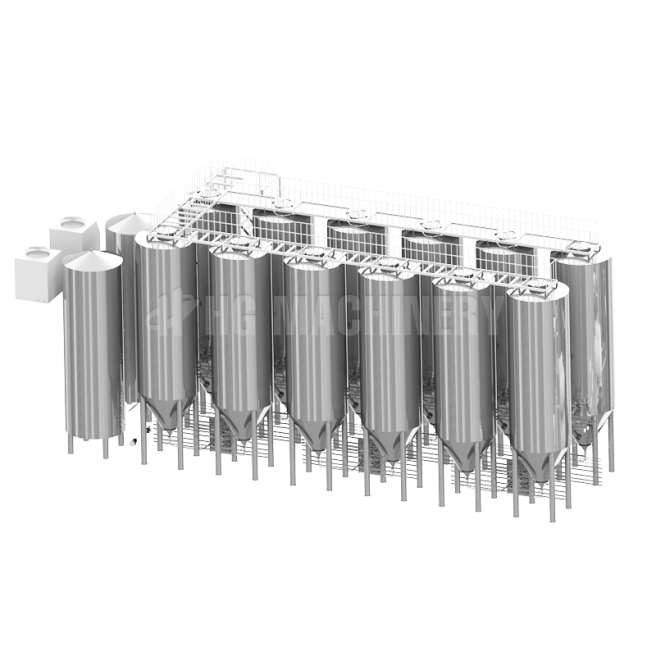
Custom Fermentation Tanks for High-Gravity Beer Production
High-gravity beer production creates greater demands on a brewery fermentation cellar than standard-strength beer. Higher wort gravity, stronger fermentation activity, rising alcohol levels, and longer tank occupancy can all affect yeast performance, temperature stability, beer quality, and available production capacity.
For this reason, a custom fermentation tanks solution should never be based on vessel volume alone. Commercial breweries need a fermentation system that aligns tank capacity, cooling performance, yeast handling, sanitation, pressure management, automation, building constraints, and future output targets.
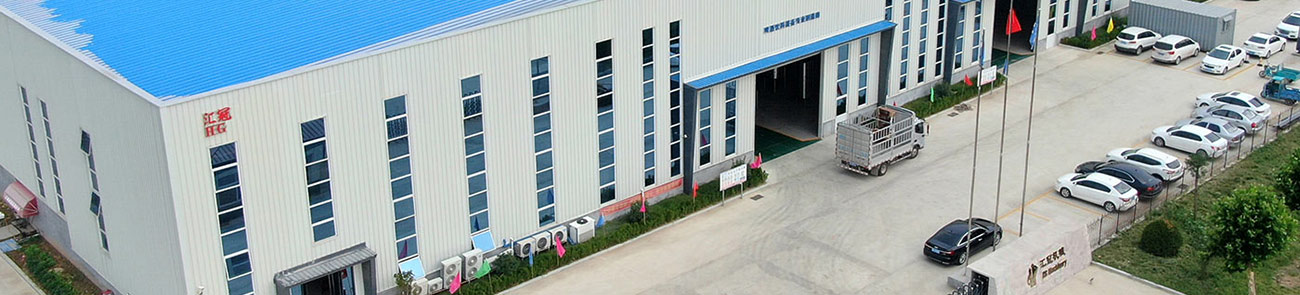
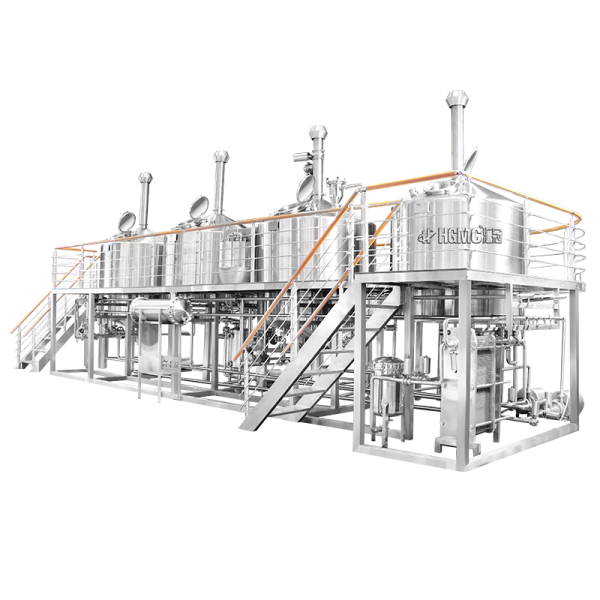
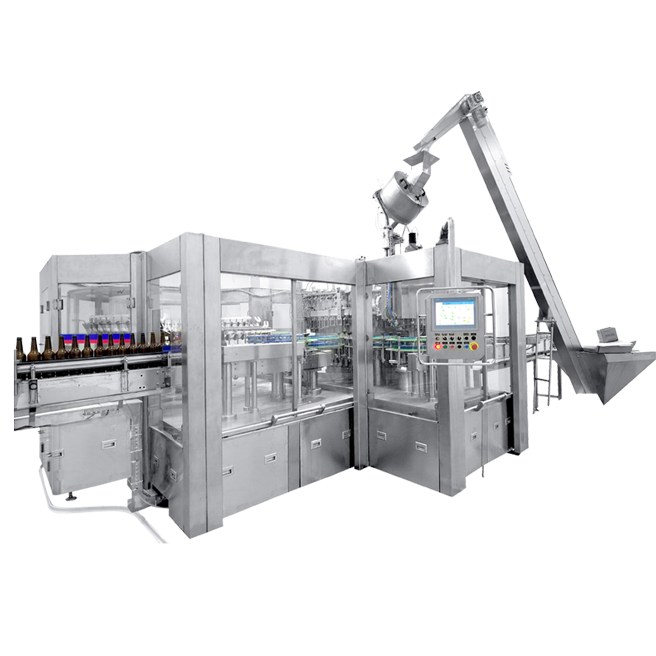
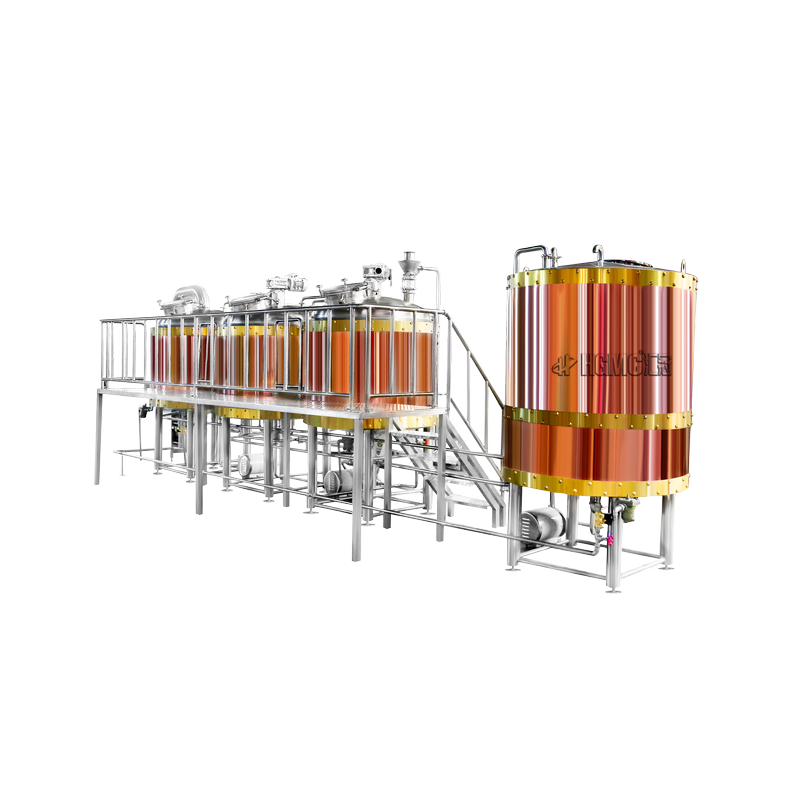
As a brewery equipment manufacturer and turnkey project supplier, HGMC brewery solutions support commercial breweries from individual tanks through integrated brewing, fermentation, automation, filling, and packaging projects. Our goal is to help breweries turn a demanding high-gravity beer process into a stable and scalable production workflow. HGMC provides one-stop brewery solutions covering beer brewing, filling, and packaging, together with door-to-door service and after-sales support.
Why Does High-Gravity Beer Need a Custom Fermentation Solution?
High-gravity beer begins with wort containing a higher concentration of fermentable sugars. This production approach is common for Double IPA, Imperial IPA, Imperial Stout, Barleywine, Belgian Strong Ale, and other strong beer styles.Higher gravity does not simply mean higher alcohol potential. It also creates a more demanding fermentation environment. At the beginning of the process, yeast works under higher osmotic pressure. Later, rising alcohol concentration can add further stress. When tank cooling, yeast handling, process monitoring, oxygen management, sanitation, or scheduling are not properly aligned, breweries may encounter slower fermentation, incomplete attenuation, inconsistent flavor, or longer-than-planned tank occupancy.
For a commercial brewery, these are not only brewing issues. They are equipment-planning issues.
A suitable custom fermentation tanks solution should help your team manage:
- Higher fermentation heat load
- Longer fermentation and conditioning cycles
- Yeast pitching, harvesting, and discharge requirements
- Hygienic CIP cleaning and sanitary process connections
- Safe pressure control and vacuum protection
- Limited cellar space and available utility capacity
- Tank availability for other products in the production schedule
How Should Tank Capacity Be Planned for Strong Beer Production?
Selecting fermentation tanks based only on brewhouse batch size can create a costly bottleneck. A brewery may be able to produce wort efficiently, but if high-gravity beer remains in fermentation and conditioning tanks for a longer period, the cellar can become the limiting factor in total output.Before specifying tank quantity and volume, HGMC evaluates the production plan from multiple angles:
- Brewhouse batch size
- Target annual production capacity
- High-gravity beer styles and target original gravity
- Expected fermentation and maturation duration
- Number of beer brands produced simultaneously
- Packaging capacity and release schedule
- Available cellar area, ceiling height, access routes, and floor loading
- Future expansion requirements
HGMC offers a broad range of commercial fermentation tanks for brewery applications, including models from 300L to 100,000L. This range allows breweries to select a suitable platform and then customize vessel dimensions, fittings, controls, and system integration according to their process needs.

What Tank Geometry Supports Efficient Yeast Handling?
Tank geometry affects daily operation, cleaning, yeast management, and use of available building space. For high-gravity beer production, the tank should support controlled fermentation while allowing practical yeast discharge and sanitation.A cylindroconical tank configuration is widely used in commercial breweries because it combines fermentation and yeast collection in one vessel. The conical bottom supports sedimentation, yeast discharge, and potential yeast recovery. However, the final cone angle, tank height, diameter, bottom clearance, and outlet configuration should be designed according to your brewery layout and process requirements.
When designing a custom tank system, HGMC can help define:
- Useful capacity and gross capacity
- Tank diameter and overall height
- Headspace for active fermentation and foam formation
- Cone-bottom configuration for yeast collection and discharge
- Manway position and access requirements
- Sample valves and process ports
- Instrumentation connections
- Maintenance and cleaning clearance
- Support legs or customized installation arrangements
How Should Cooling Be Designed for High-Gravity Fermentation?
Fermentation produces heat. When higher-gravity wort is fermented, the cooling demand can increase during active fermentation. If the cooling system is undersized or poorly matched to the tank design, temperature may rise beyond the brewer’s target range. This can increase yeast stress and make batch-to-batch consistency more difficult to achieve.A complete custom fermentation tanks solution should consider more than the cooling jacket. HGMC evaluates the full cooling loop, including:
- Cooling-jacket coverage and location
- Tank insulation
- Glycol supply and return piping
- Chiller capacity
- Temperature sensors and control valves
- Number of tanks requiring cooling at the same time
- Seasonal ambient temperature and production peaks
For breweries that want stronger process consistency, HGMC can integrate automated cellar control. Our control solutions can support individual tank temperature setpoints, automatic cooling activation, centralized tank monitoring, data logging, alarm functions, and CIP coordination. As described in our guide to automated brewery equipment, integrated sensors, valves, glycol systems, temperature controllers, and CIP manifolds help breweries reduce manual variability and manage cellar operations through a consistent control interface.

Which Process Connections Should Be Customized?
High-gravity beer production requires healthy yeast, reliable sanitation, and practical daily operation. The tank should include only the fittings and accessories that support your actual process, rather than unnecessary connections that add cleaning complexity and maintenance requirements.Depending on the brewery’s production plan, a custom fermentation tank can be configured with:
- Sanitary yeast pitching connections
- Yeast discharge and harvesting ports
- Sampling valves
- Pressure and vacuum protection devices
- Carbonation or gas-management fittings
- Temperature and pressure instrumentation ports
- Dry-hopping or special ingredient connections where required
- CIP spray devices and sanitary cleaning connections
- CO2 collection connections for integrated recovery projects
For breweries with a high proportion of strong beer production, HGMC can also integrate yeast propagation equipment and automated control into the wider fermentation system. This helps create a more stable supply of fresh yeast for planned commercial production.
How Do Pressure Control and CO2 Recovery Improve Operations?
Pressure management is an important part of a commercial fermentation system. A properly configured tank should support safe pressure control, overpressure protection, vacuum prevention, and reliable daily operation.For larger fermentation projects, HGMC can configure tank-top and tank-bottom arrangements that support pressure stabilization, vacuum protection, gas recovery, maintenance access, and efficient drainage. Our fermentation system solutions are designed for breweries ranging from smaller commercial operations to large-scale production facilities. HGMC’s project catalog also highlights customized fermentation systems, creative pipeline design, PLC control, yeast propagation, and CO2 recovery as part of an integrated brewery solution.
CO2 recovery may be considered when a brewery wants to improve resource efficiency. Carbon dioxide released during fermentation can be collected, purified, and reused in suitable brewery processes. The economic value of a recovery system depends on production scale, fermentation schedule, utility costs, and the brewery’s broader sustainability goals.
For high-gravity beer projects, it is important to define pressure-vessel and electrical requirements at the beginning of the project. Target-market requirements, applicable certifications, operating pressure, and control specifications should all be confirmed before manufacturing begins.
How Can Your Fermentation Cellar Support Future Growth?
A fermentation system should be planned as part of the complete brewery process, not as a group of isolated tanks. The number and size of fermentation tanks must be coordinated with brewhouse output, product portfolio, maturation time, bright beer capacity, filtration needs, and packaging speed.HGMC helps brewery investors and operators plan a phased solution that can include:
- Brewhouse and fermentation capacity matching
- Glycol cooling and utility integration
- CIP system planning
- Tank layout and pipe routing
- Bright beer tanks and packaging connections
- Automation upgrades
- Yeast propagation systems
- CO2 recovery equipment
- Space and utility reservations for future tanks
What Information Should You Prepare for a Tank Proposal?
To receive an accurate proposal for a custom fermentation tanks solution, prepare the following information:- Target high-gravity beer styles, original gravity, ABV, and fermentation schedule
- Brewhouse batch size and expected annual production
- Required number of simultaneous fermentation and conditioning batches
- Preferred tank working volume, total volume, and planned tank quantity
- Building height, available floor area, access dimensions, drainage, and floor-loading limits
- Glycol system, chiller capacity, electrical supply, and other utility conditions
- Requirements for zoned cooling, automation, data logging, alarms, or remote monitoring
- Requirements for yeast propagation, dry hopping, CIP, bright beer storage, or CO2 recovery
- Pressure-vessel, electrical, and destination-market certification requirements
Discuss your production targets, beer styles, facility dimensions, and market requirements with HGMC to configure a custom fermentation tank system that supports reliable high-gravity beer production and long-term commercial growth.