Jun. 23, 2026
News
Automated Brewery Equipment for Consistent Brewing
What is automated brewery equipment and who needs it?
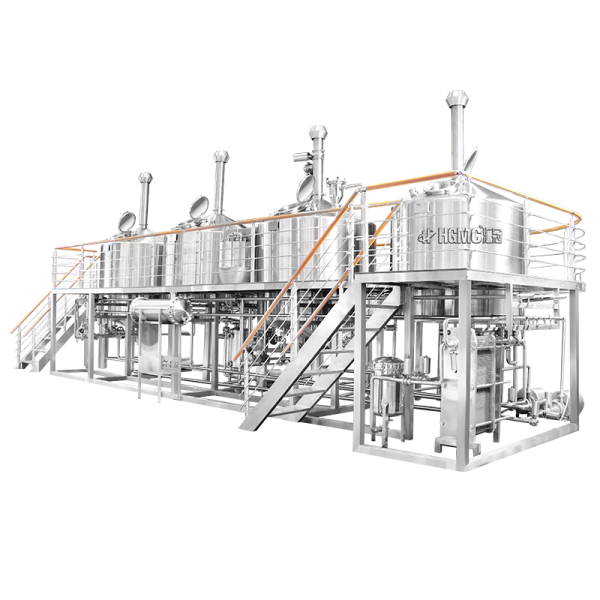
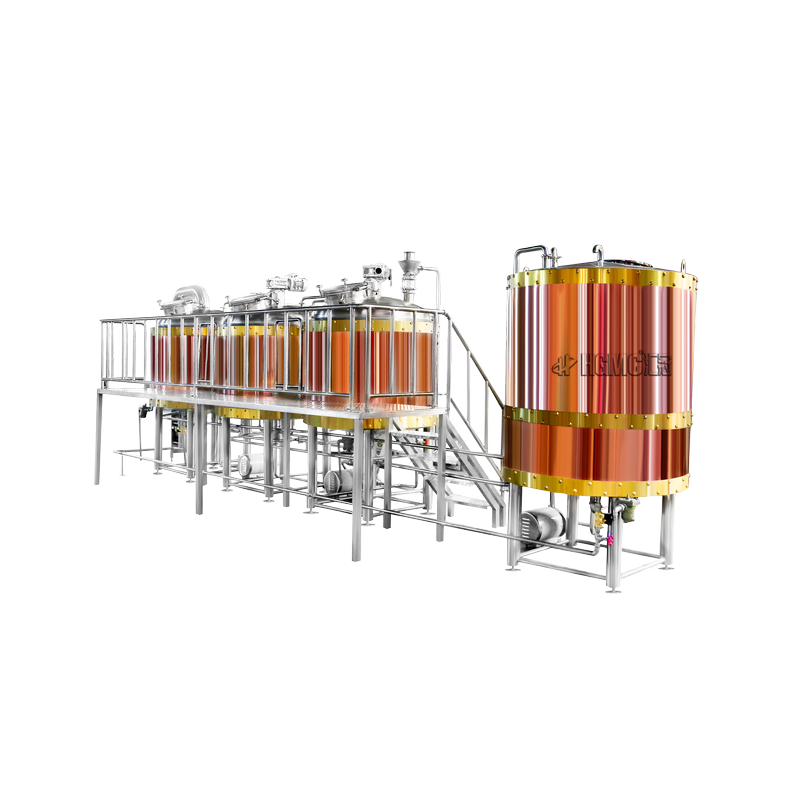
Automated brewery equipment uses integrated sensors, valves, and control systems to handle key brewing steps with minimal manual intervention. For many modern breweries, this is no longer a luxury but a practical way to maintain consistency while managing labor costs and production schedules. HG Beer Equipment designs automated brewhouses and cellars that help craft and industrial breweries achieve precise, repeatable results without losing control over their recipes.Key automation features in a modern brewhouse
In a professional brewhouse, automation focuses on maintaining exact process conditions and orchestrating multiple tasks at the same time. This allows your team to supervise rather than manually operate every valve and pump.Typical automated features include:
- Programmable mash profiles that control step temperatures and rest times with high accuracy.
- Automated water dosing and mash‑in systems to reduce human error in liquor‑to‑grist ratios.
- Recipe‑controlled pump and valve sequencing for mashing, lautering, and wort transfer.
- Kettle boil management with timers, power modulation, and automated hop dosing options.
Cellar automation: beyond temperature control
Automation is just as important in the cellar as it is in the brewhouse. Fermentation conditions must be maintained within tight limits to achieve target flavor and alcohol levels.Advanced automated brewery equipment for the cellar may include:
- Fermentation tank temperature control with individual setpoints and automatic cooling activation.
- Central control of multiple tanks from one panel, so operators see all temperatures at a glance.
- Pressure management devices that help keep carbonation in a controlled range.
- CIP (clean‑in‑place) automation that sequences cleaning cycles and reduces chemical handling.
Benefits of automated brewery equipment for growing breweries
Investing in automation is not only about reducing labor. Well‑designed automated systems provide several strategic benefits that directly support your brand’s growth.Key benefits include:
- Consistency across batches, which builds consumer trust and simplifies quality control.
- Better use of staff, allowing skilled brewers to focus on recipe development, QA, and training.
- Improved traceability, since digital systems can log critical process data for every batch.
- Easier training for new staff, because standard operating procedures are built into the control logic.
How automated brewery equipment fits different brewery sizes
Automation is not only for very large breweries. The right design can make sense for a wide range of operations, from small‑scale craft producers to industrial plants.For example:
- Small craft breweries may start with semi‑automatic panels that handle temperature control, mash steps, and basic pump operations.
- Mid‑size regional breweries often adopt PLC‑based control with recipe storage, alarm systems, and partial remote monitoring.
- Larger industrial breweries may require high‑level integration with production planning systems and data platforms.
Planning your automation roadmap
Before investing in automated brewery equipment, take time to define your automation roadmap. The following questions can guide your decision:- Which brewing steps cause most of your variability or downtime?
- Where do manual tasks increase the risk of mistakes or safety incidents?
- How quickly do you plan to expand capacity in the next few years?
- What level of data logging do you need for quality management and audits?