Sep. 24, 2026
News
Complete Guide to Beer Brewing Equipment: Selection, Configuration & Cost Analysis in 2026
Choosing the right beer brewing equipment is one of the most important decisions when starting, expanding, or upgrading a brewery. The equipment you select affects production capacity, beer quality, operating efficiency, cleaning requirements, labor costs, and the ability to scale production in the future.
For a homebrew setup, the priority may be simplicity and ease of use. For a brewpub or craft brewery, the focus usually shifts toward brewhouse capacity, fermentation space, cooling, cleaning, and packaging. Larger commercial breweries need a more integrated system covering brewing, fermentation, utilities, automation, and packaging.
This guide explains the major types of beer brewing equipment, the factors to consider when selecting a system, common brewery configurations by scale, and practical considerations for evaluating equipment costs and long-term operating requirements.
What Equipment Is Included in a Beer Brewing System?
A commercial brewery is more than a brewhouse. A complete beer brewing equipment system connects multiple stages of production, from grain handling and wort production to fermentation, cooling, cleaning, and packaging.
Depending on the brewery's capacity and production process, a complete system may include:
- Malt milling and grain handling equipment
- Brewhouse equipment
- Mash and lauter system
- Brew kettle and whirlpool
- Hot liquor tank
- Cold liquor or cooling system
- Plate heat exchanger
- Fermentation tanks
- Bright beer tanks
- Glycol cooling system
- CIP cleaning system
- Pumps, valves, and sanitary piping
- Control panels and automation
- Kegging, bottling, or canning equipment
- Auxiliary equipment and brewery utilities
Main Components of Beer Brewing Equipment
1. Brewhouse System
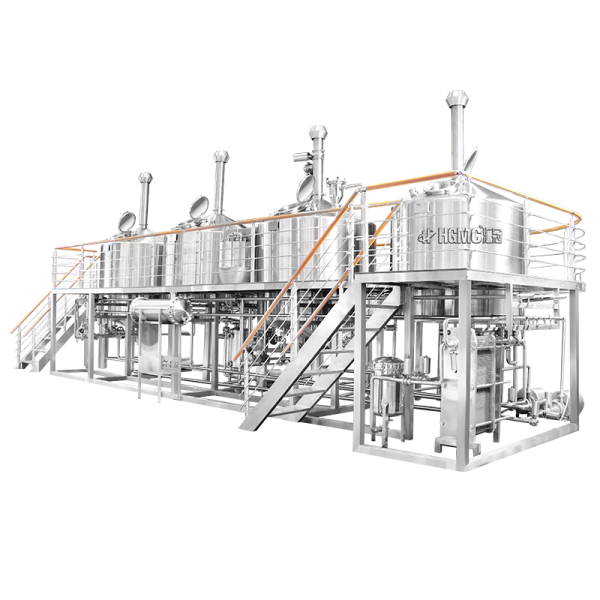
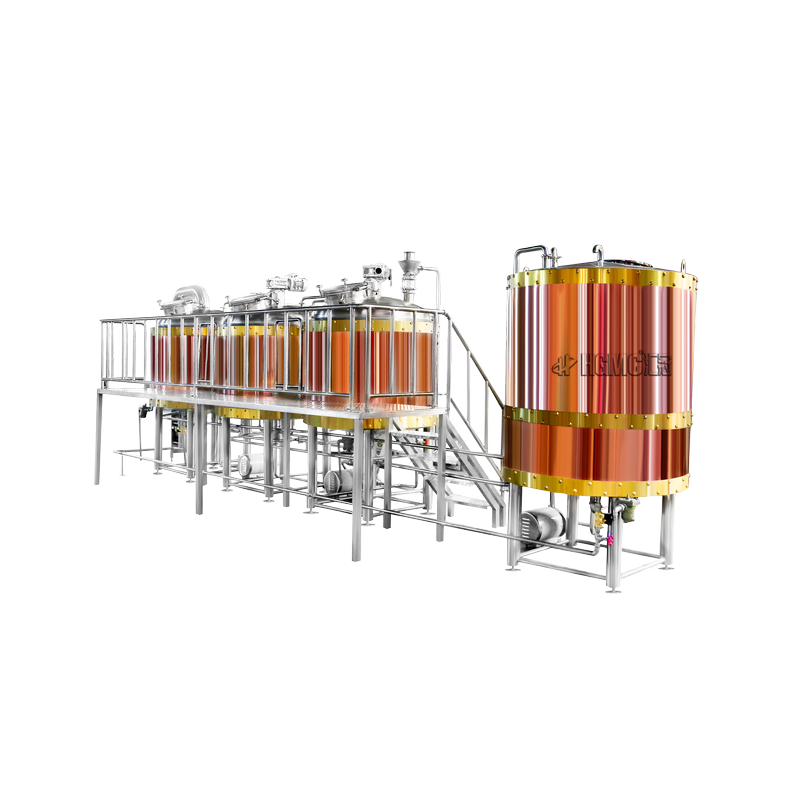
The brewhouse is the core of the hot-side brewing process. Depending on the brewery's production requirements, it can use a two-vessel, three-vessel, or four-vessel configuration.Mash and Lauter Tun
The mash system mixes crushed malt with hot water and provides the conditions required for starch conversion. The lauter system then separates the wort from the spent grain.Brew Kettle
The brew kettle is used to boil the wort and add hops according to the recipe.Whirlpool
A whirlpool helps separate hop particles and other solids from the wort before cooling.Brewhouse Configuration
The appropriate vessel configuration depends on production volume, brewing frequency, beer styles, and available space.- 2-vessel system: Compact configuration for breweries with simpler production requirements
- 3-vessel system: A flexible option for many craft breweries and brewpubs
- 4-vessel system: Suitable for higher production efficiency and more complex brewing operations
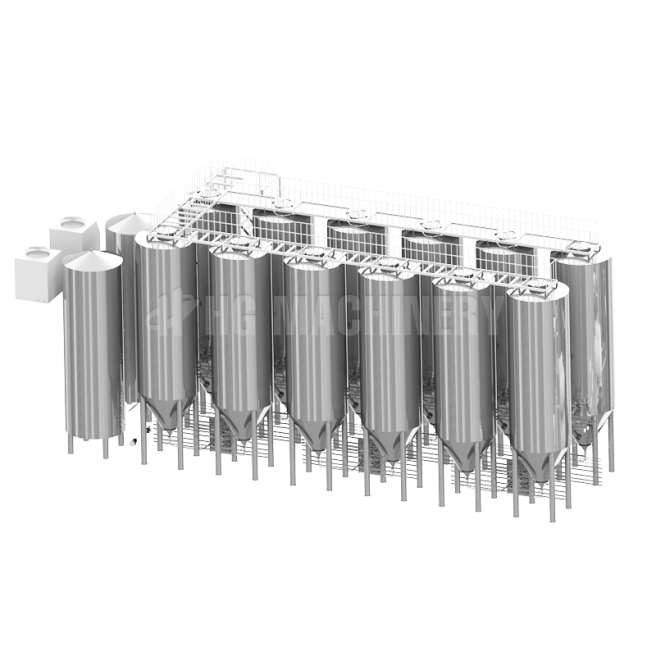
2. Fermentation and Bright Beer Tanks
After wort production and cooling, fermentation becomes the next major stage of beer production.Fermentation Tanks
Conical fermentation tanks provide a controlled environment for yeast activity, temperature management, maturation, and beer conditioning.
When selecting fermentation tanks, consider:
- Tank capacity
- Number of brews per week
- Fermentation time
- Beer styles
- Temperature-control requirements
- Available cellar space
- Future production growth
Bright Beer Tanks
Bright beer tanks can be used for beer clarification, carbonation, storage, and preparation before packaging or serving.
For commercial breweries, fermentation capacity can become a production bottleneck if it is not properly matched with brewhouse output. A larger brewhouse does not automatically mean higher finished-beer production if the fermentation cellar cannot handle the volume.
3. Cooling and Glycol System
Temperature control is critical throughout brewing and fermentation.
A brewery cooling system may include:
- Glycol chiller
- Glycol water tank
- Cooling pumps
- Insulated pipelines
- Fermentation tank cooling jackets
- Wort heat exchanger
- Cold-water system
4. CIP Cleaning System
Clean-In-Place (CIP) equipment is an important part of a commercial brewery system.
A CIP system can support cleaning of:
- Brewhouse vessels
- Fermentation tanks
- Bright beer tanks
- Process pipelines
- Transfer equipment
- Packaging-related equipment
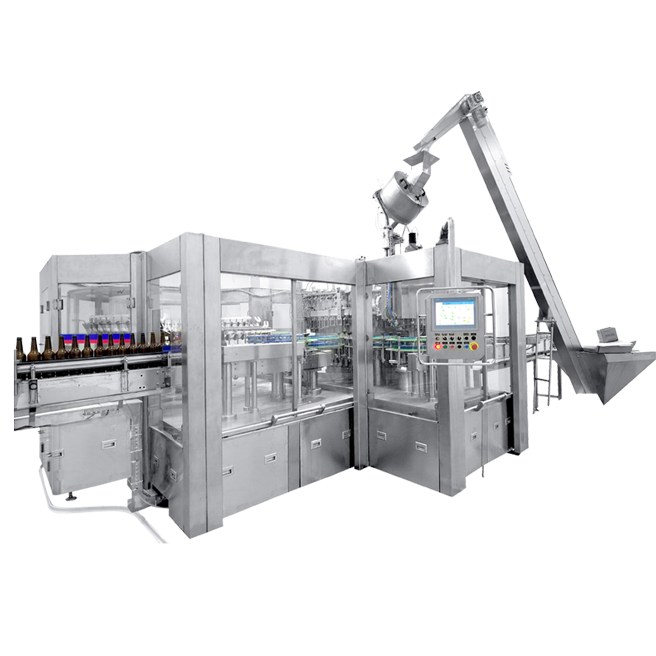
5. Filling and Packaging Equipment
Once the beer is ready, the brewery needs a suitable packaging system based on its sales channels.
Common options include:
- Keg filling
- Bottle filling
- Can filling
- Labeling
- Packing
- Palletizing
6 Key Factors When Choosing Beer Brewing Equipment
1. Define Your Production Requirements
Before selecting equipment, determine how much beer you actually plan to produce.
Consider:
- Target annual production
- Batch size
- Number of brewing days per week
- Number of brews per day
- Beer styles
- Fermentation cycle
- Packaging format
- Peak seasonal demand
- Future expansion
2. Choose the Right Brewhouse Capacity
Brewhouse capacity should be based on the entire production process rather than batch size alone.
A useful planning approach is to calculate:
Annual production = Batch volume × Brews per week × Operating weeks
You should then compare the calculated output with fermentation capacity, packaging capacity, storage requirements, and expected demand.
HGMC's product range currently includes systems from smaller brewery configurations to 2,000L and larger commercial systems, providing options for different production scales.
3. Consider Material and Fabrication Quality
Stainless steel is widely used for commercial beer brewing equipment because of its corrosion resistance, cleanability, and suitability for food and beverage processing.304 Stainless Steel
304 stainless steel is commonly used for:- Brewhouse vessels
- Fermentation tanks
- Bright beer tanks
- Serving vessels
- Sanitary piping
316 Stainless Steel
316 stainless steel offers higher corrosion resistance and may be considered for applications exposed to higher chloride levels or particularly corrosive environments.Other Quality Indicators
When evaluating equipment, also check:- Welding quality
- Internal surface finish
- Tank insulation
- Pressure rating
- Sanitary fittings
- Valve and pump quality
- Temperature sensors
- Control system specifications
4. Automation and Control
Automation can help breweries improve process repeatability and reduce manual operation.
Common control features include:
- Temperature monitoring
- Pump control
- Valve control
- Recipe management
- Pressure monitoring
- Automated CIP sequences
- Production data recording
- Remote monitoring
The appropriate level of automation depends on production scale, staffing, process complexity, and budget. A small brewery does not necessarily need the same automation architecture as a large production facility.
For commercial projects, PLC-based control systems can coordinate multiple process stages and provide a more consistent operating workflow. HGMC also provides brewery systems with automation and control options as part of customized project configurations.
5. Plan for Future Expansion
One common mistake when purchasing brewery equipment is planning only for today's production.
A better approach is to consider where the brewery expects to be in three to five years.
Possible expansion strategies include:
- Adding fermentation tanks
- Increasing bright tank capacity
- Adding packaging equipment
- Expanding cooling capacity
- Increasing brewhouse output
- Upgrading automation
- Adding additional utility capacity
6. Evaluate the Complete Project Cost
The purchase price of the brewhouse is only one part of the total brewery investment.
A commercial brewery project may also require:
- Fermentation tanks
- Bright beer tanks
- Glycol chiller
- CIP system
- Pumps and piping
- Control system
- Packaging equipment
- Water treatment
- Electrical installation
- Drainage
- Utilities
- Shipping
- Installation
- Commissioning
- Operator training
Beer Brewing Equipment Configuration by Brewery Type
Home Brewing
For homebrewers, the priority is usually simplicity, flexibility, and ease of operation.
A typical setup may include:
- Small electric brewing system
- Fermentation vessel
- Temperature controller
- Wort chiller
- Keg or bottle filling equipment
- Basic cleaning equipment
Brewpubs and Restaurants
A brewpub needs to balance brewing capacity with customer demand and available space.
A typical configuration may include:
Brewhouse
- 300L–1000L brewing system
- 2-vessel or 3-vessel configuration
- Mash/lauter system
- Kettle/whirlpool
- Hot liquor tank
Fermentation
- Multiple conical fermenters
- Glycol cooling
- Temperature control
- Pressure monitoring
Cleaning
- CIP system
- Cleaning tank
- Sanitary pumps
- Cleaning pipelines
Serving
- Bright beer tanks
- Kegging system
- CO₂ system
Commercial Craft Brewery
A commercial craft brewery usually requires a more integrated system.A typical configuration may include:
- 1000L+ brewhouse
- 3-vessel or 4-vessel brewing system
- Multiple fermentation tanks
- Bright beer tanks
- Glycol cooling system
- CIP system
- PLC control system
- Kegging, bottling, or canning line
- Water and utility systems
The exact configuration should be based on the annual production target, number of brews per day, fermentation cycle, packaging format, and available facility space.
HGMC's current brewery equipment range includes 1000L and 2000L systems as well as larger commercial and industrial configurations.
Large-Scale and Industrial Breweries
Large breweries require a more integrated approach to equipment selection.
A large-scale system may include:
- Automated brewhouse
- Malt handling system
- Multiple fermentation tanks
- Bright beer tanks
- Central glycol system
- Automated CIP
- Process control system
- Filtration or centrifugation
- Kegging system
- Canning or bottling line
- Packaging automation
- Utility systems
At this scale, production efficiency depends on how well the individual systems work together. Cooling, fermentation, cleaning, packaging, utilities, and material flow should therefore be considered during the initial engineering stage.
HGMC's large-scale brewery solutions are designed around scalable production, operational efficiency, yield, and process integration.
How Much Does Beer Brewing Equipment Cost?
There is no single price for beer brewing equipment because brewery projects differ significantly in capacity and configuration.
The total investment can be affected by:
- Brewhouse size
- Number of vessels
- Fermentation capacity
- Bright tank capacity
- Automation level
- Cooling system
- CIP system
- Packaging requirements
- Utility infrastructure
- Installation
- Shipping
- Building requirements
For this reason, buyers should avoid comparing suppliers solely by the price of one brewhouse.
A more useful approach is to request a complete equipment list and identify exactly what is included in the quotation.
For a commercial brewery, ask suppliers to specify:
- Equipment included
- Equipment capacity
- Material specifications
- Automation scope
- Cooling requirements
- CIP configuration
- Packaging equipment
- Installation scope
- Training
- Warranty and after-sales service
How to Calculate the ROI of Brewery Equipment
Equipment ROI depends on much more than the initial purchase price.
A basic calculation is:
ROI Period = Initial Investment ÷ Annual Additional Gross Profit
However, the actual calculation should also consider:
- Beer selling price
- Production volume
- Ingredient costs
- Labor
- Utilities
- Packaging
- Maintenance
- Distribution
- Facility costs
- Financing
- Installation costs
For example, producing beer in-house may reduce the purchase cost of wholesale beer for a brewpub, but the brewery must also account for labor, ingredients, utilities, maintenance, cleaning, and equipment depreciation.
Therefore, a realistic brewery investment analysis should evaluate the complete operating model rather than relying on a generic payback period.
Pre-Purchase Checklist for Beer Brewing Equipment
Before placing an order, review the following items.1.Production Plan
- What is your target annual production?
- What is your expected batch size?
- How many brews will you run per week?
- What beer styles will you produce?
2.Facility
- Available floor area
- Ceiling height
- Drainage
- Electrical supply
- Water supply
- Gas or steam requirements
- Equipment access and loading
3.Equipment
- Brewhouse
- Fermentation tanks
- Bright beer tanks
- Glycol system
- CIP
- Pumps and piping
- Automation
- Packaging
4.Expansion
- Can additional tanks be added?
- Is the cooling system expandable?
- Is there space for packaging upgrades?
- Can the control system accommodate additional equipment?
5.Supplier
- Manufacturing experience
- Product certifications
- Equipment references
- Technical support
- Installation
- Training
- Spare parts
- Warranty
- After-sales service

What Should You Ask a Brewery Equipment Manufacturer?
Before choosing a supplier, ask for detailed answers to the following questions:Can you design the system around my production target?
The supplier should be able to connect brewhouse capacity with fermentation, cooling, CIP, packaging, and utilities.What is included in the quotation?
Ask for a complete equipment list rather than a single total price.Can the system be expanded?
Discuss future fermentation tanks, cooling capacity, packaging, and automation before manufacturing begins.Who handles installation and commissioning?
Clarify whether installation, commissioning, operator training, and technical support are included.What after-sales support is available?
Check spare parts availability, technical response, troubleshooting, and long-term support.
A supplier capable of handling the complete brewery process can simplify project coordination and reduce the risk of incompatible equipment. HGMC currently provides both individual brewery equipment and turnkey brewery project services.
Why Choose HGMC Beer Brewing Equipment?
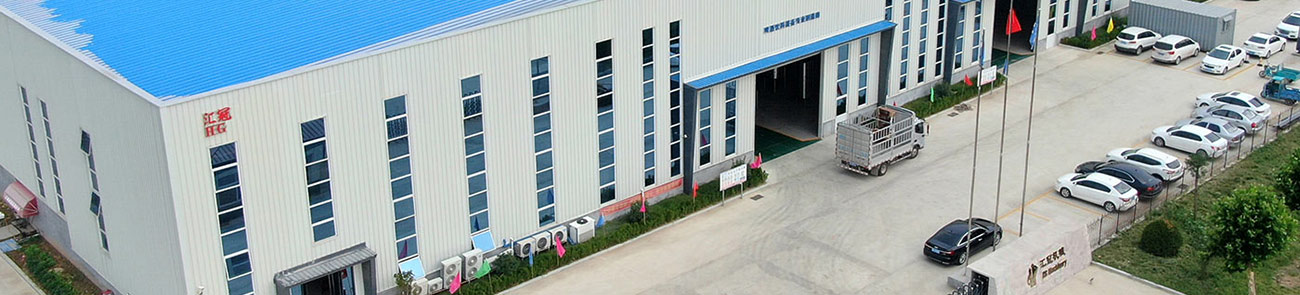
HGMC is a brewery equipment manufacturer providing beer brewing equipment, beverage equipment, filling lines, and turnkey brewery project services.
According to HGMC's current company information, the company has:
- 30+ national authorized patents
- 20+ high-tech achievements
- ISO 9001:2015 quality management certification
- Equipment exported to 120+ countries
- Individual brewery equipment and turnkey project capabilities
- Brewery equipment
- Brewhouse systems
- Fermentation tanks
- Bright beer tanks
- Filling equipment
- Bottling machines
- Canning machines
- Kegging machines
- Auxiliary brewery equipment
The current product range covers smaller systems as well as commercial and large-scale brewery equipment.
For complete brewery projects, HGMC can coordinate brewing, fermentation, cooling, cleaning, filling, packaging, installation, and project support according to the specific requirements of the brewery.
Frequently Asked Questions About Beer Brewing Equipment
How much does beer brewing equipment cost?
The cost depends on brewing capacity, equipment configuration, fermentation capacity, automation, cooling, CIP, packaging, installation, and other project requirements. A complete commercial brewery system should therefore be quoted according to the actual production plan rather than a standard price.What is the difference between 304 and 316 stainless steel?
304 stainless steel is widely used in brewery equipment because it provides good corrosion resistance and is suitable for most brewing applications. 316 stainless steel provides additional corrosion resistance and can be considered for environments with higher chloride exposure.Do I need a CIP system for a commercial brewery?
CIP is an important part of commercial brewery sanitation. The appropriate configuration depends on the number and size of vessels, cleaning requirements, production frequency, and level of automation.How do I choose the right brewery capacity?
Start with your target annual production, batch size, brewing frequency, fermentation cycle, packaging requirements, and future expansion plans. Brewhouse capacity should be considered together with fermentation and packaging capacity.Should I choose a 2-vessel, 3-vessel, or 4-vessel brewhouse?
The answer depends on production volume, brewing frequency, beer styles, workflow, available space, and budget. A 2-vessel system can provide a more compact configuration, while 3-vessel and 4-vessel systems can provide additional process flexibility and production capacity.How many fermentation tanks do I need?
The number of tanks depends on brewhouse batch size, brewing frequency, fermentation time, beer portfolio, and target production. A brewery producing multiple beer styles may require more fermentation capacity even when brewhouse capacity remains unchanged.Can brewery equipment be expanded later?
Yes. Many brewery projects are designed so that fermentation tanks, bright tanks, cooling capacity, packaging equipment, or automation can be added as production grows. Expansion should be considered during the initial layout and engineering stage.What should be included in a brewery equipment quotation?
Ask suppliers to clearly identify the brewhouse, fermentation tanks, bright tanks, cooling system, CIP, pumps, valves, piping, automation, packaging equipment, utilities, installation, commissioning, training, warranty, and other project costs.Conclusion: How to Choose the Right Beer Brewing Equipment
Choosing the right beer brewing equipment is not simply a matter of selecting the largest brewhouse or the lowest equipment price.
A well-planned brewery system should connect:
- Production capacity
- Brewhouse configuration
- Fermentation capacity
- Cooling
- CIP
- Automation
- Packaging
- Utilities
- Facility layout
- Future expansion
For a new brewery, start by defining your production target and business model. Then determine the brewhouse capacity, fermentation requirements, cooling capacity, cleaning system, packaging format, and automation level.
When comparing suppliers, evaluate the complete project scope rather than individual equipment prices. Manufacturing capability, system integration, installation, commissioning, training, and after-sales support can all affect the long-term operation of a brewery.
HGMC provides brewery equipment and turnkey brewery solutions for different production scales, from smaller brewing systems to large commercial and industrial brewery projects. Its current product and solution range is designed around different capacity, vessel configuration, and usage requirements.
Ready to Plan Your Brewery Equipment?
If you are planning a new brewery, expanding an existing facility, or replacing your current brewing equipment, the first step is to define your production target and project requirements.
HGMC can help you evaluate:
- Brewhouse capacity
- Brewery system configuration
- Fermentation and bright tank capacity
- Cooling and CIP requirements
- Automation level
- Packaging options
- Facility layout
- Future expansion