Jul. 31, 2026
News
Brewery Equipment Solution for Modern Projects
1.What a brewery equipment solution really means
A brewery equipment solution is more than a list of tanks, pumps, and pipes. It is a complete plan for how a brewery will produce beer from the first mash to the final packaged product. That plan needs to cover brewing, fermentation, cleaning, cooling, control, workflow, and future growth. If any one of those parts is ignored, the brewery may still exist on paper, but it will be harder to run in practice.
For a new brewery or an expanding one, the most important goal is not simply to buy equipment. The real goal is to build a system that works together. The brewhouse must match the cellar. The cellar must match the cleaning system. The cleaning system must match the staff and the schedule. A true brewery equipment solution brings those pieces together into one operating logic.
2.Why breweries need a system approach
Many brewery projects start with one purchase, then grow piece by piece. That can work for a while, but it often creates hidden problems later. A tank may be the wrong size. A brewhouse may be too large or too small for the cellar. Cleaning routes may be awkward. Utilities may not be strong enough. A brewery equipment solution avoids those issues by planning the brewery as one connected process.
A system approach also helps the brewery make better use of money. Instead of spending on parts that do not fit well together, the brewery can invest in equipment that supports daily production. This is especially important for owners who want stable output, predictable workflow, and room for later expansion. A brewery built as a system is usually easier to operate, easier to maintain, and easier to grow.

3.The main parts of a complete brewery solution
A good brewery equipment solution usually includes several major blocks. Each block has a different role, but all of them must work together.Brewhouse
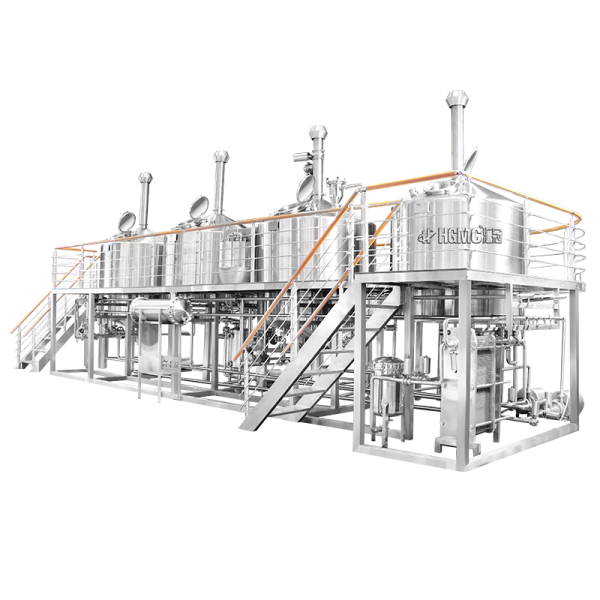
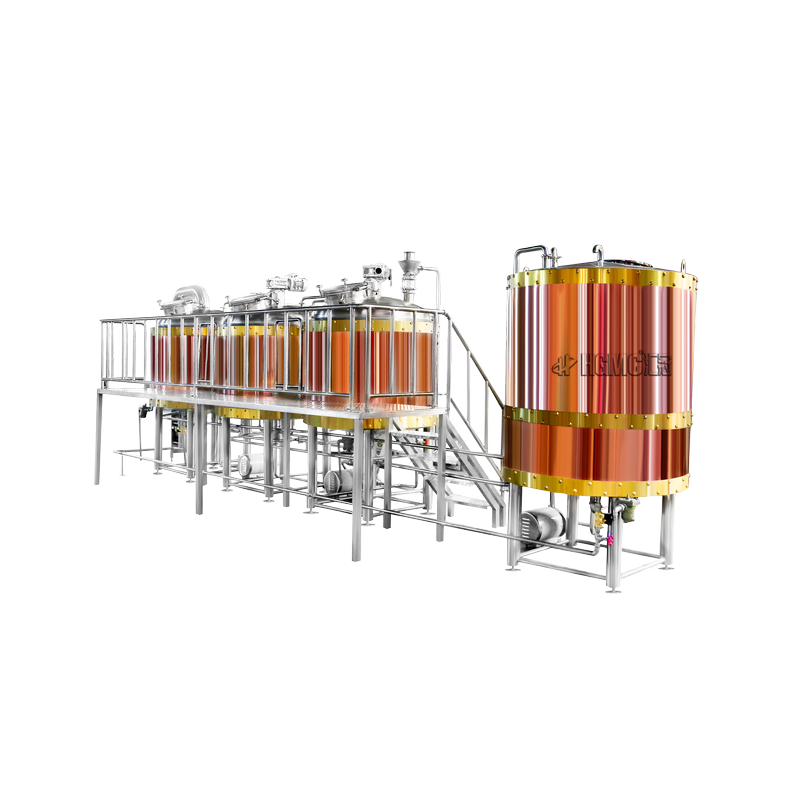
The brewhouse is where wort is made. It normally includes the mash tun, lauter tun, kettle, whirlpool, heat exchanger, pumps, and sanitary piping. The number of vessels and the way they are arranged should depend on the brewery’s size and brew schedule. A smaller brewery may need a compact layout, while a larger one may need more overlap between process steps.Fermentation and bright beer cellar
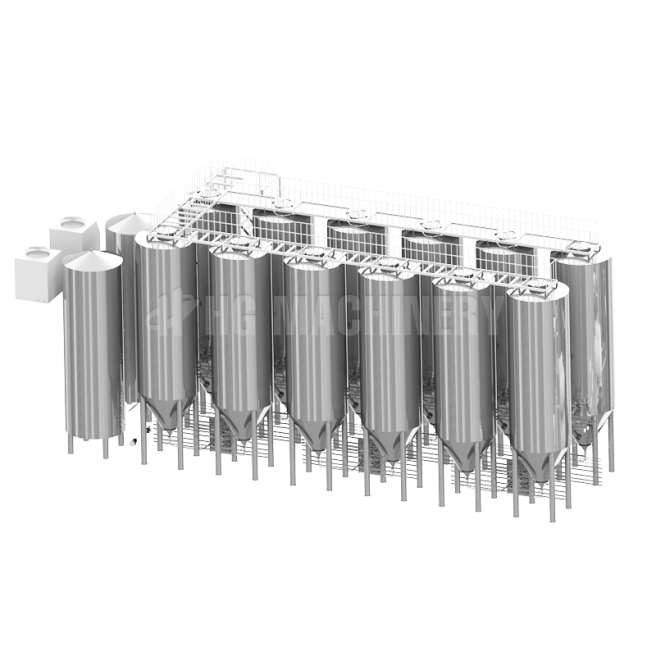
After wort leaves the brewhouse, it needs tanks for fermentation and conditioning. These tanks determine how much beer can actually move through the system. If the cellar is too small, the brewhouse becomes the bottleneck. If the tanks are not well arranged, daily work becomes slower and more difficult. A practical brewery solution always balances brewhouse output with cellar capacity.Cleaning system
Cleaning is not an extra feature. It is a core part of brewery operation. A proper brewery equipment solution includes a CIP setup, spray devices, cleaning circuits, and fittings that support safe sanitation. If cleaning is difficult, the brewery loses time and risks inconsistent beer quality.Cooling and control
Cooling and control keep the system stable. Fermentation tanks need temperature control. The brewhouse may need process control. Utilities need to be sized correctly. Without these supporting systems, the brewery cannot run consistently. They are not separate from the solution; they are part of it.4.How to think about brewery size and output
Every brewery equipment solution should begin with the same basic question: how much beer does the brewery need to make, and how often? That answer shapes everything else.
A small craft brewery may need flexibility more than speed. It may produce a few beer styles, change recipes often, and rely on a compact layout. A regional brewery may need more tank count, more stable production, and a better balance between flagship and seasonal beers. A larger brewery may need higher throughput, stronger utilities, and a more detailed control strategy.
The point is that brewery size should not be measured only in tank volume. It should also be measured in brew frequency, cellar turnover, cleaning time, staffing, and growth plans. A well-designed brewery equipment solution takes all of those factors into account before anyone chooses the final configuration.

5.Why layout is part of the solution
Many buyers think about equipment items first and layout later. In reality, layout is one of the most important parts of a brewery equipment solution. The way the brewery is arranged affects every part of daily work.A good layout should support:
- Clear flow from raw material to finished beer.
- Short and logical transfer routes.
- Easy access for cleaning and inspection.
- Safe movement for staff.
- Room for future growth.
6.What buyers should ask before making a decision
Before choosing a brewery equipment solution, buyers should ask practical questions that reveal whether the system fits their goals.- Does the brewhouse match the expected brew schedule?
- Is the cellar large enough for the beer portfolio?
- Can the cleaning system handle daily production?
- Are the cooling and control systems suitable for the fermentation plan?
- Does the layout work in the actual building?
- Can the brewery grow later without major redesign?
- Is the system easy for the team to learn and operate?
7.Why complete planning saves time and cost
A complete brewery equipment solution can save time and cost in several ways. First, it reduces compatibility problems. If the brewhouse, cellar, cleaning system, and utilities are designed together, there are fewer surprises during installation. Second, it reduces operational waste. A system built with the right tank sizes, flow paths, and cleaning routes usually runs more smoothly.
A complete plan also helps with long-term thinking. A brewery that expects growth can leave room for more tanks or stronger utilities later. That means the initial investment has more value. Instead of rebuilding the whole brewery after a few years, the business can expand in a more controlled way. That is one of the biggest advantages of a planned brewery equipment solution.
8.Where HGMC fits naturally
HGMC fits naturally into a brewery equipment solution because the brand is not just about individual equipment items. It is about helping breweries build a working system. That includes planning brewhouse and cellar layouts, thinking through cleaning and cooling needs, and aligning equipment with actual production goals.
For buyers, that matters because a brewery project is not just a purchase. It is a production system that has to work every day. HGMC’s value is strongest when the brewery needs practical equipment planning that connects the technical side with the operational side. In that sense, HGMC becomes part of the solution, not just a product name.
9.The value of planning the full system
A complete brewery equipment solution should make the brewery easier to run, not just bigger on paper. When the brewhouse, cellar, cleaning system, cooling, control, and layout are planned together, the brewery can work with fewer interruptions and less rework. That means cleaner production flow, steadier beer quality, and a team that can focus on brewing instead of constantly solving equipment problems.
For many buyers, this is the real value of a full brewery plan. It helps the business avoid hidden costs, keeps expansion options open, and gives the brewery a stronger operating base from the start.