Jul. 30, 2026
News
Brewing Equipment for Brewery Projects
1.What the equipment should do
When a business searches for brewing equipment for brewery, it is usually not looking for one machine. It is looking for a complete production setup that can turn an idea into a working brewery. That means the equipment must support brewing, fermentation, cleaning, cooling, and safe day‑to‑day operation as one connected system.
The best brewery equipment is not just about capacity. It must fit the building, match the production target, and work in a way that feels natural for the team. If the equipment is too small, too large, or badly arranged, the brewery will spend more time solving problems than making beer. That is why planning should start with the brewery process, not with a simple list of vessels.
2.Brewhouse planning
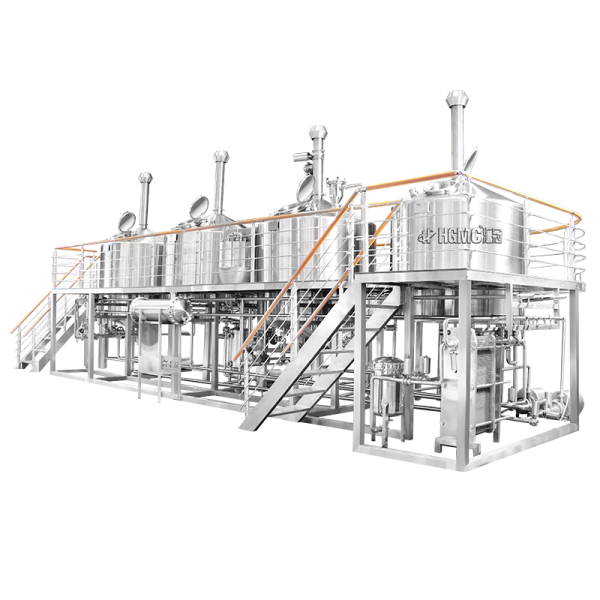
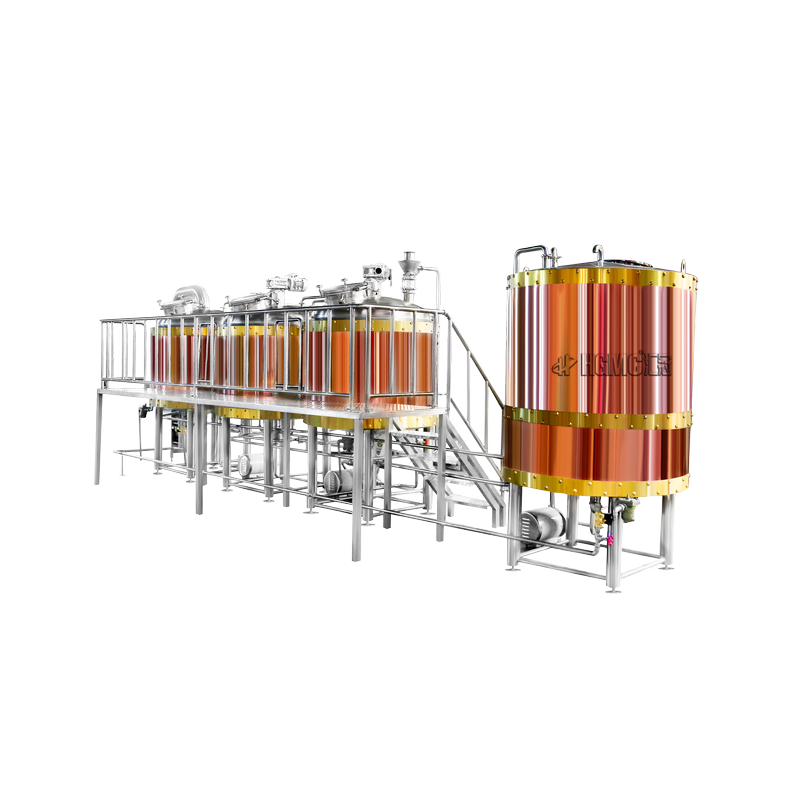
The brewhouse is the heart of brewing equipment for brewery projects. It is where water, malt, hops, and heat become wort. The choice of brewhouse affects how much beer can be made, how many brew days are possible, and how smoothly the whole plant will run.
A practical brewhouse decision should consider batch size, number of vessels, heating method, and transfer flow. Smaller breweries may use a simpler setup with fewer vessels, while larger operations may need a more flexible brewhouse that can handle overlapping steps. The goal is to make the brew day efficient without making the system harder to operate than necessary.
Brewhouse layout also matters. Pumps, valves, and access points should support a clean process flow. When the brewhouse is designed well, it helps the brewery work more consistently and reduces unnecessary labor.
3.Fermentation and cellar layout
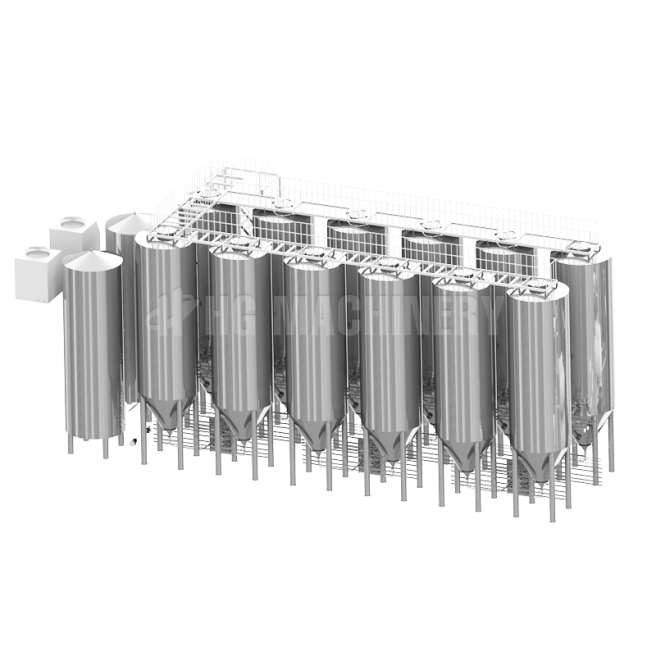
A brewhouse alone does not make a brewery work. The cellar is just as important in any brewing equipment for brewery plan. Fermentation tanks and bright beer tanks determine how much beer can actually move through the system and how much flexibility the brewery has in its schedule.
The cellar should answer a few basic questions. How many tanks are needed? What sizes fit the beer portfolio? How long does each beer stay in tank? Is there enough cooling capacity to keep all tanks stable? If these questions are not answered early, the brewery may end up with a bottleneck even if the brewhouse is large enough.
Tank arrangement also affects daily work. Brewers need clear access for sampling, transfers, and cleaning. A good cellar layout makes those tasks simple and keeps the brewery organized. That is especially important for breweries that produce several beers at the same time.
4.Cleaning and hygiene
Cleaning is one of the most important parts of brewing equipment for brewery use, even though it is often overlooked at the planning stage. A brewery can have strong vessels and a good brewhouse, but if cleaning is slow or unreliable, production will suffer.
A good cleaning system should reach all key tanks and lines, support repeatable cleaning cycles, and reduce manual work. That usually means the brewery needs a proper CIP setup, spray devices inside vessels, and a layout that makes cleaning routes logical. When cleaning is planned correctly, the brewery saves time and lowers the risk of hygiene problems.
Hygiene is not a side issue. It is part of production. If the equipment is difficult to clean, the whole brewery becomes harder to manage. That is why cleaning design should always be part of the main equipment plan.
5.Utility and control needs
Every brewing equipment for brewery project also depends on the utility systems behind the visible equipment. Cooling, heating, power, drainage, and control functions all affect whether the brewery can run steadily.
Cooling is especially important because fermentation tanks need stable temperatures. If the cooling system is too weak, fermentation quality can suffer. If it is planned well, the brewery can manage multiple tanks without stress.
Control systems also matter because they help operators see what is happening and keep the process stable.
This does not always mean the brewery needs the most complex automation available. In many cases, a clear and reliable control setup is more useful than a complicated one. The best system is the one the team can use confidently every day.
6.Choosing by brewery type
Not every brewery needs the same brewing equipment for brewery setup. The right choice depends on the business model.
A brewpub or taproom usually needs smaller batch sizes, flexible recipes, and a compact layout. A regional craft brewery often needs more tank capacity and better workflow planning. A larger commercial brewery may need stronger throughput, more control, and a more detailed utility system.
This is why buyers should not choose equipment by size alone. The equipment must match the way the brewery actually works. A system that is perfect for one business may be wrong for another. Thinking in terms of brewery type helps avoid expensive mistakes.
7.Why complete planning matters
Many breweries buy equipment in stages, but a complete plan is usually better for brewing equipment for brewery projects. When brewhouse, cellar, cleaning, and utilities are planned together, the system is easier to operate and more likely to perform well over time.
Complete planning helps with compatibility. It also makes installation smoother and gives the brewery room to grow later. If the equipment is designed as one system from the start, the team spends less time fixing avoidable problems and more time brewing.
That does not mean every item has to be installed at once. It means the brewery should know how each part fits into the whole project before buying anything. That thinking is what keeps the equipment useful over the long term.
8.Where HGMC fits naturally
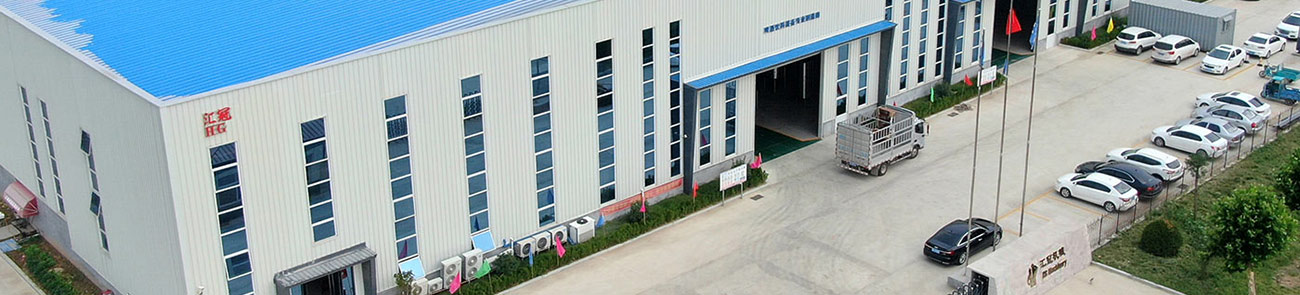
HGMC fits naturally into this kind of brewing equipment for brewery project as a partner that focuses on complete system planning. The value is not only in supplying stainless steel equipment, but in helping the brewery think through the full production flow.
That includes matching equipment to the site, aligning tank sizes with output goals, and making sure cleaning and utility planning are part of the design. For buyers, that kind of support matters because it reduces the chance of getting equipment that looks good in a quotation but does not work well in real production.
A good brewery equipment partner should help the buyer build a system that is practical, expandable, and easy to run. That is where a brand like HGMC becomes relevant in a natural way.