Jul. 30, 2026
News
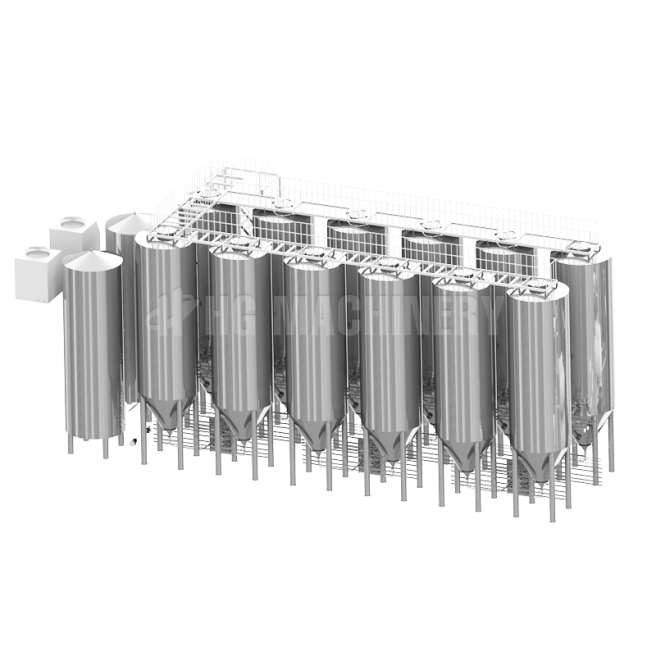
Craft Fermentation Tanks for Better Brewery Control
1.Why fermentation tanks matter in craft brewing
When a brewery searches for Craft fermentation tanks, it is usually trying to solve more than a storage problem. Fermentation tanks are where wort becomes beer, and that means they have a direct effect on flavor, aroma, clarity, and production rhythm. In a craft brewery, where recipes may change often and batch sizes are closely watched, the tank is not just a vessel. It is one of the main tools that shapes beer quality.
Craft breweries also tend to work with limited space and a wide range of beer styles. That makes tank choice especially important. The tank must fit the building, support the brewing schedule, and allow the team to manage different beers without creating unnecessary bottlenecks. Good tank planning helps a brewery stay flexible while still producing consistent beer.
2.What makes craft fermentation tanks different
Not all fermentation tanks are the same, and Craft fermentation tanks are usually designed with flexibility and daily use in mind. Compared with very large industrial tanks, craft tanks often need to support smaller batches, more frequent recipe changes, and tighter control over beer character.Tank shape and volume
Most craft breweries rely on cylindroconical tanks because they help with yeast settling and beer transfer. The size of the tank should match the batch size and the production rhythm. A tank that is too large may leave too much empty space, while a tank that is too small can slow production.Cooling performance
Craft beer often depends on stable fermentation temperatures. That means the cooling jackets, insulation, and temperature control points must be designed carefully. Good cooling helps the brewer keep yeast behavior steady and protects flavor.Access and fittings
A craft brewery usually needs regular sampling, dry hopping, and cleaning. That is why tank access, sample valves, manways, and ports matter so much. A tank that is difficult to reach or awkward to operate can slow down the whole cellar.3.How craft tanks affect brewery workflow
A good set of Craft fermentation tanks does more than hold beer during fermentation. It shapes the way the brewery works every day.Tank turnover
If fermentation tanks are sized and arranged properly, the brewery can move batches through the cellar in a steady rhythm. If the tanks are mismatched, the brewhouse may be ready to produce wort but have nowhere to send it.Beer variety
Craft breweries often produce several beers at the same time. That means the cellar must support different fermentation schedules and different tank uses. A thoughtful tank plan allows the brewery to keep core beers in production while making space for seasonal or experimental batches.Operational comfort
The way tanks are arranged also affects how easy the brewery is to run. If staff can reach valves, sample points, and transfer connections without difficulty, daily operations become faster and safer. That kind of practical layout matters as much as the tank itself.4.Choosing craft fermentation tanks by brewery size
The right Craft fermentation tanks depend on the size and type of brewery.Small craft breweries
Smaller breweries often need tanks that support flexible production and limited space. They usually care most about easy cleaning, clear access, and the ability to handle changing recipes.Growing regional breweries
These breweries often need more tank count, better balance between flagship and seasonal beers, and a layout that can support higher throughput. Tank planning becomes a mix of capacity and scheduling.Larger craft operations
Even at higher volume, craft breweries may still need variety. In that case, the tank farm should allow for different beer styles, consistent cleaning, and enough room for future expansion.The point is not to buy the largest tank available. It is to choose tanks that fit the actual brewing model. That is what keeps the cellar useful instead of restrictive.
5.Cleaning and hygiene in craft tanks
Cleaning is one of the most important parts of working with Craft fermentation tanks. A tank may look excellent on paper, but if it is difficult to clean, it will create problems in real production.
A good craft tank should support:
- Clean-in-place design.
- Smooth internal surfaces.
- Easy access for inspection and maintenance.
- Reliable drainage and cleaning flow.
- Repeatable sanitation routines.
6.Planning for fermentation styles and beer profiles
Different beer styles place different demands on Craft fermentation tanks. A lager fermentation may need tighter temperature control and longer tank occupancy. An ale may ferment faster but still require clean transfer and stable conditioning. Some craft beers may also need dry hopping or special additions during fermentation.
Because of that, craft tanks should support a range of brewing habits. The brewery may need enough flexibility to handle:
- Standard fermentation cycles.
- Dry hopping.
- Conditioning and maturation.
- Pressure-based transfer in some cases.
- Different beer styles with different timelines.
7.How to think about cost and value
When breweries compare Craft fermentation tanks, price is always part of the discussion. But the cheapest option is not always the best value. A tank that saves money at purchase but causes cleaning issues, temperature problems, or poor workflow may cost more over time.
It is more useful to think in terms of long-term value. A good tank should help the brewery:
- Keep beer quality stable.
- Reduce cleaning time.
- Support the production schedule.
- Fit the available space.
- Leave room for future growth.
8.Where HGMC fits naturally
HGMC fits naturally into this conversation as a brewery equipment partner that understands how Craft fermentation tanks fit into the full brewing system. The role is not just to supply tanks, but to help the brewery think through the cellar as part of the whole process.
That includes matching tank size to batch size, planning for cleaning and access, and considering how the cellar will grow over time. For craft breweries, that kind of support matters because the cellar has to support both creativity and consistency.
A brewery equipment partner should help make the tank system practical, not just impressive on a spec sheet. That is where HGMC becomes a natural fit for craft fermentation planning.
9.Final perspective for craft breweries
For any brewery building or upgrading Craft fermentation tanks, the key question is not simply how many tanks to buy. It is how the tanks will support the brewery’s style, workflow, and future plans.
When the tanks are planned well, they help the brewer manage fermentation more confidently, move beers through the cellar more efficiently, and maintain the flexibility that craft brewing depends on. In that sense, the right fermentation tanks are not just part of the brewery. They are part of the brewery’s identity.