Oct. 14, 2026
News
Beer Factory Cost: Commercial Brewery Equipment Guide
Planning a commercial beer factory requires a clear understanding of equipment investment, production capacity, installation requirements, and operating expenses. The total cost depends on the brewing process, equipment configuration, automation level, and facility conditions. A well-planned budget should cover the complete production system rather than focusing only on the brewhouse.
The main cost components include:
More complex configurations can allow different brewing operations to run in parallel, but they may also increase equipment and installation requirements.
Cooling and cleaning systems are equally important. Undersized auxiliary equipment can restrict production even when the brewhouse has sufficient capacity.
Our commercial brewery equipment range covers brewing systems and related equipment for different commercial production requirements. We consider the intended output and brewing process when determining a suitable equipment configuration.
When estimating capacity, consider the following factors:
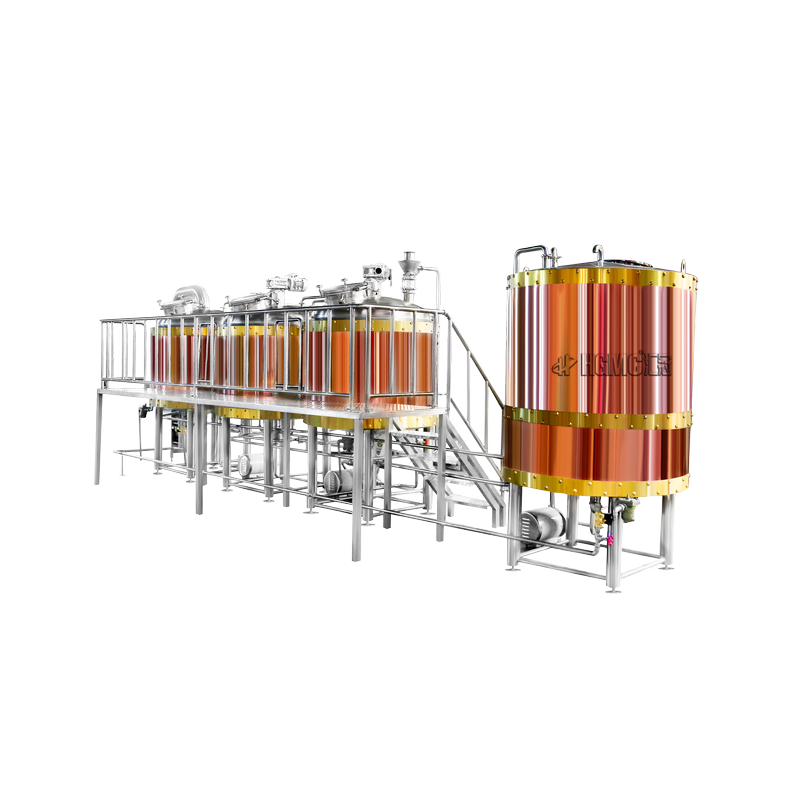
Our 500L microbrewery system includes the HG-500 model, specified at 500L per day. Available model options range from 600L to 5,000L per day. Depending on the selected configuration, heating options include steam, electric, or direct fire, with semi-automatic and fully automatic systems available.
Automation also influences the investment. Manual, semi-automatic, and fully automatic systems differ in control equipment, integration requirements, and operating procedures. We recommend selecting an automation level based on production volume, staffing, and consistency requirements.
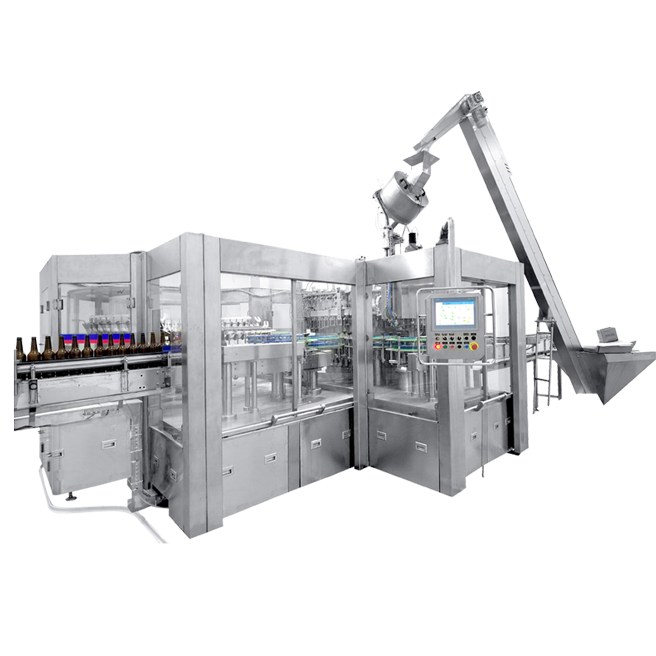
Packaging requirements are another consideration. A brewery supplying draft beer may need a different setup from one distributing bottled or canned products. These decisions should be made early because they affect equipment selection and overall project scope.
Before making a decision, confirm that the manufacturer can:
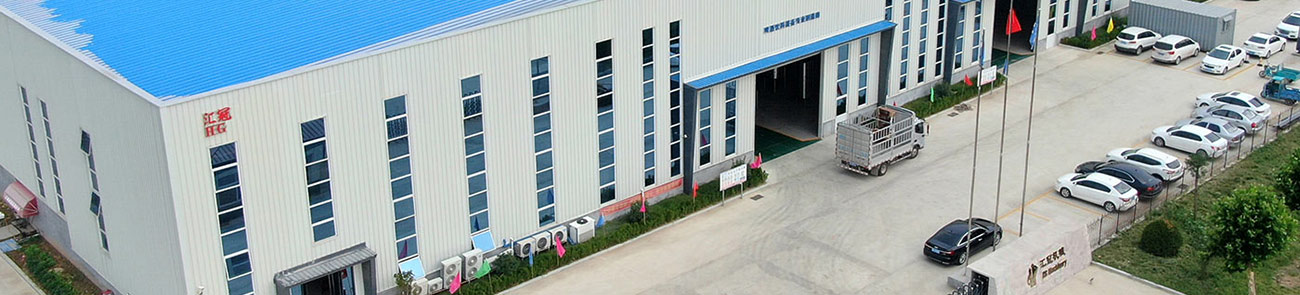
We have more than 30 nationally authorized patents and more than 20 high-tech achievements, and our equipment serves customers in more than 120 countries. We apply our manufacturing and engineering experience to developing practical equipment configurations for commercial brewing projects.At HGMC, we work with customers to identify suitable equipment and project configurations based on production capacity, available space, brewing requirements, and automation preferences.
To discuss your project, contact HGMC for a commercial brewery equipment quotation. Providing your target capacity, preferred heating method, packaging requirements, and installation location will help us evaluate your needs and prepare a relevant proposal.
What Does Beer Factory Cost Include?
Beer factory cost covers the equipment and supporting infrastructure required to establish a commercial brewing operation. The total investment varies according to production targets, facility conditions, and project scope.The main cost components include:
- Brewing equipment, including mash tuns, lauter tuns, brew kettles, and whirlpool tanks.
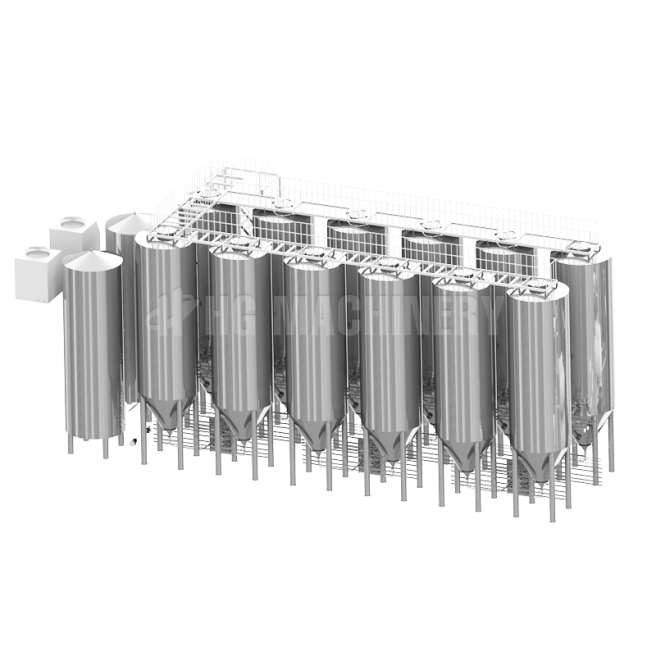
- Fermentation and storage equipment, including fermenters and bright beer tanks.
- Auxiliary systems, such as cooling, cleaning, water treatment, and process control.
- Packaging equipment for bottles, cans, or kegs, depending on the distribution model.
- Installation, transportation, piping, electrical connections, and commissioning.
- Facility preparation, including drainage, power supply, water supply, and other utility requirements.
Brewery Equipment Cost: Selecting the Right Brewing System
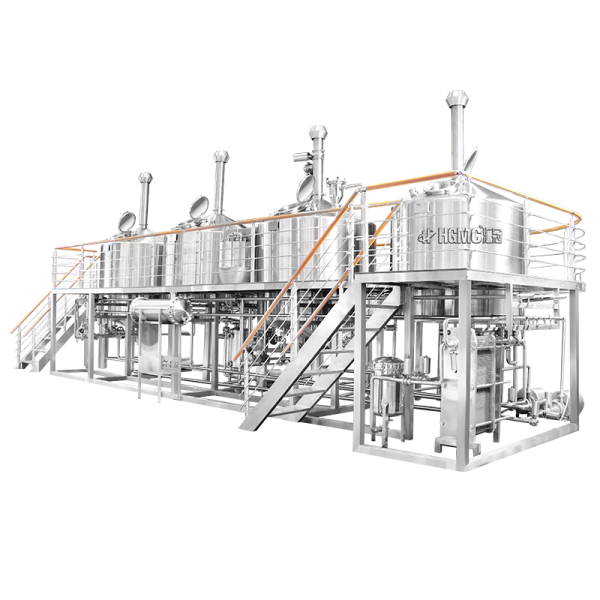
Equipment configuration is one of the main factors influencing the initial investment. The objective is to select a system that meets commercial production requirements without adding unnecessary equipment or limiting future expansion.Brewhouse configuration
A brewhouse may use a two-vessel, three-vessel, or four-vessel configuration. The right arrangement depends on batch size, brewing frequency, available space, and production efficiency.More complex configurations can allow different brewing operations to run in parallel, but they may also increase equipment and installation requirements.
Fermentation and auxiliary equipment
Fermentation capacity must support the planned brewing schedule. The number and size of fermenters should reflect batch volume, fermentation time, beer styles, and expected demand.Cooling and cleaning systems are equally important. Undersized auxiliary equipment can restrict production even when the brewhouse has sufficient capacity.
Our commercial brewery equipment range covers brewing systems and related equipment for different commercial production requirements. We consider the intended output and brewing process when determining a suitable equipment configuration.
How Production Capacity Affects Beer Factory Cost
Production capacity directly influences brewhouse size, fermentation tank requirements, utility demand, and packaging capacity. A realistic plan should account for both brewing output and the time required for fermentation and packaging.When estimating capacity, consider the following factors:
- Batch volume: The amount of wort produced during each brewing cycle.
- Brewing frequency: The number of batches required to meet production targets.
- Fermentation capacity: The tank volume needed to support the production schedule.
- Packaging output: The number of bottles, cans, or kegs required per hour.
- Expansion plans: Additional equipment that may be needed as demand grows.
Our 500L microbrewery system includes the HG-500 model, specified at 500L per day. Available model options range from 600L to 5,000L per day. Depending on the selected configuration, heating options include steam, electric, or direct fire, with semi-automatic and fully automatic systems available.
Key Factors That Influence Beer Factory Setup Cost
Even breweries with similar production targets can have different equipment costs because their technical requirements and operating environments differ.Equipment specifications and automation
Stainless steel specifications, vessel dimensions, fabrication requirements, and tank configurations affect equipment design and manufacturing costs.Automation also influences the investment. Manual, semi-automatic, and fully automatic systems differ in control equipment, integration requirements, and operating procedures. We recommend selecting an automation level based on production volume, staffing, and consistency requirements.
Utilities and facility requirements
Heating methods, electricity supply, water consumption, cooling capacity, and drainage requirements influence the supporting infrastructure. Existing buildings may also require modifications before equipment can be installed.Packaging requirements are another consideration. A brewery supplying draft beer may need a different setup from one distributing bottled or canned products. These decisions should be made early because they affect equipment selection and overall project scope.
Choosing a Brewery Equipment Manufacturer
Choosing the right manufacturer involves more than comparing initial quotations. Equipment specifications, engineering capabilities, system compatibility, and after-sales support can all influence the long-term value of a brewery investment.Before making a decision, confirm that the manufacturer can:
- Supply equipment matched to your commercial production capacity and brewing process.
- Provide clear technical specifications and equipment configurations.
- Coordinate auxiliary systems and utility requirements.
- Define delivery, installation, commissioning, and warranty responsibilities.
- Support realistic production targets and future expansion plans.
We have more than 30 nationally authorized patents and more than 20 high-tech achievements, and our equipment serves customers in more than 120 countries. We apply our manufacturing and engineering experience to developing practical equipment configurations for commercial brewing projects.At HGMC, we work with customers to identify suitable equipment and project configurations based on production capacity, available space, brewing requirements, and automation preferences.
To discuss your project, contact HGMC for a commercial brewery equipment quotation. Providing your target capacity, preferred heating method, packaging requirements, and installation location will help us evaluate your needs and prepare a relevant proposal.