Oct. 15, 2026
News
How to Choose Large Scale Fermentation Tanks for Commercial Breweries
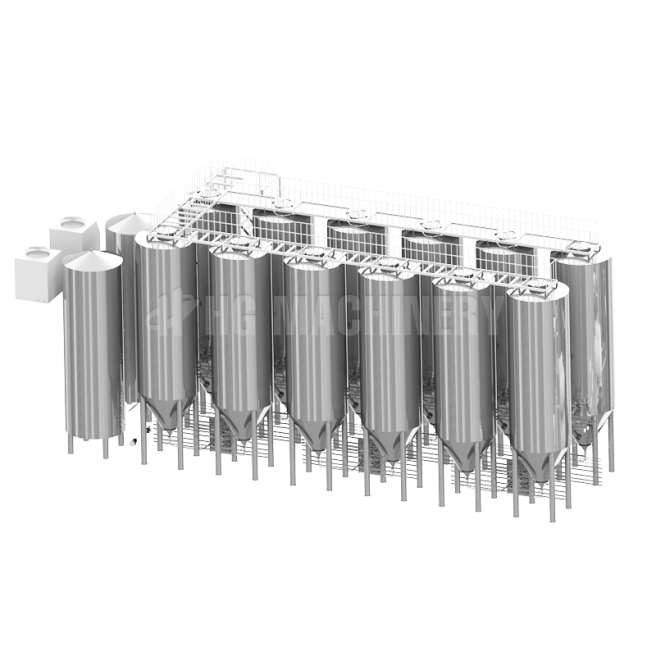
Choosing large scale fermentation tanks is an important decision for any commercial brewery. The right configuration affects production capacity, fermentation scheduling, beer consistency, and long-term operating efficiency.
However, tank selection involves more than choosing a large vessel. Breweries also need to consider working volume, cooling performance, cleaning requirements, available space, and compatibility with other brewing equipment. Understanding these factors helps you build a fermentation system that supports current production goals and future expansion.
For example, HGMC's 2,000L fermentation tank has a listed useful capacity of 2,000L and a gross capacity of 2,500L. This illustrates why buyers should compare both figures when evaluating equipment.
The required tank quantity also depends on how long each batch occupies a vessel. A brewery with longer fermentation and maturation cycles may need more tank capacity to maintain the same production output.
HGMC's listed fermentation tank specifications include SUS304 stainless steel. The appropriate material and surface finish should be confirmed against the brewery's product requirements, cleaning chemicals, and operating conditions.
HGMC lists jacket cooling, polyurethane insulation, temperature control, and CIP cleaning among the features available in its fermentation tank range. The final configuration should be selected according to tank size and operating requirements.
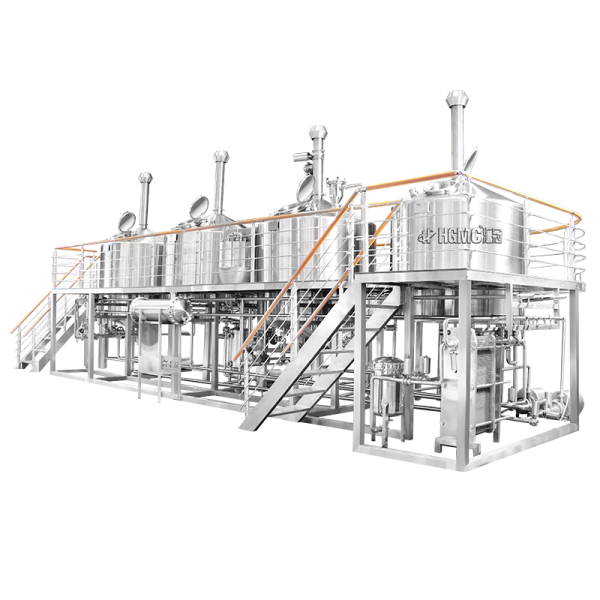
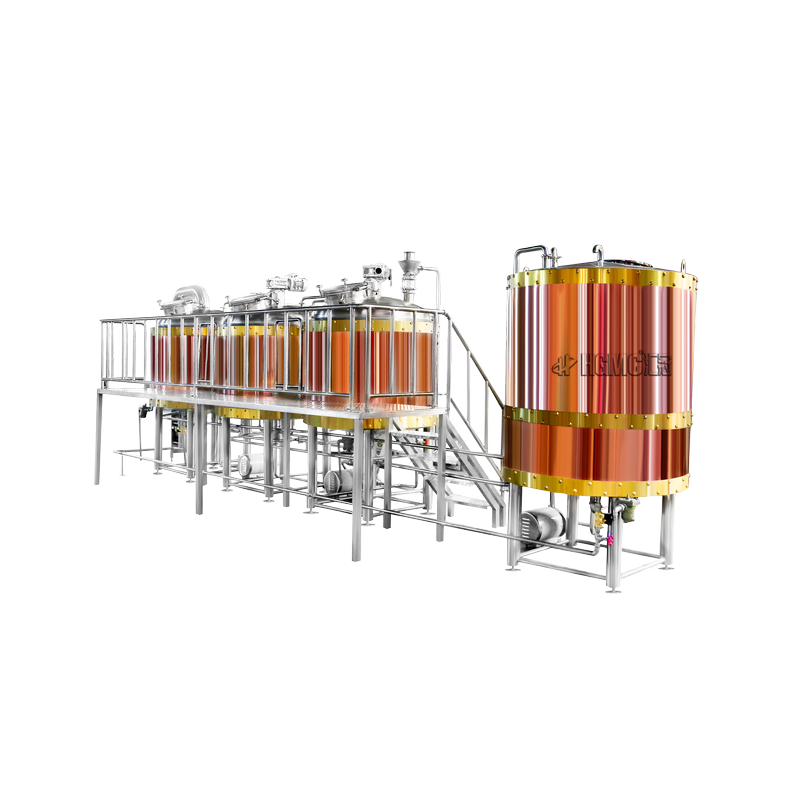
HGMC supplies fermentation tanks and a range of brewing equipment for different production capacities. For projects requiring coordinated equipment, explore the available commercial brewery equipment to understand how fermentation vessels can fit into a broader brewing configuration.
For project-specific recommendations and pricing, contact HGMC with your production requirements. The team can help assess suitable tank configurations and equipment options for your brewery.
However, tank selection involves more than choosing a large vessel. Breweries also need to consider working volume, cooling performance, cleaning requirements, available space, and compatibility with other brewing equipment. Understanding these factors helps you build a fermentation system that supports current production goals and future expansion.
Understanding Large Scale Fermentation Tanks in Commercial Brewing
Large scale fermentation tanks provide the capacity needed to manage commercial beer production across multiple batches. Their configuration depends on the brewery's output, beer styles, and production schedule.How Fermentation Tanks Support Production
- Batch management: Multiple tanks allow different batches to ferment on separate schedules.
- Product consistency: Controlled fermentation conditions help maintain consistent beer quality.
- Production planning: Sufficient tank capacity prevents fermentation from becoming a bottleneck.
- Operational efficiency: Suitable tank designs simplify yeast handling, cleaning, and routine operations.
Matching Fermentation Tank Capacity to Brewery Production Goals
Tank capacity should match the brewery's actual production schedule rather than its brewhouse capacity alone.Factors That Determine Tank Size
Consider the following factors before selecting a tank:- Batch volume: Determine how much wort enters each fermenter.
- Brewing frequency: Establish how often the brewhouse produces a new batch.
- Fermentation time: Account for the time required for fermentation and any subsequent maturation.
- Production targets: Calculate the volume needed to meet weekly and annual demand.
- Operating flexibility: Allow for different beer styles, cleaning cycles, and maintenance periods.
Working Volume vs. Gross Capacity
Working volume refers to the usable product capacity, while gross capacity represents the tank's total internal volume. The difference provides operating space for fermentation activity and process requirements.For example, HGMC's 2,000L fermentation tank has a listed useful capacity of 2,000L and a gross capacity of 2,500L. This illustrates why buyers should compare both figures when evaluating equipment.
The required tank quantity also depends on how long each batch occupies a vessel. A brewery with longer fermentation and maturation cycles may need more tank capacity to maintain the same production output.
Choosing the Right Fermentation Tank Design for Beer Production
Different tank designs support different brewing processes. The right choice depends on how the brewery handles fermentation, maturation, yeast, and beer transfer.Conical Fermenters
Conical fermenters feature a sloped bottom that helps collect yeast and sediment. This design can simplify yeast removal and support routine cellar operations.Unitanks
Unitanks combine fermentation and conditioning functions in one vessel when the design and operating requirements permit. They can reduce transfers between tanks and help make efficient use of available floor space.Features Worth Comparing
When comparing large scale fermentation tanks, review:- Cooling jacket configuration
- Pressure control and safety fittings
- Sampling and product transfer connections
- Yeast collection and discharge arrangements
- Cleaning access and CIP compatibility
Stainless Steel Fermentation Tanks and Hygienic Design
Material quality and hygienic construction are essential for commercial beer production. Tank design should support reliable cleaning, product protection, and long-term use.Stainless Steel and Surface Finish
Food-grade stainless steel is commonly used for brewery fermentation tanks because of its corrosion resistance, cleanability, and suitability for beverage processing.HGMC's listed fermentation tank specifications include SUS304 stainless steel. The appropriate material and surface finish should be confirmed against the brewery's product requirements, cleaning chemicals, and operating conditions.
Cleaning and Sanitation Features
Look for design features such as:- CIP spray devices for internal cleaning
- Suitable drain and product discharge arrangements
- Hygienic connections and accessible fittings
- Properly finished internal welds
- Insulation that supports temperature stability
Temperature Control and Cooling Systems for Large Fermentation Tanks
Fermentation generates heat, so temperature control becomes increasingly important as production volume grows. An effective cooling arrangement helps maintain the required fermentation conditions throughout each batch.Cooling Jacket and Temperature Monitoring
Cooling jackets transfer heat from the product to the cooling medium. Depending on the tank design, the system may use water or glycol cooling.HGMC lists jacket cooling, polyurethane insulation, temperature control, and CIP cleaning among the features available in its fermentation tank range. The final configuration should be selected according to tank size and operating requirements.
Matching Cooling Capacity to Production
When planning a multi-tank system, consider:- The number of tanks operating simultaneously
- The heat load during active fermentation
- The required temperature range for different beer styles
- Cooling system capacity and glycol distribution
- Temperature sensors and control arrangements
Planning Brewery Fermentation Systems and Choosing the Right Manufacturer
Large scale fermentation tanks must fit the physical layout and operating requirements of the entire brewery. Tank selection and manufacturer evaluation are therefore best handled as connected decisions.Planning the Brewery Layout
Before ordering equipment, confirm the following:- Ceiling height, access routes, and installation clearances
- Floor loading and tank support requirements
- Space for pipes, valves, and cooling connections
- Access for cleaning, inspection, and maintenance
- Connections to the brewhouse, CIP system, and other process equipment
Evaluating the Manufacturer
A suitable manufacturer should understand both individual tank requirements and the broader brewing process. Review its manufacturing capabilities, customization options, technical documentation, quality checks, delivery arrangements, and commissioning support.HGMC supplies fermentation tanks and a range of brewing equipment for different production capacities. For projects requiring coordinated equipment, explore the available commercial brewery equipment to understand how fermentation vessels can fit into a broader brewing configuration.
For project-specific recommendations and pricing, contact HGMC with your production requirements. The team can help assess suitable tank configurations and equipment options for your brewery.