Aug. 20, 2026
News
Automatic Brewery Equipment: Is It Worth It?
Automatic brewery equipment can improve process consistency, reduce repetitive manual work, and create a stronger foundation for commercial-scale growth. However, the right level of automation depends on a brewery’s planned output, beer portfolio, staffing structure, budget, and long-term expansion goals.
For a new commercial brewery, automation should not be treated as an all-or-nothing decision. The most practical approach is often to automate the process steps that affect beer quality, sanitation, safety, and production scheduling first. Then, the brewery can add more advanced controls as sales volume and brewing frequency increase.
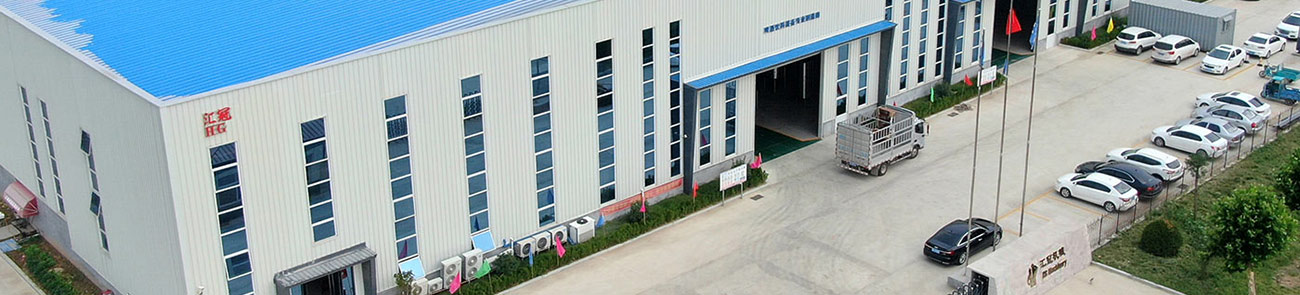
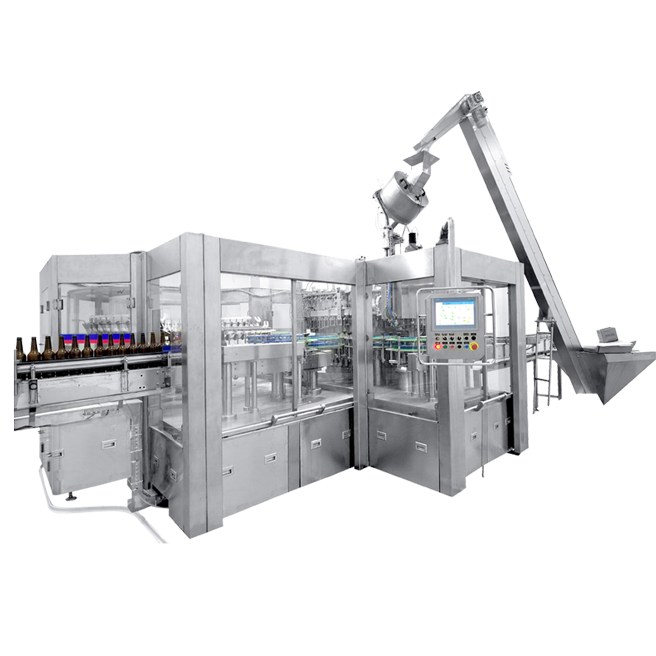
HGMC provides turnkey brewery solutions that can combine brewhouses, fermentation systems, filling lines, packaging equipment, and auxiliary systems into a coordinated production plan. The company supplies individual equipment as well as complete brewery projects, with products exported to more than 120 countries and manufactured in accordance with ISO9001:2015 quality management requirements.
What Is Automatic Brewery Equipment?
Automatic brewery equipment uses programmable controls, sensors, pumps, valves, and digital monitoring tools to perform or manage repeatable brewing tasks. Instead of relying on operators to manually control every temperature change, transfer, timer, and process step, an automated system follows defined settings and provides alerts when conditions require attention.
Depending on the configuration, automatic brewery equipment can support:
- Water measurement and flow control
- Mash temperature programs
- Wort recirculation and transfer control
- Boil timing and process reminders
- Cooling and heat-exchange monitoring
- Fermentation temperature control
- Tank pressure and level monitoring
- CIP cleaning programs
- Batch data collection and production records
Why Do Commercial Breweries Choose Automation?
The main reason to invest in automatic brewery equipment is not simply to make brewing look more advanced. It is to create a more predictable and manageable production process.Can Automation Improve Beer Consistency?
Brewing involves many repeatable parameters, including water volume, temperature, time, flow, pressure, and cleaning cycles. When these variables are handled differently from one batch to another, beer quality can become less consistent.
Automated controls can help standardize brewing routines by following the same programmed steps for each production batch. For breweries producing core brands regularly, this can make it easier to maintain consistent flavor profiles and process conditions as volume grows.
Consistency is especially important when a brewery sells beer through restaurants, taprooms, distributors, retail channels, or multiple locations. Customers expect the same beer experience every time they purchase a familiar product.
Can Automation Reduce Labor Pressure?
Automatic controls can reduce time spent on repetitive activities, such as checking temperatures, managing basic valve sequences, recording process data, and running defined cleaning cycles. This does not necessarily mean the brewery can eliminate brewing positions. Instead, automation can allow the team to focus more on production planning, yeast handling, quality checks, preventive maintenance, and customer-facing operations.
For a brewery with a tight team, reducing repetitive manual tasks can make daily production more manageable. It may also support a more stable brewing schedule when batch frequency increases.
Can Automation Support Safer Operations?
Commercial brewing involves hot liquids, steam or electric heating, pressurized vessels, pumps, cleaning chemicals, and process piping. Automated alarms, monitored temperature controls, tank-pressure signals, and standardized cleaning procedures can help operators identify abnormal conditions earlier.
A well-designed system should still be supported by proper operating procedures, staff training, preventive maintenance, and facility safety practices. Automation is a control tool, not a substitute for responsible brewery management.
Which Brewery Processes Should Be Automated First?
A new brewery does not need to automate every process immediately. The best starting point is to prioritize functions that directly influence beer quality, sanitation, and operational reliability.Why Is Fermentation Automation Important?
Fermentation is one of the most critical stages in beer production. Even a well-brewed wort can produce inconsistent results if fermentation temperatures or tank conditions are not properly controlled.
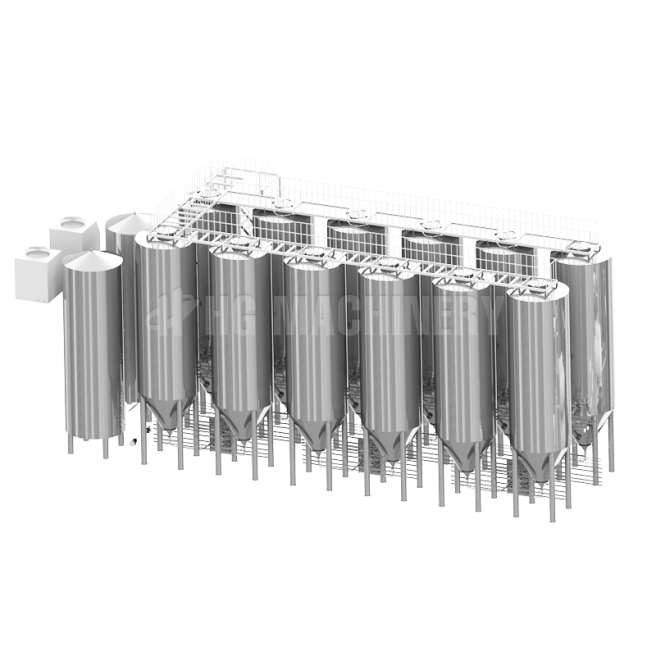
Commercial fermentation tanks support the controlled fermentation and conditioning of beer. When paired with temperature controls and cooling management, they help brewers maintain more stable conditions throughout the fermentation process.
A fermentation-focused automation plan may include:
- Programmable temperature control
- Glycol cooling management
- Tank temperature alarms
- Pressure monitoring
- Digital fermentation records
- Repeatable conditioning schedules
Why Should CIP Be Part of the Plan?
Cleaning-in-place, commonly called CIP, is another important area for practical automation. A programmable CIP system can support more repeatable cleaning cycles by controlling circulation time, temperature, and process sequence.
For breweries with regular production schedules, CIP automation can help reduce manual work while supporting consistent sanitation procedures. However, cleaning programs still need to be checked, validated, and maintained by trained brewery personnel.
When Does Brewhouse Automation Make Sense?
Brewhouse automation becomes more valuable when the brewery needs to repeat core recipes frequently, manage multiple batches, reduce manual process monitoring, or create a more predictable production schedule.
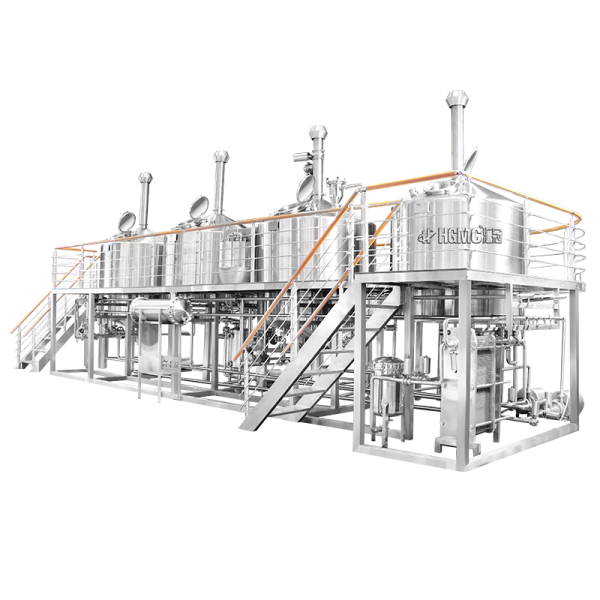
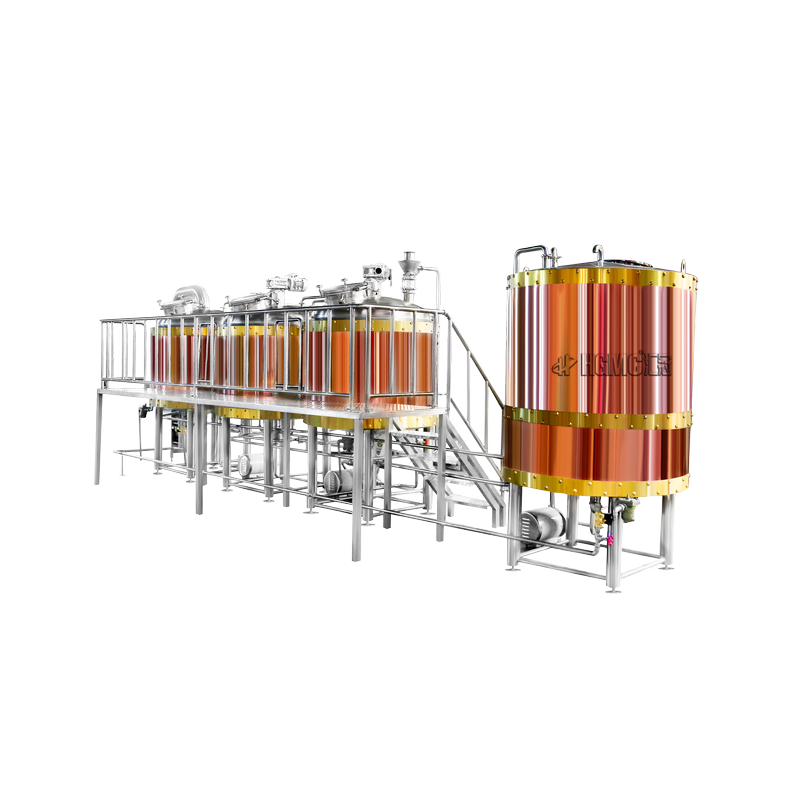
A commercial brewery brewhouse can be selected according to capacity requirements, vessel configuration, brewing frequency, and expected expansion. HGMC offers brewery equipment for different commercial production needs, enabling buyers to align brewhouse design with fermentation capacity, utility conditions, and future output targets.
For many new breweries, a semi-automatic brewhouse offers a balanced path. It can provide controlled mash programs, temperature monitoring, pumps, and selected automated valves while allowing brewers to remain closely involved in key production decisions.
Is Semi-Automatic or Fully Automatic Better?
What Does a Manual System Offer?
A manual system relies on hand-operated valves and operator-managed process steps. It can suit small commercial breweries or flexible pilot production because it offers lower initial cost and direct brewer control. However, it requires more routine labor and makes repeatable process execution more dependent on the operator.Why Choose a Semi-Automatic System?
A semi-automatic system typically includes temperature programs, PLC controls, selected valves, and CIP support. It is often a strong choice for new brewpubs and growing commercial breweries because it balances control, consistency, and capital investment. Brewers remain involved in important process steps while repetitive activities become easier to manage.When Does a Fully Automatic System Fit?
A fully automatic system may include automated valve systems, programmed brewing sequences, and wider process monitoring. It is generally more suitable for higher-volume breweries with stable production schedules. It can improve repeatability and reduce repetitive workloads, but it requires higher investment and more advanced maintenance capability.
The best option is the one that matches the brewery’s realistic production plan. Choosing the highest automation level without enough sales volume or operational need can tie up capital that may be more important for fermentation capacity, cooling systems, packaging, utilities, and working capital.
How Should a New Brewery Evaluate ROI?
The purchase price of automatic brewery equipment is only one part of the investment. A practical evaluation should consider the total operational effect over time.
A brewery can begin with this simple calculation:
Annual Benefit = Labor Value + Reduced Product Loss + Additional Production Margin + Operational Efficiency Value − Maintenance Cost
Simple Payback Period = Additional Automation Cost ÷ Annual Benefit
What Counts as Labor Value?
Labor value may come from fewer hours spent on routine monitoring, manual records, valve operation, and repeatable cleaning tasks. However, saved hours should only be considered a direct financial saving if they reduce overtime, avoid additional hiring, or allow the brewery to produce more sellable beer with the same team.Can Automation Reduce Product Loss?
Automation can help reduce avoidable process variation by maintaining programmed temperatures, timed steps, and defined cleaning procedures. The financial effect depends on the brewery’s batch size, annual output, product value, and actual rate of preventable loss.Does Higher Output Create More Revenue?
If automation helps a brewery run more batches, improve scheduling, or reduce downtime, it may support higher production output. This creates value only when demand exists and the brewery can sell the additional beer at a positive margin.What Maintenance Costs Should Be Included?
A realistic ROI estimate should include maintenance for sensors, valves, pumps, electrical components, control panels, and cooling systems. Operators also need training to use the system correctly and respond effectively when equipment needs attention.
HGMC offers services ranging from individual equipment supply to complete brewery construction and provides customized professional solutions for different project requirements. For new investors, technical support, documentation, installation coordination, commissioning, and training should be reviewed alongside the equipment specification.
When Is Automatic Brewery Equipment Worth the Investment?
Automatic brewery equipment is often worth the investment when a brewery has stable production goals, a clear market plan, and a need to improve process consistency or reduce repetitive operating pressure.
It is generally a strong fit for breweries that:
- Produce core beer brands on a regular schedule
- Plan to increase brewing frequency over time
- Need dependable fermentation temperature control
- Have limited staff managing multiple production tasks
- Want better process monitoring and batch records
- Require scalable equipment for future capacity growth
- Need to standardize operations across shifts or locations
What Should You Ask Before Buying?
Before choosing automatic brewery equipment, ask suppliers:- Can the system be upgraded as production volume grows?
- Which valves, sensors, pumps, and control components are included?
- Does the system provide temperature, pressure, flow, and batch-data monitoring?
- Can the supplier provide layout drawings, process drawings, electrical documentation, and utility requirements?
- What installation, commissioning, and operator training services are included?
- Which spare parts should be stocked for ongoing operation?
- How is technical support provided after installation?
- Can the equipment be configured around the brewery’s beer styles, batch frequency, and floor layout?
Make Automation a Scalable Investment
The best automatic brewery equipment strategy is one that fits the brewery’s present business model while leaving room for future growth. Rather than automating every function on day one, many new commercial breweries benefit from prioritizing fermentation control, reliable cooling, CIP, core process monitoring, and an expandable brewhouse.
HGMC supports brewery projects with integrated equipment solutions that can connect brewing, fermentation, filling, packaging, and auxiliary processes. By selecting equipment around real production targets rather than unnecessary complexity, brewery founders can build a more consistent, efficient, and scalable operation.