Aug. 14, 2026
News
How to Choose Craft Brewing Equipment
Choosing the right craft brewing equipment is one of the most important decisions for a commercial brewery. The equipment must support the intended beer styles, production volume, staffing level, available space, sales channels, and future growth plan.
A brewery does not need the largest system or the most automation to succeed. It needs a balanced system that can produce consistent beer efficiently. The right combination of brewhouse, fermentation tanks, cooling, cleaning, controls, and packaging equipment helps reduce bottlenecks and create a practical foundation for long-term growth.
HGMC craft brewing solutions are designed around commercial process needs, from compact brewpub projects to larger craft brewery operations. Before choosing equipment, define how much beer you plan to produce, how often you want to brew, and how the finished beer will be sold.
The core equipment normally includes:
A two-vessel system is typically compact and economical. It can work well for craft breweries with limited space, lower batch frequency, or a focused beer portfolio. It is often suitable for restaurant breweries and taproom-oriented projects.
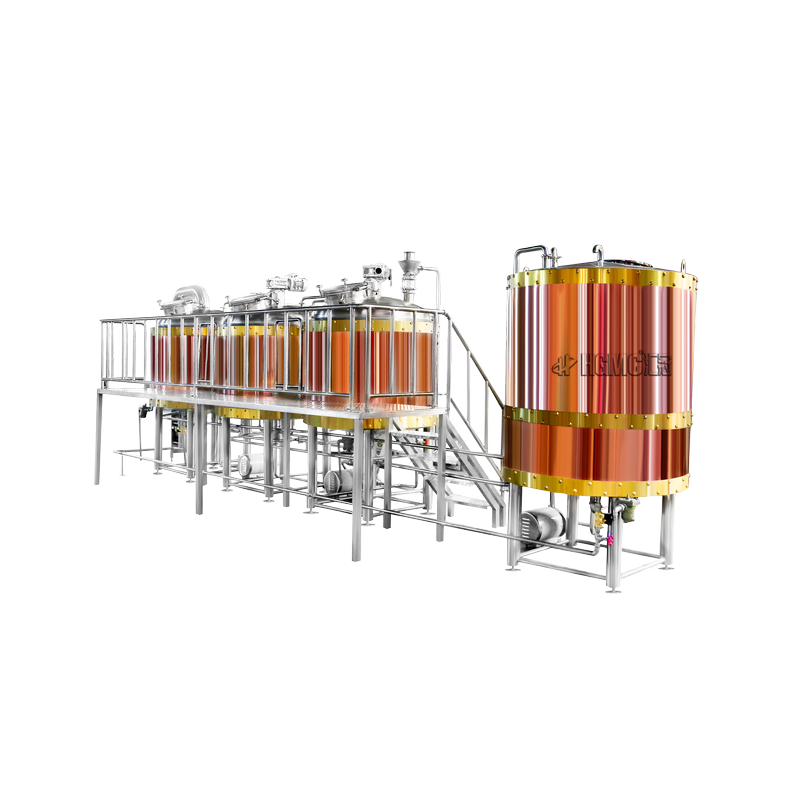
A three-vessel system separates more brewing functions, allowing better workflow and more flexible scheduling. It can be beneficial for breweries that want to brew more frequently or make a wider range of beer styles.
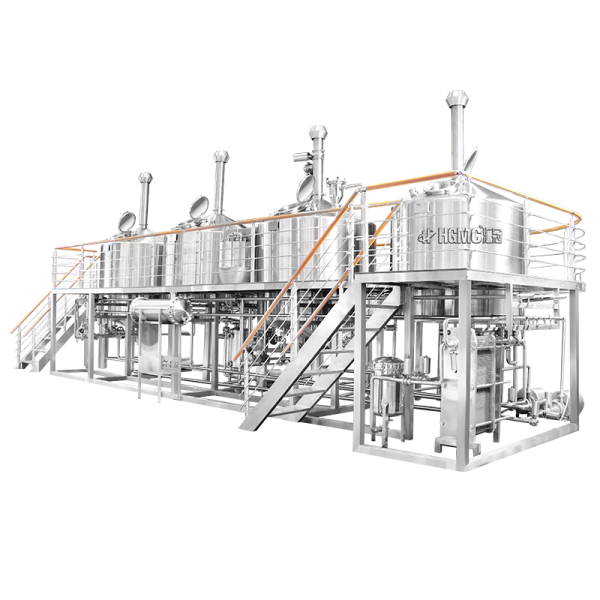
A four-vessel system provides the greatest level of flexibility. It can support higher output and more complex brewing schedules, but it also requires more investment, more space, and stronger utilities.
Craft brewhouse systems can be configured according to capacity, production frequency, heating method, automation, and available floor space. The best choice depends on real production requirements, not simply on the number of vessels.
A brewery should calculate fermentation needs based on:
A balanced system prevents the brewhouse from becoming idle because all fermentation tanks are occupied. It also prevents the brewery from overinvesting in a large cellar that is not supported by sales demand.
Manual systems may be suitable for smaller commercial breweries with experienced brewers who want direct process involvement. They can reduce initial investment but require more hands-on labor and strong operating discipline.
Semi-automatic systems can improve consistency by controlling key process functions such as temperature, pump operation, liquid transfer, and timing. They are often a practical choice for growing breweries that want better repeatability without excessive complexity.
Fully automatic systems can support frequent production, reduce repetitive tasks, and improve standardization. They may be appropriate for breweries with higher output targets or limited labor resources.
The goal of automation is not to replace brewing knowledge. It is to help brewers repeat successful processes, reduce manual errors, and improve operational efficiency.
The brewhouse heating method may use electricity, steam, or another suitable heat source. The right method depends on local energy availability, operating costs, installation conditions, production scale, and the brewery’s brewing schedule.
Cooling is equally important. Wort must be chilled quickly before yeast is added, and fermentation tanks must maintain stable temperatures throughout fermentation and maturation.
A glycol chiller should be sized according to the total tank volume, the number of tanks requiring cooling at the same time, ambient temperatures, and future expansion plans. Insufficient cooling capacity can limit production and affect beer quality.
Filtration or centrifugation may be useful when a brewery requires clear beer, improved stability, or faster clarification. However, some craft styles are intentionally hazy or unfiltered.
Yeast propagation equipment may be valuable for breweries that produce higher volumes, use multiple yeast strains, or want more control over yeast quality and consistency.
CO2 recovery equipment can collect carbon dioxide released during fermentation, purify it, and make it available for brewery use. It may support efficiency and sustainability in larger operations.
Each additional system should be evaluated according to production scale, product requirements, staffing, budget, and expected return on investment.
When evaluating suppliers, consider:
A brewery may begin with a moderate brewhouse and expand by adding fermentation tanks as sales increase. It may later add more glycol capacity, packaging equipment, filtration, or automated controls.
Expansion planning should include:
A brewery does not need the largest system or the most automation to succeed. It needs a balanced system that can produce consistent beer efficiently. The right combination of brewhouse, fermentation tanks, cooling, cleaning, controls, and packaging equipment helps reduce bottlenecks and create a practical foundation for long-term growth.
HGMC craft brewing solutions are designed around commercial process needs, from compact brewpub projects to larger craft brewery operations. Before choosing equipment, define how much beer you plan to produce, how often you want to brew, and how the finished beer will be sold.
What Equipment Does a Craft Brewery Need?
A commercial craft brewery usually requires a complete production system rather than individual standalone machines.The core equipment normally includes:
- Malt mill and grain handling system
- Brewhouse system
- Hot liquor tank and cold liquor tank
- Wort pump and plate heat exchanger
- Fermentation tanks
- Brite beer tanks
- Glycol chiller and cooling system
- CIP cleaning system
- Process piping, valves, and fittings
- Control system
- Keg cleaning and filling equipment
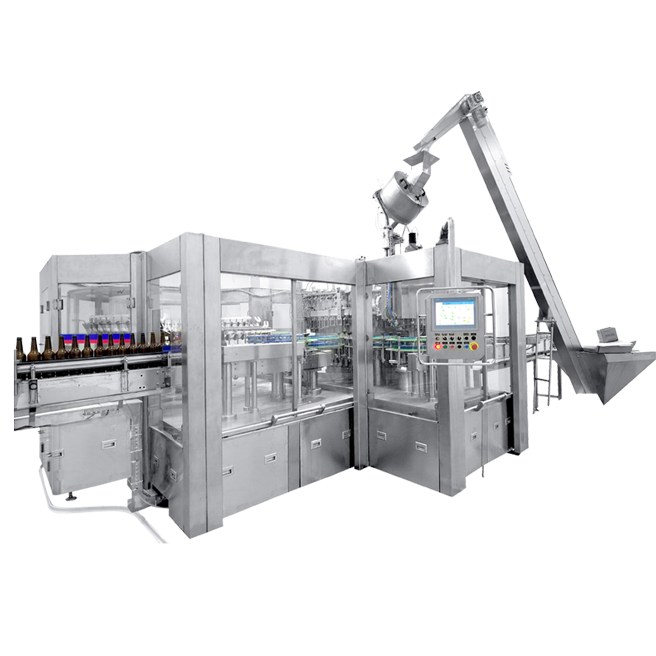
- Canning or bottling equipment where required
Should You Choose a Two-, Three-, or Four-Vessel Brewhouse?
Brewhouse configuration affects budget, production frequency, floor space, and brewing flexibility.A two-vessel system is typically compact and economical. It can work well for craft breweries with limited space, lower batch frequency, or a focused beer portfolio. It is often suitable for restaurant breweries and taproom-oriented projects.
A three-vessel system separates more brewing functions, allowing better workflow and more flexible scheduling. It can be beneficial for breweries that want to brew more frequently or make a wider range of beer styles.
A four-vessel system provides the greatest level of flexibility. It can support higher output and more complex brewing schedules, but it also requires more investment, more space, and stronger utilities.
Craft brewhouse systems can be configured according to capacity, production frequency, heating method, automation, and available floor space. The best choice depends on real production requirements, not simply on the number of vessels.
How Do You Match Brewhouse and Fermentation Capacity?
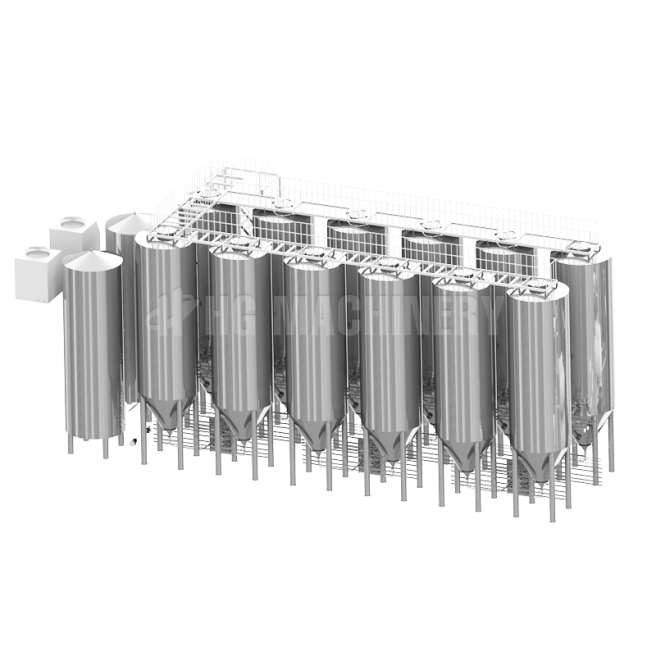
The brewhouse determines how much wort is produced in one batch. Fermentation tanks determine how much beer can remain in production during fermentation, maturation, and conditioning.A brewery should calculate fermentation needs based on:
- Brewhouse batch size
- Number of brews planned each week
- Fermentation duration
- Beer styles and maturation requirements
- Seasonal production changes
- Number of brands or recipes
- Packaging schedule and sales volume
A balanced system prevents the brewhouse from becoming idle because all fermentation tanks are occupied. It also prevents the brewery from overinvesting in a large cellar that is not supported by sales demand.
What Level of Automation Does a Craft Brewery Need?
Automation should match the brewery’s operating model.Manual systems may be suitable for smaller commercial breweries with experienced brewers who want direct process involvement. They can reduce initial investment but require more hands-on labor and strong operating discipline.
Semi-automatic systems can improve consistency by controlling key process functions such as temperature, pump operation, liquid transfer, and timing. They are often a practical choice for growing breweries that want better repeatability without excessive complexity.
Fully automatic systems can support frequent production, reduce repetitive tasks, and improve standardization. They may be appropriate for breweries with higher output targets or limited labor resources.
The goal of automation is not to replace brewing knowledge. It is to help brewers repeat successful processes, reduce manual errors, and improve operational efficiency.
How Do Heating and Cooling Affect Equipment Selection?
Heating and cooling are essential to commercial craft beer production.The brewhouse heating method may use electricity, steam, or another suitable heat source. The right method depends on local energy availability, operating costs, installation conditions, production scale, and the brewery’s brewing schedule.
Cooling is equally important. Wort must be chilled quickly before yeast is added, and fermentation tanks must maintain stable temperatures throughout fermentation and maturation.
A glycol chiller should be sized according to the total tank volume, the number of tanks requiring cooling at the same time, ambient temperatures, and future expansion plans. Insufficient cooling capacity can limit production and affect beer quality.
Do You Need Filtration, Yeast, and CO2 Systems?
Not all craft breweries need every auxiliary system at the start of the project.Filtration or centrifugation may be useful when a brewery requires clear beer, improved stability, or faster clarification. However, some craft styles are intentionally hazy or unfiltered.
Yeast propagation equipment may be valuable for breweries that produce higher volumes, use multiple yeast strains, or want more control over yeast quality and consistency.
CO2 recovery equipment can collect carbon dioxide released during fermentation, purify it, and make it available for brewery use. It may support efficiency and sustainability in larger operations.
Each additional system should be evaluated according to production scale, product requirements, staffing, budget, and expected return on investment.
How Should You Evaluate a Craft Brewery Equipment Supplier?
The right supplier should offer more than tanks and pumps. A commercial brewery project requires process knowledge, equipment quality, technical support, and project coordination.When evaluating suppliers, consider:
- Experience with commercial brewery projects
- Ability to provide customized equipment layouts
- Brewhouse, fermentation, cooling, and packaging integration
- Stainless-steel quality, weld quality, insulation, and sanitary design
- Automation and control-system capability
- Installation, commissioning, and operator training
- Warranty terms, spare parts, and after-sales support
- Ability to support future expansion
How Can You Plan for Future Growth?
Future expansion should be considered before the first equipment order is placed.A brewery may begin with a moderate brewhouse and expand by adding fermentation tanks as sales increase. It may later add more glycol capacity, packaging equipment, filtration, or automated controls.
Expansion planning should include:
- Space for additional tanks
- Future glycol and electrical capacity
- Drainage routes for new equipment
- Floor space for packaging expansion
- Pipework routes for additional vessels
- Control systems that can be upgraded later