Aug. 13, 2026
News
What Is the Commercial Beer Brewing Process?
The beer brewing process transforms malt, water, hops, and yeast into finished beer through a series of carefully controlled production stages. While recipes and beer styles differ, commercial breweries generally follow the same core process: milling, mashing, lautering, boiling, whirlpool separation, cooling, fermentation, maturation, and packaging.
Each stage has a direct effect on beer flavor, alcohol level, clarity, aroma, stability, and consistency. Commercial breweries must also manage sanitation, temperature, oxygen exposure, cleaning, and equipment performance throughout production.
HGMC brewing technology supports commercial breweries with integrated solutions for wort production, fermentation, cooling, cleaning, and packaging. Understanding how each process stage works helps brewery owners choose equipment that fits their beer styles and production plans.
Malt provides fermentable sugars and contributes color, body, foam, and flavor. Barley malt is most common, but wheat, rye, oats, and other grains may also be used in commercial beer production.
Water makes up most of the finished beer. Its mineral composition can affect mash pH, bitterness perception, mouthfeel, and flavor balance. Many breweries use water treatment to achieve more stable and repeatable brewing conditions.
Hops contribute bitterness, aroma, and flavor. Brewers can add hops at different points during boiling and whirlpooling to produce different results. Early additions typically provide more bitterness, while later additions often preserve more aroma.
Yeast performs fermentation. It converts wort sugars into alcohol and carbon dioxide while creating flavor compounds that influence the final beer style.
The goal is not to grind malt into flour. Over-milling can damage the grain husks and create problems during filtration. Under-milling can reduce sugar extraction and lower brewing efficiency.
A commercial milling system should produce a consistent crush and move grain efficiently into the brewhouse. Good milling improves later mashing and lautering performance while helping the brewery achieve more predictable results.
Temperature is important during mashing because different temperature ranges influence the sugar composition of the wort. Lower mash temperatures may create a more fermentable wort and a drier finished beer. Higher temperatures can produce more body and residual sweetness.
Brewers also control mash time, water-to-grain ratio, and temperature changes according to the recipe. These decisions influence alcohol content, mouthfeel, and the balance between sweetness and dryness.
The grain bed acts as a filter. Wort passes through the grain and is collected below, while hot water is sprayed over the grain bed to rinse remaining sugars. The objective is to recover fermentable extract efficiently without extracting unwanted tannins or solids.
The spent grain is removed after filtration. The wort then moves to the kettle for boiling.
First, it sterilizes the wort before fermentation. This helps protect the beer from unwanted microorganisms.
Second, boiling allows brewers to add hops. Heat extracts bitter compounds from the hops and helps establish the intended flavor balance.
Third, boiling removes unwanted volatile compounds, concentrates the wort, and coagulates proteins. These reactions can support improved beer clarity and stability.
Boil time, evaporation rate, hop additions, and heating intensity should be controlled carefully. A consistent boiling process helps commercial breweries repeat the same beer profile from batch to batch.
This separation helps deliver cleaner wort to the fermentation stage. It can also be used for late hop additions when the brewer wants more aroma without a long boiling exposure.
After whirlpooling, the hot wort must be cooled quickly. A plate heat exchanger transfers heat from the wort to cold water or glycol, reducing the temperature to the correct level for yeast.
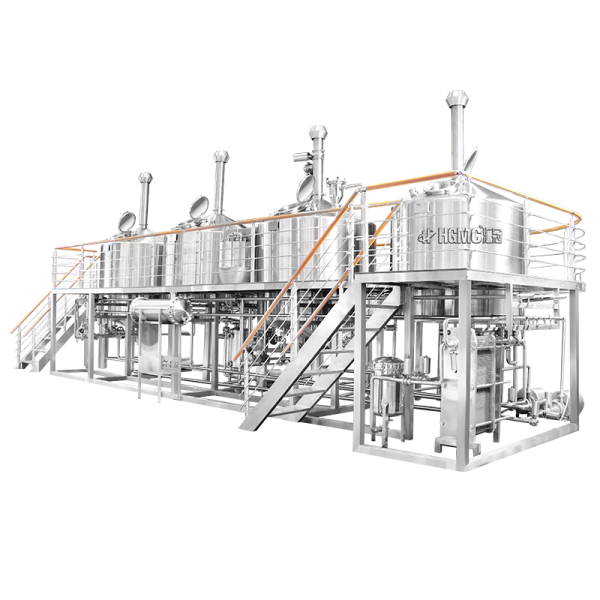
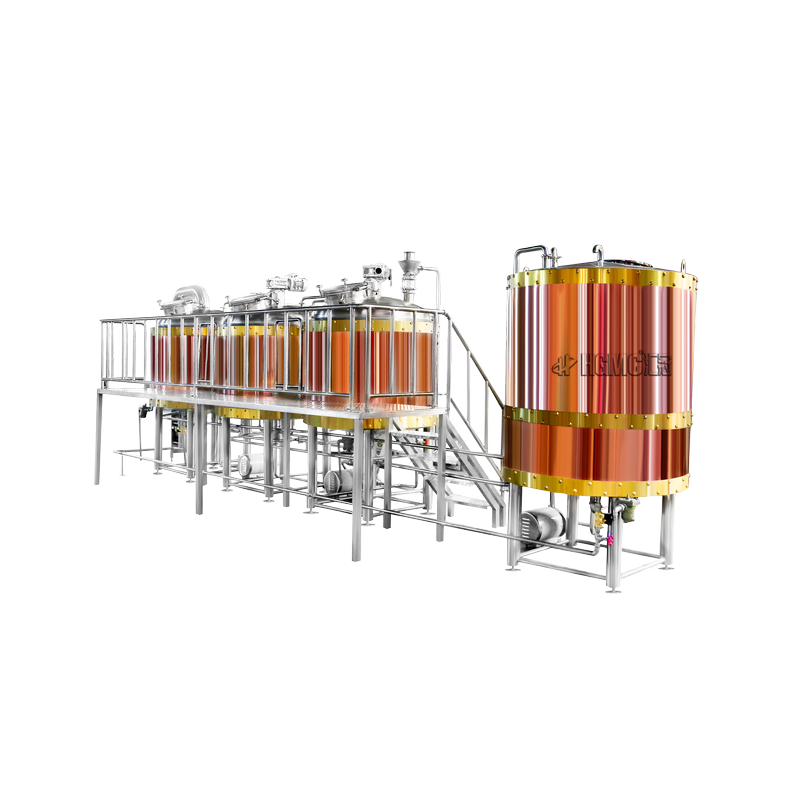
Brewhouse equipment brings these hot-side stages together in a controlled production system. A suitable configuration helps breweries manage mashing temperatures, lautering, boiling, whirlpool separation, and wort transfer more efficiently.
Fermentation conditions vary by beer style. Ale yeast generally performs at warmer temperatures than lager yeast, while different strains may create fruity, spicy, clean, or complex profiles.
Temperature control is critical. If temperature rises too high or drops too low, fermentation may become inconsistent and affect flavor. Commercial fermentation tanks use cooling jackets and controls to maintain stable conditions throughout the process.
After primary fermentation, beer may remain in the tank for maturation. During this stage, yeast settles, flavors become more balanced, and the beer develops greater stability.
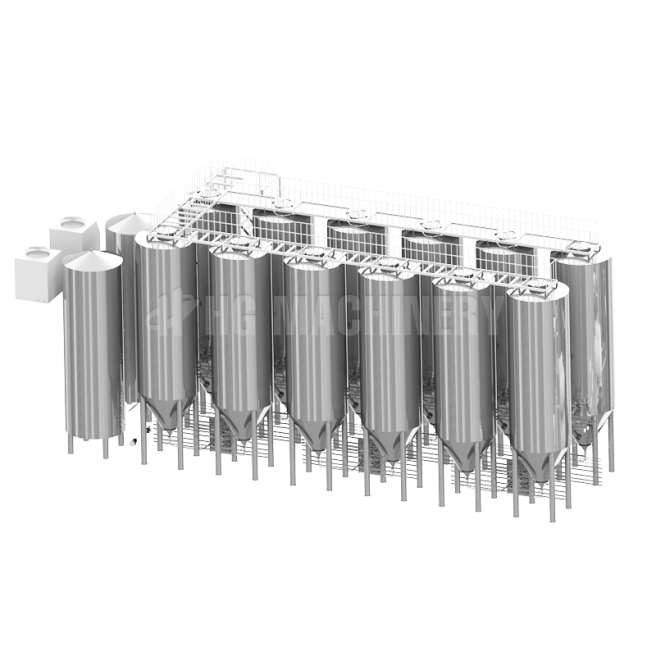
Cone-bottom tank designs allow brewers to collect or remove yeast efficiently. Cooling jackets help maintain the correct fermentation temperature. Pressure-rated construction can support carbonation and controlled transfer to brite tanks or packaging equipment.
HGMC fermentation tanks can be configured for different brewery capacities and process requirements. The tank quantity should be planned according to brewhouse size, beer styles, fermentation time, maturation needs, and sales volume.
Kegs are commonly used for taprooms, restaurants, bars, and draft distribution. Cans can be suitable for retail sales and regional distribution because they are lightweight and protect beer from light. Bottles may be selected for particular markets or premium packaging requirements.
Before packaging, some breweries use brite tanks for final clarification and carbonation. Others may use filtration or centrifugation, depending on the beer style and clarity requirements.
A CIP system helps clean tanks, piping, pumps, and process equipment with controlled cleaning cycles. Temperature monitoring, pressure control, flow management, and maintenance also help improve process reliability.
A well-designed commercial brewery combines hot-side production, fermentation, cleaning, cooling, and packaging into one controlled process. By selecting suitable beer fermentation tanks, breweries can improve consistency, manage beer quality, and create a stronger foundation for long-term production.
Each stage has a direct effect on beer flavor, alcohol level, clarity, aroma, stability, and consistency. Commercial breweries must also manage sanitation, temperature, oxygen exposure, cleaning, and equipment performance throughout production.
HGMC brewing technology supports commercial breweries with integrated solutions for wort production, fermentation, cooling, cleaning, and packaging. Understanding how each process stage works helps brewery owners choose equipment that fits their beer styles and production plans.
What Ingredients Are Used to Make Beer?
Beer production begins with four essential ingredients.Malt provides fermentable sugars and contributes color, body, foam, and flavor. Barley malt is most common, but wheat, rye, oats, and other grains may also be used in commercial beer production.
Water makes up most of the finished beer. Its mineral composition can affect mash pH, bitterness perception, mouthfeel, and flavor balance. Many breweries use water treatment to achieve more stable and repeatable brewing conditions.
Hops contribute bitterness, aroma, and flavor. Brewers can add hops at different points during boiling and whirlpooling to produce different results. Early additions typically provide more bitterness, while later additions often preserve more aroma.
Yeast performs fermentation. It converts wort sugars into alcohol and carbon dioxide while creating flavor compounds that influence the final beer style.
How Is Malt Prepared Before Brewing?
Before brewing begins, malt is milled. Milling breaks the grain into smaller particles so that water can reach the starch inside during mashing.The goal is not to grind malt into flour. Over-milling can damage the grain husks and create problems during filtration. Under-milling can reduce sugar extraction and lower brewing efficiency.
A commercial milling system should produce a consistent crush and move grain efficiently into the brewhouse. Good milling improves later mashing and lautering performance while helping the brewery achieve more predictable results.
What Happens During Mashing?
Mashing is the first major hot-side brewing stage. Crushed malt is mixed with hot water in the mash vessel. Natural enzymes in the malt convert starches into fermentable sugars.Temperature is important during mashing because different temperature ranges influence the sugar composition of the wort. Lower mash temperatures may create a more fermentable wort and a drier finished beer. Higher temperatures can produce more body and residual sweetness.
Brewers also control mash time, water-to-grain ratio, and temperature changes according to the recipe. These decisions influence alcohol content, mouthfeel, and the balance between sweetness and dryness.
How Is Wort Separated From the Grain?
After mashing, the brewery separates the sweet liquid wort from the spent grain. This process is called lautering.The grain bed acts as a filter. Wort passes through the grain and is collected below, while hot water is sprayed over the grain bed to rinse remaining sugars. The objective is to recover fermentable extract efficiently without extracting unwanted tannins or solids.
The spent grain is removed after filtration. The wort then moves to the kettle for boiling.
Why Is Wort Boiled?
Boiling performs several essential functions in the beer brewing process.First, it sterilizes the wort before fermentation. This helps protect the beer from unwanted microorganisms.
Second, boiling allows brewers to add hops. Heat extracts bitter compounds from the hops and helps establish the intended flavor balance.
Third, boiling removes unwanted volatile compounds, concentrates the wort, and coagulates proteins. These reactions can support improved beer clarity and stability.
Boil time, evaporation rate, hop additions, and heating intensity should be controlled carefully. A consistent boiling process helps commercial breweries repeat the same beer profile from batch to batch.
What Happens During Whirlpooling and Cooling?
After boiling, wort enters the whirlpool. The liquid is circulated to create a spinning motion that gathers hop particles, proteins, and other solids into a central cone.This separation helps deliver cleaner wort to the fermentation stage. It can also be used for late hop additions when the brewer wants more aroma without a long boiling exposure.
After whirlpooling, the hot wort must be cooled quickly. A plate heat exchanger transfers heat from the wort to cold water or glycol, reducing the temperature to the correct level for yeast.
Brewhouse equipment brings these hot-side stages together in a controlled production system. A suitable configuration helps breweries manage mashing temperatures, lautering, boiling, whirlpool separation, and wort transfer more efficiently.
How Does Fermentation Turn Wort Into Beer?
Once the wort has been cooled, it is transferred into a fermentation tank and yeast is added. The yeast consumes fermentable sugars and produces alcohol, carbon dioxide, and flavor-active compounds.Fermentation conditions vary by beer style. Ale yeast generally performs at warmer temperatures than lager yeast, while different strains may create fruity, spicy, clean, or complex profiles.
Temperature control is critical. If temperature rises too high or drops too low, fermentation may become inconsistent and affect flavor. Commercial fermentation tanks use cooling jackets and controls to maintain stable conditions throughout the process.
After primary fermentation, beer may remain in the tank for maturation. During this stage, yeast settles, flavors become more balanced, and the beer develops greater stability.
How Are Beer Fermentation and Maturation Controlled?
Commercial beer fermentation tanks are designed to support temperature control, pressure management, yeast handling, carbonation, and sanitary cleaning.Cone-bottom tank designs allow brewers to collect or remove yeast efficiently. Cooling jackets help maintain the correct fermentation temperature. Pressure-rated construction can support carbonation and controlled transfer to brite tanks or packaging equipment.
HGMC fermentation tanks can be configured for different brewery capacities and process requirements. The tank quantity should be planned according to brewhouse size, beer styles, fermentation time, maturation needs, and sales volume.
How Is Beer Packaged?
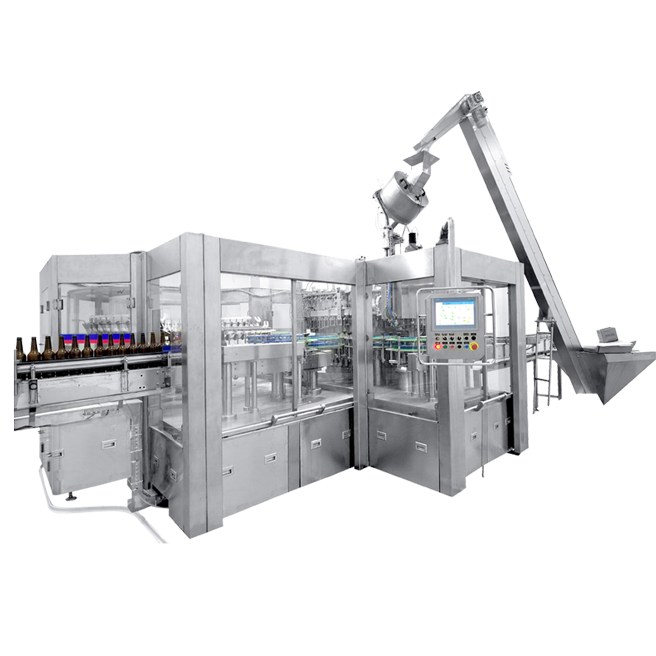
Once beer is mature and stable, it can be transferred into kegs, cans, or bottles. Packaging should be completed under clean conditions with careful oxygen management.Kegs are commonly used for taprooms, restaurants, bars, and draft distribution. Cans can be suitable for retail sales and regional distribution because they are lightweight and protect beer from light. Bottles may be selected for particular markets or premium packaging requirements.
Before packaging, some breweries use brite tanks for final clarification and carbonation. Others may use filtration or centrifugation, depending on the beer style and clarity requirements.
Why Is Cleaning and Process Control Essential?
Sanitation is critical in every commercial brewery. Equipment must be cleaned thoroughly between batches to prevent contamination and protect beer quality.A CIP system helps clean tanks, piping, pumps, and process equipment with controlled cleaning cycles. Temperature monitoring, pressure control, flow management, and maintenance also help improve process reliability.
A well-designed commercial brewery combines hot-side production, fermentation, cleaning, cooling, and packaging into one controlled process. By selecting suitable beer fermentation tanks, breweries can improve consistency, manage beer quality, and create a stronger foundation for long-term production.