Aug. 13, 2026
News
Beer Brewing Equipment Price: What Should You Budget?
When researching beer brewing equipment price, commercial buyers often expect one simple number. In reality, brewery equipment costs depend on far more than brewhouse capacity. The final investment is shaped by production goals, vessel configuration, fermentation volume, automation, heating method, packaging requirements, factory utilities, and installation scope.
A small commercial brewery may require a compact setup with a basic brewhouse and several tanks. A larger project may need a multi-vessel brewhouse, a substantial fermentation cellar, automated controls, a stronger glycol system, and a canning or bottling line. The right budget should therefore cover the complete production process rather than only the hot-side equipment.
HGMC commercial brewery solutions can be configured for different production capacities, from compact craft brewery projects to larger commercial beer production facilities. A clear process plan helps buyers invest in the systems they need now while preserving a practical path for future expansion.
A compact 100–500 L commercial system can be appropriate for a brewpub, restaurant brewery, or taproom-focused project. The typical configuration may include a brewhouse, fermentation tanks, a glycol chiller, a heat exchanger, process pumps, and essential piping. The investment increases when the project includes more tank capacity, automation, or packaging equipment.
A 500–2,000 L brewery is often selected by businesses serving local bars, restaurants, taprooms, and regional distributors. This scale usually requires more fermentation capacity, larger utilities, a more complete CIP system, and better control over the brewing process. At this stage, buyers should also consider how often they want to brew each week and how long each beer style will occupy a tank.
For projects above 2,000 L per batch, brewery equipment planning becomes more complex. Larger production systems may require automated process control, centralized cleaning, higher-capacity refrigeration, more sophisticated material handling, filtration, and packaging equipment. The budget can increase significantly if the brewery intends to package beer at high speed in cans or bottles.
A commercial brewery commonly needs:
A two-vessel system is often compact and cost-effective. It can suit breweries with limited floor space, lower brewing frequency, or a smaller startup budget. It can still produce high-quality beer when designed properly and operated with a clear brewing schedule.
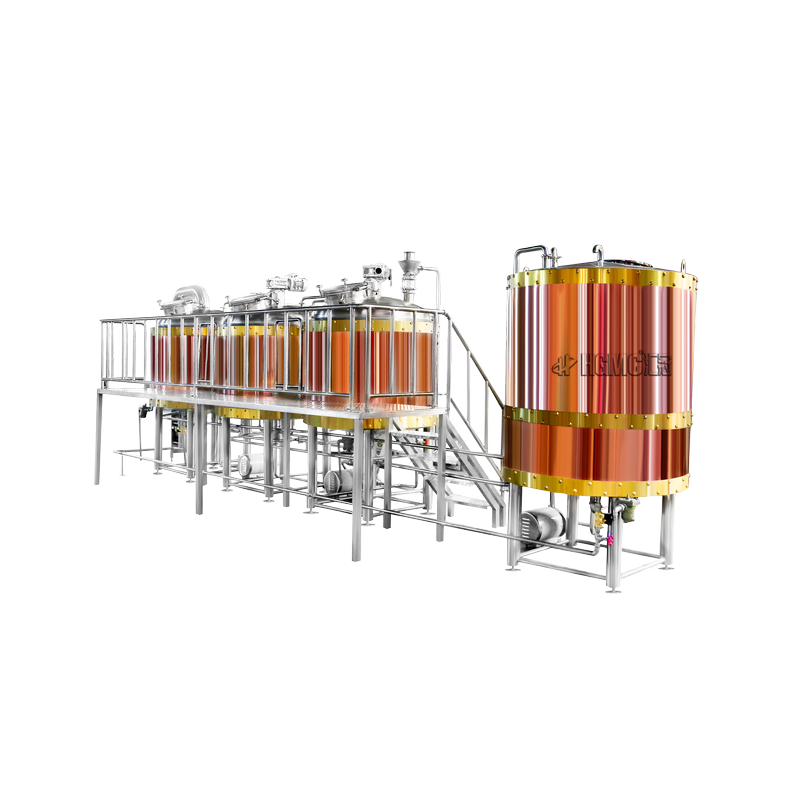
A three-vessel brewhouse separates more process functions, improving workflow and allowing brewers to complete multiple tasks more efficiently. It can be a good choice for breweries that need more production flexibility or plan to brew multiple batches per day.
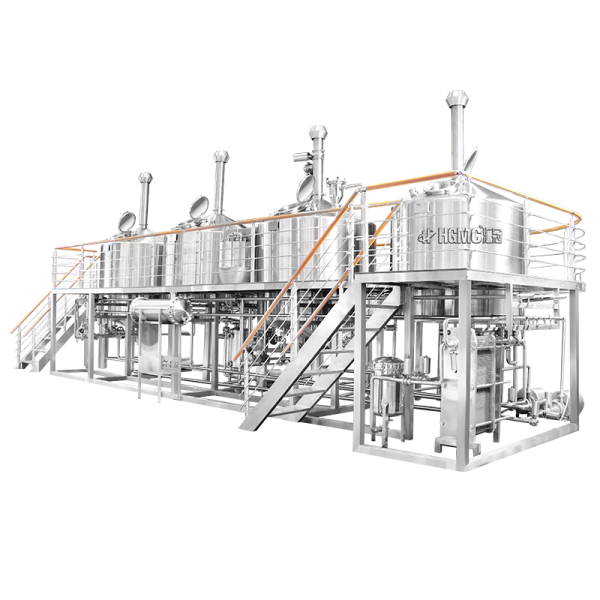
A four-vessel brewhouse is normally selected for projects requiring higher throughput, complex brewing schedules, or a wider beer portfolio. It can offer more flexibility, but it also requires more floor space, utilities, controls, and capital investment.
Commercial brewhouse systems are available in different vessel configurations to match a brewery’s production objectives. Choosing the correct setup should be based on sales forecasts, expected brew frequency, available floor space, and the intended level of automation.
Beer remains in fermentation tanks while yeast converts sugars into alcohol and carbon dioxide. It may then require additional maturation, clarification, carbonation, or dry-hopping time. A brewery producing several beer styles may need a larger number of tanks because each product can follow a different schedule.
For example, a brewery may have enough brewhouse capacity to brew several times each week, but production can stop if every fermenter is occupied. A balanced project matches the brewhouse output with sufficient fermentation and brite tank volume.
Common hidden costs include:
New equipment allows the brewery to select the right tank size, heating method, automation level, process layout, and utility configuration. It also makes it easier to plan for expansion, especially when the brewery expects to add fermentation tanks or packaging capacity later.
For commercial projects, the best decision is usually based on total ownership value. Buyers should consider reliability, maintenance, sanitation, energy efficiency, technical support, and future production needs—not just the purchase price.
A small commercial brewery may require a compact setup with a basic brewhouse and several tanks. A larger project may need a multi-vessel brewhouse, a substantial fermentation cellar, automated controls, a stronger glycol system, and a canning or bottling line. The right budget should therefore cover the complete production process rather than only the hot-side equipment.
HGMC commercial brewery solutions can be configured for different production capacities, from compact craft brewery projects to larger commercial beer production facilities. A clear process plan helps buyers invest in the systems they need now while preserving a practical path for future expansion.
How Much Does Commercial Beer Brewing Equipment Cost?
Commercial beer brewing equipment may range from tens of thousands of dollars for a smaller project to several hundred thousand dollars or more for a fully equipped production brewery.A compact 100–500 L commercial system can be appropriate for a brewpub, restaurant brewery, or taproom-focused project. The typical configuration may include a brewhouse, fermentation tanks, a glycol chiller, a heat exchanger, process pumps, and essential piping. The investment increases when the project includes more tank capacity, automation, or packaging equipment.
A 500–2,000 L brewery is often selected by businesses serving local bars, restaurants, taprooms, and regional distributors. This scale usually requires more fermentation capacity, larger utilities, a more complete CIP system, and better control over the brewing process. At this stage, buyers should also consider how often they want to brew each week and how long each beer style will occupy a tank.
For projects above 2,000 L per batch, brewery equipment planning becomes more complex. Larger production systems may require automated process control, centralized cleaning, higher-capacity refrigeration, more sophisticated material handling, filtration, and packaging equipment. The budget can increase significantly if the brewery intends to package beer at high speed in cans or bottles.
What Equipment Is Included in the Price?
A complete brewery quotation should clearly identify every piece of equipment included in the project. Buyers should not assume that a brewhouse quotation automatically includes all supporting systems.A commercial brewery commonly needs:
- Malt milling and grain handling equipment
- Brewhouse system
- Hot liquor and cold liquor tanks
- Wort pumps and plate heat exchanger
- Process piping, valves, and work platforms
- Fermentation tanks and brite tanks
- Glycol chiller and cooling piping
- CIP cleaning equipment
- Electrical and control system
- Keg washing and filling equipment
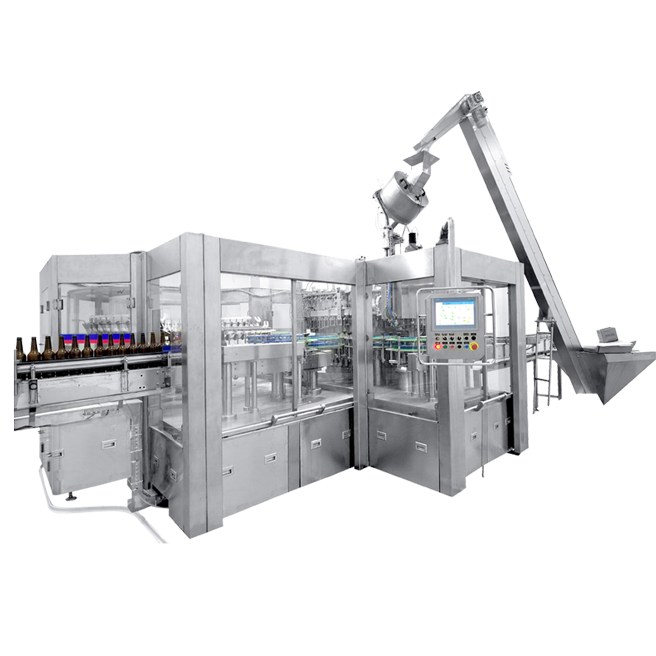
- Canning or bottling equipment, if packaged sales are planned
Why Does Brewhouse Configuration Affect Cost?
Brewhouse configuration is one of the biggest influences on beer brewing equipment price.A two-vessel system is often compact and cost-effective. It can suit breweries with limited floor space, lower brewing frequency, or a smaller startup budget. It can still produce high-quality beer when designed properly and operated with a clear brewing schedule.
A three-vessel brewhouse separates more process functions, improving workflow and allowing brewers to complete multiple tasks more efficiently. It can be a good choice for breweries that need more production flexibility or plan to brew multiple batches per day.
A four-vessel brewhouse is normally selected for projects requiring higher throughput, complex brewing schedules, or a wider beer portfolio. It can offer more flexibility, but it also requires more floor space, utilities, controls, and capital investment.
Commercial brewhouse systems are available in different vessel configurations to match a brewery’s production objectives. Choosing the correct setup should be based on sales forecasts, expected brew frequency, available floor space, and the intended level of automation.
Why Is Fermentation Capacity Important?
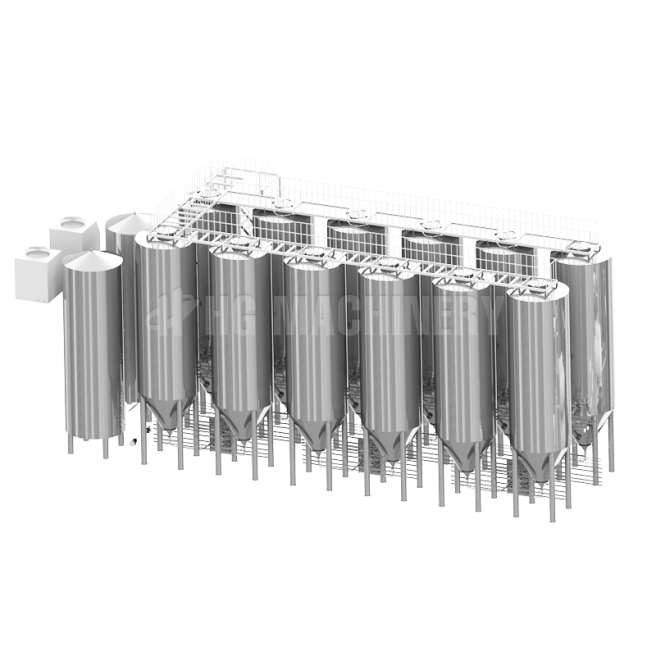
A brewhouse produces wort, but fermentation tanks determine how much beer a brewery can keep in process. This is why buyers should not spend most of their budget on the brewhouse while underestimating cellar capacity.Beer remains in fermentation tanks while yeast converts sugars into alcohol and carbon dioxide. It may then require additional maturation, clarification, carbonation, or dry-hopping time. A brewery producing several beer styles may need a larger number of tanks because each product can follow a different schedule.
For example, a brewery may have enough brewhouse capacity to brew several times each week, but production can stop if every fermenter is occupied. A balanced project matches the brewhouse output with sufficient fermentation and brite tank volume.
What Hidden Costs Should You Plan For?
Brewery equipment is a major investment, but it is not the full project cost. Buyers should prepare a detailed budget that includes the equipment and the conditions required to operate it.Common hidden costs include:
- Export packing, shipping, insurance, and inland transport
- Installation, commissioning, and operator training
- Water treatment, electrical upgrades, heating, cooling, and drainage
- Glycol piping, process piping, insulation, and valves
- Cleaning chemicals, hoses, seals, and spare parts
- Laboratory tools and basic quality-control equipment
- Kegging, canning, bottling, labeling, and packing materials
- Floor preparation, trench drainage, ventilation, and wastewater handling
- Extra space and utility capacity for expansion
Should You Buy New or Used Equipment?
Used equipment can reduce upfront spending, but buyers should inspect it carefully. Tanks may have damaged cooling jackets, missing valves, outdated control panels, unsuitable electrical requirements, or limited spare-parts support.New equipment allows the brewery to select the right tank size, heating method, automation level, process layout, and utility configuration. It also makes it easier to plan for expansion, especially when the brewery expects to add fermentation tanks or packaging capacity later.
For commercial projects, the best decision is usually based on total ownership value. Buyers should consider reliability, maintenance, sanitation, energy efficiency, technical support, and future production needs—not just the purchase price.
How Can You Request an Accurate Quote?
An accurate quotation requires clear project details. Before contacting a supplier, prepare information about:- Target annual production volume
- Brewhouse batch size
- Expected brewing frequency
- Beer styles and fermentation periods
- Required fermentation and brite tank quantity
- Building dimensions and ceiling height
- Available heating source, electricity, water, and drainage
- Keg, can, or bottle packaging requirements
- Preferred automation level
- Future expansion plans