Aug. 13, 2026
News
How Much Does Brewery Equipment Cost?
When planning a commercial brewery, one of the first questions is: how much does brewery equipment cost? The answer depends on the brewery’s production capacity, beer styles, automation needs, tank quantity, packaging plan, and available facility space.
A compact commercial setup may start at approximately $10,000 to $50,000, while a complete microbrewery or production brewery can require $150,000 to $1 million or more in equipment investment. The final cost is not based on brewhouse size alone. It also depends on fermentation capacity, cooling, cleaning, controls, utilities, installation, and packaging equipment.
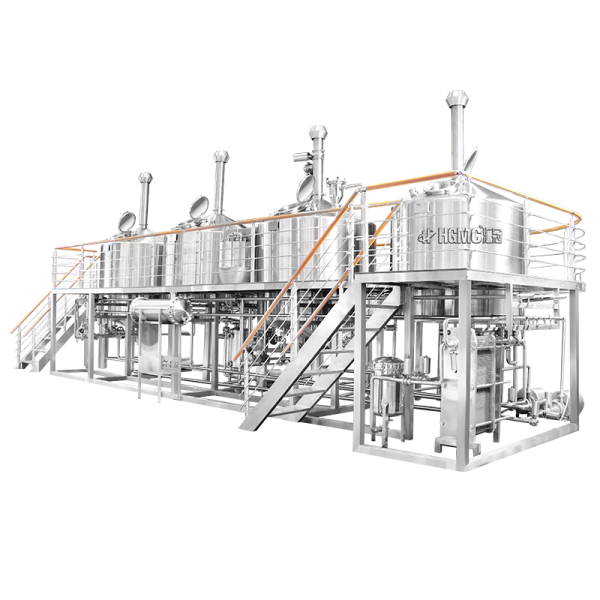
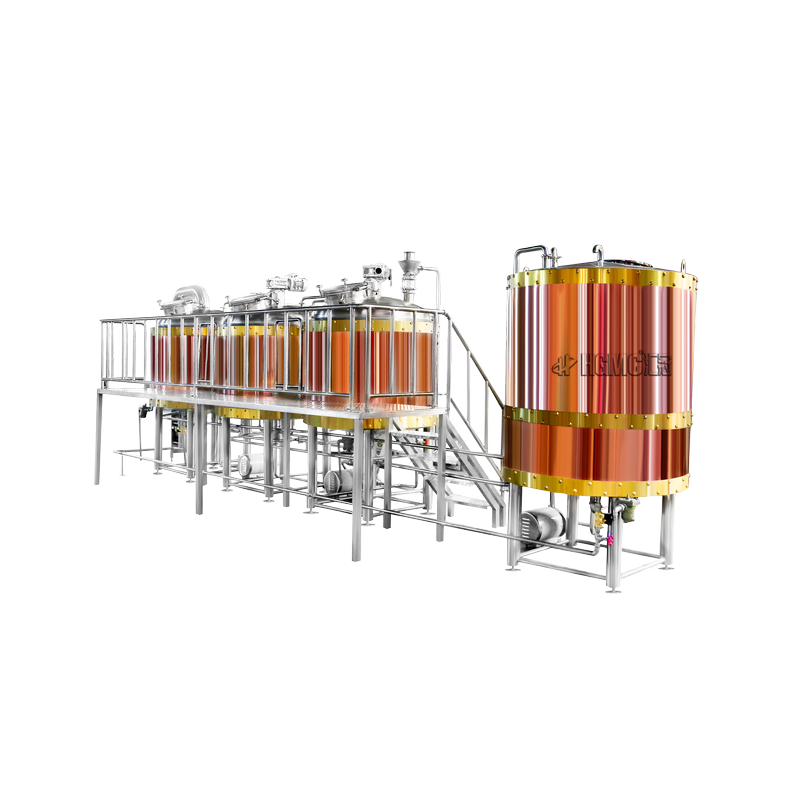
A well-designed commercial brewhouse system is the starting point for most projects. It manages the main hot-side brewing steps, including mashing, lautering, boiling, and whirlpool separation. However, the brewhouse is only one part of a complete brewery system. To operate efficiently, a brewery must also plan its cellar, cooling, cleaning, and beer packaging processes.

A typical nano brewery may include a compact brewhouse, several small fermentation tanks, a glycol chiller, a wort pump, a heat exchanger, and manual cleaning equipment. The final price will increase if the project needs more tanks, a higher automation level, or kegging and packaging equipment.
At this stage, brewery owners usually need a more complete process configuration. The project may include a brewhouse, hot liquor tank, cold liquor tank, multiple fermenters, glycol cooling system, CIP unit, pumps, control panel, and basic keg cleaning and filling equipment.
This scale is appropriate for breweries that want to supply local bars, restaurants, taprooms, and regional distribution channels. A growing brewery may need additional fermentation tanks, brite tanks, a more advanced cooling system, larger utility capacity, and better production controls to maintain consistent beer quality.
A production brewery may require a larger multi-vessel brewhouse, extensive fermentation capacity, automated controls, centralized CIP systems, high-capacity glycol cooling, filtration, CO2 systems, and a complete canning or bottling line. The budget can increase significantly when the brewery needs high-speed packaging, advanced automation, or custom-built process layouts.
The essential systems typically include:
Reliable brewery fermentation tanks help breweries manage temperature, pressure, yeast collection, carbonation, and sanitary cleaning. HGMC can configure fermentation tanks in different capacities and quantities to support microbreweries, brewpubs, and larger commercial brewing facilities.

Several factors have a major impact on equipment cost:
A brewery owner should separate the project into two budgets:
Common hidden costs include:
Before purchasing used equipment, inspect the condition of tanks, cooling jackets, insulation, welds, pumps, valves, controls, and piping. Buyers should also confirm whether spare parts, technical documentation, and maintenance support are available.
New brewery equipment gives commercial breweries more flexibility. It allows the project to be designed around the required production capacity, building layout, beer styles, utility conditions, and future growth plan. New systems can also include customized automation, professional installation support, and technical training.
Prepare the following details before requesting a quote:
A properly configured commercial brewhouse system, together with enough fermentation capacity and supporting utility systems, can give a commercial brewery a reliable foundation for efficient beer production and sustainable business growth.
A compact commercial setup may start at approximately $10,000 to $50,000, while a complete microbrewery or production brewery can require $150,000 to $1 million or more in equipment investment. The final cost is not based on brewhouse size alone. It also depends on fermentation capacity, cooling, cleaning, controls, utilities, installation, and packaging equipment.
A well-designed commercial brewhouse system is the starting point for most projects. It manages the main hot-side brewing steps, including mashing, lautering, boiling, and whirlpool separation. However, the brewhouse is only one part of a complete brewery system. To operate efficiently, a brewery must also plan its cellar, cooling, cleaning, and beer packaging processes.
What Does Brewery Equipment Cost by Brewery Size?
Brewery equipment costs rise as production capacity, process complexity, and automation increase. The following budget ranges can help buyers make an initial investment plan.Nano Brewery Equipment Cost
A small commercial nano brewery, usually between 1 and 3 BBL, may require around $10,000 to $50,000 in basic equipment investment. This type of project can be suitable for limited local production, taproom sales, or small-scale commercial brewing.A typical nano brewery may include a compact brewhouse, several small fermentation tanks, a glycol chiller, a wort pump, a heat exchanger, and manual cleaning equipment. The final price will increase if the project needs more tanks, a higher automation level, or kegging and packaging equipment.
Small Microbrewery Equipment Cost
A 5–10 BBL microbrewery commonly requires an equipment budget of around $50,000 to $150,000. This scale is often suitable for brewpubs, restaurant breweries, taprooms, and local keg distribution businesses.At this stage, brewery owners usually need a more complete process configuration. The project may include a brewhouse, hot liquor tank, cold liquor tank, multiple fermenters, glycol cooling system, CIP unit, pumps, control panel, and basic keg cleaning and filling equipment.
Growing Microbrewery Equipment Cost
A 10–30 BBL brewery can require approximately $150,000 to $400,000 or more, depending on the number of tanks, automation system, heating method, and packaging requirements.This scale is appropriate for breweries that want to supply local bars, restaurants, taprooms, and regional distribution channels. A growing brewery may need additional fermentation tanks, brite tanks, a more advanced cooling system, larger utility capacity, and better production controls to maintain consistent beer quality.
Production Brewery Equipment Cost
A 30–100 BBL or larger production brewery can require $400,000 to more than $1 million in equipment. These projects are designed for breweries producing high volumes of beer for keg, can, or bottle distribution.A production brewery may require a larger multi-vessel brewhouse, extensive fermentation capacity, automated controls, centralized CIP systems, high-capacity glycol cooling, filtration, CO2 systems, and a complete canning or bottling line. The budget can increase significantly when the brewery needs high-speed packaging, advanced automation, or custom-built process layouts.
What Equipment Does a Commercial Brewery Need?
A commercial brewery needs equipment for the full beer production process. Buying only a brewhouse without enough fermentation tanks or utility support can create expensive production bottlenecks.The essential systems typically include:
- Malt mill and grain handling equipment
- Brewhouse system
- Hot liquor tank and cold liquor tank
- Wort pump and heat exchanger
- Process piping and valves
- Fermentation tanks
- Brite beer tanks
- Glycol chiller and cooling system
- CIP cleaning system
- PLC or manual control system
- Keg cleaning and filling equipment
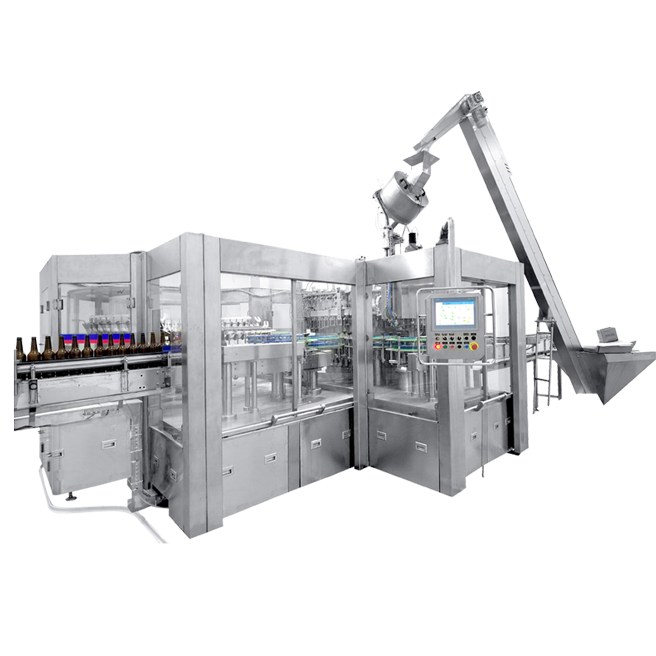
- Canning line or bottling line when packaged beer is required
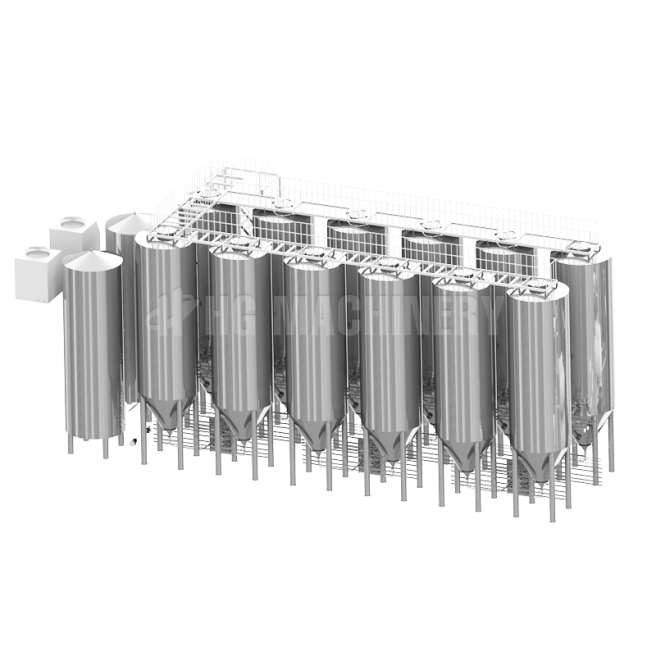
Reliable brewery fermentation tanks help breweries manage temperature, pressure, yeast collection, carbonation, and sanitary cleaning. HGMC can configure fermentation tanks in different capacities and quantities to support microbreweries, brewpubs, and larger commercial brewing facilities.
Why Do Brewery Equipment Prices Vary So Much?
Brewery equipment quotations can differ greatly even when two suppliers offer the same brewhouse capacity. Buyers should compare technical specifications and project scope rather than only comparing the final price.Several factors have a major impact on equipment cost:
- Brewhouse configuration: A two-vessel brewhouse can reduce the initial investment and save space. A three-vessel or four-vessel configuration can improve brewing efficiency and support more flexible production schedules.
- Automation level: Manual equipment costs less upfront but requires more operator involvement. Semi-automatic and PLC-controlled systems can improve process repeatability, temperature control, pumping, and cleaning efficiency.
- Fermentation tank quantity: A brewery with sufficient cellar capacity can produce more beer from the same brewhouse. Tank quantity should match fermentation time, beer styles, and production targets.
- Heating method: Electric, steam, direct-fire, and thermal-oil heating systems have different costs, energy requirements, and installation conditions.
- Material and fabrication quality: Stainless-steel grade, tank thickness, insulation, cooling jackets, weld quality, valves, and sanitary fittings all influence long-term reliability and price.
- Custom design: Custom platforms, piping layouts, electrical standards, tank dimensions, and local utility requirements can increase equipment costs but may improve installation efficiency.
- Packaging method: Kegging requires a different investment from canning or bottling. A high-capacity packaging line can become one of the largest expenses in a brewery project.
How Much Money Does It Take to Open a Brewery?
Brewery equipment cost is different from the total cost of opening a brewery. Equipment is a major investment, but the complete startup budget also includes the building, installation, operating expenses, and working capital.A brewery owner should separate the project into two budgets:
- Equipment investment: Brewhouse, fermentation tanks, cooling system, CIP, pumps, controls, utilities, and packaging equipment.
- Total startup investment: Equipment plus building renovation, floor drainage, electrical upgrades, water and gas connections, permits, rent, insurance, ingredients, staff, marketing, and operating cash.
What Hidden Costs Should You Plan For?
First-time brewery buyers often focus on the brewhouse and fermenters but overlook important supporting costs. Planning for these items early can prevent budget overruns and installation delays.Common hidden costs include:
- Freight, export packing, transport insurance, and customs charges
- Installation, commissioning, and brewing training
- Electrical, water, steam, glycol, compressed-air, and drainage connections
- Floor preparation, trench drains, ventilation, and wastewater treatment
- Cleaning chemicals, hoses, clamps, fittings, and replacement gaskets
- Laboratory and quality-control equipment
- Water treatment and CO2 supply systems
- Keg washing, filling, canning, bottling, labeling, and secondary packaging
- Extra floor space, glycol capacity, and utility load for future expansion
Should You Buy New or Used Brewery Equipment?
Used brewery equipment may offer a lower purchase price, but it also comes with additional risks. Tanks may need repair, electrical systems may not meet local standards, controls may be outdated, and important valves or accessories may be missing.Before purchasing used equipment, inspect the condition of tanks, cooling jackets, insulation, welds, pumps, valves, controls, and piping. Buyers should also confirm whether spare parts, technical documentation, and maintenance support are available.
New brewery equipment gives commercial breweries more flexibility. It allows the project to be designed around the required production capacity, building layout, beer styles, utility conditions, and future growth plan. New systems can also include customized automation, professional installation support, and technical training.
How Can You Get an Accurate Brewery Equipment Quote?
A useful brewery equipment quotation requires more than a requested brewhouse capacity. Suppliers need clear project information to recommend the right equipment configuration.Prepare the following details before requesting a quote:
- Expected annual beer production
- Preferred brewhouse capacity
- Planned brewing frequency per week
- Main beer styles and fermentation periods
- Required fermentation and brite tank quantity
- Building size, ceiling height, and available floor space
- Local voltage, water supply, heating method, and drainage conditions
- Packaging plan for kegs, cans, or bottles
- Preferred automation level
- Future capacity expansion targets
A properly configured commercial brewhouse system, together with enough fermentation capacity and supporting utility systems, can give a commercial brewery a reliable foundation for efficient beer production and sustainable business growth.