Jul. 22, 2026
News
Designing 2000L High‑Efficiency Brewing Systems
1.2000L high‑efficiency systems: from volume to performance
When breweries look for 2000l brewing equipment high efficiency, they are usually at a stage where capacity is growing, but control and stability still matter as much as volume. A 2000L brewhouse is large enough to supply a busy taproom and local distribution, yet small enough that each batch still feels like a carefully managed production rather than an industrial process running out of sight.
High efficiency at this scale is about turning that 2000L potential into real, reliable output. It means designing equipment and workflows so that:
- Brew days are predictable and not unnecessarily long.
- Fermenters turn over on schedule without constant bottlenecks.
- Cleaning and setup tasks are manageable for a compact team.
- Energy and raw materials are used wisely, not wasted.
2.Efficiency starts with a smart brewhouse concept
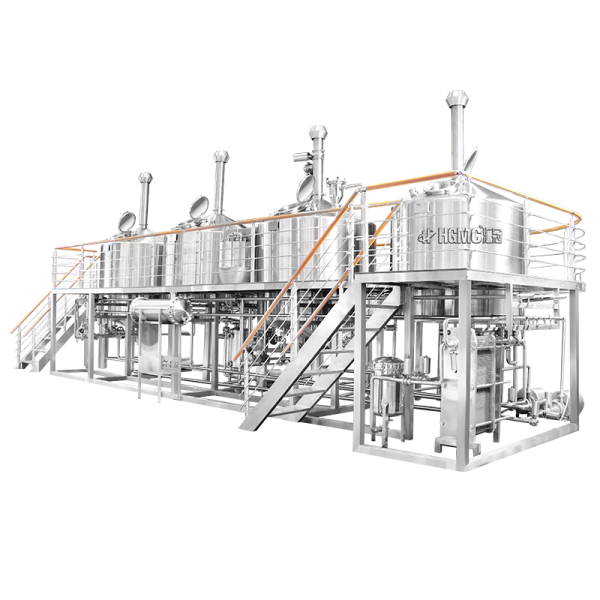
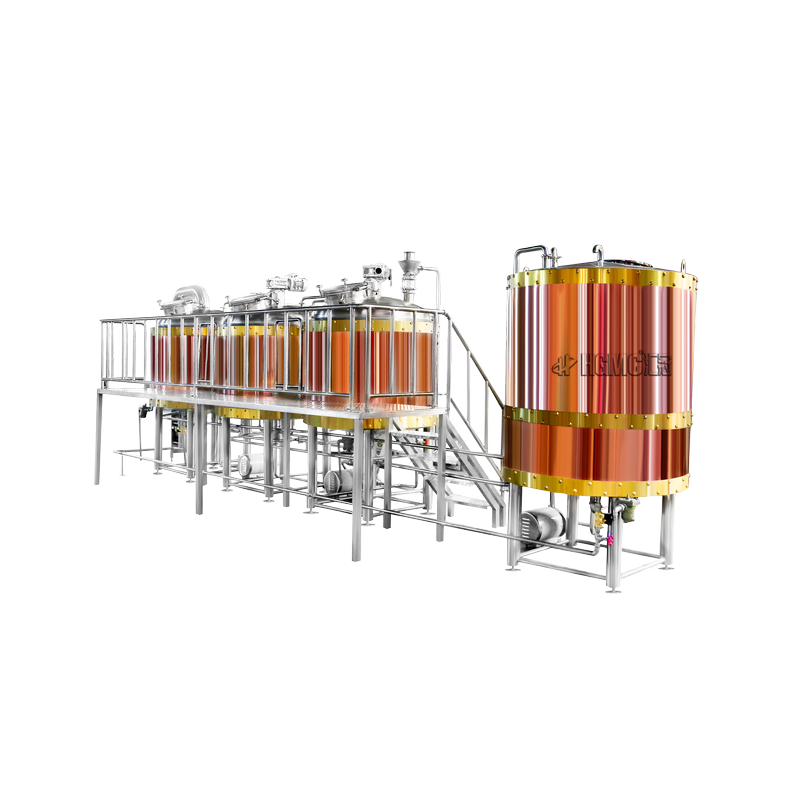
The brewhouse is where 2000l brewing equipment high efficiency begins. At this volume, you have several conceptual choices that influence both throughput and everyday workload.Key decisions include:
- Number of vessels
- A simple mash/lauter plus kettle/whirlpool arrangement can work well for breweries with moderate brew frequency.
- Adding more vessels can increase overlap between steps and raise daily brew capacity, but also adds complexity and cost.
- Mash and lauter performance Efficient mash agitation, a robust false bottom, and a well‑designed sparging system reduce the risk of stuck mashes and shorten lautering time. That directly increases how many usable brews your team can complete each week.
- Boil and whirlpool behavior At 2000L, stable boiling and reliable trub separation help maintain consistent bitterness and clarity. Good kettle and whirlpool geometry reduce downstream issues and the need for corrective processing.
- Transfer and cooling design Pumps and piping matched to 2000L batches allow wort to move quickly and smoothly through the system. A properly sized heat exchanger keeps cooling times short, protecting beer quality and freeing tanks sooner.
3.Capacity planning: using 2000L efficiently across the week
True 2000l brewing equipment high efficiency depends on how you plan capacity, not just on the hardware. A 2000L brewhouse can easily underperform if schedules are vague or tanks are mismatched to demand.Useful planning questions include:
- How many brews per week do you realistically run? This shapes whether one, two, or more fermenters are needed and how large they should be.
- Which beers are core, and which are occasional? Reserving fermentation capacity for flagship beers ensures that high‑demand products are rarely delayed by small, irregular batches.
- What are typical fermentation and conditioning times? Longer timelines tie up tanks and must be factored into how many vessels you install from the start.
- How do packaging days fit into the schedule? Bright beer tanks and packaging runs should align so beer does not sit longer than necessary while awaiting its slot.
4.Layout and workflow: efficiency built into the floor plan
Even good equipment can feel inefficient if the layout is awkward. For 2000l brewing equipment high efficiency, the way brewhouse, tanks, and cleaning areas are arranged plays a major role in daily productivity.Important layout elements include:
- Short, clear product paths Moving wort from brewhouse to fermenters, and beer from fermenters to bright tanks, should require minimal hose changes and logical routing. This reduces transfer time and cleaning effort.
- Safe, direct access for staff Platforms around the brewhouse, clear walkways in the cellar, and well‑placed controls help brewers work without unnecessary steps or risky maneuvers.
- Efficient cleaning circuits CIP lines planned to reach vessels and key piping sections without constant reconnection make cleaning cycles faster and more consistent.
- Utility distribution Cooling, power, and drainage laid out in harmony with equipment positions prevent congestion and simplify maintenance.
5.Cleaning and changeover: the hidden engine of efficiency
One often overlooked part of 2000l brewing equipment high efficiency is how quickly and thoroughly equipment can be cleaned between batches. Tanks and lines that are difficult to clean extend downtime and risk inconsistent hygiene.Design considerations for efficient cleaning include:
- Integrated CIP hardware Spray devices inside brewhouse vessels and tanks allow cleaning solutions to reach all surfaces without manual scrubbing.
- Smooth internal surfaces Good weld quality and polished interiors reduce product traps and make rinsing effective, reducing cleaning time and chemical needs.
- Simple connection points Clearly arranged CIP inlets, outlets, and drains support repeatable cleaning procedures and minimize confusion.
- Standardized cleaning routines Equipment that lends itself to clear, written procedures helps new and experienced staff perform hygiene tasks consistently.
6.Managing energy and resources at 2000L scale
Efficiency is also about how much energy, water, and raw ingredients your system uses to produce each batch. Well‑designed 2000l brewing equipment high efficiency takes resource use into account.Areas to consider:
- Heating and cooling profiles Reliable controls avoid overshooting temperatures and constant corrections that waste energy.
- Water usage in cleaning and process CIP design and good vessel surfaces can reduce water per cleaning cycle. Efficient sparging systems can optimize water‑to‑grist ratios without sacrificing extract.
- Product loss Thoughtful outlet placement and transfer line design minimize beer lost in tanks and piping. Over time, even small reductions make a notable difference.
7.Making high efficiency work with a compact team
Many breweries choosing 2000l brewing equipment high efficiency operate with a relatively small team. Efficiency must therefore support human factors as well as technical ones.Useful principles:
- Clear, easy‑to‑read controls Panels that show temperatures, pump status, and key valves at a glance make it simpler for one brewer to oversee multiple tasks.
- Logical labeling and documentation Valve labels, hose markings, and sensible naming of tanks and lines reduce errors and speed up training.
- Comfortable access and ergonomics Reducing unnecessary lifting, bending, and climbing makes long brew days and cellar work more sustainable for staff.
8.Turning the concept into a real project
To transform the idea of 2000l brewing equipment high efficiency into an actual installation, breweries can follow a relatively simple planning path:- State your efficiency goals Decide what “high efficiency” means in your case: more brews per week, shorter cleaning cycles, better consistency, or reduced energy use.
- Map your current or expected process Sketch how malt becomes beer in your specific brewery: key steps, bottlenecks, and typical timelines.
- Align equipment choices with those goals Choose brewhouse configurations, tank sizes, and CIP arrangements that directly address your stated targets.
- Design a layout around movement, not just dimensions Plan where people, liquids, and cleaning solutions will move, then place equipment accordingly.
- Document procedures early Write simple SOPs for brewing, transfers, and cleaning as part of the equipment planning, so your system and your routines support each other from day one.