Jul. 22, 2026
News
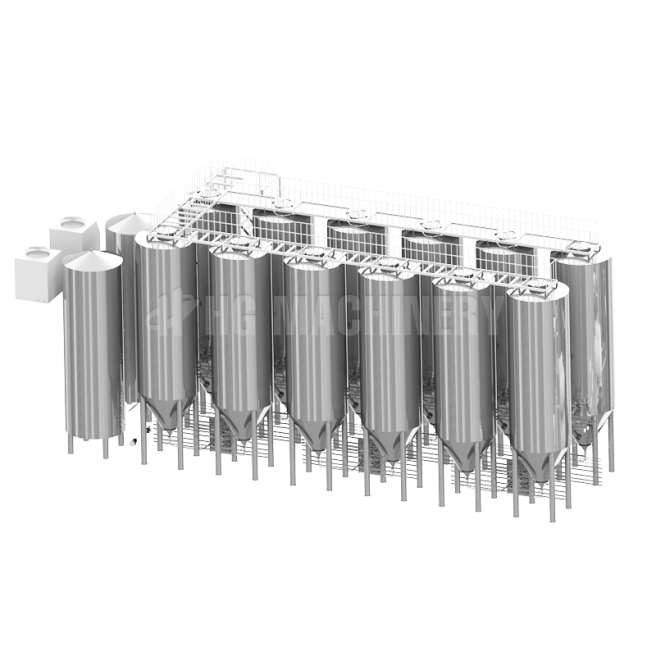
Fermentation Tanks Solution for Modern Breweries
1.Why a fermentation tanks solution is the backbone of your brewery
A well‑designed Fermentation tanks solution is one of the most important foundations of any brewery. Even with a perfect brewhouse, poorly chosen or poorly arranged fermentation tanks can lead to inconsistent beer, scheduling conflicts, and unnecessary labor. Fermentation is where wort becomes beer, and everything about your tanks—from their size and shape to their fittings and cooling jackets—affects flavor, clarity, and stability.Instead of thinking about tanks as individual pieces of stainless steel, it helps to see your cellar as a system. A true fermentation tanks solution takes into account your recipe portfolio, batch sizes, fermentation times, packaging rhythm, and available space. When all those elements are aligned, your tanks stop being a bottleneck and become a powerful tool for growth.
2.Matching tank sizes to your brewing model
The first step in building a Fermentation tanks solution is deciding how tank sizes relate to your brew length and beer range. Several common models can guide your thinking:- One brew = one tank Each tank holds a single brewhouse batch. This makes record‑keeping and flavor tracking straightforward, and is often used in smaller or highly flexible craft breweries.
- Two brews = one tank Two brewhouse runs fill a larger fermenter. This model suits breweries with strong flagship beers and stable demand, where combining brews improves efficiency.
- Mixed sizes for mixed products A combination of smaller and larger tanks lets you brew core beers in higher volume while keeping room for seasonal or experimental batches.
3.Choosing the right tank design: shape, jackets, and fittings
Once you have a sense of volumes, you can focus on design details that turn tanks into a truly functional Fermentation tanks solution.Key design aspects include:
- Cylindroconical shape This classic geometry supports efficient yeast settling, simplifies racking off beer, and helps maintain homogenous fermentation. It has become standard in professional beer production for good reasons.
- Cooling jackets Multiple cooling zones on the tank body allow precise control of temperature throughout the fermentation process. This is essential for both clean lagers and expressive ales.
- Insulation and cladding Proper external insulation keeps tank temperatures stable and reduces cooling demand. Durable cladding protects the tank and contributes to a tidy cellar appearance.
- Fittings and access Well‑placed sample valves, pressure fittings, manways, and ports for dry hopping or other additions make daily operations safe and efficient.
4.Organizing the cellar: layout as part of the solution
Even perfect tanks can be frustrating if they are arranged poorly. Layout is a critical part of any Fermentation tanks solution.Important layout considerations include:
- Flow lines for beer How wort moves from the brewhouse to fermenters, then to bright tanks and packaging. Short, logical routes reduce time and cleaning effort.
- Access paths for staff Clear walkways and safe platforms so brewers can sample, dry hop, connect hoses, and run CIP without climbing awkwardly or working in tight corners.
- Cleaning circuits Efficient routing of CIP lines so cleaning cycles can reach all tanks without constant hose changes or manual reconfiguration.
- Utility connections Glycol pipes, drains, and power connections placed to support multiple tanks without becoming a tangled maze.
5.Integrating CIP and hygiene into your tank solution
Hygiene is non‑negotiable, and cleaning is where a Fermentation tanks solution either shines or fails. Proper design makes CIP (clean‑in‑place) predictable and efficient.Key hygiene features include:
- Internal spray devices Spray balls or equivalent systems mounted inside tanks so cleaning solutions can reach all surfaces.
- Smooth internal surfaces Clean welds and polished interiors that minimize product traps and make rinsing effective.
- Simple, reliable connections CIP inlets, outlets, and drains arranged so cleaning circuits can be set up quickly and repeated accurately.
- Clear procedures Standardized cleaning cycles that staff can follow step by step, with equipment designed to make those cycles practical.
6.Planning for growth: making your tank solution scalable
A good Fermentation tanks solution is not only about today’s demand; it should also make tomorrow’s expansion easier. When thinking about future growth, consider:- Space for additional tanks Leaving room in the cellar layout for one or more extra tanks helps you respond to increased sales without redesigning the entire brewery.
- Glycol and utility capacity Sizing cooling and other utilities with some headroom supports future expansions without major infrastructure changes.
- Standardized fittings and connections Using consistent valve types, clamps, and hoses across tanks simplifies adding new units and makes maintenance smoother.
- Compatible tank sizes Choosing tank volumes that fit your brewhouse and packaging lines makes adding more of the same type straightforward.
7.How HGMC naturally fits into a fermentation tanks solution
When brewers seek a complete Fermentation tanks solution, they often want not just tanks but also guidance on sizing, layout, cleaning design, and future upgrades. This is where a brand like HGMC can fit naturally into the picture.HGMC’s involvement typically includes:
- Reviewing your expected capacity, beer lineup, and building constraints.
- Proposing tank volumes and counts that match your real production patterns.
- Suggesting cellar layouts that align tank positions with brewhouse, CIP, and packaging.
- Recommending fitting and jacket configurations suited to your fermentation styles.
- Planning for the possibility of adding more tanks later with minimal disruption.
8.A practical checklist for your own fermentation tanks solution
To turn all these ideas into a concrete plan, you can use a simple checklist when designing or reviewing your Fermentation tanks solution:- Capacity alignment Do tank sizes and counts match your brew length and expected sales over the next few years?
- Process fit Are tanks designed and arranged to support your specific beer styles and fermentation times?
- Hygiene design Is CIP integration clear and effective, with smooth internal surfaces and reachable cleaning circuits?
- Operational ergonomics Can staff work in the cellar safely and comfortably, with logical access and simple hose routes?
- Expansion potential Is there room and infrastructure to add more tanks or upgrade controls later?
- Brand and support Are you working with a supplier who can help refine the solution as your brewery grows?