Jul. 01, 2026
News
Brewhouse Brewery Equipment: Design and Solutions
What is brewhouse brewery equipment?
Brewhouse brewery equipment covers the set of vessels and accessories responsible for turning malt, water, and hops into wort ready for fermentation. It forms the core of every brewery, whether a small craft operation or an industrial plant. A well‑designed brewhouse determines how efficiently you can mash, lauter, boil, and separate trub, influencing both flavor and operational cost.Because the brewhouse handles multiple process steps, its configuration and level of automation have direct effects on daily workflow, staffing, and throughput.
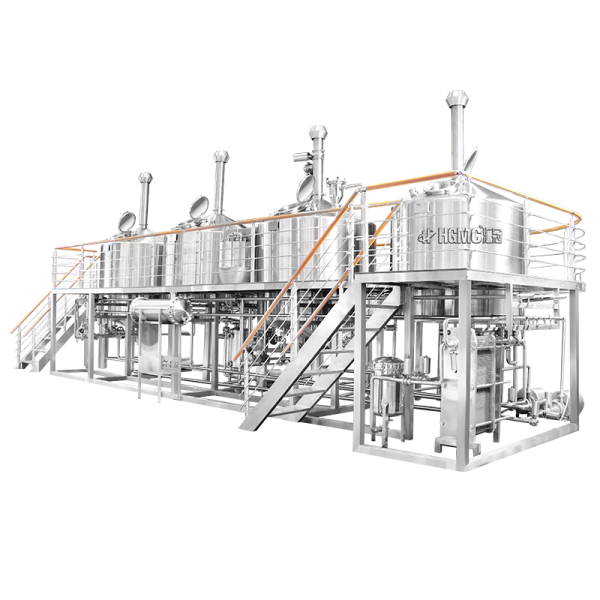
Main components of brewhouse equipment
A typical brewhouse system includes several key components:- Mash tun: mixes crushed malt with hot water to create mash and start enzymatic conversion.
- Lauter tun: separates sweet wort from spent grain, using a false bottom and sparging system.
- Kettle: boils wort, allowing hop utilization and sterilization.
- Whirlpool: separates trub and hop residues, helping clarify wort before cooling.
- Heat exchanger: rapidly cools boiling wort to fermentation temperature.
- Pumps and valves: move liquids safely and efficiently between vessels.
- Platforms and stairs: provide safe access to manways, controls, and sampling points.
Brewhouse configurations for different brewery types
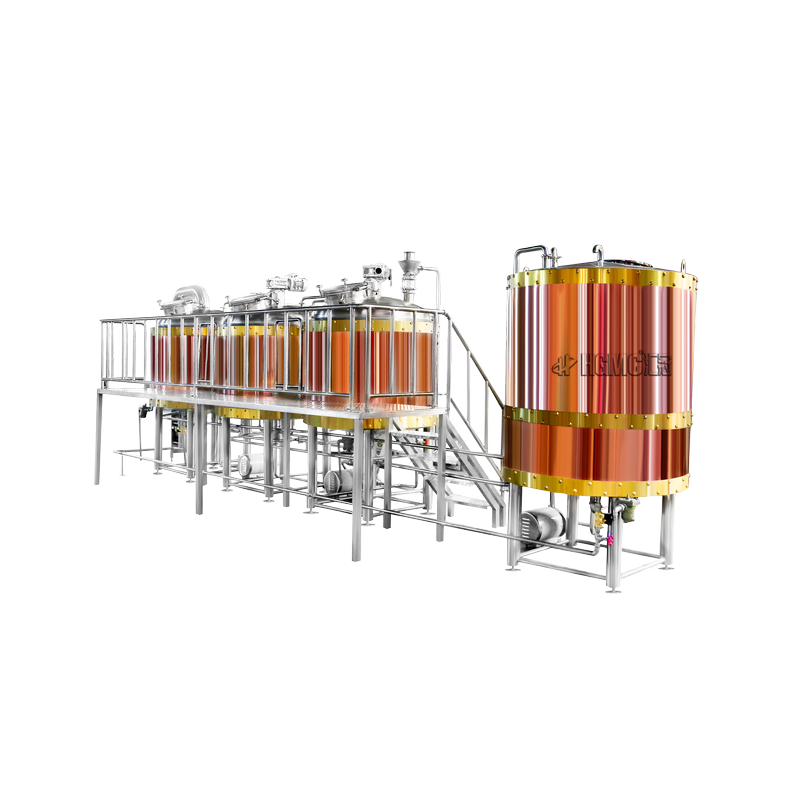
Brewhouse brewery equipment can be configured in various ways to meet different production needs:- 2‑vessel brewhouse: mash/lauter tun plus combined kettle/whirlpool, suitable for smaller breweries or brewpubs.
- 3‑vessel brewhouse: separate mash tun, lauter tun, and combined kettle/whirlpool, offering more flexibility and throughput.
- 4‑vessel brewhouse: individual mash, lauter, kettle, and whirlpool vessels, designed for high‑volume operations and overlapping processes.
Design considerations for brewhouse brewery equipment
When designing brewhouse equipment, several technical and practical factors must be taken into account:- Vessel sizing: volumes must match desired batch size and fermentation capacity.
- Heating method: choice between various heating options depending on local utilities and scale.
- Flow paths: piping and pumps arranged to minimize dead legs and simplify cleaning.
- Mash and lautering performance: rakes, false bottoms, and sparging systems optimized for efficient extraction.
- Safety and ergonomics: platforms, railings, and access points designed for comfortable and safe operation.
- Cleaning: integrated CIP spray devices and drains to support thorough, consistent sanitation.
Role of automation in brewhouse equipment
Automation can be integrated into brewhouse brewery equipment at different levels, depending on the brewery’s goals:- Basic automation: temperature control and simple pump operation through manual valves and controllers.
- Semi‑automatic brewhouse: step‑controlled mashing, timed boils, and automated water dosing.
- Advanced automation: PLC‑based control with recipe management, alarms, and detailed process visualization.
How brewhouse design fits into full brewery solutions
Brewhouse brewery equipment must be planned in harmony with fermentation and bright beer cellars, CIP systems, and utilities. Good brewhouse design supports the overall brewery concept:- Matching brewhouse capacity to tank farm volumes for smooth production flow.
- Aligning piping and CIP systems to allow efficient cleaning from brewhouse through to tanks.
- Ensuring utility connections—such as hot water and cooling—are placed logically around the brewhouse.
- Considering future expansion, such as adding more tanks or upgrading automation.
Buying guide: selecting brewhouse brewery equipment
To choose brewhouse equipment that fits your brewery, follow these steps:- Define batch size and yearly production Decide the volume per brew and total annual output to guide vessel sizes.
- Determine brewing style and schedule Estimate how many brews per week or per day and the variety of beer styles.
- Assess space and utility availability Measure available floor and height, and evaluate existing utilities.
- Choose configuration Decide between 2‑, 3‑, or 4‑vessel designs based on throughput and budget.
- Set automation requirements Clarify how much control automation your team needs for consistency and efficiency.
- Request proposals Work with manufacturers such as HGMC Beer Equipment to obtain tailored equipment lists and layouts.
Brewhouse solutions from HGMC Beer Equipment
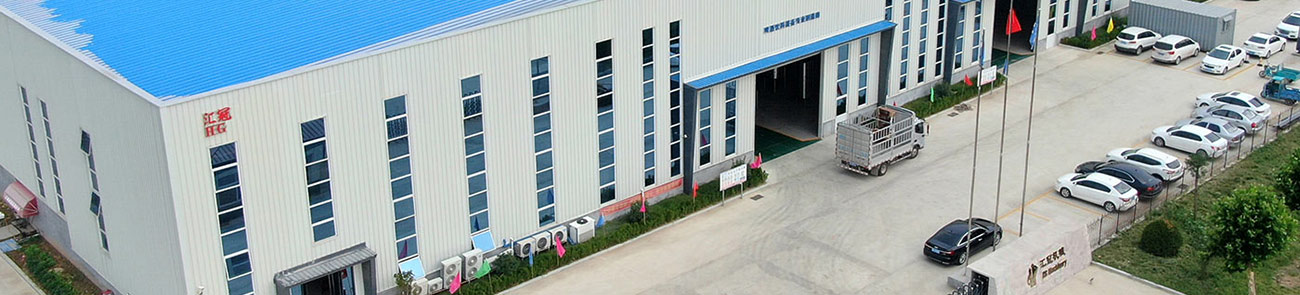
HGMC Beer Equipment designs and manufactures brewhouse brewery equipment for craft and industrial breweries. Our solutions range from compact 2‑vessel systems for smaller operations to multi‑vessel brewhouses for high‑capacity plants. By combining robust vessels, smart piping layouts, and appropriate automation, we help breweries build an efficient brewing core.You can explore different brewhouse options on our brewhouse equipment page and then share your capacity and layout details with our team to receive a customized proposal.