Jul. 24, 2026
News
Beer Brewing Supplies for Automatic Control
1.Why automatic control is becoming essential
As breweries grow, the way they manage production changes. Manual brewing can work well at a very small scale, but once output rises, consistency becomes harder to maintain. That is why beer brewing supplies automatic control has become a major topic for breweries that want stable quality, cleaner workflow, and better use of labor. Automatic control does not replace the brewer. Instead, it gives the brewer more reliable tools to manage a process that has many moving parts.
A brewery has several stages that must work together: mashing, lautering, boiling, cooling, fermentation, cleaning, and transfer. If these steps rely too heavily on memory and manual adjustment, small mistakes can turn into larger problems. Automatic control helps reduce those risks by keeping temperature, timing, valve sequences, and monitoring more consistent from batch to batch. In practice, this means fewer surprises and a smoother brewing day.
2.What automatic control actually covers in a brewery
When people hear beer brewing supplies automatic control, they often think only of a touchscreen or a control cabinet. But automatic control is broader than that. It includes the full set of supplies that allow the brewery to run repeatable operations with less manual intervention.Typical automatic control elements include:
- Temperature sensors and probes.
- Control panels and operating interfaces.
- Valve control systems.
- Pump control and sequencing.
- Level monitoring and alarms.
- Recipe storage and process timing functions.
- Data display and recording for key parameters.
3.How automatic control improves the brewhouse
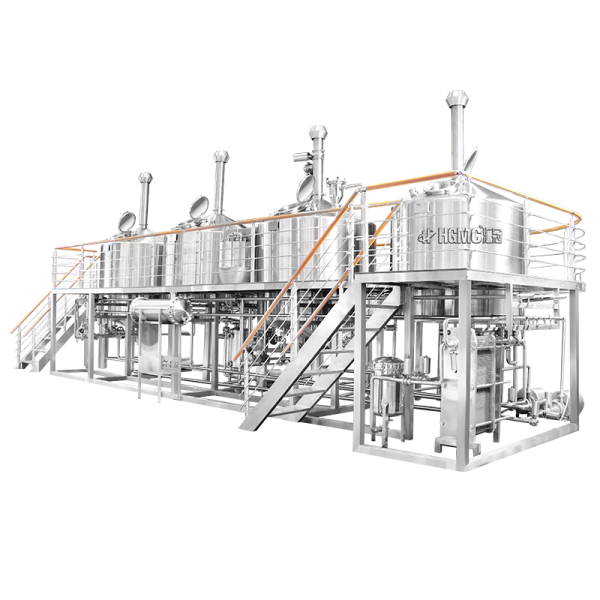
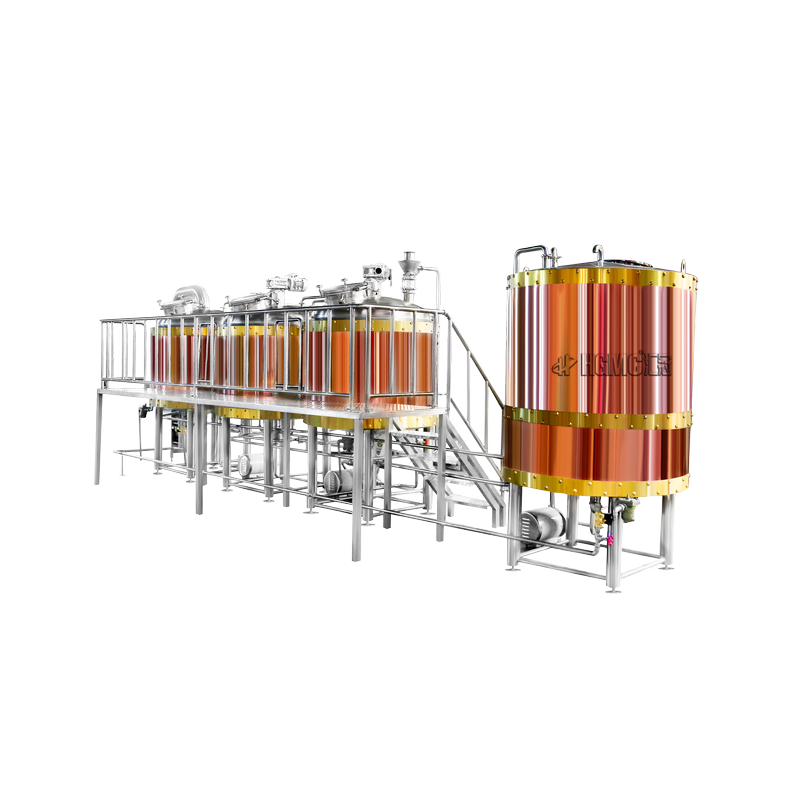
The brewhouse is where control makes the biggest first impression. In beer brewing supplies automatic control, brewhouse supplies are often the first place breweries want to improve because this is where temperature and timing matter most.
A controlled brewhouse can help with:
Mash performance
The mash needs stable temperatures and correct timing for enzyme activity. Automatic control helps maintain those conditions rather than depending on constant manual checks. This supports more predictable extraction and wort quality.Lauter consistency
During lautering, flow needs to be controlled carefully. Automatic pumps and valves can help maintain a steady transfer rate, reducing the chance of stuck mash or uneven run-off.Boil management
Boiling is not just about heating. Time, intensity, and sequence all matter. Automatic control can help the brewery manage boil duration, hop additions, and transitions more accurately.Cooling and transfer
Once boiling is complete, wort needs to cool quickly and move to fermentation without delay. Automatic control can help manage the cooling sequence and reduce the risk of inconsistent pitching temperatures.
For breweries that want more predictable brew days, automatic brewhouse control is often the most visible upgrade.
4.Why cellar control matters just as much
Many breweries focus on the brewhouse, but the cellar is where beer becomes stable and saleable. A well‑planned beer brewing supplies automatic control strategy includes fermentation and bright beer tanks, not just brewing vessels.Automatic cellar control can improve:
Temperature stability
Fermentation tanks need precise temperature management. If the temperature swings too much, yeast behavior changes, and beer quality can suffer. Automatic control keeps cooling responses steady and repeatable.Tank monitoring
A brewery with several tanks needs to know what each one is doing at a glance. Automatic monitoring helps operators see which tanks are active, which are cooling, and which are ready for the next stage.Scheduling and tank turnover
If fermentation and conditioning times are known and tracked properly, the brewery can plan tank use more efficiently. This reduces idle capacity and helps the brewery avoid bottlenecks.Bright beer preparation
Before packaging, beer must often be conditioned or carbonated under controlled conditions. Automatic systems make that process easier to repeat and easier to manage across multiple tanks.Cellar automation is often where breweries start to see the biggest improvement in workflow clarity.
5.Cleaning systems and automatic control
Cleaning is one of the areas where automation can save a lot of time. In many breweries, cleaning takes as much attention as brewing itself. That is why beer brewing supplies automatic control should include cleaning logic, not only production logic.
Automatic cleaning systems can help with:
- Pumping cleaning solution through vessels and lines.
- Timing rinse, wash, and sanitation cycles.
- Maintaining cleaning temperatures.
- Routing cleaning flows to the correct tanks.
- Repeating the same sanitation sequence every time.
When cleaning is automated, the process becomes more reliable and easier to train. Staff do not have to rebuild the procedure each time. Instead, they follow a standard sequence supported by the equipment. That improves hygiene and reduces the chance of missed steps.
For breweries with multiple tanks and frequent production cycles, this is not a luxury. It is part of staying operationally efficient.
6.Choosing the right level of automation
Not every brewery needs the same level of automatic control. The right beer brewing supplies automatic control setup depends on scale, staff experience, and budget.Basic control
A brewery with a smaller operation may only need simple temperature control, manual valve operation, and a few clear monitoring points. This keeps the system straightforward while still improving consistency.Semi‑automatic control
This level often includes automated pump sequencing, temperature control, and some recipe timing. It is a good fit for breweries that want better repeatability without a complicated learning curve.Advanced control
Larger breweries or those with multiple tanks may benefit from a more complete PLC‑based system with recipe management, alarms, and process logging. This makes it easier to manage many variables across more equipment.
The best choice is usually the one your team can use confidently every day. More automation is not automatically better if it creates confusion. A practical system is one that supports the brewery’s actual workflow.
7.How automatic control affects cost and return
Automatic control does raise the initial investment, but it can improve long‑term value. When considering beer brewing supplies automatic control, it helps to look at both cost and payback.
Possible benefits include:
- Less labor spent on repetitive manual tasks.
- Fewer process mistakes caused by human error.
- Better batch consistency, which supports brand reliability.
- Faster cleaning and tank turnover.
- Better use of production capacity.
8.Where a brewery equipment brand fits into the control plan
Control systems work best when they are designed together with the brewing equipment itself. That is one reason a brand like HGMC can play a useful role in beer brewing supplies automatic control projects. HGMC does not just supply separate parts. It helps breweries think through how brewhouse vessels, fermentation tanks, cleaning systems, and control functions should work as one system.
That matters because automatic control only performs well when the hardware matches the process. A control panel alone cannot solve poor tank layout, awkward pipe routing, or oversized equipment. HGMC’s value is in planning the equipment and the control logic together so the brewery gets a system that feels coherent in daily use.
For example, if a brewery needs a brewhouse with reliable valve sequencing and a cellar with stable fermentation temperatures, HGMC can help align the tank design, piping arrangement, and control functions so the brewery is easier to operate. That kind of integration is what makes automation actually useful instead of just impressive on paper.
9.A practical way to plan your own control system
If you are considering beer brewing supplies automatic control, the best way to start is with the workflow, not the hardware list. Ask these questions:- Which steps in brewing take the most time or create the most errors?
- Where does your team need more visibility or repeatability?
- Which tanks or processes must be tightly controlled for quality?
- How much automation can your staff operate comfortably?
- What part of the process would benefit most from a standardized sequence?
Answering these questions makes the project more practical. Instead of chasing the most advanced system available, you can build a control setup that matches your brewery’s real needs.
For many breweries, that means starting with the most important control points and then expanding gradually. In that way, automation becomes part of the brewery’s growth path, not a burden.
10.What good automatic control should feel like
In the end, beer brewing supplies automatic control should make the brewery feel calmer and more predictable. The team should spend less time correcting avoidable problems and more time making good beer. Brewhouse steps should follow a repeatable pattern. Tank temperatures should stay where they belong. Cleaning should be easier to manage. Transfers should happen in a controlled way.
When automatic control is designed properly, the brewery becomes easier to trust. That confidence matters just as much as the technical details. A brewer who can rely on the process can focus on quality, timing, and growth instead of constantly checking whether the equipment will behave.
That is the real value of automatic control in brewery supplies: not just more technology, but a better operating rhythm for the brewery as a whole.